
 Written by
Lease vs. Finance vs. Paying Cash for a Car: Which One Actually Costs Less?
You’ve picked the car. Now comes the part that can swing what you really pay by thousands of dollars: how you pay for it. Lease it, finance it or write one big check? Car forums argue about this endlessly, and the honest answer is that each one is the cheapest option for somebody. The trick is figuring out which somebody you are.
This guide breaks down how leasing, financing and paying cash actually work, runs the numbers on a realistic $40,000 example, explains the fees and traps hiding in each one, and covers what’s different for Canadian buyers. One quick note: we’re car people, not financial advisors, so treat this as a plain-English starting point, not personal financial advice.
Guide · Paying for a Car
Updated November 2026 · 19 min read
Car Payments in 2026 at a Glance
Here’s what the average US buyer is dealing with right now:
Average new-car APR 7.0% Edmunds, Q3 2026 (10.6% for used)
Average new-car payment $787/mo A record high, Edmunds, Q3 2026
Average lease payment $617/mo Experian, Q2 2026
New loans of 84+ months 25.5% A record share, Edmunds, Q3 2026
Trade-ins underwater 29.1% Owing $7,107 on average, Edmunds, Q3 2026
Average new-car price $50,562 Kelley Blue Book, September 2026
01 · The basics
How Leasing, Financing and Paying Cash Actually Work
All three options get you the same car on the same driveway. What changes is who owns it, how much you pay each month and what you’re left holding when you’re done. Here’s the short version.
Option 1
Leasing
Lowest payment You don’t own it Mileage limits
You pay for the slice of the car’s value you use up over the lease, usually two to four years, plus interest and fees. Then you hand it back, buy it or roll into a new one. The Financial Consumer Agency of Canada sums it up nicely: leasing is like a long-term rental.
Option 2
Financing
You own it Interest adds up Payments end
A bank, credit union or the automaker’s finance arm pays for the car and you pay them back with interest, typically over five to seven years now. Every payment builds equity, and once the loan is paid off the car is all yours.
Option 3
Paying cash
No interest No payments Big upfront hit
You pay the whole price on day one. No interest, no lender, no monthly bill and nobody to tell you how far you can drive. The catch is tying up a big chunk of savings in something that loses value every year.
Lease lingo, decoded
Leases come with their own vocabulary, and dealers sometimes count on that to keep you focused on the monthly payment. Learn these six terms and you’ll be able to read any lease offer:
| Term | What it means | Why it matters |
|---|---|---|
| Capitalized cost | The price of the car in the lease, often called the cap cost. | It’s negotiable, just like a purchase price. Every dollar off lowers your payment. |
| Residual value | What the lender predicts the car will be worth at the end of the lease. | A higher residual means less depreciation to pay for, so a lower payment. Cars that hold their value lease well. |
| Money factor | The lease interest rate, written as a tiny decimal. | Multiply it by 2,400 for a rough APR: 0.0025 works out to about 6%. Ask for it in writing. |
| Acquisition fee | A bank fee for setting up the lease. | Typically $595 to $1,095, according to Edmunds figures quoted by Experian in 2026. |
| Disposition fee | A fee for cleaning and reselling the car when you turn it in. | Usually about $300 to $400. It’s often waived if you lease another car from the same brand. |
| Mileage allowance | How far you can drive each year without a penalty. | Usually 16,000 to 24,000 km (10,000 to 15,000 miles) a year, with 19,300 km (12,000 miles) the most common in the US. |
Financing is simpler. Your payment depends on the amount you borrow, the APR and the term. Stretch the term and the payment shrinks, but you pay interest for longer and you stay “underwater,” owing more than the car is worth, for longer too. More on that in a minute.
02 · The math
What Each Option Really Costs: A $40,000 Example
Monthly payments are a terrible way to compare these options, because a lease and a loan buy you completely different things. A better question is: after three years, how much money is gone for good? Let’s say you’re buying a $40,000 compact SUV, something like a Toyota RAV4 or Honda CR-V in a mid-level trim, and it’s worth 58% of its price after three years.
| Option | Money out over 3 years | What you have at the end | Real 3-year cost |
|---|---|---|---|
| Lease (36 months, $0 down, 0.0025 money factor) | $625 a month = $22,488, plus a $695 acquisition fee and $400 disposition fee: $23,583 | Nothing. You hand the keys back. | $23,583 |
| Finance ($5,000 down, $35,000 at 7.0% for 60 months) | $5,000 plus 36 payments of $693: $29,949 | A car worth $23,200 with $15,479 left on the loan: $7,721 in equity | $22,228 |
| Cash | $40,000 on day one | A car worth $23,200, paid off | $16,800, or about $21,800 if that cash could have earned 4% a year |
$23,583
Lease
Three years of driving, nothing to show for it
$22,228
Finance
After selling or trading in at year three
$21,800
Cash
Counting the interest your savings could have earned
$16,800
Cash, on paper
Depreciation only
Surprised how close they are? Over three years, leasing and financing often land within a couple of thousand dollars of each other, because in both cases you’re mostly paying for depreciation, the value the car loses while you drive it. Depreciation is brutal early on: the FCAC says a new car can lose 25% of its value in the first year and 15% to 25% a year for the next four.
The gap opens up when you keep the car. Finance that SUV, pay it off in five years and drive it for another five, and those last five years cost you nothing but insurance, fuel and maintenance. Lease the whole decade and you never stop making payments. That’s why the classic advice still holds: buying and keeping a car for a long time is the cheapest way to drive.
Whichever way you pay, the price you negotiate matters most. A lease payment is built from the cap cost, so knocking $2,000 off the price helps a lease just as much as a loan. Negotiate the price of the car first, then talk about how you’ll pay for it.
Sales tax works differently too. Bankrate says most US states roll the tax into each lease payment, so you’re only taxed on the part of the car you use, while a purchase is taxed on the full price. A few states, Texas among them, tax the whole value up front either way. In Canada, the Canada Revenue Agency says GST/HST applies to each lease payment, or to the full price when you buy.
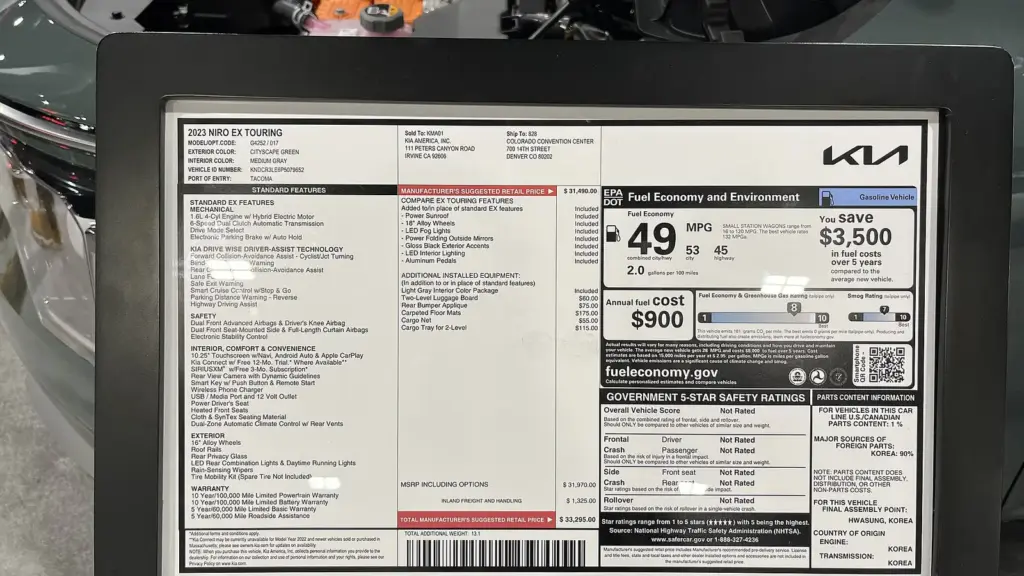
The sticker price is a starting point. Negotiate it before you pick lease, loan or cash.
About our numbers: the lease payment here is calculated the standard way: depreciation spread over 36 months, plus a finance charge of (cap cost + residual) × money factor. At $625 a month it lands close to the $617 average US lease payment Experian reported for Q2 2026, but your quote will differ. Plug your own numbers into a lease-or-loan calculator before you sign anything.
03 · Financing
Financing in 2026: Rates, Terms and the 84-Month Trap
Most people finance, and in 2026 it’s more expensive than it used to be. Edmunds put the average new-car APR at 7.0% in the third quarter, with used cars at 10.6%, and the average new-car payment hit a record $787 a month. To keep payments manageable, buyers keep stretching their loans. Here’s what that does to the interest on the $35,000 loan from our example at 7.0%:
$3,905
36 months
$1,081 a month
$5,230
48 months
$838 a month
$6,583
60 months
$693 a month
$7,963
72 months
$597 a month
$9,372
84 months
$528 a month
Going from five years to seven drops the payment by $165 a month but costs you nearly $2,800 more in interest. Worse, a long loan keeps you underwater for years, because the car loses value faster than you pay it down. That’s a problem the day you want to trade it in or it gets totaled.
It’s a big one, too. Edmunds found that 29.1% of trade-ins toward new cars in Q3 2026 had negative equity, with an average of $7,107 still owed. Buyers who rolled that debt into their next loan averaged $57,235 financed at 8.1% APR and $952 a month, and more than 9 in 10 of them needed a term of 72 months or longer. Meanwhile, a record 25.5% of new-car loans ran 84 months or more, and 21.2% of new-car buyers signed up for payments of $1,000 or more.
Your credit score sets your rate
- Super primeBest creditExperian’s Q2 2026 data put average APRs at 4.41% for new cars and 6.29% for used. Great credit is also what qualifies you for the automaker’s promotional rates.
- Average buyerAll credit tiersExperian measured 6.35% new and 11.19% used in Q2 2026. Edmunds, using its own data, came in at 7.0% new and 10.6% used for Q3.
- Deep subprimeDamaged creditAverages of 16.11% for new and 21.62% for used in Q2 2026. At those rates, a cheaper used car, a bigger down payment or a co-signer can save you thousands.
The Federal Trade Commission’s advice is simple: get pre-approved for a loan from a bank or credit union before you shop. Then you can walk into the dealership knowing your rate and see if the dealer can beat it. Sometimes they can, especially with a manufacturer promo rate.
Don’t worry about wrecking your credit by shopping around. The Consumer Financial Protection Bureau says credit checks for the same type of loan within a 14- to 45-day window usually count as a single inquiry.
Walk onto the lot with a pre-approved rate in your pocket.
- 1. Check your creditKnow your score before a lender tells you what it is. It decides which rates you’ll see.
- 2. Get pre-approvedApply with a bank or credit union, and the automaker’s lender if it’s running a promo, within a couple of weeks.
- 3. Negotiate the priceAgree on the out-the-door price before you talk about payments, trade-ins or financing.
- 4. Read the add-onsThe FTC reminds buyers that add-ons aren’t free and you can say no. Make sure the deal is final before you drive away.
New for US buyers: the 2025 federal tax law lets you deduct up to $10,000 a year of car loan interest for tax years 2025 through 2028, even if you don’t itemize. The IRS says the loan has to start after December 31, 2024, be for a new personal-use vehicle with final assembly in the US, and the deduction phases out above $100,000 of modified adjusted gross income ($200,000 for joint filers). Used cars and leases don’t qualify. It’s a deduction, not a credit, so on the first year of our $35,000 loan (about $2,250 in interest) it would save someone in the 22% bracket roughly $500. Nice, but not a reason to borrow instead of paying cash.
04 · Leasing
Leasing: The Fine Print That Bites
Leasing gets a bad rap on car forums, but it isn’t a scam. It’s a product that works brilliantly for some drivers and costs others a fortune. Cox Automotive expects about 23% of new vehicles sold in the US in 2026 to be leased, and J.D. Power Canada put leases at 27% of new-vehicle sales in Canada in early 2025. Where people get burned is the fine print.
Mileage is the big one. Kelley Blue Book says excess-mileage charges usually run 12 to 30 cents a mile, about 7 to 19 cents per km. Go 4,800 km (3,000 miles) over at 25 cents a mile and that’s a $750 bill at turn-in. If you know you drive a lot, pay for a higher allowance up front. It’s cheaper than paying the penalty later.
In Canada, leases are written in kilometres and the per-km rate is set in each contract. Quebec’s consumer protection office, for example, describes a 48-month lease with 80,000 km included, and notes that a dealer can only charge for extra kilometres if the contract says so.
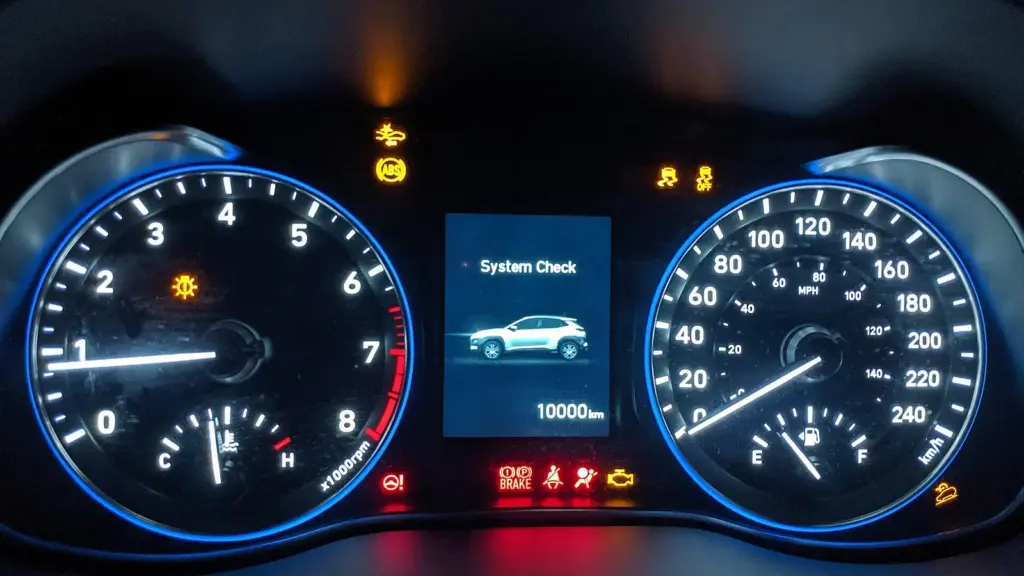
Every kilometre over your allowance shows up on the bill at turn-in.
- Wear and tearAt turn-inLeases expect normal wear, but curbed wheels, big dents, stained seats and bald tires get billed. Get a pre-inspection a few months before the lease ends so you can fix small stuff yourself for less. Worn brake pads and rotors and tires are common charges.
- Early terminationIf life changesThe FTC warns of a “substantial early termination charge,” and the CFPB calls these fees very expensive. If there’s a real chance you’ll move overseas, lose your job or need a bigger car mid-lease, a lease is risky.
- Gap coverageIf the car is totaledIf a leased car is stolen or written off, insurance pays its market value, which can be less than you owe. Some leases include gap coverage. Ask, and get it in writing before you buy it separately.
- Buyout priceAt the endMost leases let you buy the car for the residual value. If the car is worth more than that, buying it out can be a great deal. If it’s worth less, just hand it back.
Leasing an EV in 2026
Leasing was the go-to way to get an EV in the US for a couple of years, because the commercial clean vehicle credit let leasing companies pass savings of up to $7,500 on to drivers. That’s over: the IRS says the new, used and commercial clean vehicle credits aren’t available for vehicles acquired after September 30, 2025. Leasing can still make sense for an electric car, since battery tech is moving fast and handing it back shields you from resale risk.
Canada went the other way. Transport Canada’s Electric Vehicle Affordability Program covers vehicles bought or leased on or after February 16, 2026: up to $5,000 for a battery-electric car and $2,500 for a plug-in hybrid in 2026, shrinking in later years. Leases need to run at least 12 months, and only leases of 48 months or more get the full amount. Imported models are capped at a $50,000 transaction value. Quebec’s Roulez vert program adds up to $2,000 for a new EV in 2026.
05 · Paying cash
Paying Cash: Cheapest on Paper, Not Always Smartest
Paying cash is the cleanest deal there is. No interest, no credit check, no monthly payment and no lender with a claim on your car. You can drive as far as you like, modify it, sell it whenever you want, and you’ll never be underwater. For anyone who hates debt, that peace of mind is worth a lot.
The downside is opportunity cost. That $40,000 could be sitting in savings earning interest, or paying down a credit card charging 20% or more. And draining your emergency fund to buy a car is a classic mistake: if the transmission or your job goes a few months later, you’ve got nothing to fall back on.
Paid for in full: no payments and no one to answer to.
Pay cash if… you can do it and still keep a healthy emergency fund, you plan to keep the car for years, and the best loan rate you can get is higher than what your savings earn.
Finance even with cash in the bank if… the automaker is offering a promotional rate like 0% or 1.9% that’s lower than your savings rate. Take the cheap loan, keep your cash working and pay the loan off early if you want (check there’s no prepayment penalty first).
There’s a middle ground, too: a big down payment. Putting 20% or more down shrinks the loan, cuts the interest and keeps you from going underwater the moment you drive off the lot. If you’re buying used, cash or a short loan makes even more sense, since used-car rates are higher and the car has already taken its biggest depreciation hit. Just give it a proper going-over with our used car inspection checklist first.
06 · Who wins
Lease, Finance or Cash: Which One Is Right for You?
Forget the forum fights. The right choice comes down to how long you keep cars, how far you drive and how much cash you can spare. Find yourself below:
- LeaseBest for the new-car fanYou like a new car every three years, drive under about 19,300 km (12,000 miles) a year, keep things tidy and want the newest safety tech and a warranty that covers the whole time you have the car. Also handy for fast-changing tech like EVs.
- FinanceBest for most peopleYou want to own the car and keep it six years or more, but you don’t have the full price in savings. Aim for a term of 60 months or less and at least 10% to 20% down so you’re not underwater for years.
- CashBest for the long-haul ownerYou’ve got the money with savings to spare, you hate debt and you plan to drive the car until the wheels fall off. It’s the cheapest way to own a car over the long run.
- Buy usedBest for the tightest budgetLet someone else eat the first few years of depreciation. A reliable three- to five-year-old car, bought with cash or a short loan, is often the best value of all.
Notes for Canadian buyers
- Rates are rising again. The Bank of Canada raised its policy rate to 2.50% on October 28, 2026, its first hike since 2023, and big banks moved prime to 4.70%. Ratehub listed major-bank car loans starting from 7.20% in October 2026.
- Long loans are the norm. J.D. Power Canada found that 57% of new-vehicle loans in early 2025 ran 84 months or longer, and some lenders now go to 96 months. The FCAC treats anything 72 months or longer as a long-term loan and warns about negative equity.
- Tax works differently on a lease. GST/HST (and PST or QST where it applies) is charged on each lease payment, and in Quebec also on the buyout if you keep the car.
- Ontario’s all-in pricing rule means an advertised price, to buy or lease, has to include every fee the dealer plans to charge except HST and licensing. If a dealer tacks on extra fees, OMVIC wants to hear about it.
- Run your own numbers with the FCAC-linked vehicle lease or loan calculator from Innovation, Science and Economic Development Canada.
Our take: finance a car you’ll love for a long time, keep the loan to five years or less, and drive it long after it’s paid off. Lease only if you really do want a new car every few years and know your mileage. Pay cash if you can do it without touching your safety net. And whichever you pick, negotiate the price first.
Still deciding which car to put all this money into? Our car buying guide covers the best picks by type and budget, and our gas vs. hybrid vs. electric comparison helps you pick a powertrain that fits how you drive.
Frequently Asked Questions
Is it better to lease or finance a car?
Financing is usually cheaper if you keep the car longer than the loan, because the payments eventually stop. Leasing can make sense if you want a new car every few years, drive a predictable distance and want lower monthly payments. Over a single three-year stretch, the two often cost about the same.
Is it smart to pay cash for a car?
It’s the cheapest way to own a car if you can do it without draining your emergency fund. If the automaker is offering a promotional rate lower than what your savings earn, financing and keeping your cash invested can come out ahead.
What is a good APR for a car loan in 2026?
Edmunds put the average new-car APR at 7.0% in Q3 2026, and Experian found buyers with top-tier credit averaged about 4.4% on new cars in Q2. Anything below the average for your credit tier is a good rate, and promotional rates from automakers can go lower still.
What happens if I go over the mileage on a lease?
You pay a per-mile or per-km charge when you turn the car in, typically 12 to 30 cents a mile in the US (about 7 to 19 cents per km). If you buy the car at the end of the lease, the excess-mileage charge usually doesn’t apply.
How long should a car loan be?
Try to keep it at 60 months or less. Longer loans lower the payment but add thousands in interest and keep you owing more than the car is worth for longer. In our $35,000 example at 7.0%, an 84-month loan costs about $2,800 more in interest than a 60-month one.
Can I end a car lease early?
Yes, but it’s usually expensive. Early termination charges can add up to thousands of dollars. Cheaper options can include a lease transfer (where your contract allows it) or buying the car out and selling it, especially if it’s worth more than the buyout price.
Ready to Shop Smarter?
Once you know how you’ll pay, pick the right car and check it over before you sign.
Sources
- AP via KPRC: new car payments hit a record $787 a month (Edmunds Q3 2026)
- CarPro: car loans just keep getting longer (Edmunds Q3 2026)
- Edmunds: Q3 2026 negative equity report
- Experian: average car loan interest rates by credit score
- Experian: how much does it cost to lease a car?
- Cox Automotive / Kelley Blue Book: September 2026 average transaction prices
- Cox Automotive: Q3 2026 sales forecast update
- Kelley Blue Book: car leasing guide
- Bankrate: what is a car lease?
- Bankrate: sales tax on leased cars
- FTC: financing or leasing a car
- CFPB: leasing versus buying a car
- CFPB: shopping for an auto loan
- IRS: new tax deductions including car loan interest
- IRS: clean vehicle tax credits
- FCAC: car financing options
- FCAC: risks of car loans and negative equity
- Canada Revenue Agency: GST/HST on motor vehicles
- Revenu Québec: GST and QST on vehicle leases
- TD Economics: Bank of Canada rate announcement, October 2026
- TD: prime rate
- Ratehub: best car loans in Canada
- Canadian Auto Dealer: J.D. Power Canada market metrics, February 2025
- Transport Canada: Electric Vehicle Affordability Program
- Québec: Roulez vert assistance amounts
- Office de la protection du consommateur: kilometre allowance on leases
- OMVIC: all-in price advertising
Photo credits
- Header image: Peter McDermott , CC BY-SA 2.0, cropped and resized.
- Rows of new and used cars on…: Harrison Keely, CC BY 4.0, cropped and resized.
- The window sticker on a new Kia…: Corqe, CC0, cropped and resized.
- A Hyundai Kona instrument cluster with the…: Sikander Iqbal, CC BY-SA 4.0, cropped and resized.
- A car key with a red keychain…: MediaPhoto.Org, CC BY 3.0, cropped and resized.