
 Written by
Lada cars
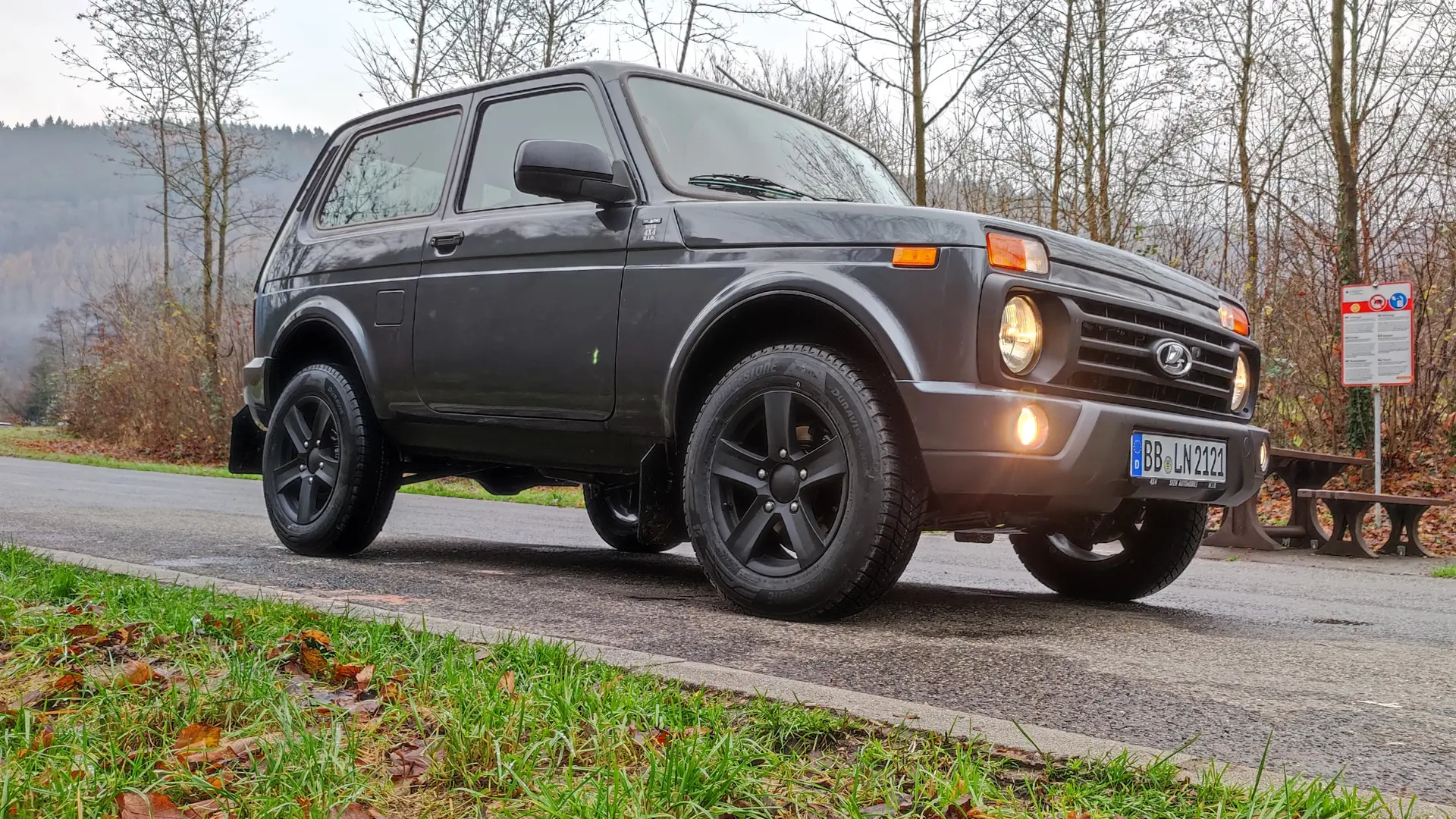
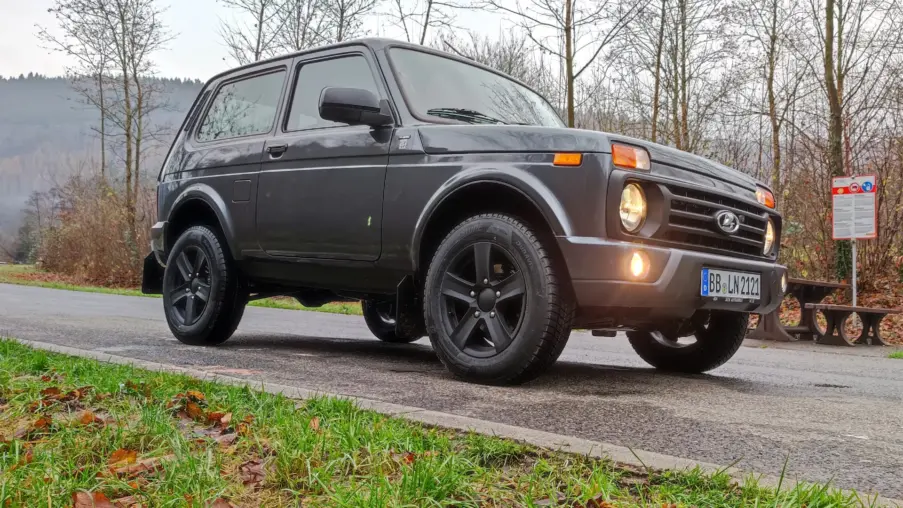
Lada cars come from AvtoVAZ, the Russian carmaker in Tolyatti that started out building a tougher Fiat 124 in 1970. In this guide you’ll find the 2026 lineup, from the Granta to the new Azimut, as well as the history of the Niva, the Renault years and who owns Lada today.
Lada cars at a Glance
Founded 1966 As AvtoVAZ, with Fiat’s help
Headquarters Tolyatti, Russia Main plant on the Volga
Owner Russian state Through NAMI and Rostec, since 2022
Sales, 2025 351,390 In Russia, a 25% market share
Leadership Maxim Sokolov President and CEO
Cars built 30 million+ Milestone reached in 2020
Lada cars Model Lineup
Lada cars are simple, affordable and built for rough roads, so the 2026 lineup is short and practical. It splits into small sedans and wagons, the Niva off-roaders and the new Azimut crossover. In addition, Lada sells the Largus wagon with gas or electric power.
Sedans and hatchbacks (3)
Small sedan, liftback and wagon
Granta
Gas Best-seller
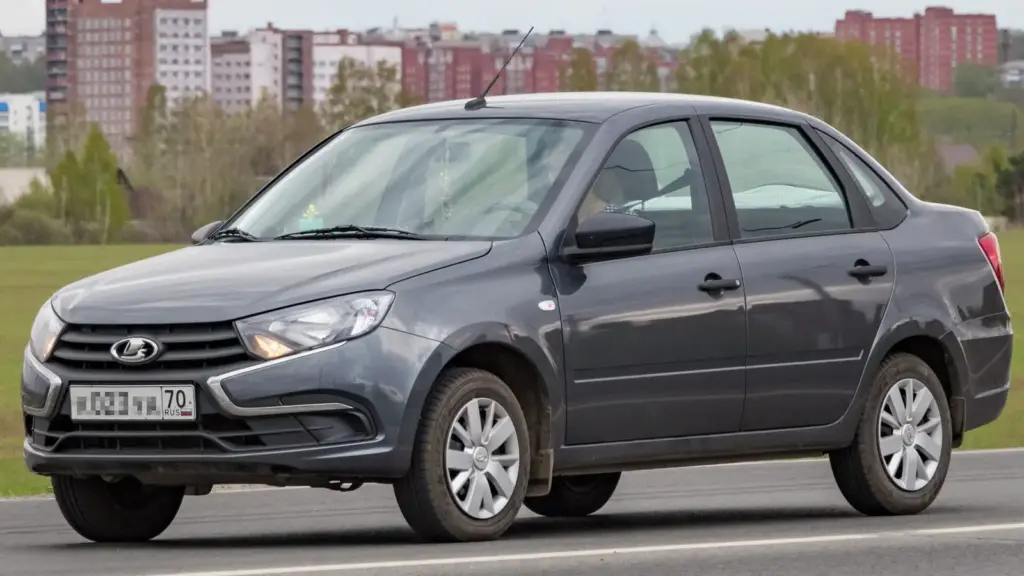
The Granta has been on sale since December 2011, and it’s still the backbone of the brand. In fact, Lada sold 144,350 Grantas in Russia in 2025, as well as 4,636 commercial versions. You can get it as a sedan, liftback, wagon or raised Cross.

Compact sedan and wagon
Vesta
Gas Built in Izhevsk
The Vesta went into production at Izhevsk in September 2015, and the updated Vesta NG followed in 2023. You get a 1.6-liter (106 hp) or 1.8-liter (122 hp) engine, while the SW Cross wagon adds extra ground clearance. As a result, Lada sold 75,099 Vestas in 2025.
Small sedan
Iskra
Gas New for 2025
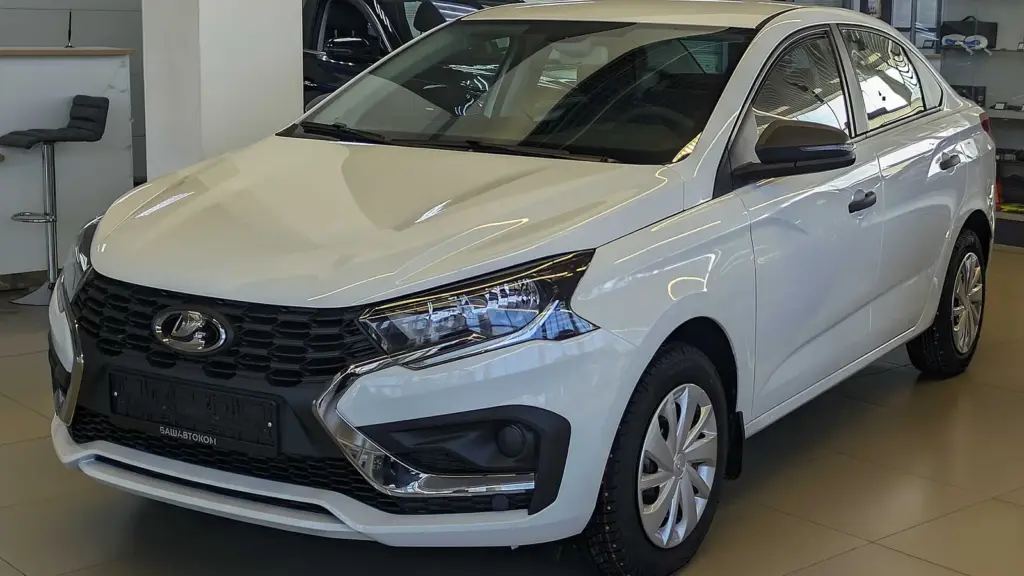
The Iskra went on sale on July 20, 2025, so it’s the newest small Lada. It rides on a localized version of the Renault CMF-B platform, and it uses a 1.6-liter engine with a manual or a CVT.
Off-roaders and crossovers (3)
Off-roader
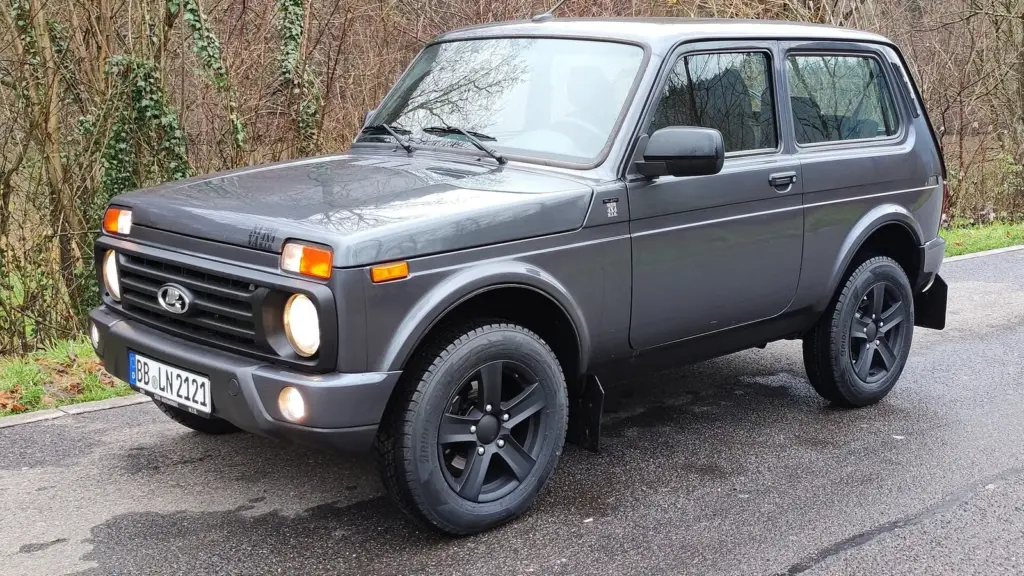
Niva Legend
Gas Built since 1977
The Niva Legend is the original Niva, built in Tolyatti since April 1977 and renamed in 2021. It’s crude by modern standards, but it’s still a real 4×4 that goes almost anywhere. As a result, Lada still sold 33,968 of them in 2025.
Compact SUV
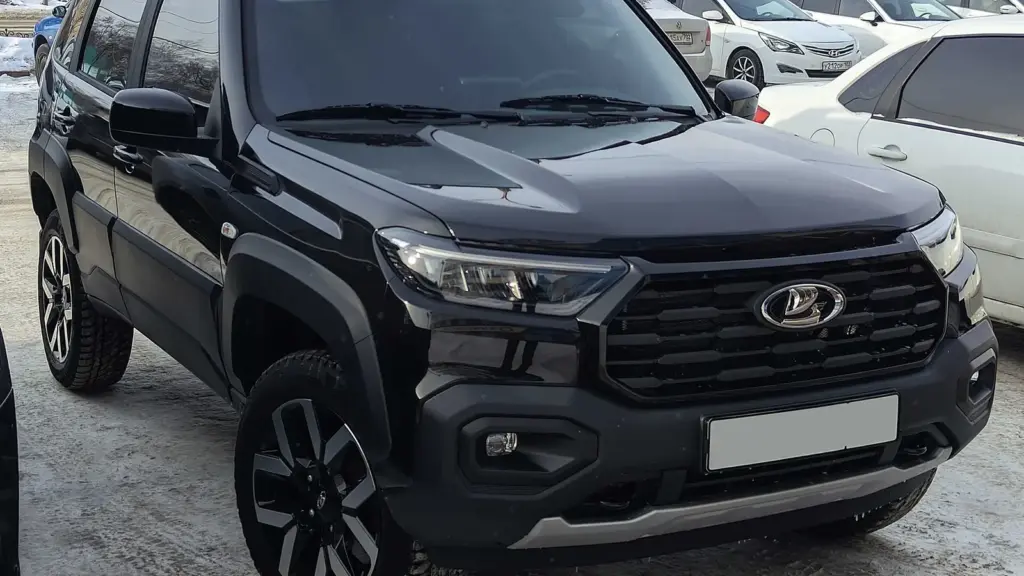
Niva Travel
Gas Ex-Chevrolet Niva
The Niva Travel started life as the Chevrolet Niva, built by a joint venture with GM. When AvtoVAZ bought out GM, the car became the Lada Niva Travel in December 2020. It sold 35,608 in 2025, slightly more than the Legend.
Compact crossover
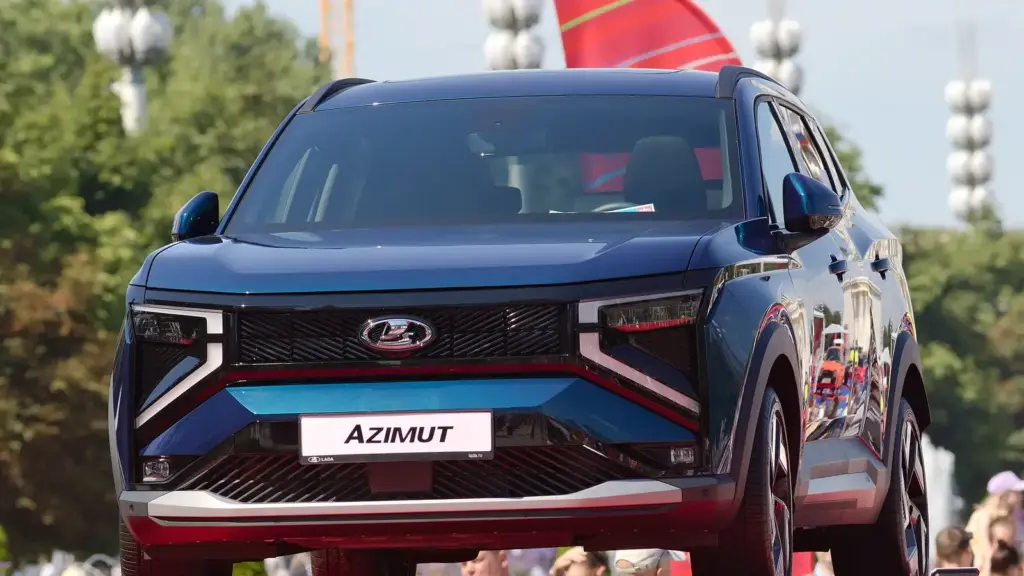
Azimut
Gas Production from 2026
The Azimut was unveiled in the summer of 2025, and production started in Tolyatti on September 25, 2026. It’s the first modern crossover Lada has built since the XRAY, and it uses a 1.6-liter or 1.8-liter engine with a manual or a CVT.
Wagons and EV (1)
Seven-seat wagon and van
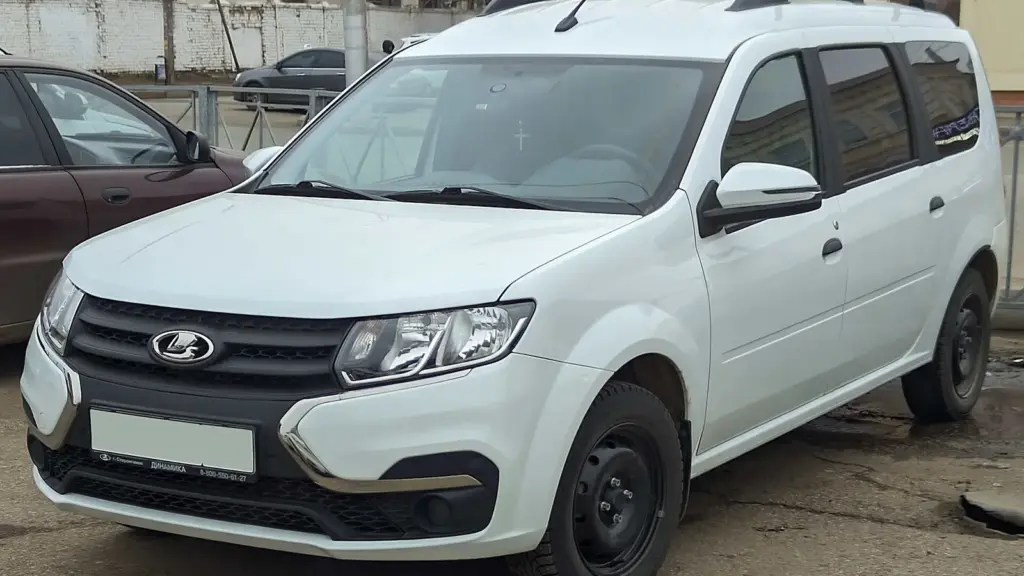
Largus
Gas Electric e-Largus
In general, the Largus is a Renault-era design, and it first arrived in 2012 with a 1.6-liter Renault engine. Then series production restarted at Izhevsk in May 2024, and Lada sold 35,925 in 2025. It’s a roomy, no-frills family wagon, and the electric e-Largus uses a 110 kW motor. However, the EV is still a niche model, since most Lada buyers want cheap gas cars.
What Is Lada?
Lada cars are built by AvtoVAZ, which the Soviet government founded in 1966 with Fiat as its partner. The deal with Fiat was signed in Moscow on August 15, 1966, and the first VAZ-2101 Zhiguli left the line in Tolyatti on April 22, 1970.
The Lada name first appeared in 1973, at first for export cars. Later, in 2004, AvtoVAZ put all of its cars in Russia under the Lada brand as well.
Then Renault bought into AvtoVAZ in 2008 and took control by 2016. However, Renault sold its stake to the state institute NAMI in May 2022. Today Lada is Russia’s best-selling brand, with 351,390 sales and a 25% share in 2025.
Lada cars History
Lada cars have gone from a Soviet copy of a Fiat to Russia’s top-selling brand, so the timeline below shows the key steps.
- 1966 AvtoVAZ is founded, and the Fiat agreement is signed in Moscow.
- 1970 The first VAZ-2101, based on the Fiat 124, is built in Tolyatti.
- 1973 The Lada brand appears, and the millionth 2101 is built in December.
- 1977 The Niva arrives as the first car AvtoVAZ designed entirely on its own.
- 1984 Then the Samara arrives as the first front-wheel-drive Lada.
- 1993 After that, AvtoVAZ becomes a joint-stock company and lists its shares.
- 1995 The 110 series launches, while Lada pulls out of most of Western Europe by 1997.
- 2001 GM and AvtoVAZ form a joint venture to build the Chevrolet Niva.
- 2008 Renault buys 25% of AvtoVAZ for about $1 billion.
- 2015 The Vesta launches, and after that the XRAY goes on sale in 2016.
- 2020 Later, the 30 millionth car, a Granta sedan, is built in September.
- 2022 However, Renault sells its stake to NAMI in May.
- 2024 The Largus returns, as well as the electric e-Largus.
- 2025 The Iskra goes on sale in July.
- 2026 Finally, Azimut production starts in Tolyatti in September.
Iconic Lada Models
Lada cars have shaped how millions of people drive, and these six models matter most to the story.
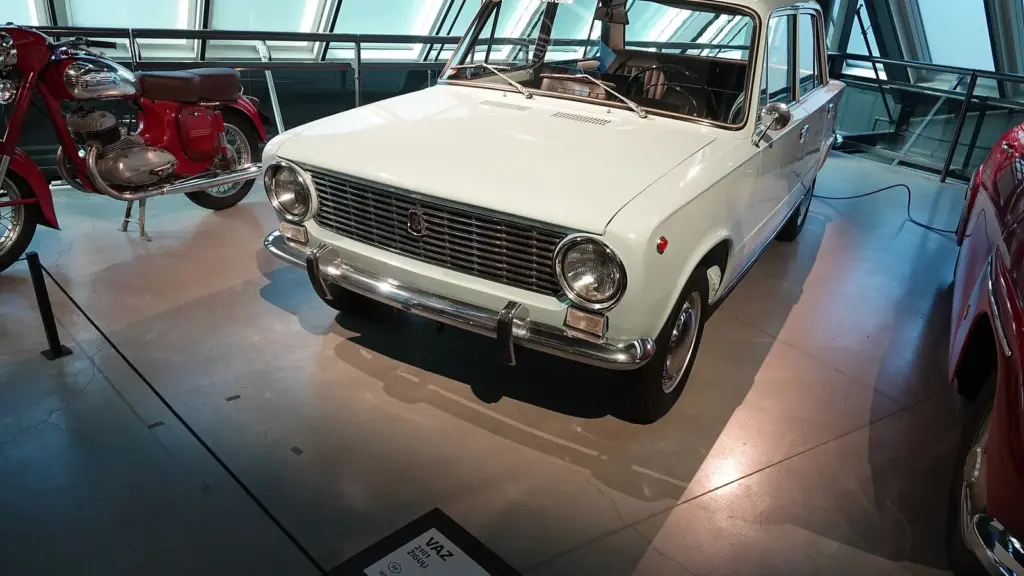
1970
VAZ-2101 Zhiguli
Fiat 124 basis The first Lada
The 2101 was a tougher, modified Fiat 124, because it had to cope with Soviet roads. In fact, about 14 million cars from this Fiat-based family were built over 41 years.
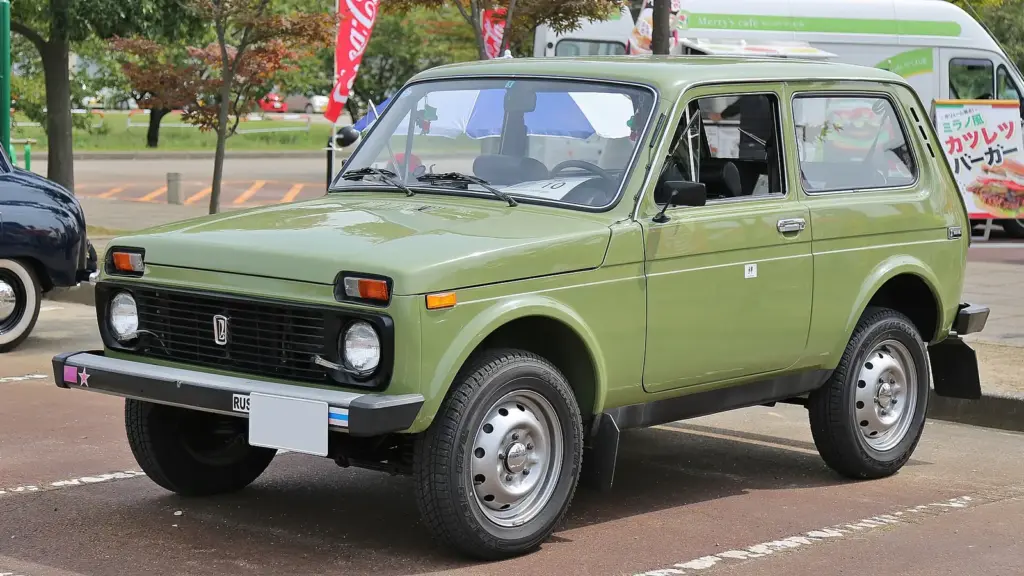
1977
Niva (2121)
4×4 Still built
The Niva was the first car AvtoVAZ designed on its own, and it’s been in production since 1977. In addition, a Niva finished third overall in cars at the 1981 Paris-Dakar Rally.
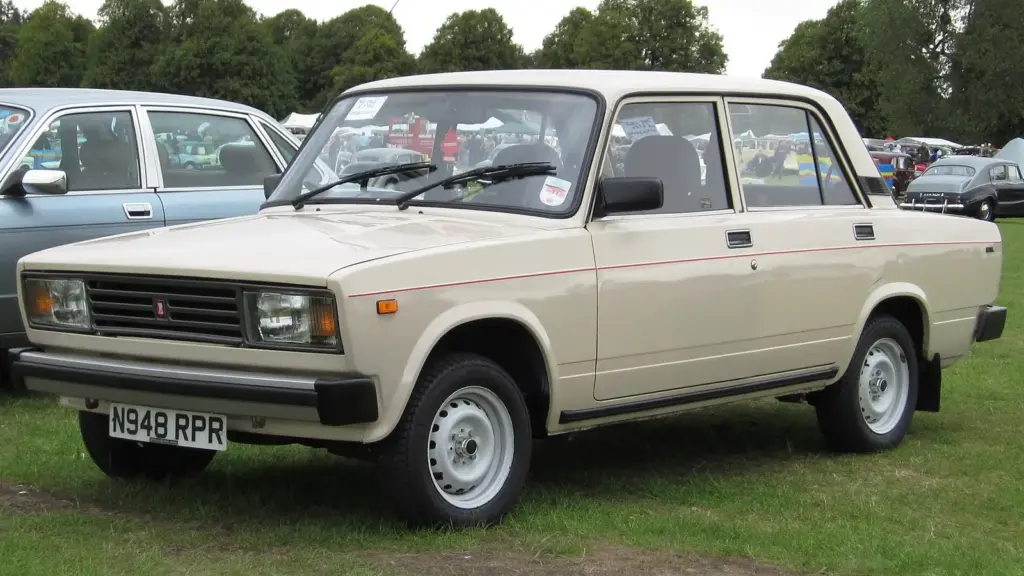
1982
2107 (Riva)
Rear-wheel drive Built until 2012
The boxy 2107 was the last of the classic rear-drive sedans. It was built in Russia from 1982 to 2012, while assembly in Egypt went on until 2015.
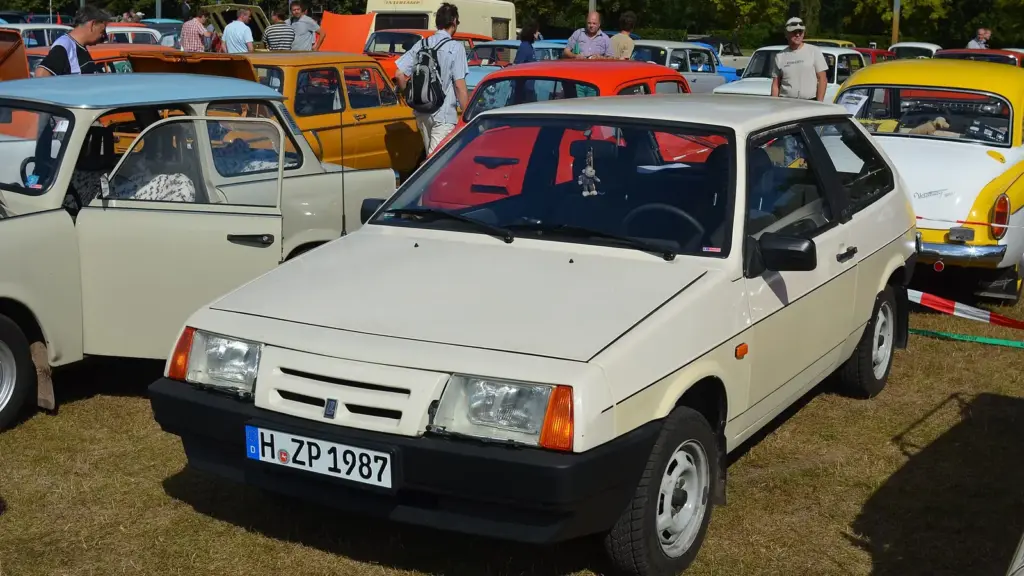
1984
Samara (2108)
Front-wheel drive Built until 2013
The Samara was the first front-wheel-drive Lada, so it marked a big break from the Fiat-based cars. In fact, it stayed in production from 1984 to 2013.
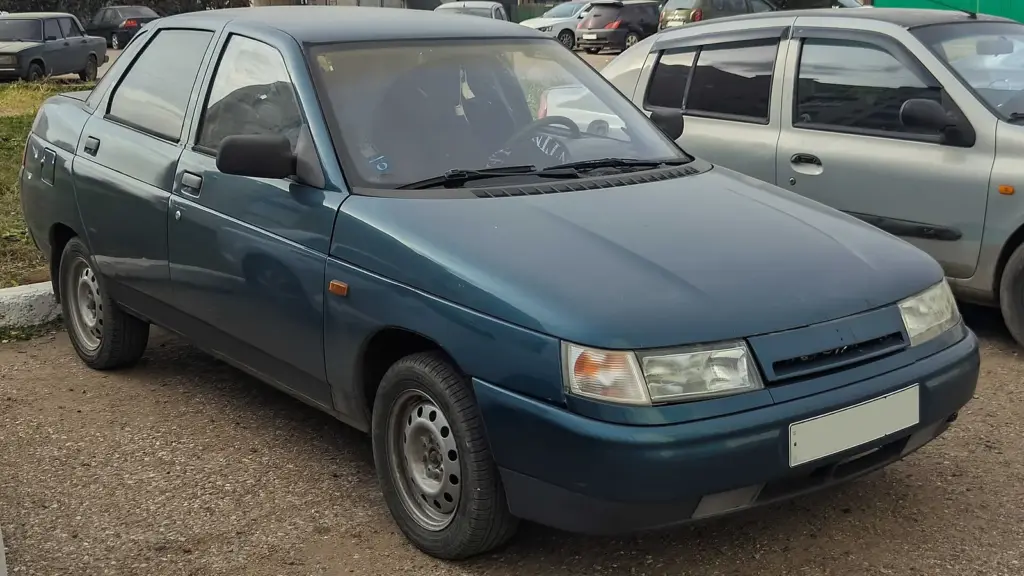
1995
110
Sedan $2 billion program
The 110 arrived in 1995 as a more modern family sedan. Its development cost was estimated at $2 billion, which was huge for AvtoVAZ at the time.
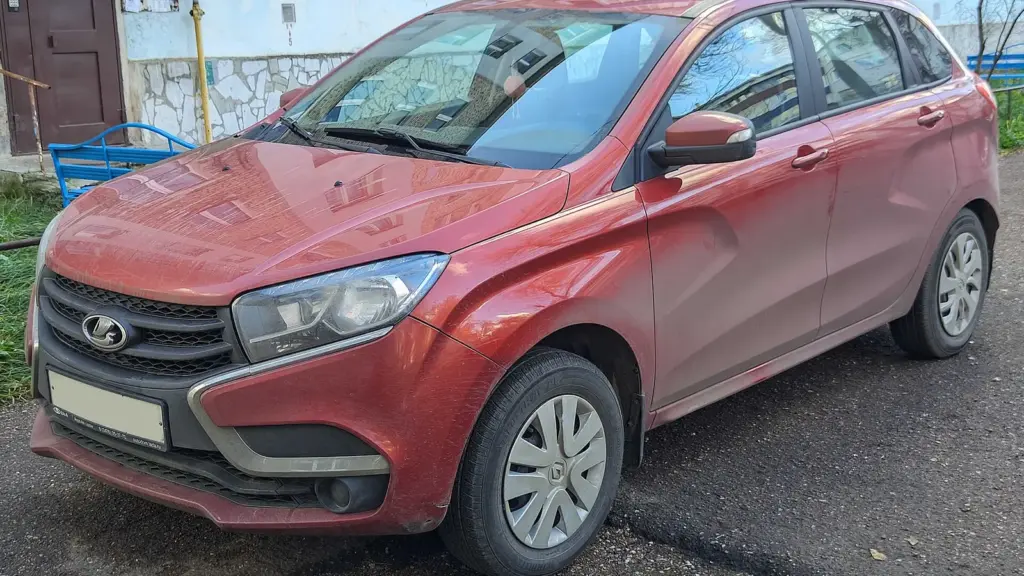
2016
XRAY
Crossover-style hatch Renault era
The XRAY went on sale on February 14, 2016, and it was the first compact crossover in Lada history. It came from the Renault years, when Lada styling changed a lot.
Who Owns Lada cars?
Lada cars are made by AvtoVAZ, which is owned by Lada Auto Holding. That holding company is in turn held by the state institute NAMI and the state corporation Rostec. When AutoGathering has a page for a brand, its name below links to that page.
Parent company Lada Auto Holding Held by NAMI and Rostec
This page AvtoVAZ (Lada) Tolyatti, Russia
Plant Lada Izhevsk Builds the Vesta and Largus
Plant Lada Saint Petersburg Former Nissan plant, since 2023
Subsidiary Lada Sport Racing and sport versions
Subsidiary Lada-Service Service network
Former partners
AvtoVAZ has worked with these brands, or was owned by them, in the past.
For example, Renault kept an option to buy back its stake for six years after it left in 2022.
Earlier history
- Fiat (1966) Fiat was the founding partner, and the first Lada was based on the Fiat 124.
- GM-AvtoVAZ (2001–2019) This joint venture built the Chevrolet Niva until AvtoVAZ bought out GM in 2019.
- Renault and Nissan (2008–2022) Renault bought 25% in 2008 and later took control, while Nissan sold its share to Renault in 2017.
- Moscow Exchange (1993–2018) AvtoVAZ shares were listed until the company was delisted after a 2018 buyout.
Lada cars Accomplishments
The record of Lada cars is about huge volume and long-lived designs rather than speed.
30 million
Total cars
AvtoVAZ built its 30 millionth car, a Granta sedan, on September 24, 2020.
No. 1
Russia, 2025
Lada was Russia’s best-selling brand in 2025, with 351,390 sales and a 25% share.
49 years
Niva production
The Niva has been in production since April 1977, so it’s one of the longest-running cars in the world.
14 million
Classic family
About 14 million cars based on the Fiat 124 were built over 41 years.
750,000
Cars a year by 1975
The Tolyatti plant reached about 750,000 cars a year by 1975, only five years after production began.
144,350
Granta, 2025
Above all, the Granta was again the best-selling Lada in 2025, with 144,350 cars sold in Russia.
3rd overall
1981 Paris-Dakar
Similarly, a Lada Niva finished third overall in the car category at the 1981 Paris-Dakar Rally.
First win
WTCC, 2014
Finally, Rob Huff won in Beijing in 2014, which gave Lada its first WTCC victory.
Lada Racing History
Lada cars raced in the World Touring Car Championship with the factory Lada Sport team, which took on the series from 2008 to 2009 and again from 2012 to 2016. The team raced at tracks such as the Hungaroring and Circuit Paul Ricard. Earlier, the Niva also made its mark in rally raids.
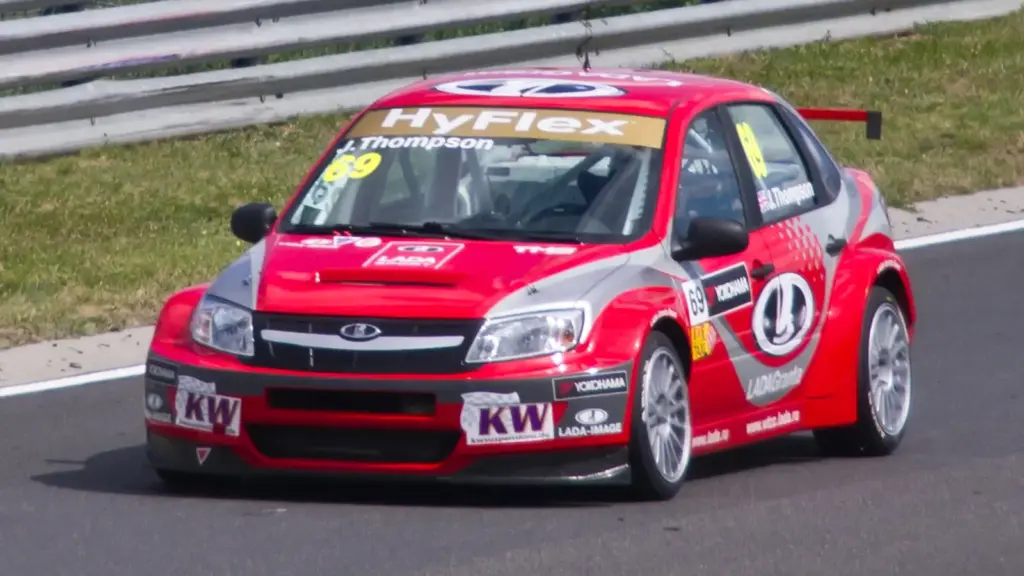
World Touring Car Championship
Granta in the WTCC
First win in 2014 Teams’ runner-up 2013
The Granta took Lada Sport back into the WTCC, and the team finished second in the 2013 teams’ standings and third in 2014. Then Rob Huff gave Lada its first WTCC win in Beijing in October 2014.
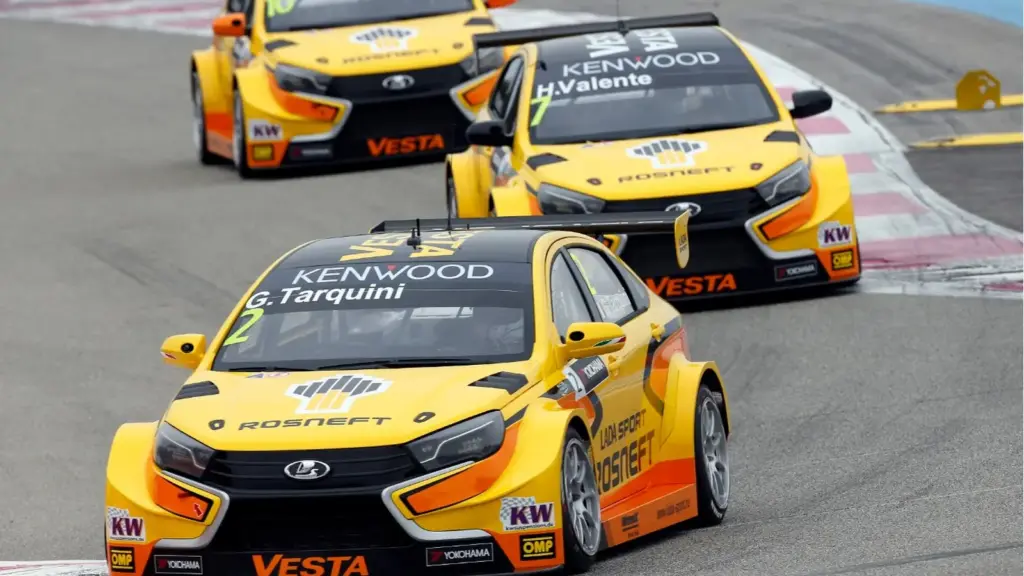
World Touring Car Championship
Vesta in the WTCC
1-2 in Moscow, 2016 Teams’ third, 2015-16
The Vesta replaced the Granta in 2015, and Lada Sport finished third in the teams’ standings in 2015 and 2016. Meanwhile, Gabriele Tarquini led a Lada 1-2 in Moscow in 2016, the first WTCC win for the Vesta.
Talk Lada With Other Owners
When you own a Lada, you’ll have plenty to share, whether it’s a Niva on a muddy trail or a Granta that just won’t quit. Soon, AutoGathering will connect this page to a Lada community space where you can swap repair tips, compare models and plan meetups.
- Niva Legend and Niva Travel
- Granta and Iskra
- Vesta and Vesta SW Cross
- Largus and e-Largus
- Azimut
- Classic Zhiguli and 2107
- Samara and 110
- Parts and repairs
Lada cars FAQ
Who owns Lada?
Lada is the brand of AvtoVAZ, which belongs to Lada Auto Holding. In turn, that company is held by two state bodies, the NAMI institute and Rostec.
Does Renault still own Lada?
No. Renault sold its controlling stake to NAMI in May 2022, although it kept a six-year option to buy it back.
Where are Lada cars made?
Most Lada cars are made in Tolyatti, Russia, while the Vesta, Largus and e-Largus come from Izhevsk. In addition, partners have assembled Ladas in Kazakhstan, Uzbekistan and Egypt.
Was the first Lada a Fiat?
Yes, more or less. The VAZ-2101 from 1970 was a modified, tougher Fiat 124 built under a deal with Fiat.
How long has the Lada Niva been made?
The Niva has been built since April 1977. Today it’s sold as the Niva Legend, while the Niva Travel is a different car that started as the Chevrolet Niva.
What is the best-selling Lada?
In general, the Granta is the best-selling Lada, with 144,350 cars sold in Russia in 2025.
Does Lada make an electric car?
Yes. The e-Largus is an electric version of the Largus wagon, and it’s built in Izhevsk.
Can you buy new Lada cars in Western Europe?
In general, no. Lada pulled out of most Western European markets by 1997, and today it mainly sells in Russia and nearby countries such as Belarus, Kazakhstan and Uzbekistan.
Explore More Manufacturers
Compare Lada cars with its former partners and other budget brands.
Photo credits
- Header image: DerSporti, CC BY-SA 4.0, cropped and resized.
- Gray Lada Granta sedan, 2018 facelift, in…: Ilya Plekhanov, CC BY-SA 4.0, cropped and resized.
- White 2024 Lada Vesta sedan, front view: Throwawayacc222, CC0, cropped and resized.
- Black Lada Niva Legend Urban, front three-quarter…: DerSporti, CC BY-SA 4.0, cropped and resized.
- Black 2025 Lada Niva Travel, front view: Throwawayacc222, CC0, cropped and resized.
- White 2024 Lada Largus wagon, front view: Throwawayacc222, CC0, cropped and resized.
- White Lada Iskra Comfort sedan, front view: Throwawayacc222, CC0, cropped and resized.
- Blue 2027 Lada Azimut crossover on display…: Retired electrician, CC0, cropped and resized.
- White 1974 VAZ-2101 Zhiguli at the Riga…: Nenea hartia, CC BY-SA 4.0, cropped and resized.
- Green 1987 Lada Niva 1600 at a…: TTTNIS, Public domain, cropped and resized.
- White Lada Samara hatchback at a classic…: Torsten Maue, CC BY 2.0, cropped and resized.
- Beige 1995 Lada 2107, sold as the…: Charles01, CC BY-SA 3.0, cropped and resized.
- Red 2017 Lada XRAY hatchback, front view: Throwawayacc222, CC0, cropped and resized.
- Lada Granta WTCC car driven by James…: Ariel.hartung, CC BY-SA 3.0, cropped and resized.
- Lada Sport Vesta WTCC cars racing at…: Dmitry Racer, CC BY-SA 4.0, cropped and resized.
- Blue 1998 Lada 110 sedan, front view: Throwawayacc222, CC0, cropped and resized.