

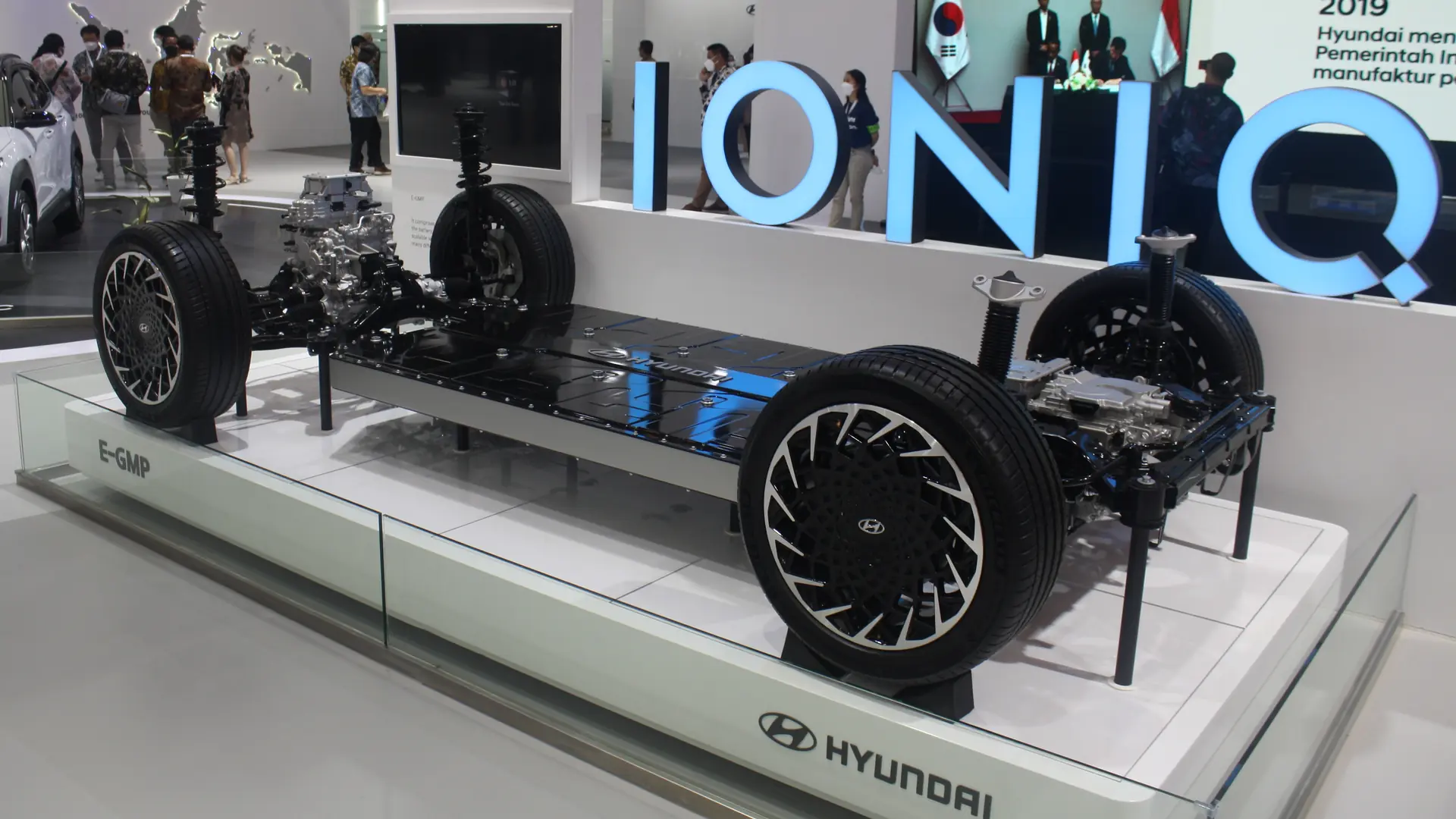
How an Electric Car Works: Motors, Batteries, Charging and What Needs Servicing
There’s no engine, no oil, no exhaust and barely a gearbox, yet an EV will beat most gas cars off the line. So what’s actually going on under that floor? Here’s the whole system in plain English, how charging really works, which plug you’ll use depending on where you live, and the surprisingly short list of things you’ll ever need to service.
Engines Explained · Part 3 of 4
Updated September 2026 · 12 min read
The Electric Car at a Glance
If you’ve read our gas and diesel guides, forget most of it. An EV swaps hundreds of moving parts for a battery, some serious electronics and a motor. Here’s what that means in numbers:
Energy reaching the wheels 77%+ Versus about 12–30% for gas cars
Gears 1 Most EVs use a single-speed gearbox
Maintenance costs ~50% less Than a gas car, per Consumer Reports
Battery capacity loss 2.3% a year Average across 22,700 EVs
Magnet motors 86% Share of EVs using them (2022)
System voltage 400 or 800 V 800 V cars charge faster
01 · The drivetrain
What Happens When You Press the Pedal
Here’s the short version. The battery stores energy as direct current (DC). The motor wants alternating current (AC). In between sits the inverter, a box of high-power electronics that chops the battery’s DC into precisely timed AC thousands of times a second. When you press the accelerator, you’re not opening a throttle; you’re asking the inverter for more current. The motor spins faster, a single-speed gear steps that down, and off you go.
That’s why EVs feel so quick. An electric motor makes its peak torque from a standstill, there’s no gear change to wait for, and the computer adjusts power in milliseconds. Even a family crossover can feel like a sports car up to 50 km/h.
It’s also why EVs are so efficient. According to the US Department of Energy, EVs turn over 77% of the energy from the grid into power at the wheels. A gas car manages about 12 to 30% of the energy in its fuel; the rest mostly becomes heat.
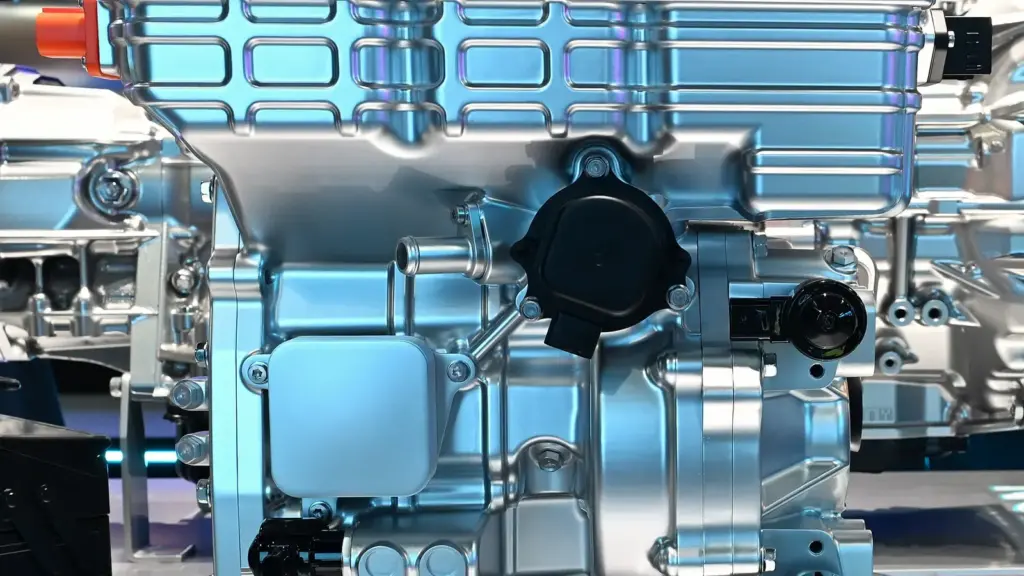
A modern drive unit packs the motor, inverter and reduction gear into one compact housing.
- 1. BatteryStores energy as DC, at around 400 or 800 volts depending on the car.
- 2. InverterTurns DC into three-phase AC and controls exactly how much power the motor gets.
- 3. MotorTurns that current into rotation, spinning at up to 15,000 to 20,000 rpm or more.
- 4. Reduction gearSlows the motor’s speed down to wheel speed and multiplies torque, through a differential to the wheels.
The main parts
Energy
Battery pack
Under the floor Low centre of gravity
Hundreds or thousands of cells in a flat pack under the cabin, which is also why EVs corner so flat. We cover the chemistry in Car Batteries Explained.
Brains
Battery management system
Watches every cell Sets your limits
Monitors each cell’s voltage and temperature, keeps them balanced, and decides how much power you can use or put back in. It’s why range and charging speed change with the weather.
Power electronics
Inverter
DC to AC Silicon carbide
The traffic cop between battery and motor. Newer inverters use silicon carbide chips, which waste less energy as heat, especially in 800-volt cars.
Muscle
Electric motor
One or more Instant torque
One motor for front- or rear-wheel drive, two or more for all-wheel drive. More on the three main types below.
Drivetrain
Reduction gear
Usually one speed Around 9 to 1
Most EVs have a single gear, typically around 8 or 9 to 1. The Porsche Taycan and Audi e-tron GT are rare exceptions, with a two-speed gearbox on the rear motor.
Comfort and life
Thermal management
Liquid cooling Heat pump
A coolant loop keeps the battery and motor in their comfort zone. Many newer EVs add a heat pump, which moves heat instead of making it, to warm the cabin on far less energy in winter.
02 · Electric motors
Three Kinds of Electric Motor
Every EV motor works the same basic way. Coils in the stationary outer part, the stator, create a rotating magnetic field, and the inner part, the rotor, chases it around. What changes from motor to motor is how the rotor gets its magnetism.
There’s no oil to change and almost nothing to wear out except the bearings. A healthy electric motor can easily outlast the rest of the car.
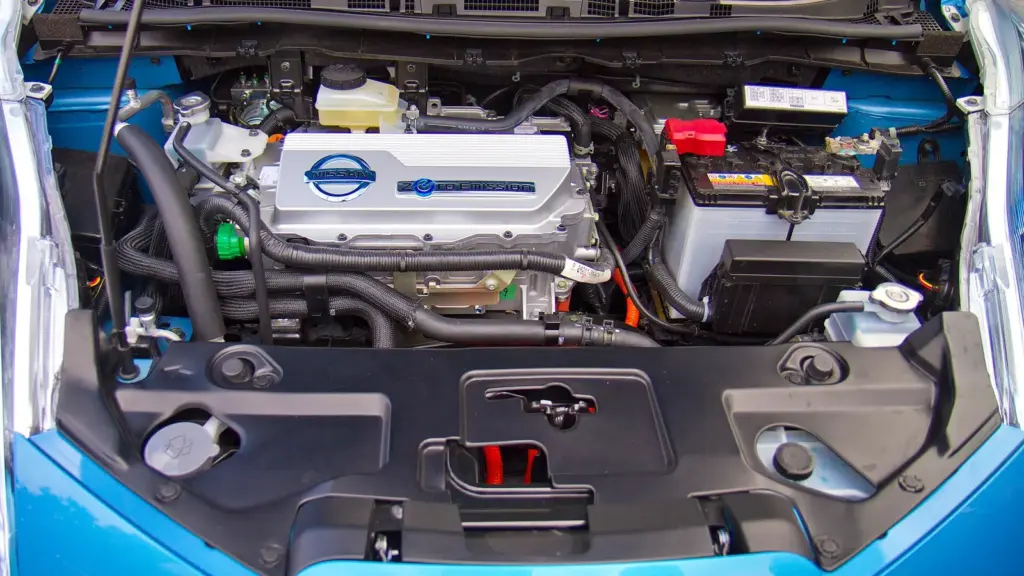
Under the hood of a Nissan Leaf. The orange cables carry high voltage and should only be touched by trained technicians.
- Permanent magnetMagnets built into the rotorThe most efficient and compact option, used in about 86% of EVs as of 2022. The catch: it relies on rare-earth metals like neodymium, most of which are mined and refined in China.
- InductionCurrent induced in a copper cageNo magnets at all. Cheaper and very tough, and it spins freely with almost no drag when it isn’t driving the car, which is why Tesla has paired one with a magnet motor in many dual-motor models.
- Wound rotorElectromagnets in the rotorUses current-fed copper coils instead of magnets, so no rare earths are needed. BMW and Renault use this design, and the magnetism can be tuned on the fly for efficiency.
Dual-motor all-wheel drive puts one motor on each axle, with no driveshaft connecting them. The computer can shift power front to rear in milliseconds, which is a big reason EVs feel so sure-footed on snow.
03 · Turning it on
No Starter, No Idle, No Warm-Up
There’s no starter motor because there’s nothing to start. When you press the power button, or in some cars just sit down with the key, the 12-volt system wakes the computers. They run safety checks, then close heavy-duty switches called contactors that connect the high-voltage battery. You might hear a soft clunk, ‘Ready’ appears on the dash, and that’s it: you’re on, silently.
Yes, an EV still has a 12-volt battery, and it’s one of the most common reasons an EV won’t turn on. It runs the locks, screens and computers. Instead of an alternator, a device called a DC-DC converter keeps it charged from the big battery.
- ReadyThe light that means you’re on
- 12 VSmall battery still on board
- DC-DCReplaces the alternator
- One pedalDriving with strong regen
Regenerative braking and one-pedal driving
When you lift off the accelerator, the motor turns into a generator. It slows the car and sends energy back into the battery. Turn regen up and you can drive mostly with one pedal: lift off to slow down, and only touch the brake pedal for sudden stops. In stop-and-go traffic, that recaptured energy is a big part of why EVs are at their most efficient in the city.
The bonus is that your brake pads barely get used, and they often last well past 100,000 km. The downside is that brakes that rarely get used can seize or rust, especially on salted Canadian roads, which is why caliper cleaning shows up in the maintenance chart below.
04 · Charging
How Charging Actually Works
Your home charger and most public Level 2 chargers supply AC power. The battery can only store DC, so a device inside the car, the onboard charger, converts it. That onboard charger is the bottleneck: most are rated around 7 to 11 kW, and a few go to 19.2 kW. Plug into a charger bigger than your car’s onboard charger and it won’t charge any faster.
DC fast chargers skip the onboard charger and feed DC straight into the battery, which is how they deliver 150 to 350 kW or more. The battery management system is always in charge, though. It takes high power when the battery is low and warm, then tapers as it fills. That’s why 10 to 80% is quick and 80 to 100% is slow.
Voltage matters too. Most EVs use a system of roughly 400 volts. Cars on 800-volt platforms, like Hyundai’s E-GMP models and the Porsche Taycan, can take more power with less heat, so they charge faster.
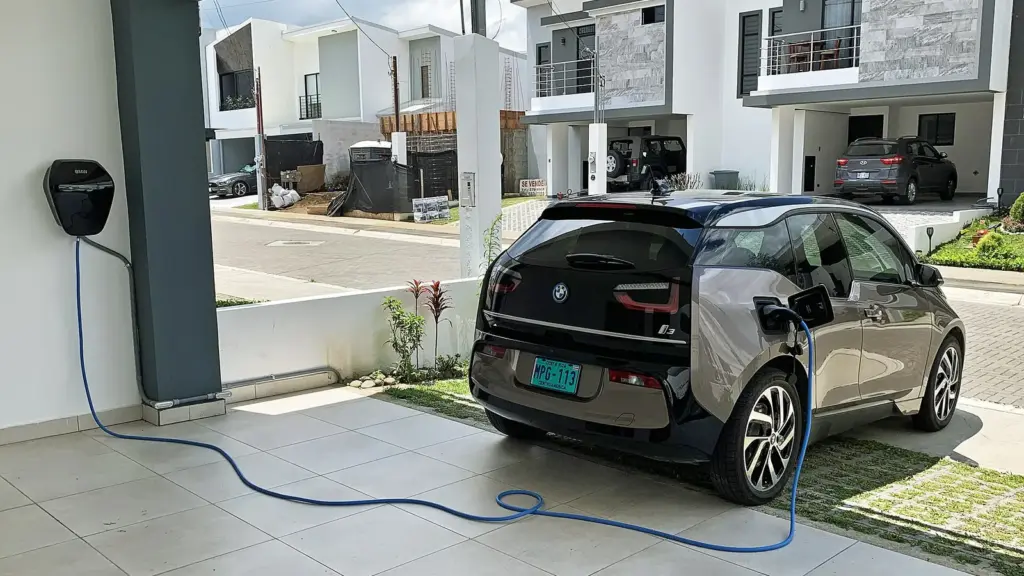
Most EV charging happens at home, overnight, on a Level 2 wallbox.
- Level 1Regular 120 V outletAdds roughly 5 to 8 km of range per hour. Slow, but fine if you drive little or can leave the car plugged in for a long time.
- Level 2240 V home or public chargerThe everyday sweet spot. Usually 30 to 50+ km of range per hour, so you wake up to a full battery.
- DC fastHighway fast chargersMany EVs go from 10 to 80% in 20 to 40 minutes. The quickest 800-volt cars can do it in under 20.
Use battery preconditioning. Many EVs warm the battery on the way to a fast charger when you set it as your navigation destination. Use it. A cold battery can charge at a fraction of its top speed, especially in a Canadian winter.
05 · Plugs around the world
Which Plug? It Depends Where You Live
Gas pumps are the same everywhere. EV plugs aren’t. Each region settled on its own standards, and North America is in the middle of switching. Here’s who uses what:
| Region | AC plug | DC fast plug |
|---|---|---|
| Canada and the US | J1772, now moving to NACS (J3400) | CCS1, now moving to NACS (J3400) |
| Europe | Type 2 | CCS2 |
| China | GB/T | GB/T |
| Japan | Type 1 (J1772) | CHAdeMO |
| Australia and New Zealand | Type 2 | CCS2 |
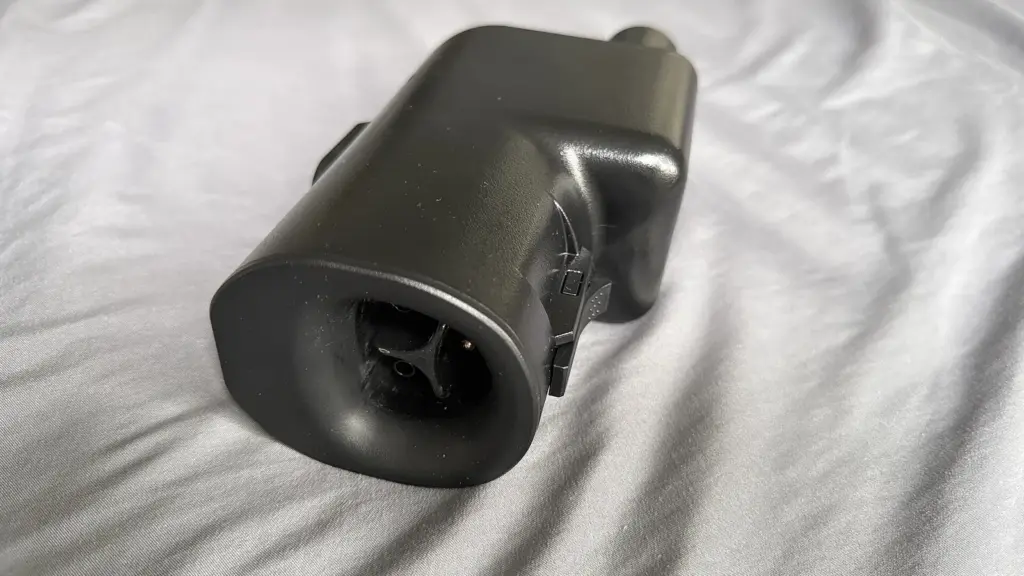
An adapter that lets a CCS1 car plug into a NACS charger, a common sight during North America’s switch.
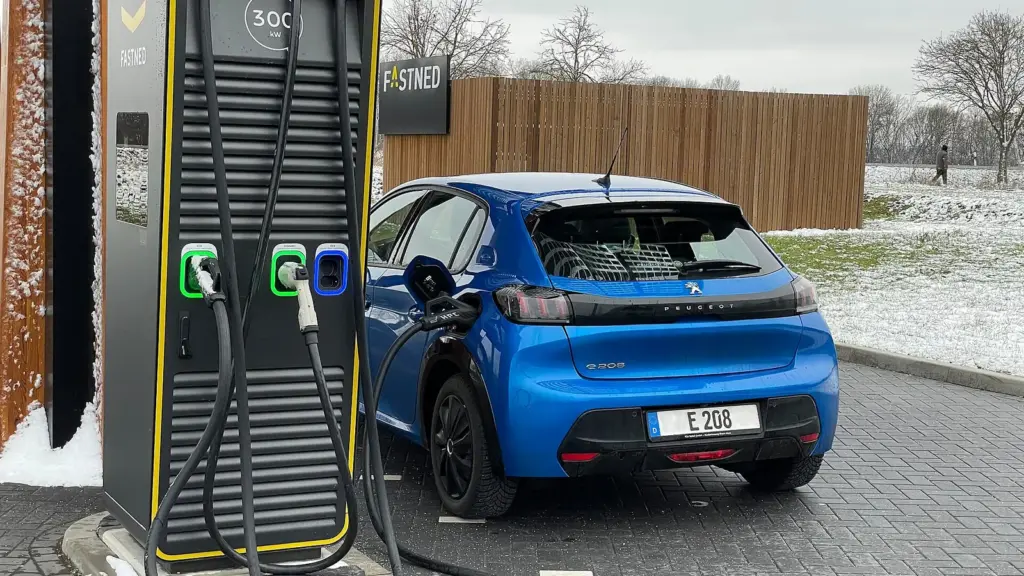
Fast charging with a CCS2 plug in Europe, where one standard covers almost every car.
Canada and the US
The great plug switch
NACS / J3400 CCS1 adapters
Tesla opened up its connector design in 2022, and it became the SAE J3400 standard. Almost every automaker has committed to J3400 ports, and many 2025 and 2026 models have already switched. Older CCS1 cars can use Tesla Superchargers with an adapter.
Europe
One plug for everyone
Type 2 CCS2
Europe standardized early on Type 2 for AC and CCS2 for DC fast charging, and EU rules require them at public chargers. Even Teslas sold in Europe use CCS2.
China
Its own standard
GB/T ChaoJi
China uses its own GB/T plugs for both AC and DC. A next-generation standard called ChaoJi has been developed together with Japan for much higher charging power.
Japan
Home of CHAdeMO
CHAdeMO First to fast-charge
Japan pioneered DC fast charging with CHAdeMO around 2010, used by the original Nissan Leaf. It’s fading in other markets but still common across Japan.
Buying used?
Check the port first
CHAdeMO Older CCS1
In North America, Nissan Leafs built before the 2026 model use CHAdeMO for fast charging, which is getting harder to find at new stations. Check which plug a used EV takes before you buy.
Good to know
Home charging is easy
Any Level 2 charger Adapters exist
At home, the plug matters less. Level 2 chargers come with J1772 or NACS cables, and simple adapters let almost any car use almost any home charger.
06 · Maintenance
What Needs Maintenance, and When
Here’s the good news: an EV has no oil, spark plugs, timing belt, fuel filter or exhaust to service. Consumer Reports found EV owners spend about half as much on maintenance as gas-car owners. But low maintenance isn’t no maintenance, and a few jobs matter more on an EV, especially tires and brakes. The chart shows typical service points over the first 200,000 km. Your owner’s manual is the final word.
Regular maintenance schedule
● Replace or service ○ Inspect
| Part | 20k | 40k | 60k | 80k | 100k | 120k | 140k | 160k | 180k | 200k |
|---|---|---|---|---|---|---|---|---|---|---|
| Tire rotationEvery 10,000–13,000 km (EVs are heavy) | ● | ● | ● | ● | ● | ● | ● | ● | ● | ● |
| Brake caliper clean and lubeYearly where roads are salted | ● | ● | ● | ● | ● | ● | ● | ● | ● | ● |
| Cabin air filterEvery 20,000–40,000 km or yearly | ○ | ● | ○ | ● | ○ | ● | ○ | ● | ○ | ● |
| Brake pads and rotorsInspect; pads often last past 100,000 km | ○ | ○ | ○ | ○ | ○ | ○ | ○ | ○ | ○ | ○ |
| Brake fluidEvery 2–3 years | ● | ● | ● | ● | ● | |||||
| Wheel alignmentCheck yearly or after a hard pothole | ○ | ○ | ○ | ○ | ○ | |||||
| 12-volt batteryEvery 3–6 years | ○ | ● | ○ | ● | ||||||
| Battery and motor coolantVaries: some at 160,000 km, some lifetime | ○ | ● | ||||||||
| Reduction gear oilSome models only; check your manual | ○ | ○ | ||||||||
| A/C and heat pumpInspect every few years | ○ | ○ | ||||||||
| High-voltage battery healthCheck at each service | ○ | ○ | ○ | ○ | ○ | ○ | ○ | ○ | ○ | ○ |
Parts that wear out as the kilometres add up
The list is shorter than for a gas or diesel car, but EVs are heavy and quick, and that shows up in tires and suspension.
| Part | Typical life | Warning signs |
|---|---|---|
| Tires | Often sooner than on a gas car | Low tread, uneven wear, more road noise |
| 12-volt battery | 3–6 years | Car won’t power on, or ‘Ready’ won’t appear |
| Brake rotors and calipers | Often rust before they wear out | Grinding, pulsing, uneven pad wear |
| Suspension bushings and shocks | 100,000–160,000 km | Clunks over bumps, bouncy ride, uneven tire wear |
| Wheel bearings | 150,000 km and up | Humming or growling that rises with speed |
| Motor and drive unit mounts | 150,000 km and up | Clunk when you accelerate or lift off |
| A/C compressor and heat pump | 150,000 km and up | Weak heat or cooling, lower winter range |
| Charge port and cable | Depends on use | Loose fit, charging stops, damaged pins |
| Onboard charger | Usually the life of the car | Won’t charge on AC, but DC fast charging works |
| High-voltage battery | Built to last the life of the car | Noticeably shorter range, slower fast charging |
Quick checks you can do every month
- Tire pressureCheck cold; EVs are heavy on tires
- Tread depthLook for uneven wear
- Charge portClean, dry and undamaged
- Washer fluidAnd wiper blades in winter
Frequently Asked Questions
Do electric cars need oil changes?
No, there’s no engine oil. Some models have a small amount of fluid in the reduction gearbox that’s changed rarely, if ever. Check your owner’s manual.
Why won’t my EV turn on when the big battery is charged?
Nine times out of ten, it’s the 12-volt battery. It wakes the computers that connect the main battery, so if it’s weak, the car stays dark. A jump pack or a new 12-volt battery usually fixes it.
Is it bad to fast charge all the time?
It adds a little extra wear. Geotab’s study of 22,700 EVs found average capacity loss of 2.3% a year, rising to about 3% for cars that used high-power fast chargers most often. Fast charge when you need to; charge at home when you can.
Should I charge to 100%?
It depends on the battery. Cars with LFP batteries are usually fine charging to 100% regularly. Most other EVs recommend around 80 to 90% for daily driving and 100% before a road trip.
Is it safe to drive an EV through a car wash or deep puddles?
Yes. The battery and high-voltage parts are sealed. Normal car washes, rain and snow are no problem; just treat deep flooding the same way you would in any car.
How do EVs handle Canadian winters?
Well, with some planning. Expect 20 to 40% less range in real cold. A heat pump helps, and so does warming the cabin while the car is still plugged in. There’s no engine to warm up, so the heat comes on right away.
Next in the Series
This is part 3 of our Engines Explained series. Coming next: hybrids and plug-in hybrids, where gas and electric work together. Catch up on the rest:
Sources
- US Department of Energy: all-electric vehicles
- Consumer Reports: EV owners spend half as much on maintenance
- Electric Autonomy: Geotab study finds EV batteries lose 2.3% a year
- IDTechEx: the EV market doubles down on permanent magnets
- Joint Office of Energy and Transportation: SAE J3400 connector
- North American Charging Standard
- Hyundai Electric Global Modular Platform (800 V)
Photo credits
- Header image: Andra Febrian, CC BY-SA 4.0, cropped and resized.
- Electric drive unit combining the motor, inverter…: TTTNIS, CC0, cropped and resized.
- Under the hood of an electric car,…: Tom Raftery, CC BY-SA 2.0, cropped and resized.
- Electric car charging at a Level 2…: Mariordo (Mario Roberto Durán Ortiz), CC BY-SA 4.0, cropped and resized.
- NACS to CCS1 charging adapter for electric…: 4300streetcar, CC BY 4.0, cropped and resized.
- Electric car charging with a CCS2 plug…: Tomás Freres, CC BY-SA 4.0, cropped and resized.