


Gasoline vs. Diesel vs. Hybrid vs. Plug-in Hybrid vs. Electric: Which One Is Right for You?
Five ways to power a car and no single right answer. Here’s how each one really works, what it costs to live with, and which one fits the way you drive.
Buyer’s Guide · Powertrains
Updated September 2026 · 10 min read
The Numbers That Matter
Gas vs diesel vs hybrid vs electric used to be a debate for car nerds. Now it’s the first decision you make at the dealership, before size, colour or trim. These are the numbers worth knowing before you walk in.
Hybrid city savings 30%+ Less fuel than a similar gas car
Diesel on the highway 20–30% Better economy than gas
Plug-in hybrid 40–80 km Electric driving per charge
New EV range 350–500 km Many go further
EV winter range −20–40% Expect less in real cold
EV home charging ~$3 Energy per 100 km
The question that matters most isn’t horsepower or price. It’s where the car sleeps at night. If you can plug in at home, electric and plug-in hybrid cars get a lot more attractive. If you park on the street or in a building with no charging, a regular hybrid is usually the smarter pick today.
Meet the Five
Each one has a sweet spot. Tap a card to jump straight to the full breakdown.
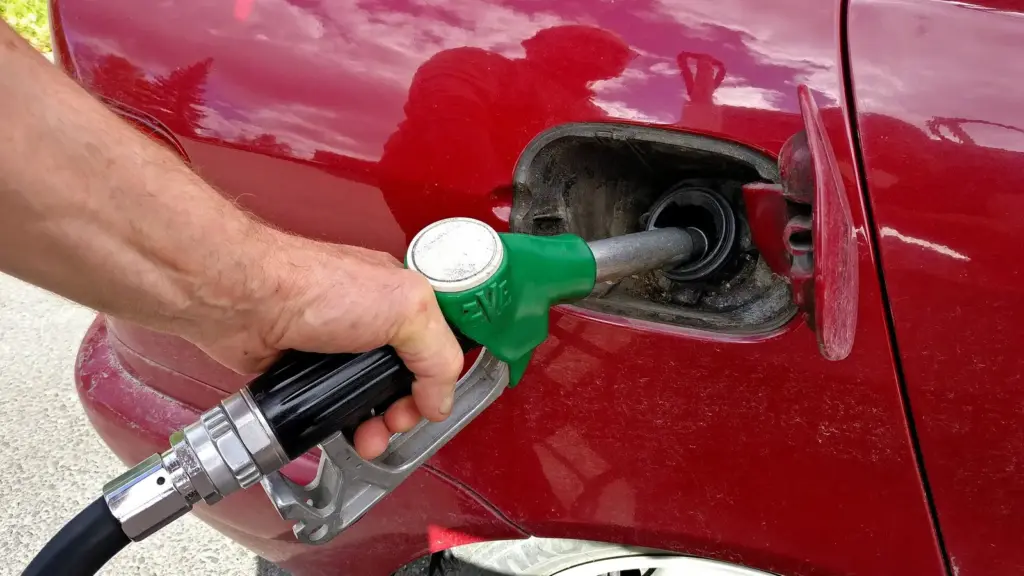
01 · Gasoline
The Familiar Default
~$15/100 km 5-min fill-up
Cheapest to buy, easy to fix, and a pump on every corner.

02 · Diesel
The Workhorse
Towing 800+ km range
Serious pulling power and strong highway mileage for trucks and trailers.

03 · Hybrid
The Easy Upgrade
No plug 30%+ less city fuel
Charges itself and sips fuel in traffic. Drive it like any other car.
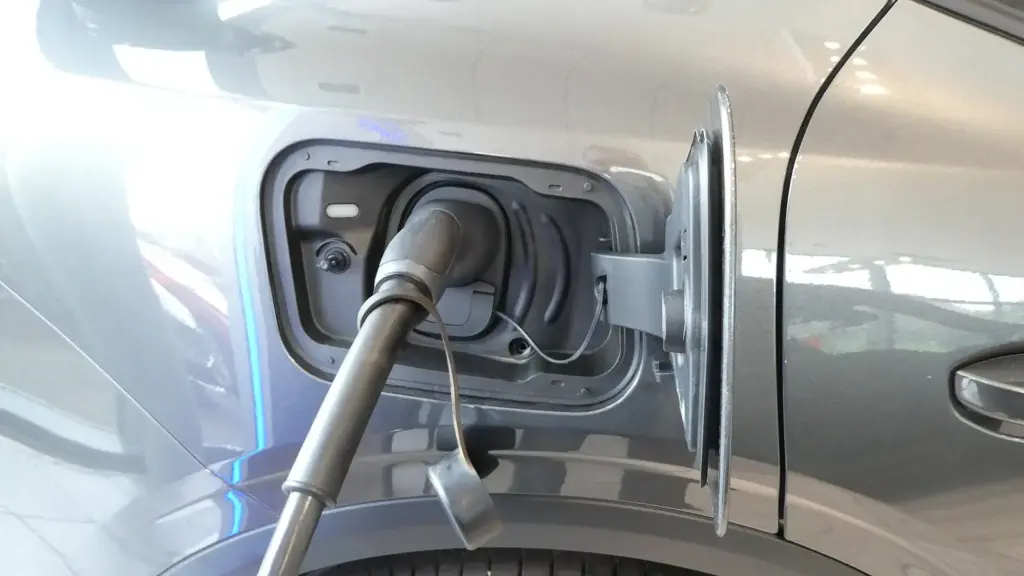
04 · Plug-in hybrid
The Best of Both
40–80 km electric Gas backup
Electric for the commute, gas for the long weekend. Only pays off if you plug in.

05 · Electric
The Future, Now
~$3/100 km Home charging
No oil, no exhaust, instant torque. Cheapest to run if you can charge at home.
01 of 05 · Gasoline
Gasoline: The Familiar Default
This is the car most of us learned to drive in. Fuel is squeezed inside the cylinders, a spark plug lights it, and thousands of tiny explosions a minute push the pistons that turn the wheels. It has been refined for well over a century, and that’s exactly why it’s so easy to live with.
A fill-up takes five minutes, there’s a gas station on nearly every corner, and any mechanic in any town can work on it. Gas cars usually have the lowest sticker price too, and the used market is enormous, so it’s easy to find a good one at almost any budget.
Don’t overthink it if you barely drive. At 8,000 km a year, the fuel you’d save with a pricier hybrid or EV takes a long time to pay back the difference. A well-kept gas car is often the most sensible buy, and there’s nothing wrong with that.
- $15Energy per 100 km
- 5 minFill-up
- 600+ kmTypical range
- Low kmBest at
Where it shines
- Lowest purchase price in most vehicle classes
- Refuel anywhere in a few minutes
- Huge choice of new and used models
- Any repair shop can service it
Where it falls short
- Highest fuel bill of the five
- Most routine upkeep: oil, plugs, exhaust
- Burns fuel while you sit in traffic
- Most tailpipe emissions
Best for: low-mileage drivers, tight budgets, and anyone who wants zero learning curve.
02 of 05 · Diesel
Diesel: The Workhorse
Diesel engines don’t use spark plugs at all. They squeeze air so hard it gets hot enough to light the fuel on its own. That high compression, plus the extra energy packed into every litre of diesel, gives you two big wins: huge low-speed pulling power (the spec sheets call it torque) and highway fuel economy that’s often 20 to 30 percent better than a comparable gas engine.
That’s why diesel still rules heavy-duty pickups, big vans and anything that tows. Hook a large travel trailer to a diesel truck and it barely seems to notice.
The trade-off is complexity. Most modern diesels need Diesel Exhaust Fluid (DEF) topped up every several thousand kilometres, and a particulate filter that needs regular highway runs to burn itself clean. A life of short, cold trips can clog it, and that repair isn’t cheap. Diesel passenger cars have mostly vanished from North American showrooms, so today you’ll find diesel mainly in trucks and work vans.
- $13Energy per 100 km
- 5 minFill-up
- 800+ kmTypical range
- TowingBest at
Where it shines
- Serious torque for towing and hauling
- Excellent highway fuel economy
- Long range between fill-ups
- Known to last when well maintained
Where it falls short
- Higher price, and diesel often costs more per litre
- DEF refills and emissions upkeep
- Hates a steady diet of short city trips
- Few choices outside trucks and vans
Best for: towing, hauling, and lots of long-distance or rural highway driving.
03 of 05 · Hybrid
Hybrid: Better Mileage, No New Habits
A regular hybrid (also called a full hybrid or HEV) pairs a gas engine with an electric motor and a small battery. You never plug it in. The battery charges itself from the engine and from braking: instead of wasting that energy as heat in the brake pads, the motor acts as a generator and stores it for later.
At low speeds it can creep along on electricity alone, and in stop-and-go traffic the engine shuts off whenever it isn’t needed. That’s where hybrids earn their keep, commonly using a third less fuel in the city than a similar gas car. They’ve also built a reputation for durability, which is why so many taxis are hybrids.
Read the badge carefully. A mild hybrid uses a much smaller electric system that mostly helps with starting and smoothing out the engine. It saves a little fuel, but nowhere near as much as a full hybrid.
- $9Energy per 100 km
- 5 minFill-up
- 800+ kmTypical range
- City trafficBest at
Where it shines
- Big fuel savings, especially around town
- No charging, ever
- Brakes last longer thanks to regen braking
- Proven, reliable technology
Where it falls short
- Costs more than the gas-only version
- Smaller savings at steady highway speeds
- Still burns gas on every trip
- Battery can eat into cargo space
Best for: city and suburban commuters, rideshare drivers, and anyone who can’t charge at home.
04 of 05 · Plug-in hybrid
Plug-in Hybrid: Electric on Weekdays, Gas on Road Trips
A plug-in hybrid (PHEV) is a hybrid with a much bigger battery and a charging port. Plug it in overnight and you typically get around 40 to 80 km of pure electric driving before the gas engine even wakes up. After that, it carries on like a regular hybrid.
Most people drive well under 50 km on a normal day, so plenty of PHEV owners do their whole daily routine on electricity, then head off on a 600 km road trip without a second thought about chargers.
A plug-in hybrid that never gets plugged in is just a heavier, more expensive hybrid.
Real-world studies keep finding that many PHEVs burn far more gas than their official ratings, simply because owners don’t charge them often. Be honest with yourself about whether you will. You may also spot extended-range EVs (EREVs): electric motors always drive the wheels, and a small gas engine only works as a generator to top up the battery.
- ~$6Energy per 100 km*
- OvernightRecharge at home
- 40–80 kmElectric range
- CommutesBest at
Where it shines
- Electric commuting with no range worries
- Very low fuel use if you charge daily
- Many recharge overnight on a regular outlet
- Smooth, quick electric acceleration
Where it falls short
- Pricier than a regular hybrid
- Two complete powertrains to maintain
- Only saves money if you actually plug in
- Heavier, often with less cargo room
Best for: one-car households with home charging that still take regular long trips.
05 of 05 · Electric
Electric: Simplest to Own, Different to Refuel
A battery-electric vehicle (BEV, or just EV) has no gas engine at all. A big battery feeds one or more electric motors. No oil to change, no exhaust system, no spark plugs, no multi-speed transmission. Far fewer moving parts means far less routine maintenance.
The way they drive is half the fun. Electric motors deliver full pulling power the instant you touch the pedal, so even an ordinary family EV feels quick off the line, almost silently. Most new EVs now offer 350 to 500 km of range, and some go well beyond.
Think of it like your phone: most charging happens at home while you sleep, and fast chargers are for road trips. Winter is the catch. In real cold, expect 20 to 40 percent less range, because the battery works less efficiently and heating the cabin takes energy. A heat pump and warming the car while it’s still plugged in both help a lot.
- ~$3Energy per 100 km
- 20–40 minDC fast charge, 10–80%
- 350–500 kmTypical range
- Home chargingBest at
Where it shines
- Lowest running costs with home charging
- Very little routine maintenance
- Instant, quiet acceleration
- No tailpipe emissions
Where it falls short
- Highest purchase price in many classes
- Road trips need charging stops
- Noticeably less range in winter
- Harder to own without home charging
Charging, explained simply
- Level 1Regular 120 V outletAdds roughly 5 to 8 km of range per hour. Fine for low daily mileage or topping up a plug-in hybrid.
- Level 2240 V, like a clothes dryerThe sweet spot at home. Adds around 30 to 50 km per hour, so you wake up to a full battery.
- DC fastHighway charging stationsMany EVs go from about 10 to 80 percent in 20 to 40 minutes, depending on the car and charger.
Best for: drivers who can charge at home and don’t mind a coffee stop on the occasional road trip.
The Scorecard
All five side by side. More red dots means better for you, so for purchase price, more dots means cheaper to buy.
| Gas | Diesel | Hybrid | Plug-in | Electric | |
|---|---|---|---|---|---|
| Purchase price | ●●●●● | ●●●●● | ●●●●● | ●●●●● | ●●●●● |
| Running cost | ●●●●● | ●●●●● | ●●●●● | ●●●●● | ●●●●● |
| Everyday refuelling | ●●●●● | ●●●●● | ●●●●● | ●●●●● | ●●●●● |
| Road-trip ease | ●●●●● | ●●●●● | ●●●●● | ●●●●● | ●●●●● |
| Towing | ●●●●● | ●●●●● | ●●●●● | ●●●●● | ●●●●● |
| Low maintenance | ●●●●● | ●●●●● | ●●●●● | ●●●●● | ●●●●● |
| Low emissions | ●●●●● | ●●●●● | ●●●●● | ●●●●● | ●●●●● |
What a Year of Driving Actually Costs
The sticker price is only half the story. Here’s a rough yearly energy bill for 20,000 km of mixed driving, using gas at $1.70 a litre, diesel at $1.85 and home electricity at $0.15 per kWh. Swap in your own local prices and the ranking rarely changes.
$3,060
Gasoline
9 L/100 km, about 1,800 L a year
$2,590
Diesel
7 L/100 km, about 1,400 L a year
$1,870
Hybrid
5.5 L/100 km, about 1,100 L a year
$1,180
Plug-in hybrid
60% electric, 40% gas: 2,400 kWh + 480 L
$540
Electric
18 kWh/100 km, 3,600 kWh charged at home
Illustrative example only. Real costs depend on the vehicle, how and where you drive, the weather and local prices. *Plug-in hybrid figure assumes you charge most nights.
Where you charge changes everything. Use only public fast chargers and the EV figure can easily triple, landing close to a hybrid. Skip plugging in a PHEV and it drifts toward the hybrid line too.
Don’t forget the rest of the bill
Energy is the biggest running cost, but not the only one. EVs usually save on maintenance, since there are no oil changes and regenerative braking spares the brakes. Diesels tend to cost the most to maintain. Insurance can run higher on EVs, and electrified models generally cost more up front. Government incentives can close part of that gap, but those programs have changed a lot recently, so check what’s offered where you live before you shop.
Which One Is Right for You?
Find the driver that sounds most like you. Most people fit one of these pretty clearly.
Short daily trips
The city commuter
Hybrid Electric
Lots of stop-and-go, rarely leaves town. Can charge at home? Go electric. Can’t? A hybrid is the easy win.
Long highway days
The road warrior
Hybrid Gasoline Diesel
Hundreds of kilometres at a time, so quick refuelling matters. An EV works too if your routes have reliable fast chargers.
Towing and hauling
The trailer puller
Diesel Gasoline
Boats, campers, work trailers. Heavy towing can cut an EV’s range roughly in half, which makes long tows tricky.
Home charging
The homeowner who can plug in
Electric Plug-in hybrid
A driveway or garage with power is the single biggest reason an EV makes financial sense.
No home charging
The apartment or street parker
Hybrid Gasoline
Relying only on public chargers adds cost and hassle. A hybrid gets most of the savings with none of the logistics.
Low mileage
The weekend driver
Gasoline Hybrid
Under 10,000 km a year? Fuel savings take ages to cover a higher price. Keep it simple and affordable.
Still torn? Ask yourself three questions
- Where will I charge?At home, at work, or only at public stations?
- How far do I drive?On a normal day, and how often do I take long trips?
- Do I tow?Trailers, boats or heavy loads change the answer fast.
Those three answers narrow the field faster than any spec sheet. Then test-drive more than one type. Plenty of people who were sure they wanted one thing change their mind after ten minutes behind the wheel of another.
Talk Powertrains With Other Drivers
Nothing beats hearing from people who live with these cars every day. Soon, AutoGathering will connect this guide to a community space where owners can swap real fuel numbers, charging tips and winter stories, and ask the questions spec sheets never answer.
- EV road trips
- Home charging setups
- Hybrid ownership
- Diesel towing rigs
- Winter driving
- Real-world fuel numbers
- Buying used
- Maintenance tips
Frequently Asked Questions
Are electric cars really cheaper to own?
Often, yes, if you charge mostly at home and keep the car for several years. Lower energy and maintenance costs can outweigh the higher purchase price. If you rely on public fast charging or drive very little, the savings shrink and can disappear altogether.
How long do EV and hybrid batteries last?
Longer than most people expect. EV batteries are commonly warrantied for 8 years or 160,000 km, and real-world data shows most packs lose capacity slowly, often around 1 to 2 percent a year. Full hybrids have an even longer track record, with many running hundreds of thousands of kilometres on their original battery.
Do I have to plug in a hybrid?
No. A regular hybrid charges its own battery while you drive and brake. Only plug-in hybrids and fully electric cars need to be plugged in.
Is diesel on its way out?
For passenger cars in North America, mostly yes; very few are sold now. For heavy-duty pickups, vans and towing, diesel is still a strong and popular choice and will be around for years.
Do EVs work in Canadian winters?
Yes. EVs sell very well in cold countries like Norway. You will lose some range in the cold, so plan for it, park in a garage if you can, and warm the cabin while the car is still plugged in. A bonus: there’s no engine to warm up, so the heat comes on almost right away.
What about hydrogen cars?
Hydrogen fuel cell cars do exist, but fuelling stations are extremely scarce. For almost everyone, they aren’t a practical option yet.
Keep Researching
See how the brands behind each powertrain compare, from hybrid pioneers to EV specialists, or read more from the AutoGathering blog.
Photo credits
- Driver filling a car with gasoline at…: Santeri Viinamäki, CC BY-SA 4.0, cropped and resized.
- Heavy-duty dual-rear-wheel pickup truck towing a travel…: DanTD, CC BY-SA 4.0, cropped and resized.
- Hybrid taxi driving on a New York…: Angelo DeSantis from Berkeley, US, CC BY 2.0, cropped and resized.
- Charging cable plugged into a car charging…: Pamsimhaho, CC0, cropped and resized.
- Electric cars plugged into DC fast chargers…: G. Edward Johnson, CC BY 4.0, cropped and resized.
- Header image: Sudhertzen, CC BY-SA 4.0, cropped and resized.