
 Written by
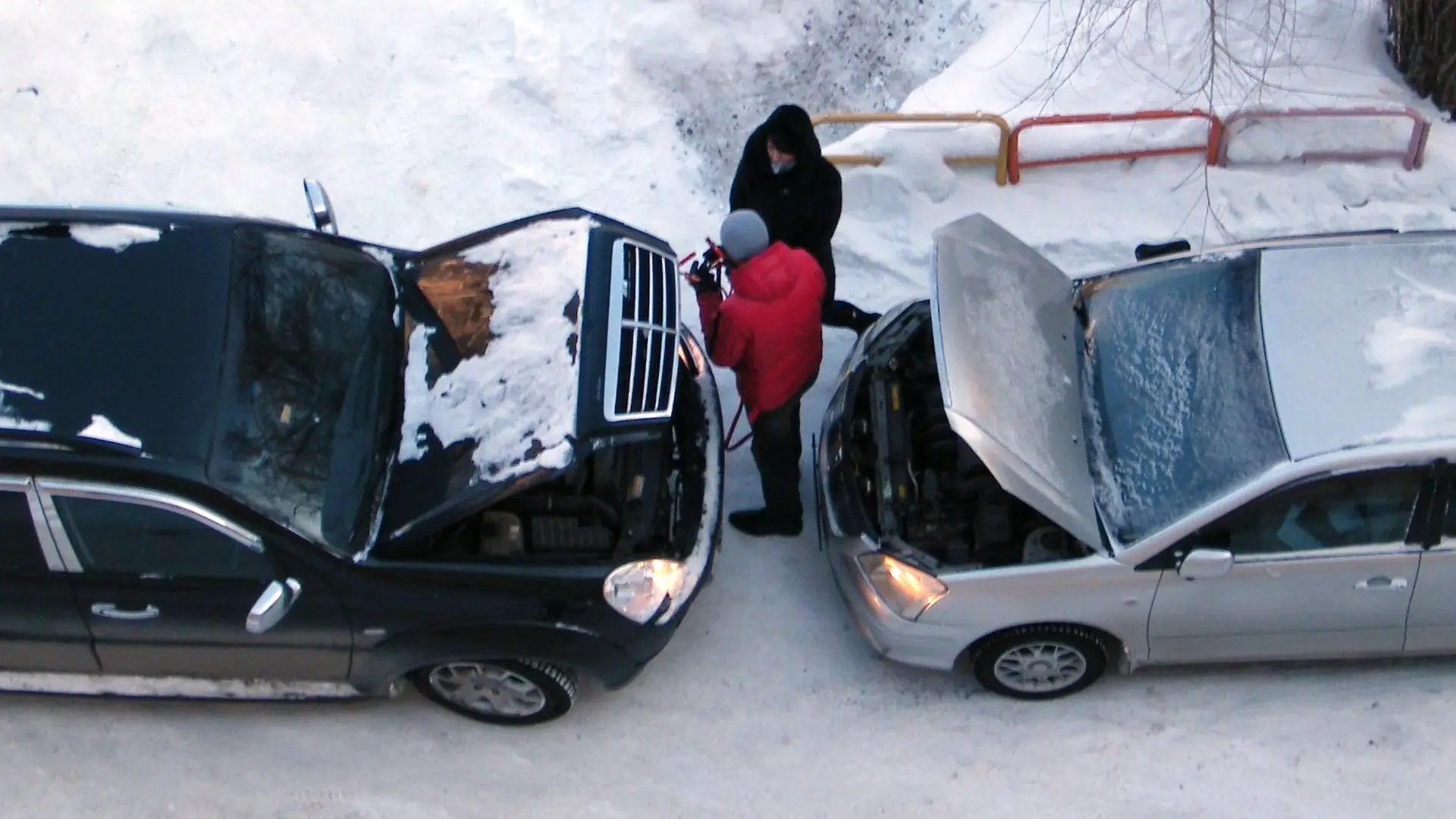
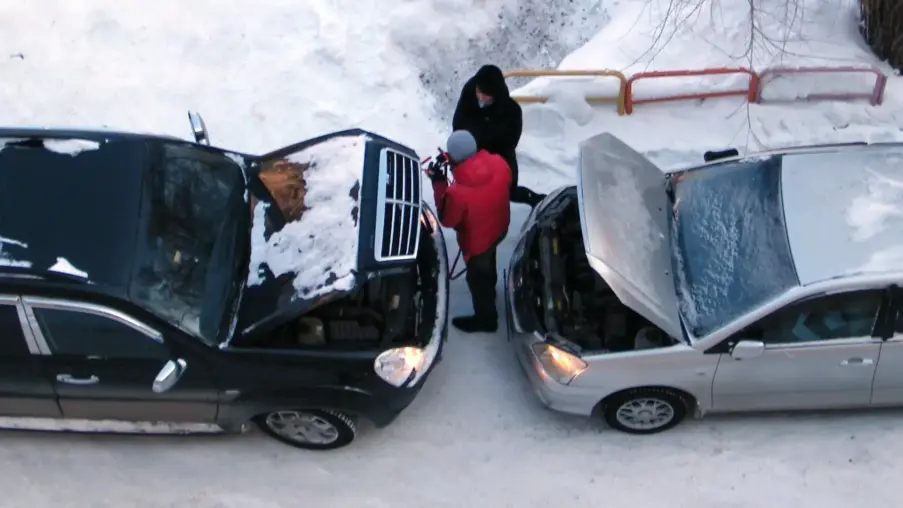
How to Jump-Start a Car Safely: Cables, Jump Packs, Hybrids and EVs
You turn the key or push the button and get nothing. Maybe a click, maybe a sad little whir, maybe just a dark dashboard. A dead 12-volt battery is one of the most common reasons cars leave people stranded, and the fix is usually a 10-minute jump-start you can do yourself if you know the right order to hook things up.
This guide walks you through it with jumper cables and with a portable jump pack, explains why the last clamp never goes on the dead battery, and covers what’s different with hybrids and EVs (spoiler: you can usually jump them, but you should never use one to jump somebody else). We’ll also cover the signs that a jump won’t fix your problem at all.
Guide · Batteries
Updated November 2026 · 16 min read
Jump-Starting at a Glance
The short version, before we get into the details:
Battery calls to AAA About 7M Out of 27 million-plus US roadside calls in 2024
Typical battery life 3–5 years AAA’s rule of thumb
Clamp order Red, red, black, metal Last clamp goes on bare metal, not the dead battery
Wait before cranking 3–5 min Let the donor car run first (AAA)
Drive afterward 20–30 min Continuous driving to put charge back in
Jump pack size 400+ amps Most cars; trucks and SUVs may need 1,000+ (CAA)
01 · Before you start
What You Need and What to Check First
A jump-start is simple, but a car battery isn’t a toy. It stores enough energy to weld a wrench to a terminal, and a lead-acid battery can give off hydrogen gas, which is explosive. A minute of checking before you clip anything on is time well spent.
The gear
- Jumper cables or a charged jump pack. AAA says cheap, thin cables are a frequent point of failure and recommends a heavy-duty set of 6-gauge cables about 4.9 m (16 ft) long. Lower gauge numbers mean thicker wire, and Bumper suggests 4-gauge for trucks and bigger vehicles.
- A donor vehicle with a 12-volt system, if you’re using cables.
- Safety glasses and gloves. AAA suggests both, since a failing battery can spray acid.
- Your owner’s manual. Many cars, especially ones with the battery in the trunk or under a seat, have dedicated jump posts under the hood, and some manufacturers have specific rules.
Don’t jump it if…
- Cracked, bulging or leakingDamaged batteryAAA’s advice is blunt: replace a damaged battery, don’t jump it. A rotten-egg smell means leaking acid and hydrogen gas, so keep sparks and flames well away.
- FrozenCold-weather riskNever jump a frozen battery. AAA, CAA-Quebec and Hyundai’s owner’s manuals all say so. Let it thaw or call for help.
- Different voltages12 V vs. 24 VBoth vehicles must be 12-volt. AAA warns that hooking a car to a 24-volt commercial truck system can cause immediate and expensive damage.
- Unsafe spotTraffic, dark or fogIf there’s no room to work clear of traffic, or visibility is poor, call roadside assistance instead. No battery is worth getting hit for.
Strip off the jewelry. A metal ring or watch that bridges the positive terminal and a tool or the car body can cause a severe burn in a fraction of a second. AAA lists it right alongside eye protection.
02 · Step by step
How to Jump-Start a Car With Jumper Cables
Park the donor car close enough for the cables to reach, but don’t let the two cars touch. Put both in Park (or Neutral with a manual), set the parking brakes and switch both ignitions off. Turn off the headlights, radio and climate control in the dead car too.
- 1. Red to dead (+)Clip one red clamp onto the positive (+) terminal of the dead battery. It’s marked with a plus sign and often has a red cover.
- 2. Red to donor (+)Clip the other red clamp onto the positive (+) terminal of the good battery.
- 3. Black to donor (−)Clip one black clamp onto the negative (−) terminal of the good battery.
- 4. Black to bare metalClip the last black clamp onto clean, unpainted metal on the dead car, like a thick bolt on the engine block. Not the dead battery.
Why not the dead battery’s negative post? The last connection you make is the one most likely to spark. Making it on a metal bracket away from the battery keeps that spark away from any hydrogen the battery might be venting. CAA-Quebec suggests keeping that ground at least 30 cm (12 in) from the battery.
You’ll see the occasional guide, including one from charger maker CTEK, say the dead battery’s negative terminal is fine as a last resort if you can’t find a good ground. AAA and CAA both say to use bare metal, so that’s what we’d do. Just make sure the clamp bites into clean metal, not paint or plastic, or nothing will happen.
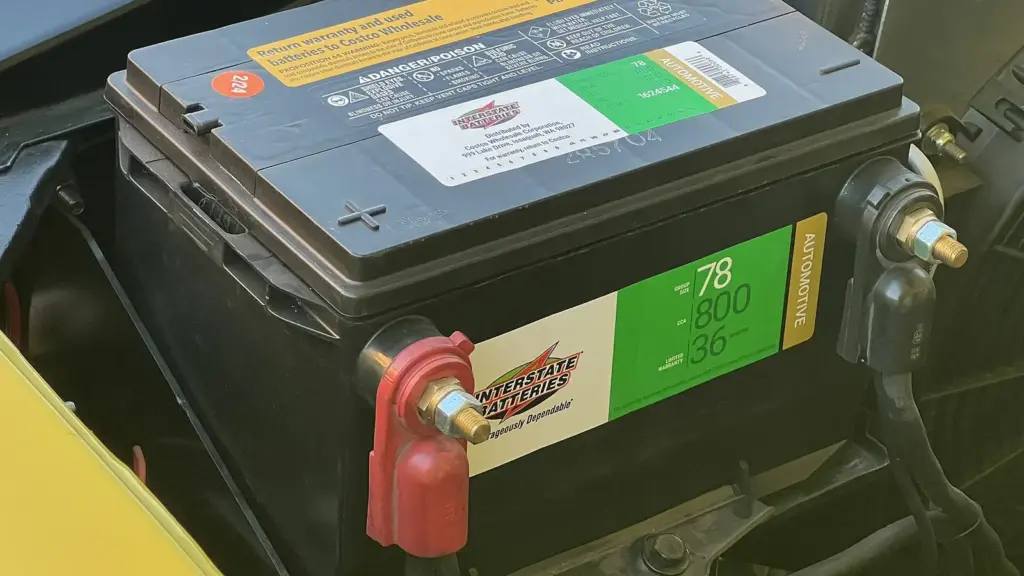
Red cover, plus sign: that’s your positive terminal.
Starting the dead car
Start the donor car and let it run for three to five minutes, holding the engine slightly above idle if you can. That puts a little charge into the dead battery before you ask it to crank. Then try starting the dead car.
- Keep each crank short. CAA-Quebec says not to crank for more than 15 seconds at a time, to protect the starter.
- If it cranks slowly but won’t catch, let the donor run another five minutes and try again.
- Three strikes rule. AAA says a car that still won’t start after a third try likely has a completely failed battery, or a different problem altogether (more on that below).
Taking the cables off
Once it starts, let both cars run connected for another three to five minutes. Then take the clamps off in exactly the reverse order:
| Order | Hook up | Take off |
|---|---|---|
| 1st | Red on dead battery (+) | Black from bare metal on the jumped car |
| 2nd | Red on donor battery (+) | Black from donor battery (−) |
| 3rd | Black on donor battery (−) | Red from donor battery (+) |
| 4th | Black on bare metal of dead car | Red from the jumped car’s battery (+) |
Now drive. AAA says a continuous 20 to 30 minutes is usually enough, with the A/C and rear defroster off so more of the alternator’s output goes back into the battery. Don’t just idle in the driveway and shut it off: Which? warns that after a short trip the car may not restart.
Our take: buy decent cables once and leave them in the trunk. A thick, long set means you can reach the other car even when you can’t park nose to nose, and it won’t let you down when you actually need it.
03 · No second car
How to Use a Portable Jump Starter
A portable jump starter (or jump pack) is a battery in a box with its own clamps. Modern lithium ones are small enough to keep in the glovebox, so you never need to flag down a stranger. Many have built-in protection against hooking the clamps up backward, and some stay switched off until you turn them on.
The steps are close to cable jumping, just with only two clamps: red to the dead battery’s positive (+) terminal, black to clean unpainted metal on the engine or chassis, then switch the pack on and start the car.
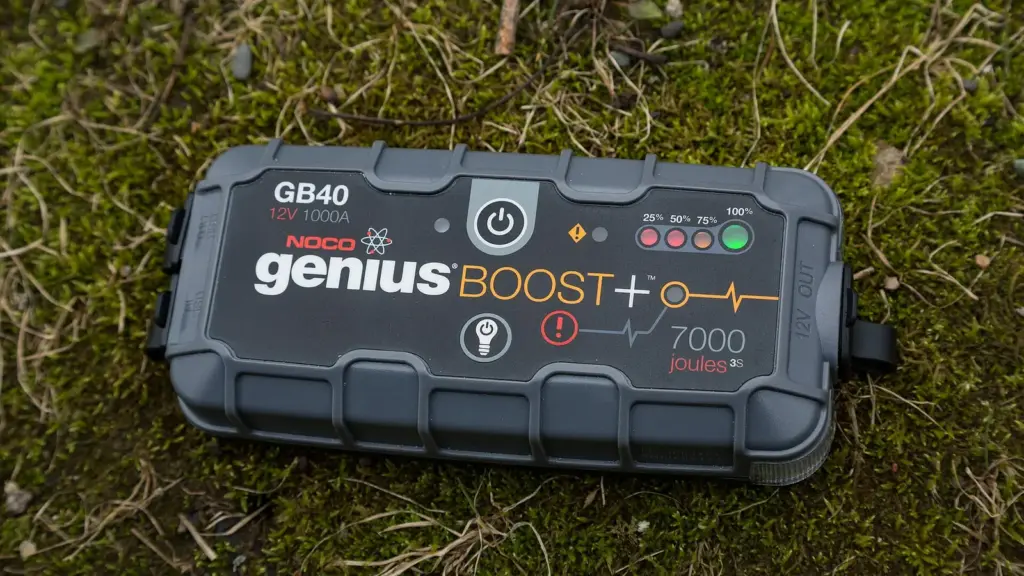
A compact lithium jump pack fits in a glovebox.
- 1. Check the chargeA dead jump pack is just a paperweight. Check its charge level before you clip it on.
- 2. Clamp upEverything in the car off. Red to the battery’s positive (+), black to bare metal on the engine block or chassis.
- 3. Power on and startSwitch the pack on and start the car. Battery Tender suggests cranking in short bursts and waiting about 30 seconds between tries.
- 4. Unclip and rechargeOnce it’s running, remove the black clamp, then the red. Drive 20 to 30 minutes, and recharge the pack when you get home.
How big a jump pack do you need?
Jump packs are sold by peak amps, and bigger engines need more. CAA North & East Ontario says most cars need at least 400 amps, while trucks and SUVs may need 1,000 amps or more. Diesels and big V8s sit at the top of the range.
400+ A
Most cars
CAA’s minimum for a typical car
400–1,000 A
Four- and six-cylinder engines
Bumper’s suggested range
1,000+ A
Trucks, big SUVs, V8s and diesels
CAA and Bumper
Up to 2,000 A
Big V8s and diesels
Top of Battery Tender’s range
Jumper cables are best if… you want the cheapest option that never needs charging, and you’re usually somewhere another driver can help.
A jump pack is best if… you drive alone, park in tight garages, or live somewhere cold and rural. No second car, no parking nose to nose, and many double as a phone charger and flashlight.
Keep it topped up. Recharge the pack after every use, and check its charge level every few months and before winter. A pack that died quietly in your glovebox won’t start anything.
04 · Hybrids and EVs
Jump-Starting a Hybrid or Electric Car
Here’s something that surprises a lot of new owners: hybrids and EVs still have a small 12-volt battery, and when it dies, the car is just as stuck as a gas car. That little battery runs the computers and locks and wakes up the big high-voltage system, so without it the car can’t “turn on.” Read more about how they work in our guides to hybrids and plug-in hybrids and electric cars.
The good news: you can usually jump that 12-volt system with ordinary cables or a jump pack. The important rule: never use a hybrid or EV as the donor car. Toyota, Hyundai and Tesla all say so in their owner’s manuals, and CAA says an EV should never be used to boost another vehicle.
Toyota hybrids. The Toyota Prius has an “exclusive jump starting terminal” under a cover in the fuse box under the hood. The 2010 Prius manual has you connect the positive cable there and the negative to a ground on the car, run the donor about five minutes at a slightly raised engine speed, then switch on the hybrid system and check that the READY light comes on. It adds that the hybrid system can’t be push-started, and that the Prius “cannot be used to jump start another vehicle.”
Once it’s running, remove the cables in reverse order. Toyota also says to have the car and its 12-volt battery checked as soon as possible after a jump.
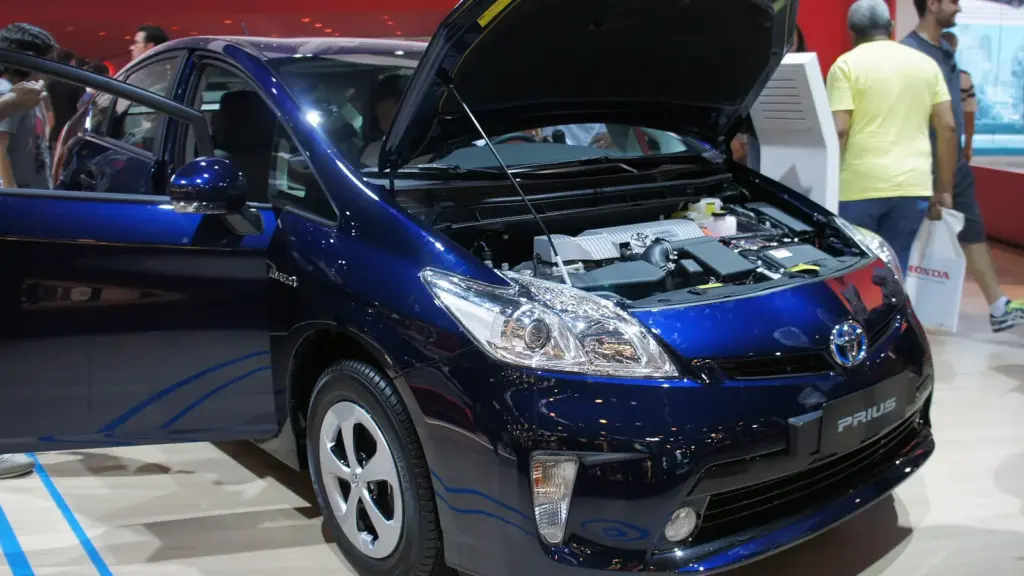
Prius: the jump terminal hides in the under-hood fuse box.
- Hyundai and Kia hybrids12V BATT RESET buttonSome Hyundai and Kia hybrids use a lithium 12-volt battery with a reset button that reconnects it so it can start the car. The 2025 Sonata Hybrid manual says to press it and start the car within 30 seconds; the 2026 Tucson Plug-in Hybrid manual says within 15 seconds, then drive 30 minutes. If that doesn’t work, you jump it at the under-hood jumper terminals. Hyundai warns that jumping another car will damage the hybrid’s 12-volt battery.
- TeslaPower, not a “start”With a dead low-voltage battery, a Tesla Model Y won’t even open its hood electrically. The manual shows how to release it with external power at terminals behind the tow-eye cover, then connect a jump pack to posts under the maintenance panel. It may take several minutes for the touchscreen to wake up. Tesla says the car “cannot be used to jump start another vehicle.”
- Cybertruck48-volt low-voltage systemCybertruck runs a 48-volt low-voltage system rather than 12 volts. Tesla says your supply should be at least 12 V, and if it’s adjustable, set it between 12 and 16.5 V or 30 and 50 V. It’s a good example of why you read the manual first.
Tesla told UK consumer group Which? that owners should call roadside assistance first, and that’s good advice for any EV you’re unsure about. Either way, have the 12-volt battery tested soon after a jump, because a battery that went flat once can do it again.
One more thing: don’t confuse the 12-volt battery with the main battery. If an EV’s big traction battery is empty, no jump-start will help. It needs a charger or a tow. Cold weather makes that more likely, as we cover in our guide to EV range in winter.
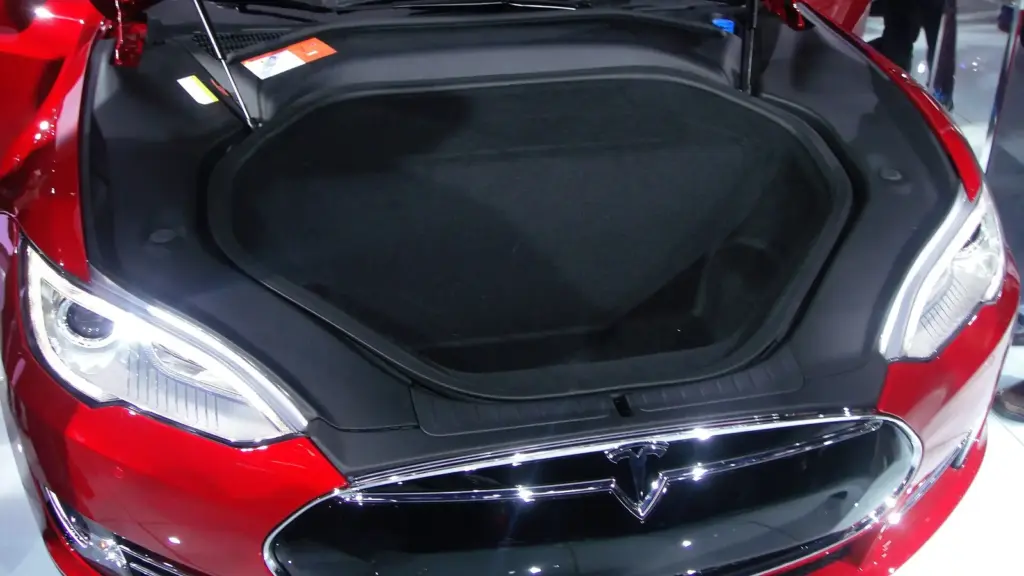
On a Tesla, the jump posts sit under a panel at the front of the car.
Rule of thumb: on a hybrid or EV, only ever connect to the 12-volt battery or the jump terminals the manual shows. Orange cables carry high voltage. Never clip onto or near them.
05 · Troubleshooting
When a Jump-Start Won’t Help
A jump only fixes one thing: a battery that’s too flat to crank the engine. If the problem is somewhere else, you can jump all day and get nowhere. The sounds and lights your car makes are good clues.
| What happens | Likely culprit | What to do |
|---|---|---|
| Rapid clicking, dim lights | Weak or dead battery | Jump it, then drive 20 to 30 minutes and get the battery tested |
| One click, bright dash lights | Often a bad starter | A jump probably won’t help; call for a tow or a mechanic |
| Nothing changes with the cables on | Poor clamp contact or corroded terminals | Reseat the clamps on bare metal; clean the posts with a wire brush |
| Starts, then dies once the cables come off | Often the alternator | Another jump won’t help if the charging warning light stays on |
| Starts fine, but it’s dead again next morning | Old battery or a drain | A battery past three years may not hold a charge overnight; test it |
| Cranks normally but won’t fire | Not the battery | Fuel, ignition or a security issue; check for warning lights |
AAA says a battery near the end of its three-to-five-year life, or one that’s been struggling, likely won’t hold a charge overnight even after a successful jump. Cold makes it worse, because a battery has less to give on a frosty morning just when the engine is hardest to crank.
If your car will sit for weeks, or you mostly do short trips, a plug-in battery maintainer (sometimes called a trickle charger) is cheap insurance. It slowly tops the battery up so you don’t need a jump in the first place. Our guide to car batteries covers the different battery types and how to pick a replacement.
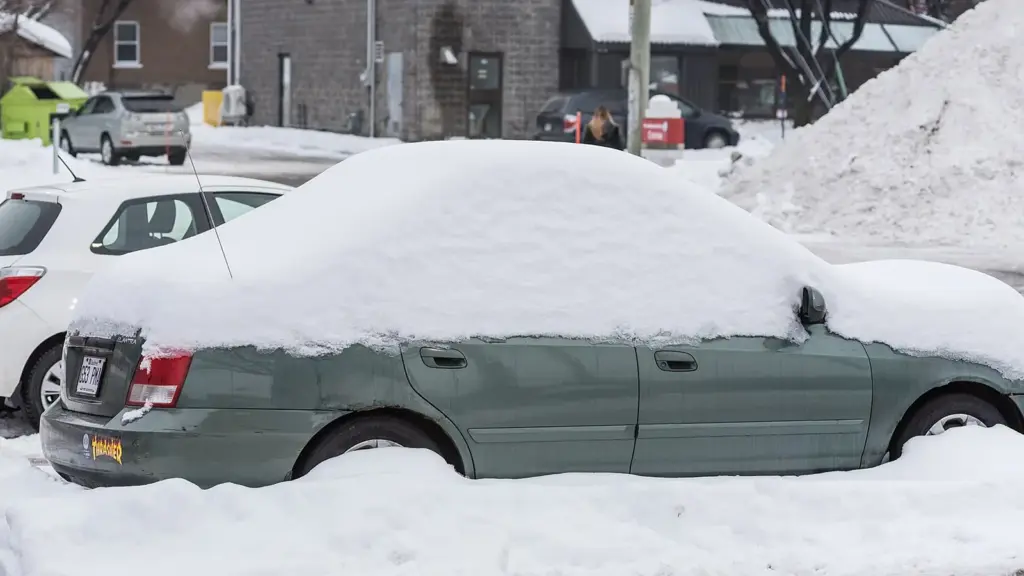
Cold mornings are when weak batteries finally give up.
Modern cars and electronics. AAA notes that some carmakers advise against jump-starting to protect sensitive electronics, so read the manual first. CAA-Quebec says that after a jump, you might have to reset the clock, radio, power windows or sunroof. If a pile of warning lights stays on after a jump, or the check engine light comes on, get the codes read.
Shopping for a used car that won’t start on the lot? A battery that needs a jump at a test drive is worth noting on your used car inspection checklist. It could be nothing, or it could be a sign the car has been sitting for months.
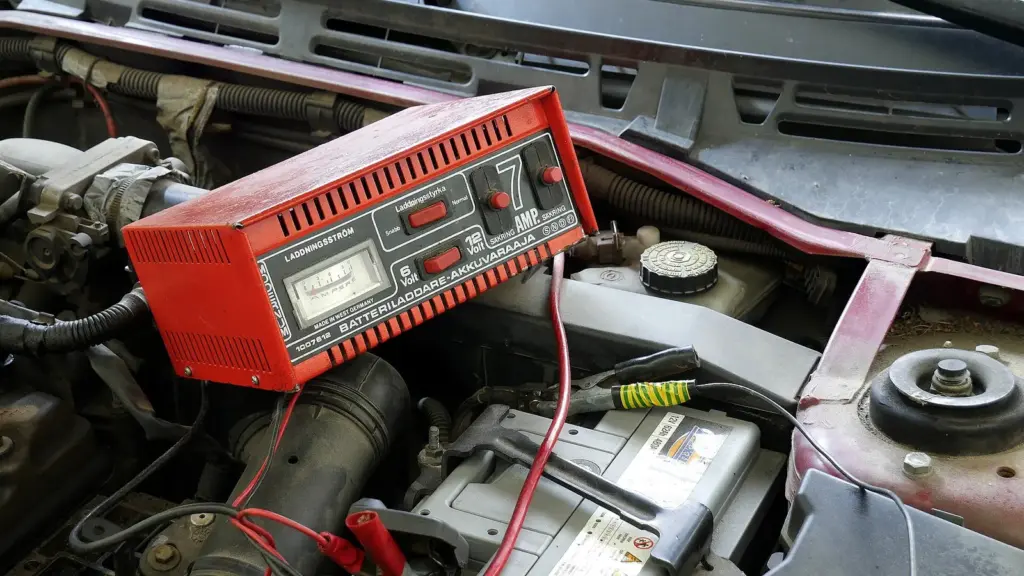
A charger or maintainer can save you from needing a jump.
Our take: one jump is bad luck. Two jumps in a month means something is wrong. Get the battery and charging system tested before you end up stuck somewhere less convenient than your driveway.
Frequently Asked Questions
What order do you connect jumper cables?
Red to the dead battery’s positive (+), red to the good battery’s positive (+), black to the good battery’s negative (−), and the last black clamp to clean unpainted metal on the dead car, away from the battery. Remove them in the exact reverse order.
How long should you let a car run after a jump-start?
Leave the cables on for three to five minutes after the car starts, then drive it continuously for 20 to 30 minutes, according to AAA. Idling for a few minutes and shutting it off may not leave enough charge to restart.
Can you jump-start a hybrid or electric car?
Usually, yes. Hybrids and EVs have a 12-volt battery that can go flat, and you can jump it at the battery or the jump terminals the owner’s manual shows. Never use a hybrid or EV to jump another car: Toyota, Hyundai and Tesla all warn against it.
Why shouldn’t the last clamp go on the dead battery?
The final connection can spark, and a lead-acid battery can release hydrogen gas, which is explosive. Clipping the last clamp to bare metal away from the battery keeps the spark away from that gas.
Is a jump pack better than jumper cables?
A charged jump pack means you don’t need a second car, which is handy if you drive alone or park in tight spots. Cables are cheaper and never need charging. Plenty of drivers keep both.
Why won’t my car start even with a jump?
After three tries, AAA says the battery has likely failed completely. A single click with bright dash lights often points to the starter, and a car that dies when the cables come off often has a bad alternator. Poor clamp contact is also a very common cause.
Keep Your Car Starting
Get to know the battery under your hood, and what else to keep an eye on between services.
Sources
- AAA: how to jump a battery and get yourself back on the road
- AAA Mountain West Group: how to jump-start a car and keep the battery healthy
- AAA Newsroom: 2024 roadside service calls
- AAA East Central battery tips (via The Auto Channel)
- CAA-Quebec: boosting a car battery
- CAA North & East Ontario: how to jump-start a car
- Toyota Prius owner’s manual: jump starting
- Hyundai Sonata Hybrid (2025) owner’s manual: jump starting
- Hyundai Tucson Plug-in Hybrid (2026) owner’s manual: before jump starting
- Tesla Model Y owner’s manual: jump starting
- Tesla Model Y owner’s manual: opening the hood with no power
- Tesla Cybertruck owner’s manual: jump starting
- The Autopian: the 12V battery reset button on Hyundai and Kia hybrids
- Which?: how to jump-start your car safely
- Bumper: how to jump-start a car with cables or a jump pack
- Battery Tender: how to jump-start a car with a battery pack
- CTEK: how to boost a car battery
Photo credits
- Header image: Andshel, CC BY-SA 4.0, cropped and resized.
- Compact lithium portable jump starter pack: Tony Webster from Minneapolis, Minnesota, United States, CC BY 2.0, cropped and resized.
- 12-volt car battery in an engine bay…: TaurusEmerald, CC BY-SA 4.0, cropped and resized.
- Third-generation Toyota Prius hybrid with its hood…: Mariordo (Mario Roberto Duran Ortiz), CC BY-SA 4.0, cropped and resized.
- Tesla Model S with its front trunk…: Yahya S. from Livonia, United States, CC BY 2.0, cropped and resized.
- Car buried in snow on a street…: Wilfredor, CC BY-SA 4.0, cropped and resized.
- Plug-in battery charger clipped to a car…: Santeri Viinamäki, CC BY-SA 4.0, cropped and resized.