

 Written by

Your First Trip to a Race Track: What to Bring, Where to Sit and How to Enjoy It
Watching a race on TV is fine. Standing at a fence as a pack of cars screams past close enough to feel it in your chest is something else entirely. The catch is that a race track can be a confusing, loud, sun-baked place the first time you go, and a few bad calls (wrong seat, no earplugs, a cooler that gets turned away at the gate) can take the shine off a great day.
This guide walks you through it, whether you’re heading to a NASCAR oval, an IndyCar or IMSA weekend at a road course, a Formula 1 Grand Prix or a free club race down the road: which tickets to buy, where to sit, what to pack, how to get into the paddock and how to survive the traffic, the heat and the noise.
Guide · Race Day
Updated November 2026 · 18 min read
Race Day at a Glance
A few numbers worth knowing before you buy a ticket:
Indy 500 general admission $55 Advance price for 2026; kids 15 and under got in free with an adult
Noise in the stands 96 dBA Average NIOSH measured during a NASCAR race at Bristol
Safe listening time Under 40 min At that level, before you pass NIOSH’s full-day limit
Foam earplugs NRR 29 A common rating, and they cost pennies a pair in bulk
Daytona cooler limit 36 cm (14 in) Soft-sided only, 14 x 14 x 14 in max; hard coolers banned
Club racing Free Many SCCA events charge nothing to watch and let you walk the paddock
01 · Pick your race
Which Race Should Be Your First?
Every kind of racing feels different from the stands, so it’s worth picking your first event on purpose. An oval race is like a stadium event: you sit in one seat and see almost everything. A road course race is more like a music festival: you wander, picnic on hillsides and watch from a dozen different corners. Here’s how the big ones compare.
- NASCAROvals and a few road coursesBig crowds, big tailgates and 40 cars running nose to tail. At an oval you can follow the whole race from one seat, which makes it the easiest first race to understand. See our NASCAR Cup Series guide for how the season works.
- IndyCarOvals, road and street coursesOpen-wheel cars at serious speed. The Indianapolis 500 is the one everyone knows, but road-course rounds like Road America are relaxed, cheaper and great for wandering. More in our IndyCar Series guide.
- IMSA sports carsEndurance racingSeveral classes of cars on track at once, races that run 6, 10, 12 or 24 hours, and some of the best fan access in racing. The Rolex 24 at Daytona and the 12 Hours of Sebring are bucket-list events.
- Formula 1Grand Prix weekendsThe most expensive and most crowded option, with the strictest rules at the gate. In North America that means Circuit of the Americas in Texas, Miami, Las Vegas, Mexico City and Montreal. Our Formula 1 guide covers the calendar.
- Club racingSCCA, NASA and local clubsAmateur racers in everything from Miatas to open-wheelers. It’s often free to watch, the paddock is usually open and the drivers are happy to talk. If you catch the bug, our guide to building a weekend race car is your next read.
Tickets: general admission, grandstand or something fancier
Most tracks sell three basic kinds of ticket. General admission (GA) gets you through the gate and lets you watch from any public area that isn’t reserved, which at a road course can mean hundreds of acres of hillsides. A reserved grandstand seat gets you a numbered seat, usually with a better view of the start, the finish and the pit stops. On top of that sit paddock, pit and hospitality passes, which we cover further down.
| Event | Ticket | Price | What you get |
|---|---|---|---|
| Indianapolis 500 (2026) | General admission | $55 in advance, $65 on race day | Infield and GA viewing areas; kids 15 and under free in GA with a paying adult |
| Brickyard 400 (2026) | Sunday race ticket | From $40 | Kids 15 and under free with an adult holding a GA or Flex ticket |
| IndyCar at Portland (2026) | General admission | $85 | Track access only; paddock pass $75 extra, pit pass $150 |
| F1 Paddock Club (2026) | 3-day hospitality | About £5,254 in China, roughly $12,370 in Las Vegas | Suites above the pits, food and drink, and a pit lane walk at some races |
| SCCA club race | Spectator | Often free | Many regions say no ticket is needed, and you can wander the pits |
Buy from the track or series first. Official sites list what each ticket includes, and resale listings often don’t. Check whether your ticket covers the paddock, how kids are priced and whether parking is extra before you pay.
02 · Where to sit
Where to Sit: Ovals vs. Road Courses
At an oval, sit high. It sounds backward, but the higher rows are the good seats. From up there you can see the whole track, follow battles all the way around and watch pit strategy play out. Michigan International Speedway’s own new-fan guide says the higher rows give full track views, while mid-level seats suit families with clear sightlines, fewer stairs and a bit less noise. Seats near the start/finish line put you closest to the pit stops and the checkered flag.
Low rows near the fence feel fast and loud, but you mostly see a blur go by and then lose the cars behind the catch fence. Great for a few laps, tiring for 640 km (400 miles).

High up at Bristol: from here you can follow the whole lap.
At a road course, keep moving. No seat shows the whole track, so the fun is in walking it. Road America, for example, has no assigned grandstand seating at all: fans roam its 640 acres and set up camp chairs on the hills. Spend a session at a few corners and then pick your favorite.
The best spots are usually the braking zones at the end of long straights, where cars slow down hard and most of the passing happens. Turn 1 and Turn 5 at Road America and the Keyhole at Mid-Ohio are classic examples. Fast, flowing sections like the Esses at Watkins Glen are where you really see what these cars can do.

Bring a chair: at a road course, a hillside is often the best seat in the house.
Pick a grandstand seat if… it’s an oval race, you’re bringing small kids or anyone who can’t walk far, or you want to see the start, the pit stops and the finish without moving.
Pick general admission if… it’s a road course or a long endurance race, you like to explore and you’re happy to carry a chair. It’s also the cheapest way in.
Our take: for a first oval race, spend a little more on a high seat near the start/finish line. For a road course, save the money, buy GA and walk the whole track at least once.
03 · What to bring
What to Bring: Ear Protection First, Then Everything Else
Protect your hearing (yes, really)
Race cars are loud enough to do lasting damage. When NIOSH, the US government’s workplace safety research agency, measured noise at a NASCAR race at Bristol, spectators in the stands averaged 96 dBA during the race. In the pit area, peaks hit 130 dB and more. NIOSH’s recommended limit is 85 dBA averaged over eight hours, and every 3 dB louder halves the safe time.
That means a few hours in the stands without protection blows well past a full day’s safe dose. A 2013 study at the Canadian Grand Prix at Circuit Gilles Villeneuve in Montreal found a listener at the hairpin took in more than 85 times NIOSH’s daily noise dose. Ringing ears after a race are a warning sign, not a badge of honor.
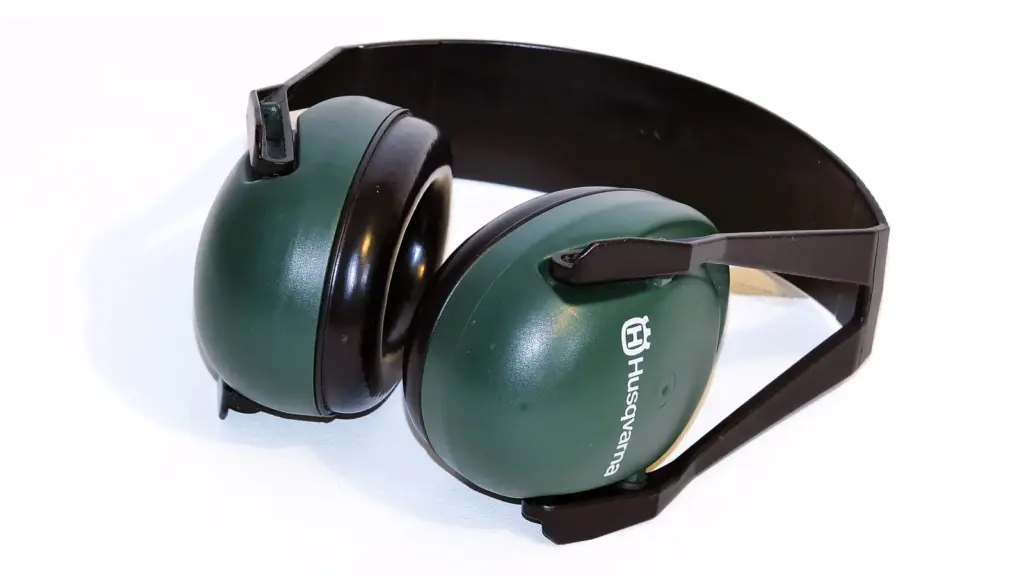
Over-the-ear muffs are the safe choice for kids, and they stack with earplugs for adults.
8 hours
85 dBA
NIOSH’s full-day limit
2 hours
91 dBA
Every 3 dB louder halves the safe time
1 hour
94 dBA
Safe time at this level
30 min
97 dBA
Just above the 96 dBA NIOSH measured in the Bristol stands
15 min
100 dBA
Pit-area peaks at Bristol topped 130 dB
Protection is cheap and easy. Foam earplugs like 3M’s common 1100 model carry a Noise Reduction Rating (NRR) of 29, and a hearing specialist at Franciscan Health recommends NRR 26 or higher for the Indy 500. Real-world protection is lower than the label because few people insert plugs perfectly, so roll them tight and push them in deep. Plenty of fans wear earmuffs over earplugs, and a scanner headset (more on those below) doubles as hearing protection.
Kids and babies: the American Academy of Pediatrics suggests protective earmuffs for young children and warns that earplugs are a choking hazard. For babies and toddlers, Boys Town National Research Hospital recommends earmuffs or noise-cancelling headphones made for small heads, not earplugs.
The packing list
Must have
Ear protection
Foam plugs Earmuffs for kids
Pack spares. Someone in your group will forget theirs, and you’ll want a fresh pair after lunch.
Must have
Sun and rain gear
Sunscreen Hat Poncho
Grandstands rarely have shade. Bring a poncho rather than an umbrella, since some tracks ban umbrellas outright.
Must have
Comfortable shoes
Broken in Closed-toe
You’ll walk miles at a road course. Closed-toe shoes are also strongly recommended if you’re going anywhere near the garages.
Nice to have
Phone power
Battery pack Charging cable
Live timing apps, photos and a crowded cell network will drain your battery long before the checkered flag.
Nice to have
Seat comfort
Seat cushion Folding chair
Aluminum bleachers get hard after a few hours. Check the rules first: some tracks allow folding chairs, others ban them.
Nice to have
Binoculars and a scanner
Track views Team radio
Binoculars help on big ovals. A scanner or the official app lets you hear what teams are saying.
Coolers, bags and chairs: every track is different
This is where first-timers get caught out. Some tracks let you haul in a big cooler full of food and drinks, and others don’t let in any outside food at all. Here’s what a few well-known North American tracks say on their own fan pages, checked in November 2026. Rules change, so look at your track’s page the week before you go.
| Track | Coolers | Umbrellas and chairs | Good to know |
|---|---|---|---|
| Indianapolis | Up to 46 x 38 x 38 cm (18 x 15 x 15 in), hard or soft | Umbrellas OK if they don’t block views; folding chairs OK in most areas | Beer and wine allowed in non-glass containers; no glass |
| Daytona | One soft-sided cooler, 36 x 36 x 36 cm (14 x 14 x 14 in) max; no hard coolers | Umbrellas and collapsible chairs banned | Up to two bags; sealed food and drink, including alcohol, allowed; no glass |
| Watkins Glen | One soft cooler, 36 x 36 x 36 cm (14 x 14 x 14 in) max; no hard coolers | Umbrellas banned | Sealed alcohol allowed; no glass |
| Road America | Coolers, food, drinks and grills allowed | Bring your own chairs | No glass; don’t save spots with chairs or pop-up tents |
| COTA | No coolers and no outside food, drinks or alcohol | Collapsible chairs and small handheld umbrellas OK; no tents | One empty, non-glass water bottle up to about 1 L (32 oz) |
| Montreal (F1) | Not covered in the 2026 visitor guide | Not covered in the 2026 visitor guide | Outside alcohol and glass banned in 2026; reusable bottles OK |
04 · Get closer
Paddock Passes, Grid Walks and Scanners
The paddock is the area behind the pits where teams park their transporters and work on the cars. Getting in there is the best part of a race weekend for a lot of fans, and how easy it is depends almost entirely on the series.
Sports car racing is the most open. At Road America, general admission includes paddock access for most events (NASCAR weekends are an exception). Daytona’s Rolex 24 four-day ticket includes fan zone and garage access, and at Sebring the pre-race grid walk has been open to all ticket holders. Standing next to a prototype as the crew warms it up is something you’ll remember.
IndyCar varies by event. At some races the paddock is open to all, while others sell it as an add-on. At Portland in 2026, a paddock pass cost $75 on top of an $85 GA ticket, and a pit pass was $150.

Grid walk before Petit Le Mans at Road Atlanta: sports car racing lets fans get remarkably close.
- NASCARGarage and pit passesFor 2026, NASCAR’s Garage & Pit Pass is an electronic credential sold through each track’s ticket reps, with a selfie, ID and waivers. It covers the garages before the race and pit road during it. Under-18s have to leave 30 minutes before cars go on track. Many tracks also sell cheaper pre-race fan zone or track walk passes.
- Formula 1Mostly behind closed doorsThe F1 paddock is largely off-limits to regular ticket holders. The way in is hospitality: the Paddock Club ran about £5,254 for three days in China in 2026, and some races add paid extras, like Silverstone’s new Thursday pit walk package for its 2026 British Grand Prix.
- Club racingWide openAt most SCCA and NASA events you can walk right through the paddock. Ask before you touch anything, stay out of the way when cars are moving, and you’ll find most racers love to talk about their cars.
Scanners and apps: hear the race, not just the engines
At a NASCAR race, the person next to you wearing a big headset is listening to a scanner. It picks up the driver talking to the crew chief and spotter, plus the race broadcast, and the over-ear headset blocks a lot of noise too. Racing Electronics rents them at many tracks; Phoenix Raceway lists a headset rental at $47.95 if you book ahead or $59.95 at the event.
- NASCAR MobileLeaderboard and scanner audio; premium about $5 a month
- INDYCAR appLive timing, track map and driver radio
- F1 appFree live timing; radio and telemetry need F1 TV
- Racing scannerTeam radio plus hearing protection in one
Bring a battery pack. Following live timing on your phone all day is the single best way to understand what’s happening on track, especially at an endurance race where cars are on different laps. It’s also the fastest way to kill your battery.
05 · Getting there
Traffic, Camping and Beating the Heat
Big races draw huge crowds, and plenty of tracks sit at the end of a two-lane country road, so getting in and out is half the battle. Bristol Motor Speedway tells first-timers to arrive several hours before the green flag because traffic backs up, and that advice works almost everywhere.
- 1. The week beforeRead your track’s fan guide: gate times, cooler and bag rules, parking and shuttles. Buy parking or transit tickets in advance if they’re sold that way.
- 2. Race morningLeave early, eat a real breakfast and fill up water bottles. Gates often open hours before the race, and pre-race events are part of the show.
- 3. During the raceDrink water before you’re thirsty, reapply sunscreen and take breaks in the shade. Watch from a few different spots if your ticket allows it.
- 4. After the flagDon’t rush. Let the worst of the traffic clear while you tailgate, walk the paddock or watch the support races.
Camping is half the fun at some tracks. Road courses like Road America and Watkins Glen are famous for it, and the campgrounds around the Le Mans circuit during the 24 Hours of Le Mans are a festival of their own. At Watkins Glen, camping gates open on the Wednesday of NASCAR week and the Thursday of IMSA week, with quiet hours from 11 p.m. to 6 a.m. At Road America you need a campsite plus a full ticket and wristband for everyone over 16. Sites sell out for the biggest weekends, so book early.
If you’re not camping, look for park-and-ride options. COTA routes drop-offs and rideshares to its McAngus Lot, with a free tram to the main plaza.

Race-weekend camping at Le Mans, where the campsites are part of the legend.
Heading to Montreal for the Canadian Grand Prix?
Don’t plan on driving. Circuit Gilles Villeneuve sits on an island in the St. Lawrence, and the 2026 visitor guide said there’s no on-site parking without a pass bought in advance. Take Metro Line 4 (the yellow line) to Jean-Drapeau station instead. River shuttles from Longueuil and the Old Port run with a reservation, and taxis and rideshares drop off at set points with a shuttle to the gates. In 2026 the race ran May 22 to 24.
Don’t underestimate the heat
Summer races mean hours in direct sun on aluminum bleachers. Tracks have started adding misting stations, free water refills, cooling towels and shaded areas: Nashville Superspeedway did it for its 2024 NASCAR weekend, and North Wilkesboro set up misting stations and a shade grove in 2026. Wear a wide-brimmed hat, drink plenty of water and get into the shade if you feel dizzy.
Our take: the fans who have the best day are the ones who planned the boring stuff. Check the rules, pack earplugs and sunscreen, leave early and stay late.
Frequently Asked Questions
Do I really need ear protection at a race?
Yes. NIOSH measured an average of 96 dBA in the stands at a NASCAR race, which passes its full-day safe limit in under 40 minutes. Foam earplugs rated NRR 26 or higher are cheap and work well, and young kids should wear earmuffs instead of earplugs.
Can I bring a cooler to a race?
It depends on the track. Indianapolis allows hard or soft coolers up to 46 x 38 x 38 cm (18 x 15 x 15 in), Daytona and Watkins Glen allow one soft cooler up to 36 cm (14 in) on each side, and Circuit of the Americas allows no coolers or outside food at all. Check your track’s fan page before you pack.
What is the best seat at an oval race?
Higher rows near the start/finish line. Sitting high lets you see the whole track, follow battles all the way around and watch pit stops, while low seats near the fence show you mostly a blur.
Can fans go into the paddock?
Often, yes. Road America’s general admission ticket includes paddock access for most events, Daytona’s four-day Rolex 24 ticket includes garage access, club races are usually wide open, and IndyCar sells paddock passes at some races. NASCAR garage passes and the F1 paddock are much harder and pricier to get into.
How early should I get to the track?
Several hours before the start for a big race. Traffic and gate lines build fast, and the pre-race events, support races and paddock are worth seeing anyway.
What should I wear to a race?
Comfortable, broken-in closed-toe shoes, layers, a hat and sunscreen. Bring a poncho for rain, since some tracks ban umbrellas, and expect to walk a lot at a road course.
Pick Your First Race
Get to know the tracks before you go, and find the series you want to see in person.
Sources
- NIOSH Science Blog: High speeds, higher decibels (NASCAR noise study)
- NIOSH: noise exposure limits and exchange rate
- Hearing Review: what a Formula 1 race does to your eardrums
- Franciscan Health: protecting your hearing at the Indy 500
- American Academy of Pediatrics: noise and children
- Boys Town National Research Hospital: protecting your baby’s hearing
- Indianapolis Motor Speedway: gate regulations
- Indianapolis Motor Speedway: Indy 500 general admission prices
- Yahoo Sports: what it costs to attend the 110th Indianapolis 500
- IMS: 2026 Brickyard 400 weekend tickets
- Daytona International Speedway: event experience and policies
- Daytona International Speedway: Rolex 24 at Daytona
- Watkins Glen International: FAQ
- Road America: FAQ
- Road America: IndyCar weekend and camping
- Circuit of the Americas: fan policies
- Canadian Grand Prix: 2026 visitor guide
- IMSA: tickets and fan hospitality at the 12 Hours of Sebring
- IndyCar: Grand Prix of Portland tickets (2026)
- Bristol Motor Speedway: NASCAR Garage & Pit Pass FAQs (2026)
- Bristol Motor Speedway: guide to your first NASCAR race
- Michigan International Speedway: new fan guide
- RACER: IndyCar road trip to Road America and Mid-Ohio
- GPFans: F1 Paddock Club prices
- Silverstone: 2026 British Grand Prix pit walk package
- Colorado Region SCCA: spectating is free
- Phoenix Raceway: scanner rentals
- NASCAR Mobile app listing
- Official F1 app listing
- Nashville Superspeedway: cooling measures for NASCAR weekend
- Spectrum News: North Wilkesboro fans and the heat (2026)
Photo credits
- Header image: Broadbandito from Sammamish, USA, CC BY 2.0, cropped and resized.
- A pair of green over-the-ear hearing protection…: fir0002 flagstaffotos [at] gmail.com Canon 20D + Canon…, GFDL 1.2, cropped and resized.
- Bristol Motor Speedway under the lights during…: Zach Catanzareti Photo, CC BY 2.0, cropped and resized.
- Fans walking among the race cars on…: Chris Pruitt, CC BY-SA 3.0, cropped and resized.
- Fans in folding chairs watching from a…: Chris Waits, CC BY 2.0, cropped and resized.
- Crowds in the grandstand overlooking the esses…: Seefrank, CC BY-SA 3.0, cropped and resized.
- Tents, caravans and flags in the Epinettes…: Martin Lee from London, UK, CC BY-SA 2.0, cropped and resized.