
Mobility Resort Motegi
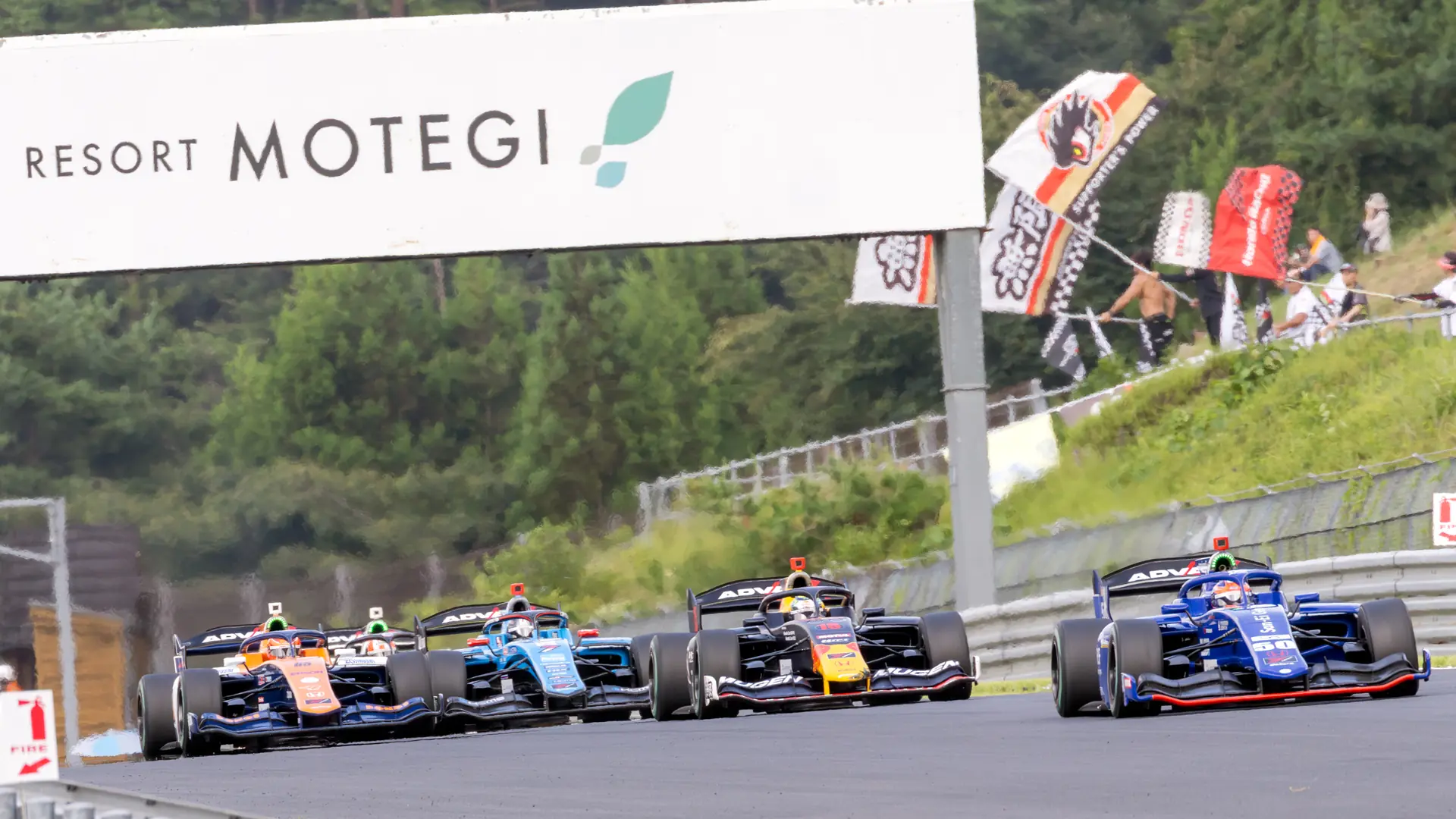
Mobility Resort Motegi, known until 2022 as Twin Ring Motegi, is Honda’s circuit in the hills of Tochigi Prefecture, north of Tokyo. Its stop-and-go road course hosts the Japanese MotoGP Grand Prix, the Super GT finale and Super Formula, and the site also has the Honda Collection Hall museum. Here’s the name, the history, a lap corner by corner, the records, what races there and how to visit.
Motegi at a Glance
Length 4.801 km / 2.983 mi full road course
Turns 14 8 rights and 6 lefts, run clockwise
Elevation change 30.4 m / 100 ft maximum difference across the site, per the circuit
Opened August 1997 as Twin Ring Motegi
Location & owner Motegi, Tochigi owned by Honda, run by Honda Mobilityland
MotoGP lap record 1:42.371 Jorge Martín, Aprilia, 2026 pole
Twin Ring Motegi or Mobility Resort Motegi?
Same place. The circuit opened in 1997 as Twin Ring Motegi, a name that pointed to its two tracks: a road course and a 1.5-mile oval built for American open-wheel racing. On March 1, 2022, for its 25th anniversary, Honda renamed the whole site Mobility Resort Motegi, reflecting that it’s as much a family resort, with a hotel, campsites, forest attractions and a museum, as a racetrack.
You’ll still hear “Twin Ring Motegi” all the time, especially from long-time fans and in older games. In Japan, people often just say Motegi, after the town of Motegi in Tochigi Prefecture where it sits.
The corners mostly carry descriptive names rather than people’s names: the 130R, the S-curve, the V-corner, the Hairpin, the Down-hill straight, the 90-degree corner and Victory corner. The road course also passes under the old oval twice through two underpasses.
Motegi History
Honda built Motegi in the late 1990s to bring American-style oval racing to Japan alongside a modern road course. The oval era ended with the 2011 earthquake, but the road course has become one of Japan’s key circuits, home to MotoGP and the decisive rounds of the country’s top car championships.
- 1997 Honda opens Twin Ring Motegi in August, with a road course and a 1.5-mile oval. The hotel and the Honda Collection Hall follow in 1998.
- 1998 CART’s first Japanese race runs on the oval in March, won by Adrián Fernández. CART races here through 2002, then the IndyCar Series from 2003.
- 1999 The Japanese motorcycle Grand Prix comes to Motegi for the first time. From 2000 to 2003 the track hosts the Pacific Grand Prix, and the Japanese Grand Prix itself has been at Motegi every year since 2004 apart from the pandemic years.
- 2008 Danica Patrick wins the Indy Japan 300, the first woman to win an IndyCar race.
- 2011 The Great East Japan Earthquake damages the oval. IndyCar’s last visit runs on the road course instead, and the oval never hosts another race.
- 2015–17 The World Touring Car Championship races at Motegi.
- 2020–21 The Japanese MotoGP Grand Prix is cancelled two years in a row because of the pandemic.
- 2022 The circuit is renamed Mobility Resort Motegi on March 1.
- 2025 Marc Márquez clinches the MotoGP world title at Motegi, as he had in 2014, 2016 and 2018.
- 2026 Super Formula opens its season at Motegi in April, with Kakunoshin Ohta winning both races. The oval is formally decommissioned and turned into viewing areas and campsites. On a new, grippy surface, Jorge Martín sets a lap record for pole and Marc Márquez wins the MotoGP race on October 4.
Stop and Go: Why Motegi Is All About Braking
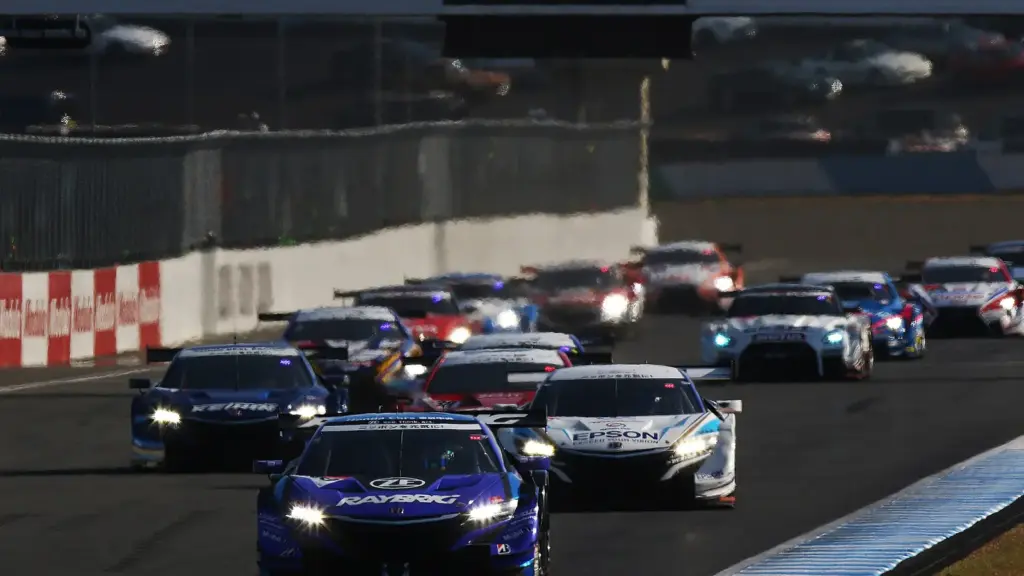
Motegi doesn’t have a corner like the Corkscrew or Eau Rouge. What makes it different is rhythm, or rather the lack of one. The lap is a series of straights joined by slow corners, so you’re constantly accelerating hard, braking hard and turning the car or bike in a short space. Riders and drivers call it a stop-and-go track.
311 → 81 km/h
The 90-degree corner
Brembo counts it as the hardest MotoGP braking zone of the year: about 193 to 50 mph in roughly 230 m (750 ft).
10 of 14
Corners need braking
Seven corners are taken in first or second gear on a MotoGP bike, which makes Motegi famously tough on brakes.
2
Underpasses
The road course dives under the old oval twice, once after Turn 5 and once after the 90-degree corner.
The 90-degree corner at the end of the Down-hill straight is the signature moment. You come down the hill at the highest speed of the lap and then have to slow almost to walking pace for a right-hander. It’s a prime overtaking spot and the place to watch late-braking moves.
Motegi Track Guide: A Lap, Corner by Corner
The full road course runs clockwise for 4.801 km (2.983 mi) with 14 corners. The lap splits into a stop-start first part, a flowing middle section through the 130R and S-curve, and a downhill blast to the 90-degree corner before the Victory corner chicane brings you home. Here’s a lap using the corner names you’ll see on the circuit’s signs and seat maps.
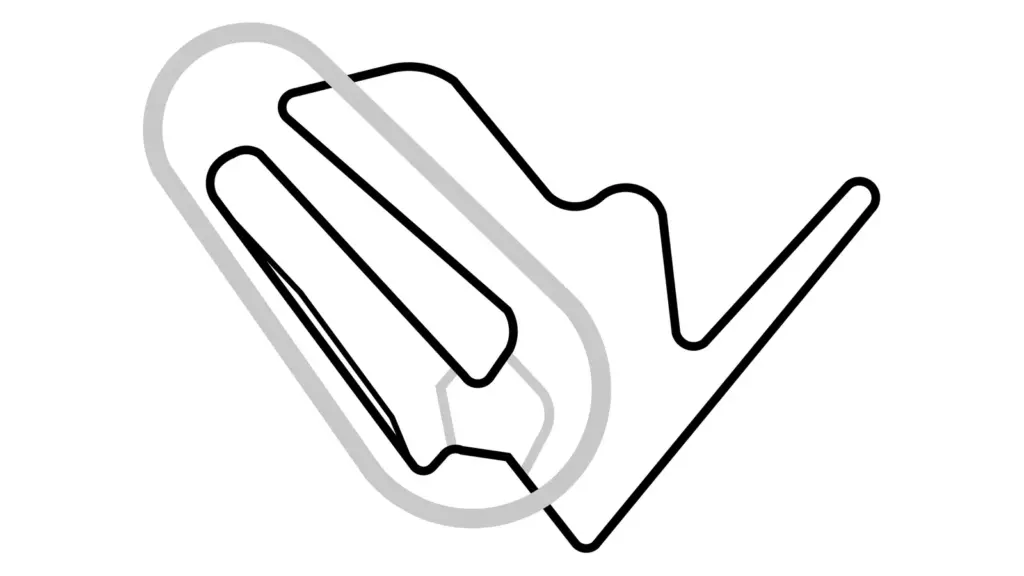
T1–2
Turns 1 and 2
Heavy braking at the end of the 762 m main straight into a pair of right-handers. It’s the busiest overtaking spot on the opening lap.
T3–4
The compound hairpin
A tight double-apex corner where passing is possible if you got a run out of Turn 2.
T5
Turn 5
Another hard stop for a slow corner, then you drop under the oval through the first underpass.
130R
130R
A faster sweep that starts the flowing middle of the lap.
S
S-curve
A quick change of direction. Smooth inputs here pay off in the slow corners that follow.
V
V-corner
A tight, V-shaped corner with heavy braking on the way in. Grandstands here give a close view of late-braking moves.
HP
Hairpin
The slowest corner on the lap and another passing spot, leading onto the long run downhill.
DS
Down-hill straight
The back straight runs downhill and is the fastest part of the lap. It also passes under the oval.
T11
90-degree corner
The hardest braking zone of the lap, slowing to a right-hander at about 81 km/h (50 mph) on a MotoGP bike.
VC
Victory corner
A left-right chicane near the end of the lap, scene of many last-lap moves.
FC
Final corner
The last turn onto the 762 m main straight. A good exit matters for the run to Turn 1.
Motegi Lap Records
Motegi was resurfaced before the 2026 MotoGP weekend, and the new asphalt made the bikes much faster, so the motorcycle records are being rewritten. Here are the benchmarks people ask about most, by class.
1:42.371
MotoGP fastest lap
Jorge Martín set the all-time Motegi motorcycle record on an Aprilia RS-GP in qualifying for the 2026 Japanese Grand Prix.
1:38.350
Super GT GT500
Tadasuke Makino set this lap in a Honda NSX-GT in the 2022 Motegi GT 300 km race.
1:40.2453
IndyCar
Giorgio Pantano’s lap from 2011, the only year IndyCar raced on the road course.
1:48.739
Moto2
Daniel Holgado set the Moto2 lap record at the 2025 Japanese Grand Prix.
Races and Events at Motegi
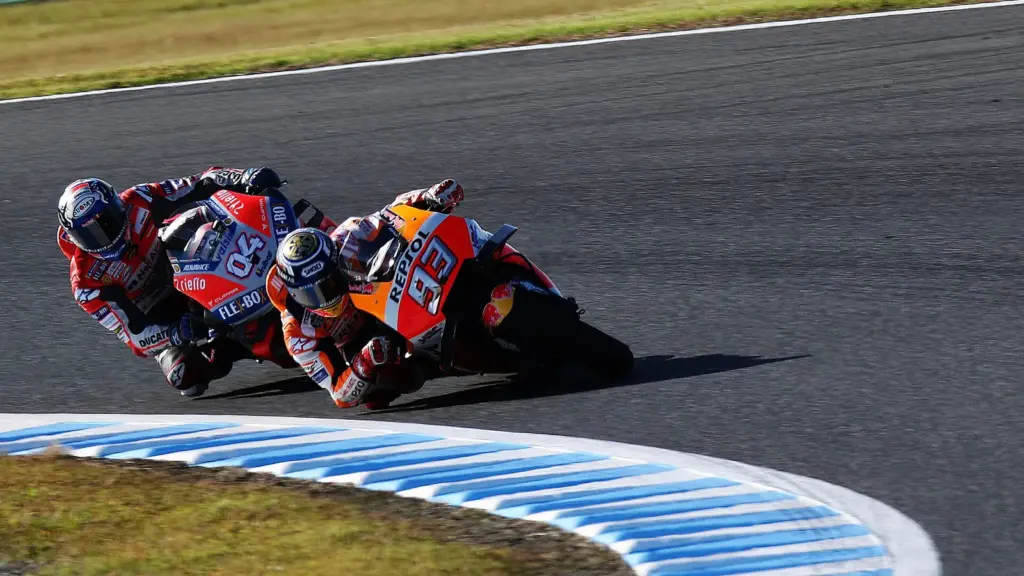
Motegi’s season runs from March to November. MotoGP is the biggest weekend, Super GT brings its championship finale, and Super Formula, Super Taikyu endurance racing and the All Japan Road Race Championship add more race weekends. Here’s what usually runs.
Early fall
Japanese MotoGP Grand Prix
MotoGP Moto2, Moto3
Honda’s home Grand Prix draws Motegi’s biggest crowds. Marc Márquez won the 2026 race on October 4 after Jorge Martín took pole. The 2027 race is set for October 17.
November
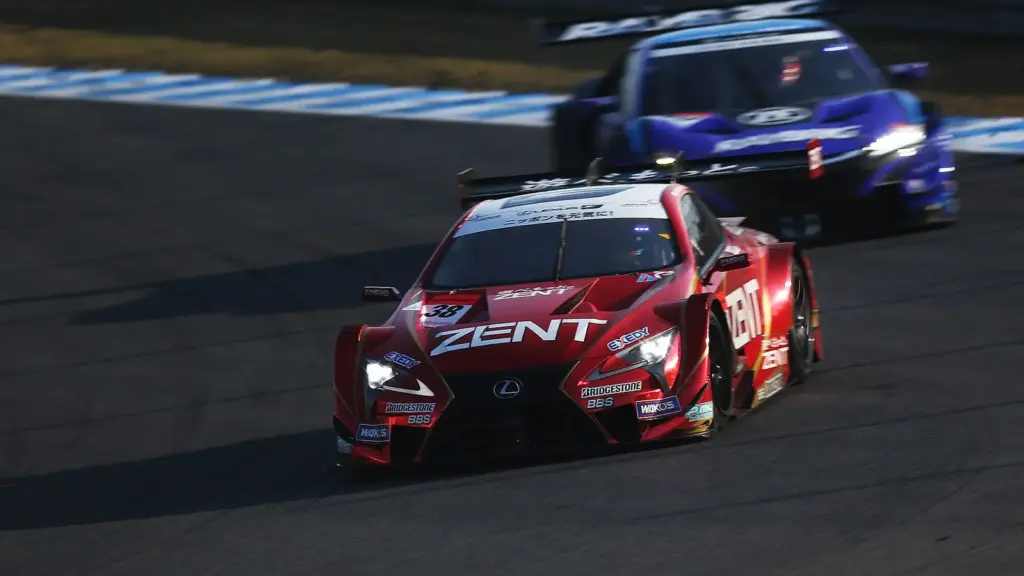
Super GT finale
Super GT GT500 and GT300
Super GT traditionally crowns its champions at Motegi. In 2026 the finale is a double-header on November 7–8, with the Saturday race replacing the cancelled Sepang round. The 2027 finale is planned for November 21.
Spring
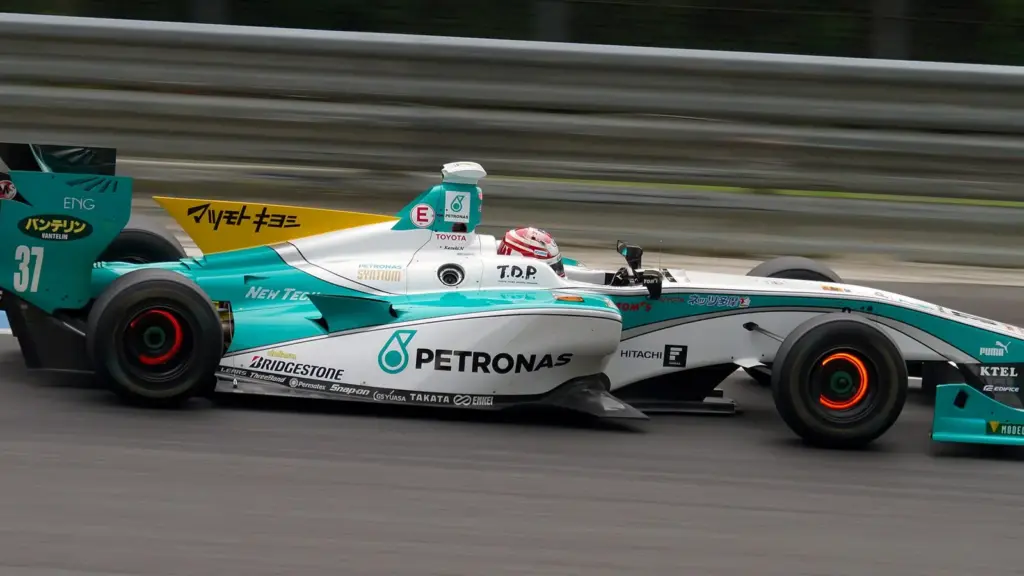
Super Formula
Super Formula
Japan’s top single-seater series opened its 2026 season at Motegi with two races in April, both won by Kakunoshin Ohta. Motegi is round 2 in 2027, on April 16–18.
Year-round
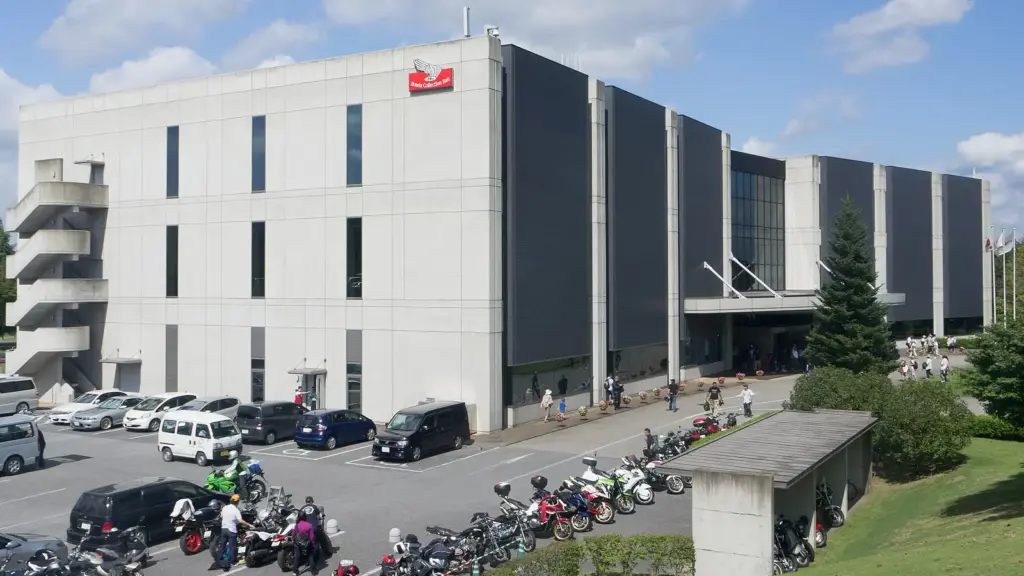
Honda Collection Hall
Museum Honda history
Around 150 Honda machines, from motorcycles and race cars to power products and the HondaJet, fill this museum on the circuit grounds. It reopened after a renewal in March 2024, and entry to the hall itself is free.
Motegi Race Calendar: 2026 and 2027
Here are the major race weekends at Motegi. One-make series, club events and riding and driving schools fill many other days. Dates marked TBA haven’t been announced yet, and some 2027 dates are still provisional, so check the official schedule before you book.
2026 season
| Dates | Event | Series | Status |
|---|---|---|---|
| Mar 21–22 | Super Taikyu round 1 | Super Taikyu endurance | Done |
| Apr 3–5 | Super Formula rounds 1 and 2 | Super Formula, All Japan Road Race | Done |
| Aug 29–30 | All Japan Road Race round 5 | All Japan Road Race (JSB1000) | Done |
| Oct 2–4 | Japanese MotoGP Grand Prix | MotoGP, Moto2, Moto3 | Done |
| Nov 7–8 | Super GT finale double-header | Super GT | Upcoming |
2027 season
| Dates | Event | Series | Status |
|---|---|---|---|
| Apr 16–18 | Super Formula round 2 | Super Formula (provisional) | Upcoming |
| Oct 15–17 | Japanese MotoGP Grand Prix | MotoGP (race on Oct 17) | Upcoming |
| Nov 21 | Super GT finale | Super GT (pending ratification) | Upcoming |
| TBA | Super Taikyu and All Japan Road Race rounds | National series | Date TBA |
Motegi Weather by Season
Motegi is inland in Tochigi, so it gets hot, humid summers and cold, dry winters. The figures below are Japan Meteorological Agency 1991–2020 averages for nearby Utsunomiya; the circuit is in the hills and often a little cooler.
13–23°C / 56–74°F
Spring · Mar–May
Highs climb from about 13°C (56°F) in March to 23°C (74°F) in May, with chilly mornings early in the season. April averages about 122 mm (4.8 in) of rain, so pack a jacket for the Super Formula weekend.
26–31°C / 79–88°F
Summer · Jun–Aug
Hot and humid, with highs of 26–31°C (79–88°F) and warm nights. June’s rainy season and summer thunderstorms bring around 175–215 mm (7–8.5 in) a month.
16–27°C / 61–81°F
Fall · Sep–Nov
September is the wettest month (about 217 mm / 8.5 in) and typhoons can affect race weekends. By the October MotoGP highs are around 21°C (71°F), and the November Super GT finale is cool at about 16°C (61°F).
9–11°C / 47–51°F
Winter · Dec–Feb
Dry and sunny, with highs of 9–11°C (47–51°F) and frosty nights below freezing. There’s no major racing.
Visiting Motegi: Tickets, Getting There and Where to Watch
Motegi is a big, well-organized site, but it’s in the countryside, so getting there is the main thing to plan. For the 2026 MotoGP, advance adult general admission was ¥13,000, with grandstand seats from ¥17,000, and the circuit offered free admission to fans aged 16–23 through its ZERO Yen Pass. Every MotoGP ticket included a three-day park pass; parking is extra and sells out.
Where to watch
- Main grandstand. The start, the pits and the braking zone into Turns 1 and 2.
- V-corner. Close-up views of heavy braking and passing in the middle of the lap.
- 90-degree corner. The Z seats overlook the hardest braking zone on the lap.
- Victory corner. Decks and terraces at the last chicane, where last-lap moves happen.
Getting there
From Tokyo, take the Tohoku Shinkansen to Utsunomiya, then the Utsunomiya Light Rail line and a shuttle bus on race weekends. Reserved Motegi GP Express buses also run from Tokyo, Shinjuku and nearby cities. If you drive, expect long queues on race days; the circuit runs a park-and-ride with a free shuttle.
Where to stay and tips
The on-site hotel and campsites put you right at the track but book up early; otherwise Utsunomiya and Mito are the usual bases. Bring rain gear for fall race weekends, and leave time for the Honda Collection Hall and the Hello Woods forest area if you have family along.
Can You Drive Motegi?
Yes. The circuit runs its own programs for drivers and riders, from beginner circuit-driving lessons and the Motegi Challenge driving event to the Motegi Enjoy A-License, which gets you a one-day Japanese domestic racing license. Riders have the Motegi Racing School, riding club days and a one-day MFJ license course. Most programs are run in Japanese and need advance booking.
Racing karts for adults and kids run on the site too, and the shorter North Course hosts kart races.
To learn the lap at home, Motegi is in iRacing (road course, East and West courses and the oval) and in the official MotoGP games, including MotoGP 26.
Talk Motegi With Other Enthusiasts
Planning a trip to the Japanese Grand Prix, the Super GT finale or the Honda Collection Hall? Share what you know, ask questions and find people going the same weekend in the AutoGathering community.
- Japanese MotoGP trips
- Super GT finale
- Getting to Motegi
- Best viewing spots
- Honda Collection Hall
- Driving and riding schools
- iRacing lap times
- Japan circuit road trips
Motegi FAQ
Is Twin Ring Motegi the same as Mobility Resort Motegi?
Yes. Twin Ring Motegi was renamed Mobility Resort Motegi on March 1, 2022, for its 25th anniversary.
How long is the Motegi circuit?
The full road course is 4.801 km (2.983 miles) long with 14 corners, and it runs clockwise.
When is the next MotoGP race at Motegi?
The 2027 Japanese Grand Prix is scheduled for October 17, 2027.
Who won the 2026 Japanese MotoGP Grand Prix?
Marc Márquez won the race on October 4, 2026, ahead of Jorge Martín and Marco Bezzecchi.
Is the Motegi oval still used?
No. It hasn’t hosted a race since the 2011 earthquake damaged it, and in 2026 it was formally decommissioned and turned into viewing areas and campsites.
How do you get to Motegi from Tokyo?
Take the Shinkansen to Utsunomiya, then the light rail and a shuttle bus on race weekends, or book a direct GP Express bus from Tokyo.
Is the Honda Collection Hall free?
Entry to the hall itself is free. It has around 150 Honda machines on display.
Can you drive on the Motegi circuit?
Yes, through the circuit’s own driving and riding schools, license courses and karting. Most programs are in Japanese and need booking.
Explore More Racing Circuits
Motegi is one of 28 circuits in our Asian racing directory. If you’re planning a Japan trip, Suzuka hosts the Super Formula finale, and Tsukuba Circuit is closer to Tokyo.
Photo credits
- Header image: Morio, CC BY-SA 4.0, cropped and resized.
- Super GT cars on the main straight…: Takayuki Suzuki, CC BY-SA 2.0, cropped and resized.
- Map of the Motegi road course, shown…: Spyder_Monkey, Public domain, cropped and resized.
- MotoGP bikes racing at Twin Ring Motegi…: Takayuki Suzuki, CC BY-SA 2.0, cropped and resized.
- A Lexus LC500 and a Honda NSX-GT…: Takayuki Suzuki, CC BY-SA 2.0, cropped and resized.
- A Super Formula car on track at…: Morio, CC BY-SA 4.0, cropped and resized.
- The Honda Collection Hall museum building at…: Morio, CC BY-SA 3.0, cropped and resized.