
Fuji Speedway
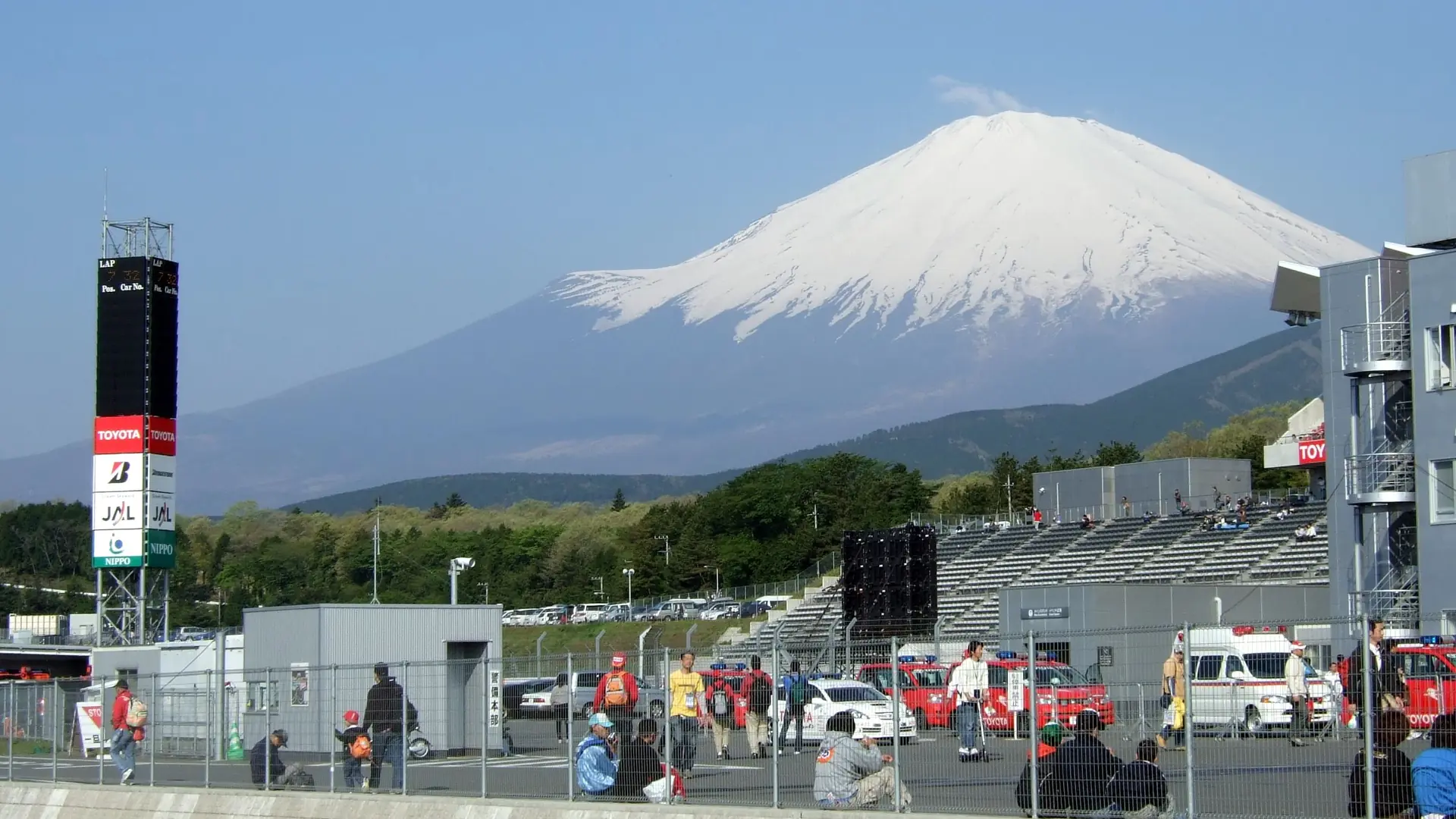
Fuji Speedway is the Toyota-owned circuit at the foot of Mount Fuji, with one of the longest straights in racing, a past that includes two eras of Formula 1, and a modern calendar built around the WEC 6 Hours of Fuji, Super GT, Super Formula and the Fuji 24 Hours. Here’s everything you’ll want to know before you go or before you fire it up in a sim: the name, the history, a corner-by-corner lap, the lap records, the 2026 and 2027 race dates, the weather by season, and how to drive it yourself.
Fuji Speedway at a Glance
Length 4.563 km / 2.835 mi current Grand Prix layout, in use since 2005
Corners 16 10 rights and 6 lefts, run clockwise
Main straight 1.475 km / 0.917 mi Hypercars top 310 km/h (195 mph) at the end of it
Opened January 1966 rebuilt and reopened in April 2005
Location & owner Oyama, Shizuoka owned by Toyota since 2000
Race lap record 1:18.426 Felipe Massa, Ferrari, Formula 1, 2008
Why Is Fuji Speedway Called a “Speedway”?
Because it was meant to be one. In December 1963 a company called Japan NASCAR was set up, and in early 1964 it signed a deal with NASCAR founder Bill France to build a 2.5-mile (4 km) high-banked superspeedway near Mount Fuji. Stirling Moss, hired as a consultant, pushed for a road course instead, and in January 1965 the company was renamed Fuji International Speedway Corporation. The oval plan was dropped, but the “Speedway” name stuck, and so did one steep banked corner, for a while.
That old company name is also where the nickname FISCO comes from, short for Fuji International Speedway Co. You’ll still see it on driving licenses and in sim racing: iRacing and Gran Turismo both call the track Fuji International Speedway. In Japanese it’s 富士スピードウェイ, and of course it’s named for the mountain that towers over the circuit.
Corner names are a mix of sponsors and numbers. TGR Corner (for Toyota Gazoo Racing), Coca-Cola Corner, Advan Corner, Dunlop Corner, GR Supra Corner and Panasonic Corner carry sponsor names; the rest are simply named for their radius in meters, like 100R and 300R.
Fuji Speedway History
Fuji has had more lives than most racetracks: a NASCAR dream that became a road course, a dangerous banked era, two short spells of Formula 1 thirty years apart, and a Toyota rebuild that turned it into Japan’s endurance-racing home. Here’s how it got from there to here.
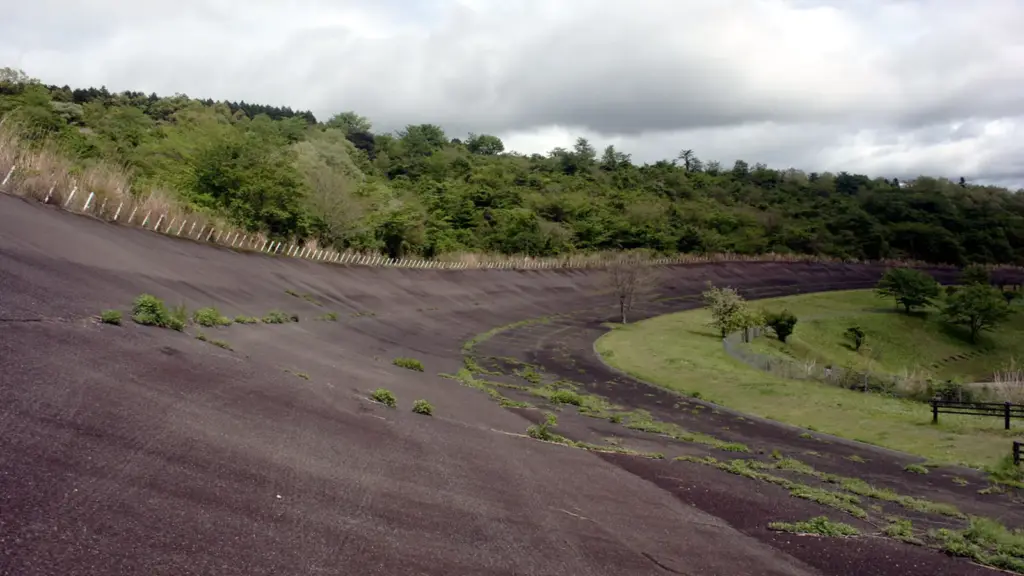
- 1964 Japan NASCAR signs with Bill France to build a superspeedway. The plan soon changes to a road course, and the company becomes Fuji International Speedway Corporation in 1965.
- 1966 The circuit opens in January after construction wraps up in December 1965. The original 6 km layout keeps a 30-degree banked first corner from the oval plan, and it hosts the Japanese motorcycle Grand Prix in 1966 and 1967.
- 1974 Drivers Hiroshi Kazato and Seiichi Suzuki are killed in a crash on the banking. The banked turn is bypassed for good, and a shorter 4.359 km layout takes over.
- 1976 Japan’s first Formula 1 World Championship race runs here in heavy rain. Mario Andretti wins, Niki Lauda withdraws, and James Hunt takes the title by a single point.
- 1977 Gilles Villeneuve’s Ferrari flies into a restricted area, and two spectators are killed. F1 doesn’t return to Japan until Suzuka in 1987.
- 1982–88 Fuji hosts rounds of the World Sportscar Championship, and Japanese sports-car racing booms.
- 2000 Toyota buys the circuit and plans a full rebuild.
- 2005 The circuit reopens in April after a redesign by Hermann Tilke, with the long straight kept and a new, tighter final sector.
- 2007 Formula 1 returns. Lewis Hamilton wins in torrential rain, but traffic and shuttle-bus problems leave thousands of fans stranded.
- 2008 Fernando Alonso wins for Renault. Toyota then stops hosting, and the Japanese Grand Prix stays at Suzuka from 2009.
- 2012 The FIA World Endurance Championship arrives with the first 6 Hours of Fuji.
- 2018 Super Taikyu starts the Fuji 24 Hours, the first 24-hour race in Japan in decades.
- 2021 The Tokyo 2020 Olympic road cycling races finish at the circuit.
- 2022 The Fuji Speedway Hotel and the Fuji Motorsports Museum open next to the track on October 7.
- 2026 Toyota wins the 6 Hours of Fuji on September 27 with the No. 8 car of Sébastien Buemi, Brendon Hartley and Ryo Hirakawa, in front of about 72,000 fans.
The Main Straight and TGR Corner
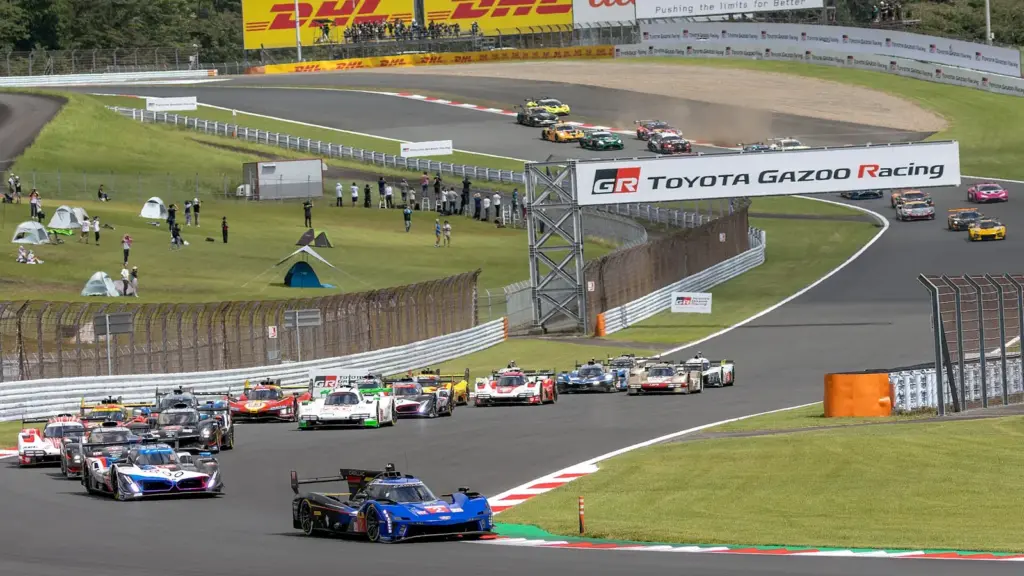
Fuji’s signature isn’t a corner, it’s the run to one. The main straight is 1.475 km long, so cars spend a big chunk of every lap flat out, and teams have to trim their wings for top speed without giving up too much grip in the twisty final sector. It’s a real balancing act for the engineers.
1.475 km
One straight
That’s 0.917 miles, about a third of the whole lap, and one of the longest straights on any modern circuit.
310+ km/h
Top speed
Toyota says Hypercars pass 195 mph before braking for Turn 1.
27R
TGR Corner
A tight right at the bottom of the straight, and the place where most passing happens.
At the end of it comes TGR Corner, a heavy-braking right where you go from top speed to second or third gear. Slipstreaming down the straight sets up moves into it, and on the opening lap of a race it’s where you’ll see the most drama.
Fuji Speedway Track Guide: A Lap, Corner by Corner
Fuji is really two tracks in one. The first two-thirds of the lap is fast and flowing, with the giant straight, quick sweepers and a hairpin. The final sector, rebuilt in 2005, is slow and tight, so a car set up for the straight struggles there, and vice versa. Here’s how a lap goes, with the corner names you’ll hear on TV.
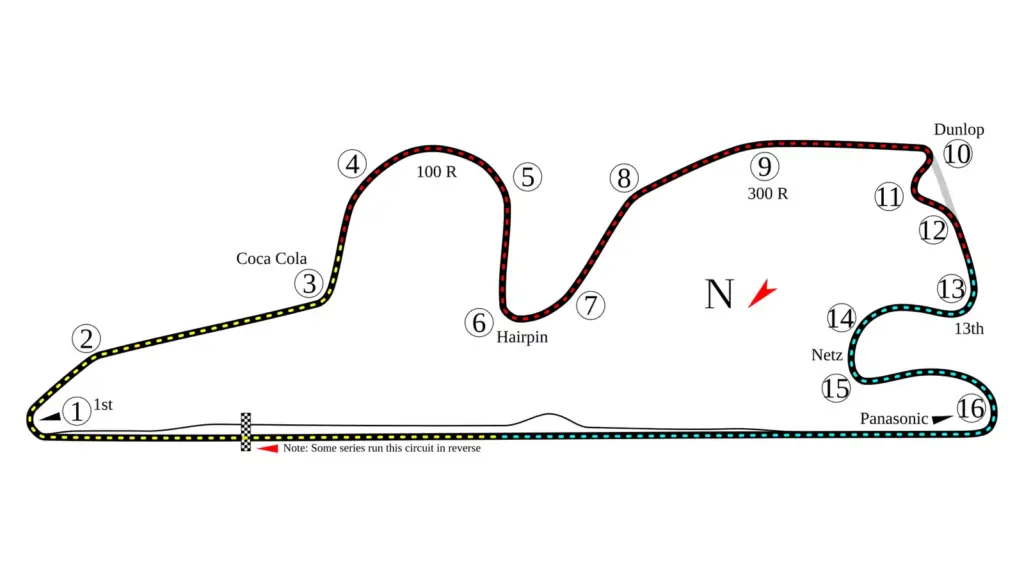
Turn 1
TGR Corner
Hard braking from top speed into a tight right. Late braking wins places; overdo it and you’re in the run-off.
Opening section
75R
A short, quick kink that leads you out of Turn 1 and onto a short burst of throttle.
Opening section
Coca-Cola Corner
A fast left (80 m radius). Commit early and carry speed toward 100R.
Middle section
Toyopet 100R
A long, sweeping right with a steady throttle. Smooth hands pay off here, especially on old tires.
Middle section
Advan Corner
The hairpin, a slow left at the bottom of the hill and a good overtaking spot, especially in Super GT traffic.
Middle section
120R and 300R
Fast curves on the way back across the circuit. 300R is taken at very high speed and needs a lot of confidence.
Final sector
Dunlop Corner
A slow, heavy-braking corner after 300R, with a tricky exit. It marks the start of the tight final sector.
Final sector
30R and 45R
The technical sector Toyota describes as all about grip and traction. Each tight corner leads straight into the next.
Final sector
GR Supra Corner
A tight, slow corner (called Netz Corner on older maps) that sets you up for the last turn.
Final corner
Panasonic Corner
The final right onto the main straight. Your exit here decides your speed all the way to Turn 1.
Fuji Speedway Lap Records
As at every track, only laps set in a race count as the official record, and Fuji’s still belongs to the last Formula 1 race here in 2008. Here are the numbers people usually ask about. In Super GT, the GT500 race lap record is 1:28.441, set by Nirei Fukuzumi in a GR Supra in August 2025.
1:18.426
Race lap record
Felipe Massa in a Ferrari F2008 during the 2008 Japanese Grand Prix, still the official lap record.
1:18.404
2008 F1 pole
Lewis Hamilton’s qualifying lap in a McLaren. Quicker, but it doesn’t count because it wasn’t set in a race.
1:21.391
Super Formula
Nirei Fukuzumi’s race lap in a Dallara SF19 in December 2020.
1:30.486
Hypercar (LMDh)
Victor Martins in an Alpine A424 during the 2026 6 Hours of Fuji, the fastest race lap that day.
Races and Events at Fuji Speedway
Fuji is busy all year with national championships, one-make series, club racing and Toyota events on top of the big international weekends. The headline acts are the WEC (the championship behind the 24 Hours of Le Mans), Super GT and Super Formula. It also hosted Formula 1 in 1976, 1977, 2007 and 2008. Here are the main events, with 2026 dates and results for reference.
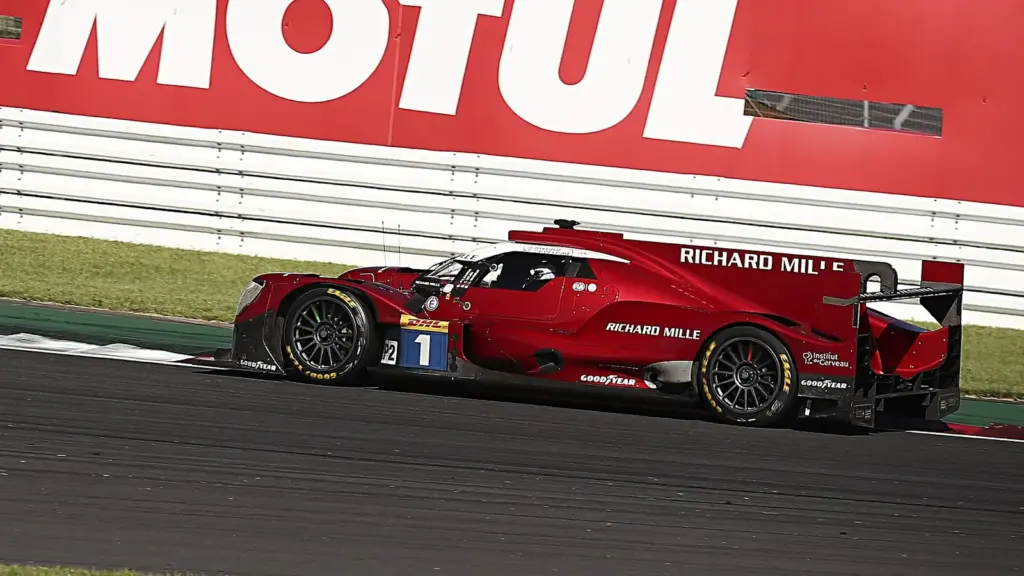
September
6 Hours of Fuji
FIA World Endurance Championship Since 2012
Toyota’s home race. In 2026 the No. 8 Toyota won on September 27, ahead of the pole-sitting Alpine and a BMW. The 2027 race is set for September 26.
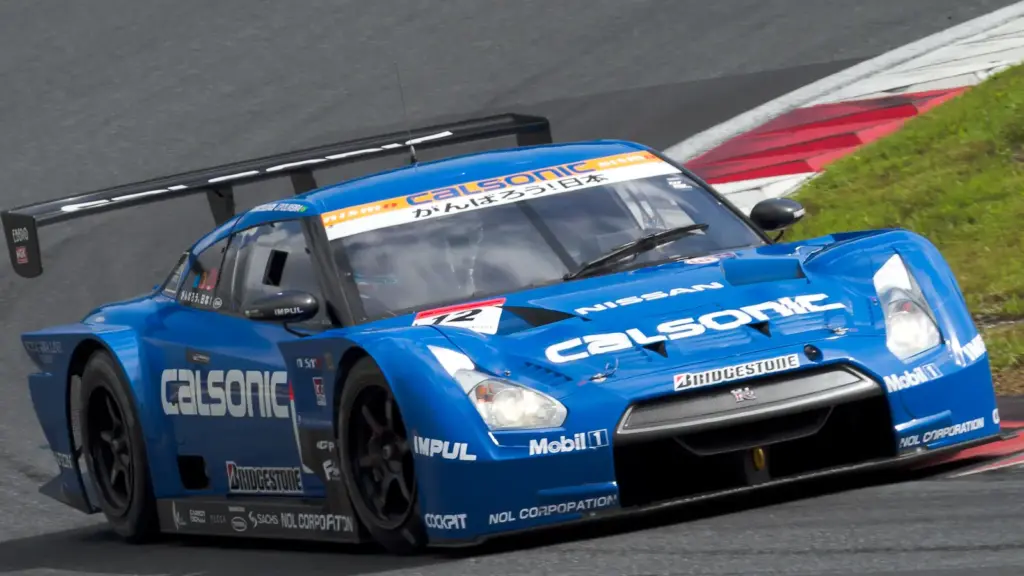
May and August
Super GT at Fuji
Super GT GT500 and GT300
Fuji hosts the Golden Week holiday race in early May, a fan favorite, plus a summer round. GT500 and GT300 cars share the track in one race.
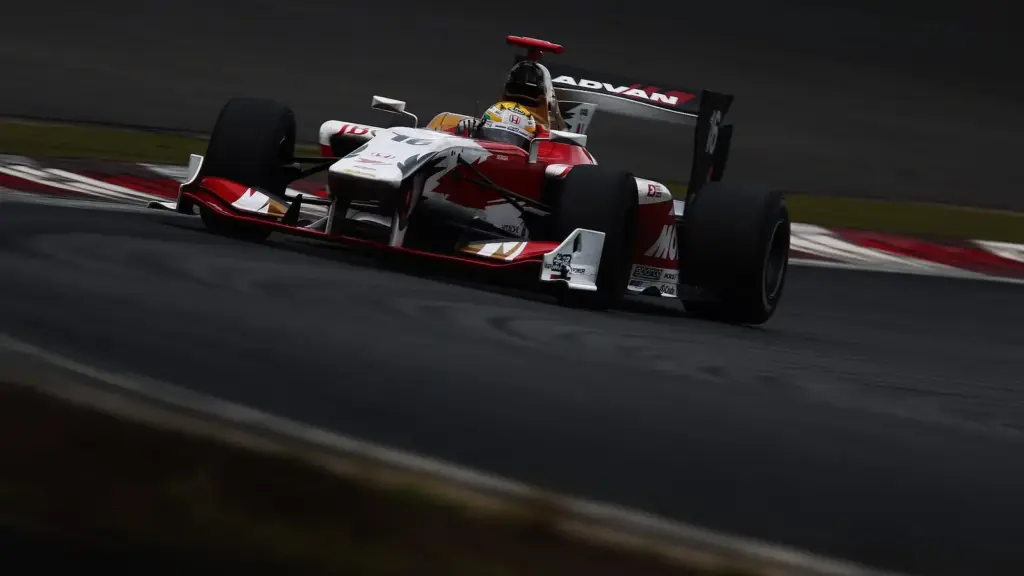
July and October
Super Formula
Super Formula Single-seaters
Japan’s top single-seater series, with cars that lap not far off old F1 times here. Fuji hosted two weekends in 2026, in July and October.
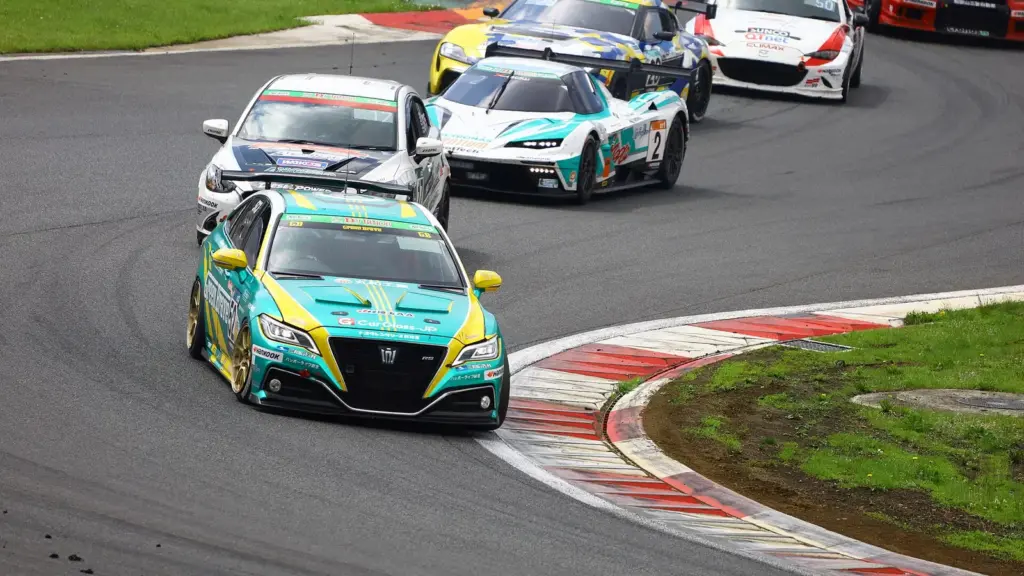
Early June
Fuji 24 Hours
Super Taikyu Endurance
A 24-hour race for production-based cars, run since 2018, where you’ll see everything from GT3 cars to hydrogen-powered prototypes. The 2026 race ran June 6–7.
Fuji Speedway Race Calendar: 2026 and 2027
Here are the big public weekends at Fuji, so you can plan a trip around the racing you want to see. National series, one-make races, track days and Toyota events fill many of the other weekends. Dates marked TBA haven’t been announced yet, and provisional dates can still change, so always check the official schedule before you book.
2026 season
| Dates | Event | Series | Status |
|---|---|---|---|
| May 3–4 | Fuji GT 3 Hours (Golden Week) | Super GT, round 2 | Done |
| Jun 6–7 | Fuji 24 Hours | Super Taikyu | Done |
| Jul 18–19 | Super Formula double-header | Super Formula | Done |
| Aug 1–2 | Fuji GT 300 km | Super GT, round 3 | Done |
| Sep 27 | 6 Hours of Fuji (race day) | FIA World Endurance Championship | Done |
| Oct 10–11 | Super Formula, rounds 9 and 10 | Super Formula | Done |
| Nov 15 | Super Taikyu season final (4 hours) | Super Taikyu | Upcoming |
2027 season
| Dates | Event | Series | Status |
|---|---|---|---|
| May 4 | Golden Week race | Super GT | Provisional |
| Jun (TBA) | Fuji 24 Hours | Super Taikyu | Date TBA |
| Jul 16–18 | Super Formula | Super Formula | Upcoming |
| Sep 24–26 | 6 Hours of Fuji (race Sep 26) | FIA World Endurance Championship | Upcoming |
| Oct 8–10 | Super Formula | Super Formula | Upcoming |
| Nov 7 | Autumn race | Super GT | Provisional |
Fuji Speedway Weather by Season
Fuji sits in the foothills of Mount Fuji, well above the coast, so it’s cooler than Tokyo and a lot wetter: neighboring Gotemba averages close to 2,900 mm (113 in) of rain a year, and both the 2007 and 2008 F1 races were hit by rain. The numbers below are typical daily highs and lows for Gotemba, the nearest weather station (1991–2020 averages from the Japan Meteorological Agency). Mountain weather changes fast, so check the forecast on the day and pack for rain.
12–21°C
Spring · Mar–May
Daily highs climb from about 12°C (53°F) in March to 21°C (69°F) in May, with lows from 2°C to 12°C (36–53°F). It’s already wet, with about 250 mm (10 in) of rain a month. Bring a warm layer for Golden Week Super GT, and a rain jacket.
24–29°C
Summer · Jun–Aug
Daily highs of 24–29°C (74–84°F) and lows of 16–21°C (61–70°F), so it’s cooler than Tokyo, but muggy. June and July are very wet, with about 360 mm (14 in) of rain in July. Expect clouds to hide the mountain on many days of the Fuji 24 Hours and summer Super GT.
15–26°C
Autumn · Sep–Nov
Daily highs fall from about 26°C (78°F) in September to 15°C (59°F) in November, with lows from 18°C to 6°C (64–42°F). September is the wettest month, with about 370 mm (15 in) of rain, and typhoon season, so the 6 Hours can be soggy. By November it’s cooler and drier.
8–10°C
Winter · Dec–Feb
Daily highs of about 8–10°C (46–51°F) and lows around −2 to 1°C (28–33°F), the coldest and driest time of year, with about 100–130 mm (4–5 in) of rain a month. Big races take a break, but crisp, clear days give you the best views of snow-capped Mount Fuji.
Visiting Fuji Speedway: Tickets, Getting There and Tips
Fuji is a big, open venue that holds about 110,000 people, with grassy banks, grandstands and a view of Mount Fuji from much of the site. It’s also a long way from a train line, so getting in and out takes the most planning.
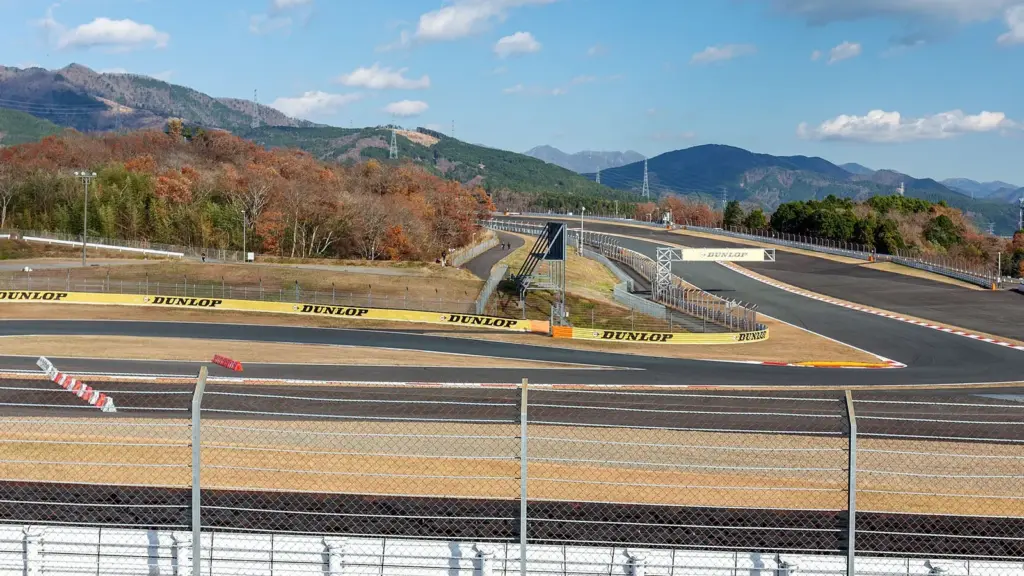
Where to watch
- The main grandstand. Opposite the pits, with the start, pit stops and the big screens, and a classic view of Mount Fuji on a clear day.
- TGR Corner. The end of the straight, where cars brake from top speed and most passes happen. Great for the start of a race.
- Advan Corner. The hairpin is slow enough to see the cars clearly, and there’s plenty of passing, especially in multi-class races.
- Dunlop Corner and the final sector. Heavy braking, tight corners and cars on the limit, with views across the infield.
Tickets
Tickets for the 6 Hours of Fuji, Super GT, Super Formula and the Fuji 24 Hours are sold through the circuit’s official site and each series. General-admission tickets let you roam the spectator areas, with reserved grandstand seats on the big weekends. The WEC also runs Circuit Safari bus rides around the track during practice, which are worth booking if you can.
Getting there and what to bring
The circuit is about 100 km (60 miles) west of Tokyo, roughly 80 minutes by car. Without a car, take a train to Gotemba Station, where there are infrequent daily buses to the circuit, or Suruga-Oyama Station, with buses on weekends only. A taxi from either station takes about 20 minutes and costs around ¥3,500 one way. On big race weekends, check the event page for extra shuttles and parking, and leave plenty of time: the 2007 Grand Prix showed how bad the traffic can get. Pack a rain jacket whatever the forecast says.
Right on site, the Fuji Speedway Hotel has 120 rooms, an onsen spa and views over the track, and the Fuji Motorsports Museum inside it shows about 40 race cars from 10 manufacturers. Book early for race weekends.
Can You Drive Fuji Speedway?
Yes, though you’ll need to jump through some hoops first. To run your own car in Fuji’s sports-driving sessions, you need a FISCO circuit license, which means taking the circuit’s license course and following its rules for cars and safety gear. Check the official site for current requirements before you plan a trip, especially if you’re visiting from abroad.
For something simpler, the Fuji Speedway Hotel books driving experiences in premium cars, and Toyota fan events at the circuit, such as FUJI 86/BRZ Style in September 2026, have included ride-alongs and introductory driving lessons. Track time is also shared with clubs and one-make series, so open sessions vary by week.
Want to learn the lap first? Fuji is in Gran Turismo 7, iRacing and Le Mans Ultimate, usually listed as Fuji International Speedway. Practice the final sector: it’s where most of your lap time hides.
Talk Fuji Speedway With Other Enthusiasts
Heading to the 6 Hours of Fuji, planning a Japan car-culture trip or chasing a Fuji sim time? Share what you’ve learned, ask questions and find people going the same weekend in the AutoGathering community.
- 6 Hours of Fuji trips
- Super GT Golden Week
- Getting to Fuji without a car
- Best spots to watch
- Fuji 24 Hours
- Fuji Motorsports Museum
- Sim racing lap times
- Japan car-culture trips
Fuji Speedway FAQ
How long is Fuji Speedway?
The current Grand Prix layout is 4.563 km (2.835 miles) long, with 16 corners. Its main straight is 1.475 km (0.917 miles) long.
Who owns Fuji Speedway?
Toyota, which bought the circuit in 2000 and had it rebuilt before it reopened in 2005.
Why is it called a speedway if it’s a road course?
It was first planned as a NASCAR-style banked oval in 1964. The plan changed to a road course, but the name stayed.
Does Formula 1 still race at Fuji?
No. Fuji hosted F1 in 1976, 1977, 2007 and 2008. The Japanese Grand Prix has been held at Suzuka every year since 2009.
When is the 2027 6 Hours of Fuji?
September 24–26, 2027, with the race on Sunday, September 26. The 2026 race was won by Toyota on September 27.
What is the lap record at Fuji Speedway?
The official race lap record is 1:18.426, set by Felipe Massa in a Ferrari during the 2008 Japanese Grand Prix.
How do you get to Fuji Speedway?
It’s about 80 minutes by car from Tokyo. By train, go to Gotemba Station (daily buses) or Suruga-Oyama Station (weekend buses), or take a taxi of about 20 minutes from either.
Can you see Mount Fuji from Fuji Speedway?
Yes, it towers over the circuit and you can see it from much of the site. Clouds often hide it in the wet summer months; clear views are most likely on cool, dry days in late autumn and winter.
Explore More Racing Circuits
Fuji Speedway is one of 28 circuits in our Asian racing directory, and one of eight in Japan. Making a trip of it? Suzuka Circuit, home of the Japanese Grand Prix, is about three hours away by car.
Photo credits
- Header image: MATSUOKA Kohei, CC BY 2.0, cropped and resized.
- Hypercars and GT3 cars on the opening…: Morio, CC BY-SA 4.0, cropped and resized.
- Track map of the current Fuji Speedway…: Will Pittenger, CC BY-SA 3.0, cropped and resized.
- Cars racing at the 2022 WEC 6…: United Autosports, CC BY-SA 2.0, cropped and resized.
- Nissan GT-R GT500 car at the 2011…: Morio, CC BY-SA 3.0, cropped and resized.
- Super Formula car at Fuji Speedway in…: https://www.flickr.com/photos/78475089@N02/, CC BY-SA 2.0, cropped and resized.
- Cars from different classes sharing Dunlop Corner…: Kamiki tanishun, CC BY-SA 4.0, cropped and resized.
- The abandoned 30-degree banked first corner of…: Morio, CC BY-SA 3.0, cropped and resized.
- Dunlop Corner at Fuji Speedway, December 2023: Morio, CC BY-SA 4.0, cropped and resized.