
Okayama International Circuit
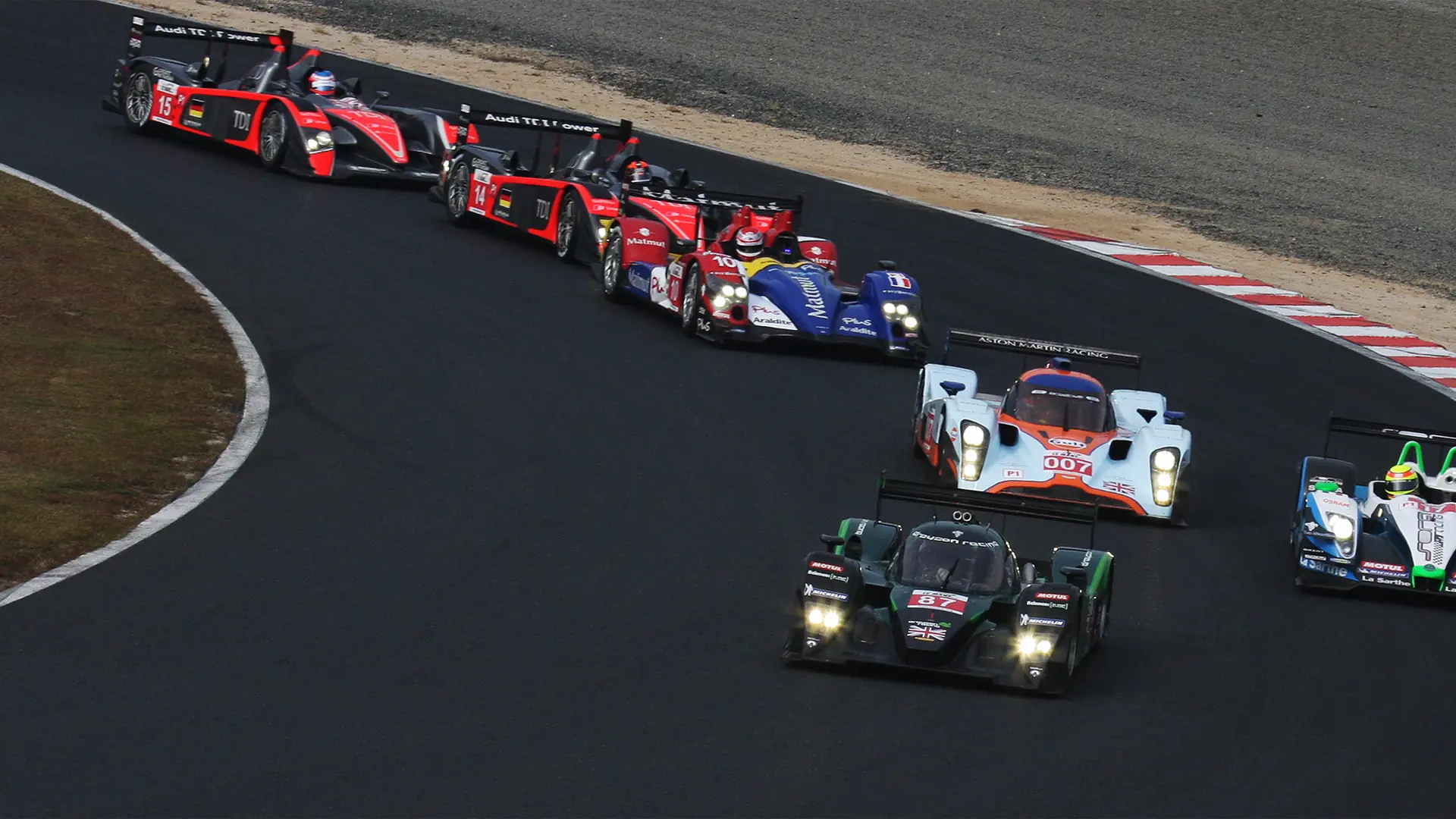
Okayama International Circuit is the tight, hilly track in the countryside of western Japan that hosted Formula 1 twice in the 1990s as the TI Circuit Aida. Today it usually opens the Super GT season. Here’s what you’ll want to know before you watch a race, book a track day or try it in iRacing: the name, the history, the hairpins, a lap corner by corner, the lap records, what races there and how to get there.
Okayama at a Glance
Length 3.703 km / 2.301 mi Grand Prix layout; bikes use a 3.747 km version
Turns 13 tight and technical, with two hairpins
Elevation change 29 m / 95 ft lowest at Atwood Curve, highest at Hobbs
Opened November 18, 1990 as the TI Circuit Aida
Location & owner Mimasaka, Okayama owned by Aska Corporation since 2012
Race lap record 1:14.023 Michael Schumacher, Formula 1, 1994
TI Circuit Aida or Okayama International Circuit?
Same track, two names. It opened as the TI Circuit Aida, and that’s the name you’ll see in the 1994 and 1995 Formula 1 results. “TI” stood for Tanaka International, the company of golf-course developer Hajime Tanaka, who built the place, and Aida was the name of the rural district it sits in. Plenty of fans still just call it Aida.
After Tanaka International ran into financial trouble, new owners took over in 2004, and from the start of 2005 it’s been Okayama International Circuit. Most people shorten that to Okayama. There’s no sponsor in the name. Since 2012 the track has belonged to Aska Corporation, an auto-parts maker based in Kariya, Aichi.
The corner names are a story of their own. Many honor British racing drivers, such as Stirling Moss, Richard Attwood, David Piper, Brian Redman and David Hobbs, which is why a track in rural Japan has corners called Moss S and Redman. And for its 30th anniversary the circuit even got its own short anime, Hairpin Double, which aired on BS Fuji in 2022.
Okayama International Circuit History
Okayama was born in Japan’s bubble-economy years as a rich man’s dream: a private, members-only racetrack in the hills. It got Formula 1 almost immediately, lost it just as quickly, went through bankruptcy and two changes of owner, and settled into life as one of the regular stops of Japanese racing, with Super GT as its headline event.
- 1989 Ground is broken. Hajime Tanaka sells golf courses to fund the project and plans it as an exclusive members’ club, selling about 350 lifetime memberships at ¥15 million each.
- 1990 The TI Circuit Aida opens on November 18.
- 1994 Formula 1 arrives for the first Pacific Grand Prix on April 17. Ayrton Senna takes pole, and Michael Schumacher wins for Benetton.
- 1995 The second Pacific Grand Prix, moved from spring to October 22 after the Kobe earthquake, is another Schumacher win, and it clinches his second world title. Formula 1 never returns, mostly because the track is so hard to reach.
- 1999 Japan’s GT championship, today’s Super GT, starts racing here. It has visited almost every year since.
- 2003 Tanaka International files for civil rehabilitation, Japan’s version of bankruptcy protection.
- 2005 After a takeover by new owners in 2004, the track becomes Okayama International Circuit on January 1.
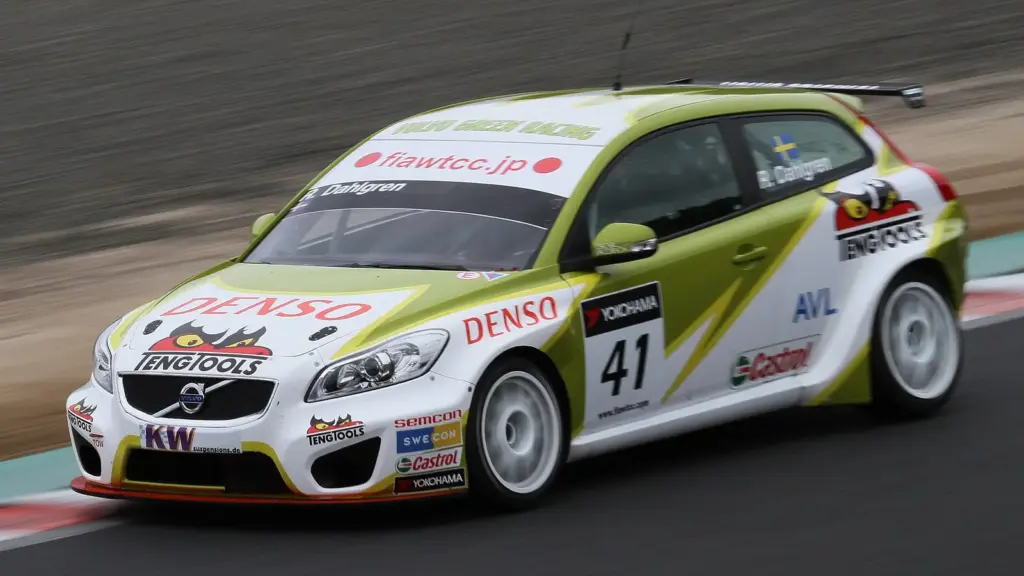
- 2008 The World Touring Car Championship brings its Race of Japan to Okayama for a three-year run through 2010. In 2009 the track also hosts the Asian Le Mans Series 1000km of Okayama.
- 2012 Aska Corporation buys the circuit.
- 2020 The run-off at Moss S is enlarged and a motorcycle-only chicane is added before Williams Corner, after a fatal motorcycle crash at Moss S in 2017.
- 2026 Super GT opens its season here on April 11–12, and the au TOM’S Toyota GR Supra wins GT500 at Okayama for the third year in a row.
The Hairpins at Okayama
Okayama doesn’t have one famous corner the way some tracks do. What it has is a cluster of slow ones, and they decide most races. At the end of the back straight you hit the Hairpin, the heaviest braking zone on the lap and the main place to pass. Then, before you’ve really got going again, comes the Double Hairpin: the Redman and Hobbs corners, back to back.
~700 m
The back straight
About 2,300 ft, the longest straight on the lap, climbing gently from Atwood Curve to the Hairpin.
2
Hairpins in a row
After the Hairpin comes the Double Hairpin, formed by the Redman and Hobbs corners.
29 m / 95 ft
Up and down
Atwood is the lowest point and Hobbs the highest, so the slow corners come with a climb.
For Super GT this section is where the drama happens. GT500 and GT300 cars share the track, and on a circuit this tight the fast cars have to pick their moment to get past the slower class. Get the Hairpin wrong and you lose a lot of time; get the exit of Hobbs wrong and you’re a sitting duck through the last part of the lap.
Okayama Track Guide: A Lap, Corner by Corner
Okayama packs 13 turns into 3.7 km, so there’s always something happening. Drivers usually talk about it by corner names rather than numbers, so that’s how we’ve laid out the lap below. The aerial photo shows how the track folds back on itself in the wooded hills.
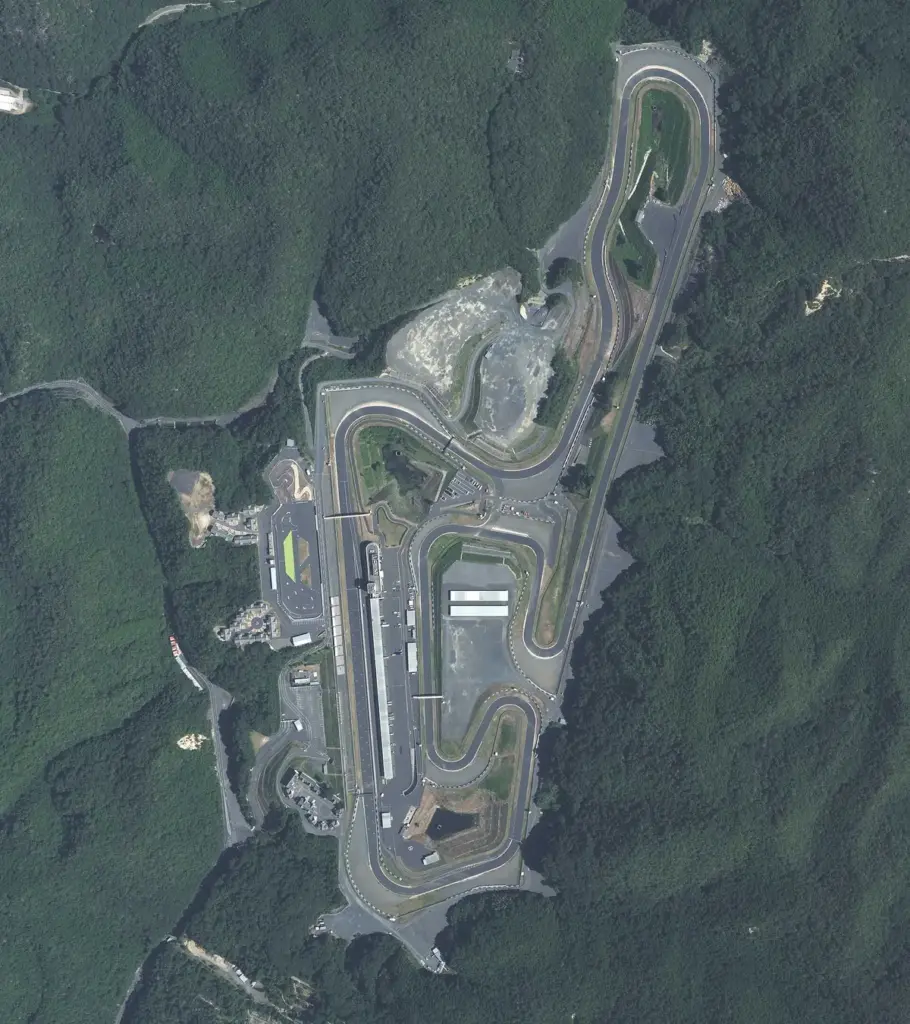
Start
Main straight
About 600 m (2,000 ft) long and slightly downhill. Use the whole thing, because it’s one of only two places on the lap where you’re flat out for long.
1
1st Corner
The first braking zone of the lap, and a busy one at the start of a race. Brake in a straight line and don’t get greedy on entry.
2
Williams Corner
Named for driver Jonathan Williams. On the motorcycle layout, a chicane added in 2020 slows bikes down just before it.
3
Moss S
A quick set of esses named for Stirling Moss. Rhythm matters more than speed here; one messy input and the next part of the S goes wrong too. The run-off was enlarged in 2020.
4
Atwood Curve
The lowest point of the track and the corner that opens onto the back straight. Your exit speed here carries all the way to the Hairpin, so sacrifice entry for a clean exit.
5
Back straight
The longest straight, about 700 m (2,300 ft), climbing gently. This is where you line up a pass for the Hairpin.
6
Hairpin
The big stop and the main overtaking spot. Brake hard and late, get the car rotated and get it pointed at the exit early.
7
Double Hairpin
The Redman and Hobbs corners, back to back, with Hobbs at the top of the hill. Two slow corners like this punish anyone who overcooks the first one.
8
Mike Knight
Named for Michael Knight, who won the second Japanese Grand Prix in 1964. It starts the final part of the lap.
9
Revolver
A medium-speed corner where patience pays: wait for the car to settle before you go back to full throttle.
10
Piper and the last corner
Named for David Piper, this section takes you back onto the main straight. A good exit here is worth time all the way past the pits.
Okayama Lap Records
Okayama’s outright records are more than 30 years old, because nothing has lapped it as fast as the Formula 1 cars of 1994. Only laps set in a race count as official records. For reference, the GT300 race lap record is 1:26.304 (Naoya Gamou, Mercedes-AMG GT3, 2017).
1:14.023
Race lap record
Michael Schumacher set it in a Benetton B194 during the 1994 Pacific Grand Prix, and it still stands.
1:10.218
Fastest lap ever
Ayrton Senna’s pole lap in the Williams FW16 for that 1994 race. It doesn’t count as the official record because it was set in qualifying.
1:15.237
Super Formula
Nick Cassidy set the race lap record for Japan’s top single-seater series in a Dallara SF19 in 2020, its last year at Okayama so far.
1:19.710
Super GT GT500
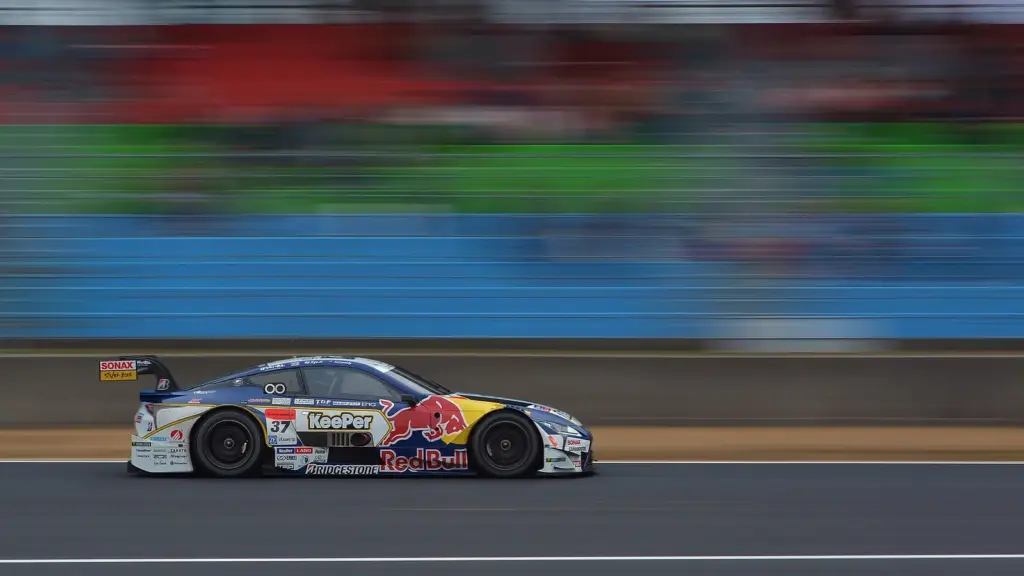
Takashi Kogure set the GT500 race lap record in a Honda NSX-GT in 2018.
Races and Events at Okayama
Super GT is the headline act, and GT World Challenge Asia, Super Taikyu and the All Japan Road Race motorcycle championship fill out the calendar, along with club races and brand events. Formula 1 raced here in 1994 and 1995, and Super Formula visited until 2020. Here’s what usually runs, with the 2026 dates for reference.
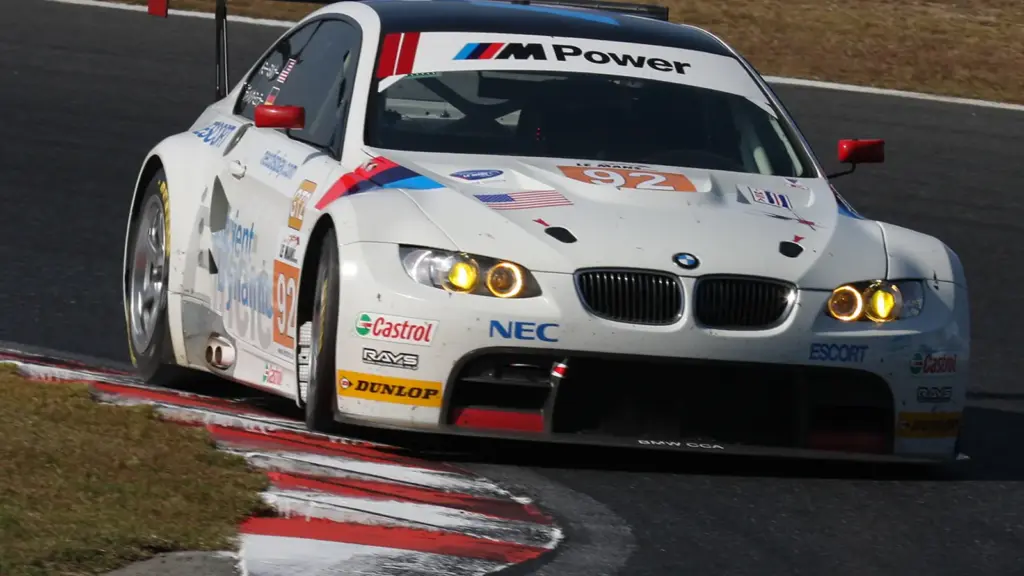
Late summer
GT World Challenge Asia
GT World Challenge Asia Japan Cup GT3
Asia’s GT3 championship has visited since 2022. In 2026 it ran August 29–30, and Audi Sport Asia Team Phantom won both races.
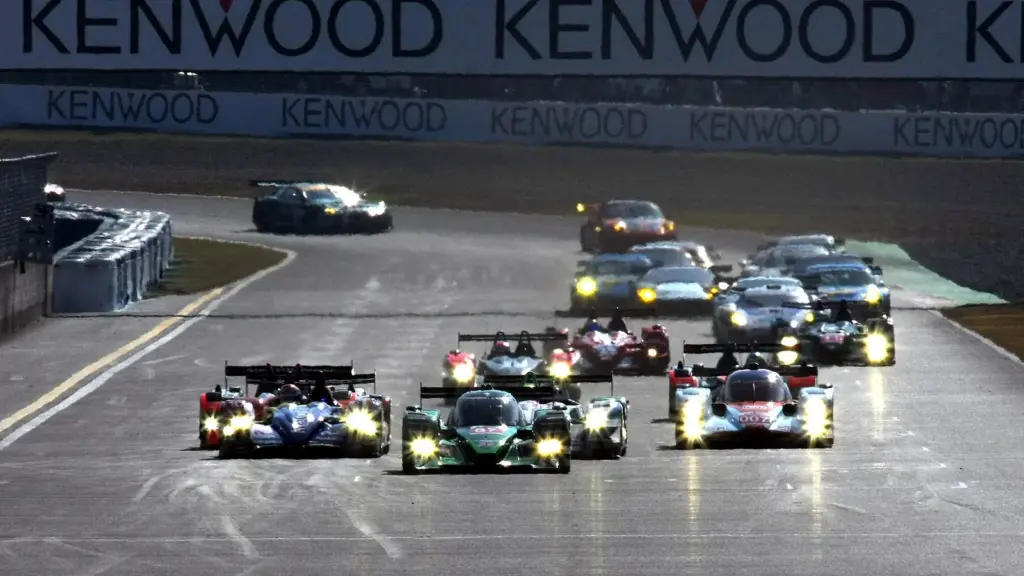
Fall
Super Taikyu
Super Taikyu Endurance
Japan’s big endurance series for everything from GT3 cars to small touring cars. The 2026 round was a pair of three-hour races on October 24–25.
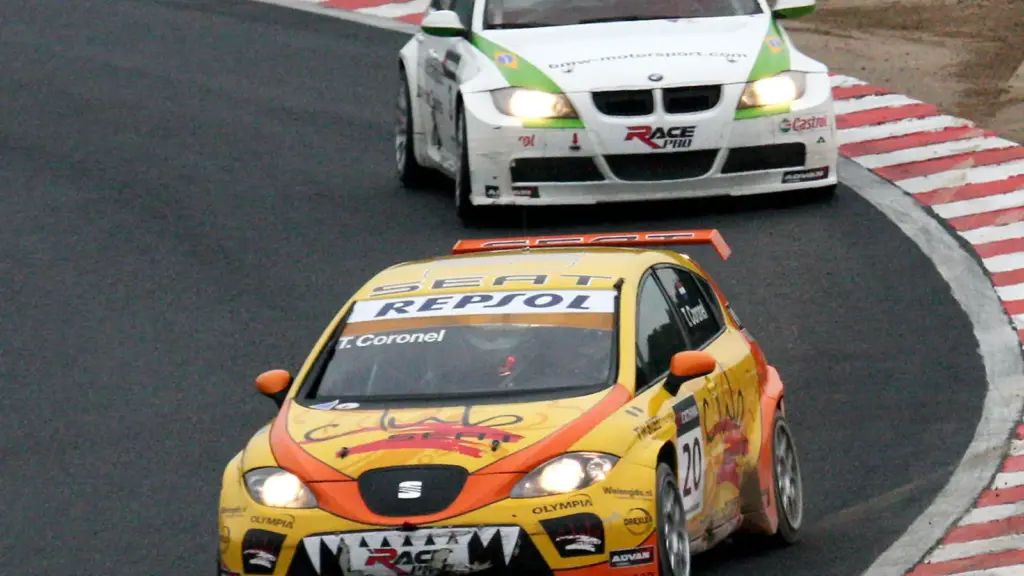
2008–2010
WTCC Race of Japan
WTCC Touring cars
The World Touring Car Championship raced here for three seasons, and its tight corners made for a lot of door-to-door racing.
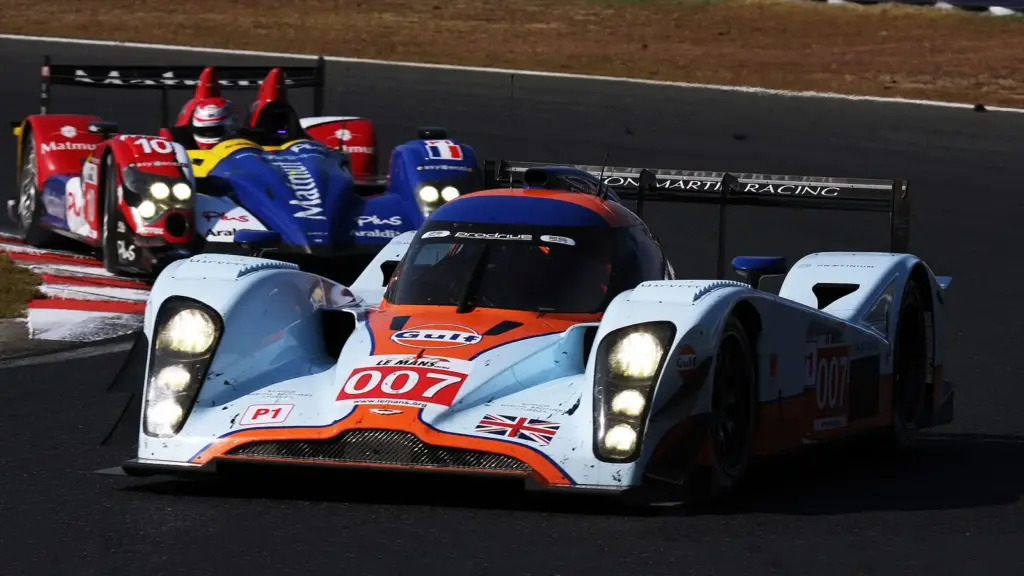
2009
Asian Le Mans Series
Asian Le Mans Series Endurance
Prototypes and GT cars from the Le Mans world came for the 1000km of Okayama in 2009, run as two races over one weekend.
Okayama Race Calendar: 2026 and 2027
Here are the main race weekends at Okayama, so you can plan a trip around the racing you want to see. Club races, track days and brand events fill many other weekends. Dates marked TBA haven’t been announced yet, and the circuit calls its own schedule provisional, so check before you book.
2026 season
| Dates | Event | Series | Status |
|---|---|---|---|
| Apr 11–12 | Super GT Round 1 | Super GT | Done |
| Jun 13–14 | Super Formula Lights | Super Formula Lights | Done |
| Aug 29–30 | GT World Challenge Asia Round 4 | GT World Challenge Asia, Japan Cup | Done |
| Sep 26–27 | Superbike Race in Okayama | All Japan Road Race Championship | Done |
| Oct 24–25 | Super Taikyu Round 6 | Super Taikyu | Done |
| Nov 15 | Okayama Road Race & Moto Revolution Round 5 | Club motorcycle racing | Upcoming |
| Nov 29 | Mazda Fan Meeting | Brand event | Upcoming |
| Dec 12–13 | Okayama Challenge Cup Round 5 | Club racing | Upcoming |
2027 season
| Dates | Event | Series | Status |
|---|---|---|---|
| Apr 4 | Super GT Round 1 | Super GT | Upcoming (provisional) |
| Season (TBA) | GT World Challenge Asia | GT World Challenge Asia | Date TBA |
| Season (TBA) | Super Taikyu | Super Taikyu | Date TBA |
| Season (TBA) | All Japan Road Race | All Japan Road Race Championship | Date TBA |
Okayama Weather by Season
The circuit sits inland in the hills of northeastern Okayama Prefecture, so it gets real seasons: cold winters and hot, humid summers. The numbers below are average daily highs and lows for nearby Tsuyama from the Japan Meteorological Agency (1991–2020 normals).
13–24°C
Spring · Mar–May
Daily highs climb from 13°C (56°F) in March to 24°C (76°F) in May, with lows of 1–12°C (34–53°F). The Super GT opener in April usually brings mild days and chilly mornings, so pack a warm layer.
27–32°C
Summer · Jun–Aug
Daily highs of 27–32°C (80–90°F) and lows of 17–22°C (63–72°F). It’s hot and humid, and July is the wettest month at about 238 mm (9.4 in). Bring water, sunscreen and a rain jacket for the late-summer GT race.
16–28°C
Fall · Sep–Nov
Daily highs fall from 28°C (82°F) in September to 16°C (61°F) in November, with lows of 5–18°C (41–64°F). Late-season races usually bring pleasant days and cool evenings.
8–10°C
Winter · Dec–Feb
Daily highs of 8–10°C (46–50°F) and lows around −1 to 0°C (30–33°F), so frosty mornings are normal. Only club events run, and you’ll want a proper winter coat.
Visiting Okayama: Getting There, Where to Watch and Tips
Okayama is a proper countryside circuit, deep in the hills of Mimasaka. That remoteness is exactly why Formula 1 didn’t come back, but it also makes race weekends relaxed and friendly. The main thing is planning how you’ll get there.
Where to watch
- The main straight. The main grandstand gives you the start, the pits and the run into the 1st Corner.
- The Hairpin. The best place to see passing, especially in Super GT, where GT500 cars dive past GT300 traffic.
- The Double Hairpin. Redman and Hobbs come back to back, so you see cars brake, turn and accelerate twice in quick succession.
- Atwood Curve. Watch cars fire out of the lowest corner on the track and up the back straight.
- The paddock. On many race weekends there are pit walks and fan events; check what your ticket includes.
Tickets
Tickets are sold through the official circuit website, which asks you to sign up for a free web membership first, and through the series for the bigger events. Prices vary by event and weren’t listed publicly for 2026, so check the official site for the race you want.
Getting there
Driving is easiest. The circuit is about 25 km (16 miles), or roughly 30 minutes, from the Mimasaka interchange on the Chugoku Expressway, and you can also come from the Bizen or Wake interchanges on the Sanyo Expressway. The circuit suggests setting your car navigation to its commercial-vehicle mode so it doesn’t send you down narrow mountain roads. Okayama Airport is about an hour away by car.
By public transport, take the Shinkansen to JR Okayama Station, then a Uno Bus toward Yunogo Onsen and Hayashino to the Fukumoto stop (about an hour), and a taxi for the last 20 minutes. Another option is the JR Sanyo Line to Yoshinaga Station, then about 20 minutes by car. Yunogo Onsen, a hot-spring town in Mimasaka, makes a nice base. Layers are a good idea in spring and fall, and so is a rain jacket at any time of year.
Can You Drive Okayama International Circuit?
Yes, and there are a few ways in. The easiest is an experience run: you drive your own car or ride your own bike behind a pace car, with no overtaking, and passengers are allowed. The circuit lists it at ¥1,100 for two laps plus ¥1,200 admission per person; you sign up in person at the circuit office, and rental cars aren’t allowed.
For real track time without a racing licence, there are “Weekday Powers” days for street-legal cars, booked by phone, and “Power Ride” days for motorcycles, plus track days run by tuning shops. Regular sports-driving sessions need the circuit’s own OIRC licence and membership, with slower 4V Club sessions and weekday Power Club sessions for street-plated bikes. A JAF or MFJ racing licence opens up more options.
If you’d rather start in a sim, Okayama comes free with iRacing in both the full and short layouts, and it was added to SEGA World Drivers Championship in a 2019 update.
Talk Okayama With Other Enthusiasts
Planning a Super GT trip, booking a sports-driving session or chasing an iRacing lap time? Share tips, ask questions and find people going the same weekend in the AutoGathering community.
- Super GT weekend trips
- Getting there without a car
- Best viewing spots
- Track-day experiences
- Where to stay nearby
- iRacing setups for Okayama
- Motorcycle track days
- Japanese circuit road trips
Okayama International Circuit FAQ
Is Okayama International Circuit the same as TI Circuit Aida?
Yes. It opened in 1990 as the TI Circuit Aida (TI stood for Tanaka International) and has been called Okayama International Circuit since January 1, 2005.
Did Formula 1 race at Okayama?
Yes, twice, as the Pacific Grand Prix in 1994 and 1995. Michael Schumacher won both races for Benetton, and the 1995 win clinched his second world title.
How long is Okayama International Circuit?
The Grand Prix layout is 3.703 km (2.301 miles) with 13 turns and 29 m (95 ft) of elevation change. Motorcycles use a 3.747 km version with an extra chicane.
What is the lap record at Okayama?
The official race lap record is 1:14.023, set by Michael Schumacher in a Benetton B194 in 1994. Ayrton Senna’s 1:10.218 pole lap that year is the fastest lap ever.
When is Super GT at Okayama?
Okayama usually hosts Super GT’s season opener in April. The 2026 race was on April 11–12, and the 2027 opener is scheduled for April 4.
How do you get to Okayama International Circuit?
By car, it’s about 30 minutes from the Mimasaka interchange on the Chugoku Expressway. By public transport, take the Shinkansen to Okayama Station, a Uno Bus to the Fukumoto stop and a taxi from there.
Can you drive your own car at Okayama?
Yes. You can do pace-car experience laps in your own car, join “Weekday Powers” track days for street-legal cars without a racing licence, or get the circuit’s OIRC licence for regular sports-driving sessions.
Who owns Okayama International Circuit?
Aska Corporation, an auto-parts maker, has owned it since 2012.
Explore More Racing Circuits
Okayama is one of the tracks in our Asian racing circuit directory. If you’re planning a Japanese racing trip, our Suzuka, Fuji Speedway and Autopolis guides are good next reads.
Photo credits
- Header image: Morio, CC BY-SA 3.0, cropped and resized.
- Aerial photo of Okayama International Circuit in…: 国土地理院, Attribution, cropped and resized.
- Robert Dahlgren’s Volvo C30 in practice for…: Morio, CC BY-SA 3.0, cropped and resized.
- The KeePer TOM’S Lexus LC500 GT500 car…: Tatsuya Endo from Kobe, Japan, CC BY 2.0, cropped and resized.
- A BMW M3 GT2 racing in the…: Morio, CC BY-SA 3.0, cropped and resized.
- The field streaming away on the opening…: Morio, CC BY-SA 3.0, cropped and resized.
- Tom Coronel’s SEAT and Augusto Farfus’s BMW…: Morio, CC BY-SA 3.0, cropped and resized.
- The Aston Martin Racing Lola-Aston Martin B09/60…: Morio, CC BY-SA 3.0, cropped and resized.