
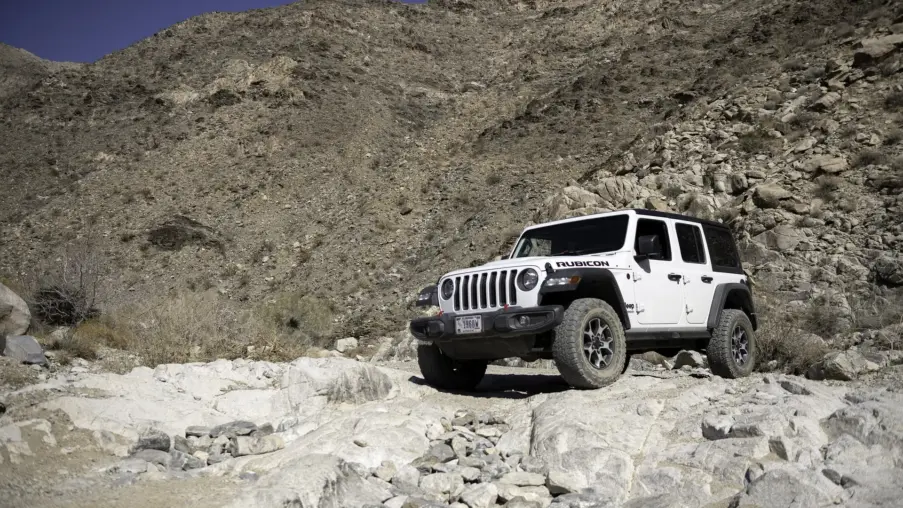
 Written by
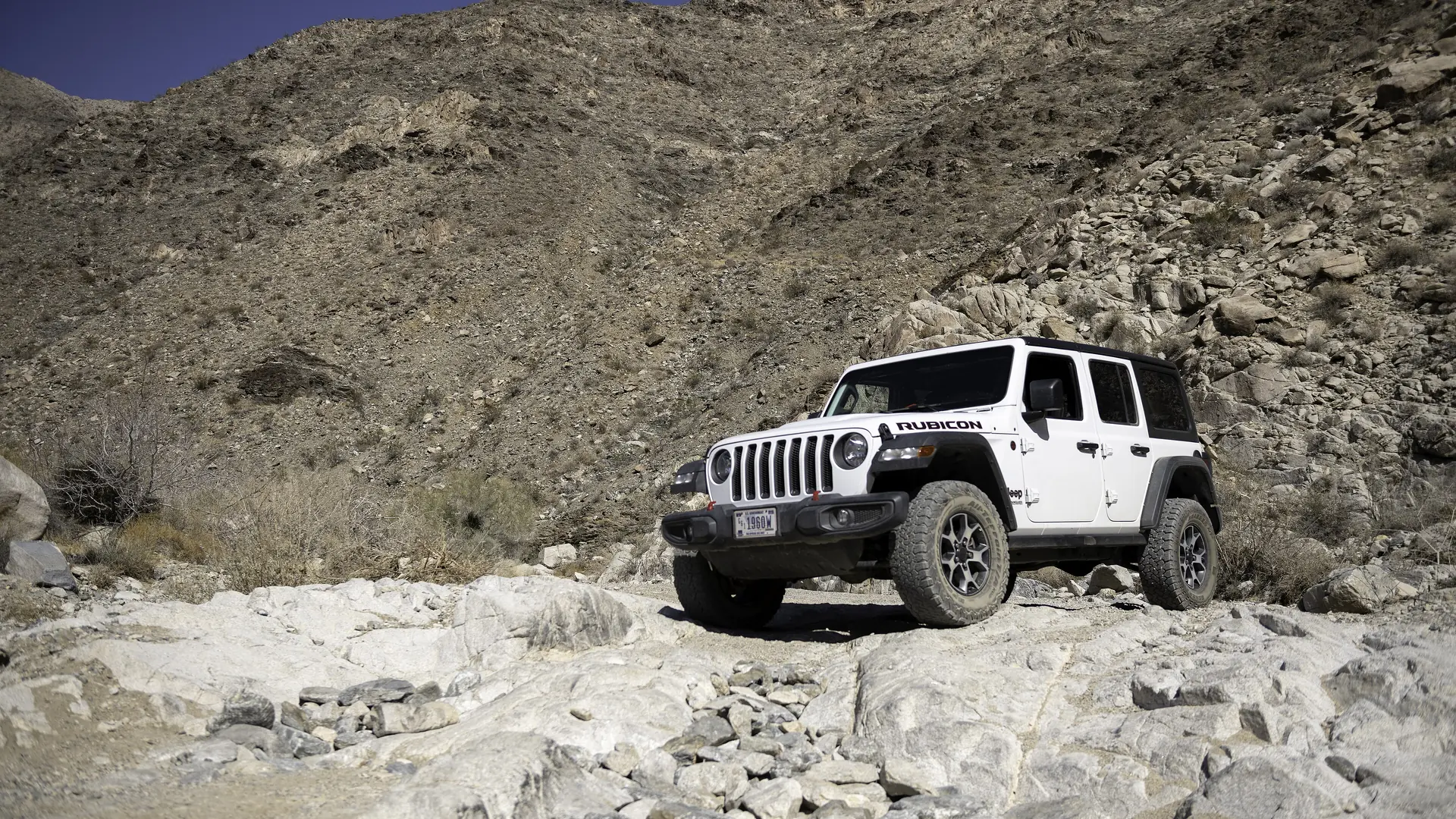
Off-Road 4x4s Explained: Locking Diffs, Suspension and the Best New and Used Trucks Worldwide
Every off-roader eventually has the same moment. You’re halfway up a rocky ledge, one front wheel hanging in the air, the opposite rear tire spinning uselessly, and the truck isn’t going anywhere. Then you push a button marked with a little axle icon, hear a clunk underneath, and the truck just walks up. That button is a locking differential, and understanding it (along with low range, wheel travel and approach angles) is what separates a real off-roader from an SUV that just looks the part.
This guide breaks down the hardware that matters the way an engineer would, but in plain English: what each piece does, why some trucks have three lockers, and which new and used 4x4s from North America, Europe, Australia, Asia and beyond do it best. We’ll also cover the aftermarket, because the right truck with no parts support is a dead end. Planning multi-day trips instead? Our overlanding vehicles guide covers payload, range and setup.
Guide · Off-Roading
Updated November 2026 · 21 min read
Off-Roading at a Glance
A few numbers that show what serious off-road hardware looks like:
Lockers on a G-Class 3 Front, center and rear, all 100% locks (Mercedes-Benz)
Wrangler Rubicon crawl ratio Up to 100:1 Manual with 4.88 axles and 4:1 low range (Jeep)
Bronco Raptor approach angle 47.2° With 37-inch tires (Ford)
Defender Octa wading depth 1 m About 39 in of water (Autocar)
US accessory sales in 2025 $52.9B Pickups and SUVs made up 43% (SEMA)
US classic import rule 25 years Older vehicles skip US safety-standard rules (NHTSA)
01 · The hardware
What Makes a Real Off-Roader
Horsepower barely matters off-road. What matters is getting torque to a tire that has grip, keeping all four tires on the ground, and not ripping anything off the bottom of the truck. Here’s the hardware that does that, roughly in the order engineers think about it.
- Low rangeThe gearbox behind the gearboxA two-speed transfer case multiplies torque and slows everything down so you can creep over rocks without riding the brakes or cooking the clutch. Ratios run from about 2.5:1 (Ineos Grenadier) to 4:1 (Wrangler Rubicon). Multiply low range, first gear and the axle ratio and you get the crawl ratio: Jeep quotes up to 100:1 for a manual Rubicon with 4.88 axles, and Ford quotes up to 67.8:1 for the Bronco.
- Clearance and anglesGeometry beats powerGround clearance is the lowest point under the truck, usually a diff housing. Approach and departure angles are how steep an obstacle you can climb onto or drive off without the bumpers digging in. Breakover angle is the peak you can crest without beaching the belly between the wheels. Short overhangs and short wheelbases win here, which is why a Suzuki Jimny has a 49-degree departure angle.
- ArticulationKeeping tires on the groundArticulation is how far one wheel can drop while the other on the same axle tucks up. A solid axle naturally lets one side drop as the other rises, which is why rock crawlers love them. Disconnecting the sway bar (Wrangler, Bronco, 4Runner, Tacoma) or using interlinked hydraulics (Defender Octa’s 6D Dynamics) frees up even more travel.
- Long-travel shocksControl at speedBigger, longer shocks with more oil and remote reservoirs stay cool on washboard and whoops. Internal-bypass designs like the Fox QS3 shocks on the Tacoma TRD Pro firm up deeper in the stroke, so the truck rides softly on small bumps but doesn’t bottom out on big hits. That’s the secret behind trucks like the Bronco Raptor and Ranger Raptor.
- Tires and armorThe cheapest big upgradeA good all-terrain or mud-terrain tire, aired down on the trail, adds more grip than almost any other change. Skid plates protect the oil pan, transmission and fuel tank, and rock sliders protect the sills. Rated recovery points front and rear are non-negotiable.
Solid axles vs. independent front suspension. A solid (beam) axle is tough, simple and keeps ground clearance constant under the diff, and it articulates beautifully at crawling speed. Independent front suspension (IFS) rides and steers better on the road and soaks up bumps at speed, but has less wheel travel for crawling and more CV joints to break.
That’s why the Wrangler, Land Cruiser 70 and Jimny keep a solid front axle, while the Bronco, Land Cruiser 250, Defender, 4Runner and the Raptors use IFS. Neither is wrong. It depends on whether you spend more time crawling rocks or covering ground.
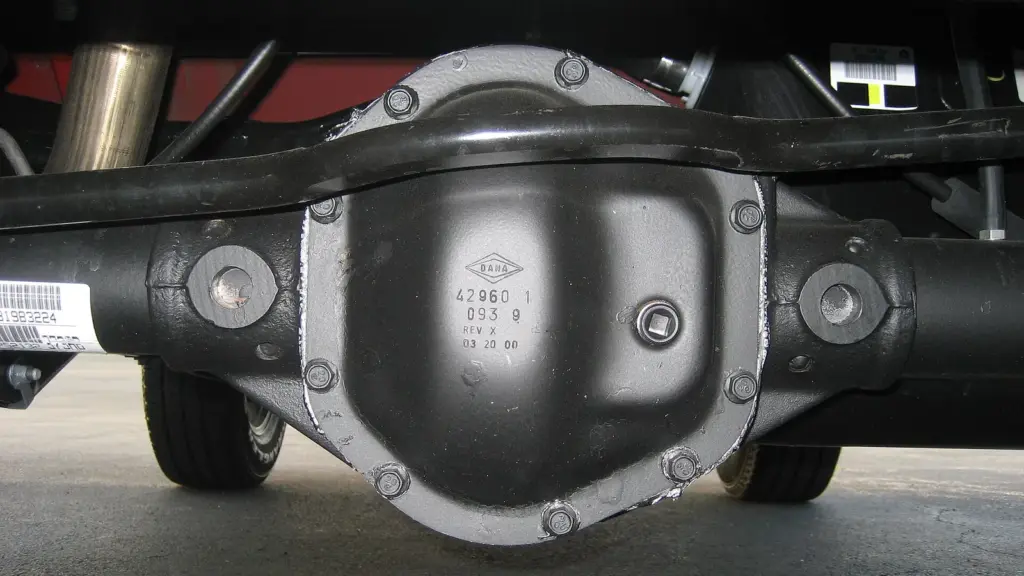
A Dana 44 solid axle: the backbone of countless off-road builds.
- 47.2°Bronco Raptor approach
- 49°Jimny departure
- 333 mmBronco Raptor clearance (13.1 in)
- 940 mmBronco Raptor wading (37 in)
02 · Locking diffs
Locking Differentials, Explained (and Why Some Trucks Have Three)
Every axle needs a differential, because in a turn the outside wheel travels farther than the inside one and has to spin faster. An open diff solves that with a little cluster of spider gears that lets the two wheels turn at different speeds. Brilliant on pavement. The catch: it always sends equal torque to both sides, and that torque can only be as high as the wheel with the least grip can handle.
Lift one wheel off the ground and it takes almost no torque to spin it, so the wheel that’s still planted gets almost nothing either. ARB puts it simply: an open diff “sends power to the tire that has the least traction.” Most 4x4s still leave the factory with open diffs front and rear.
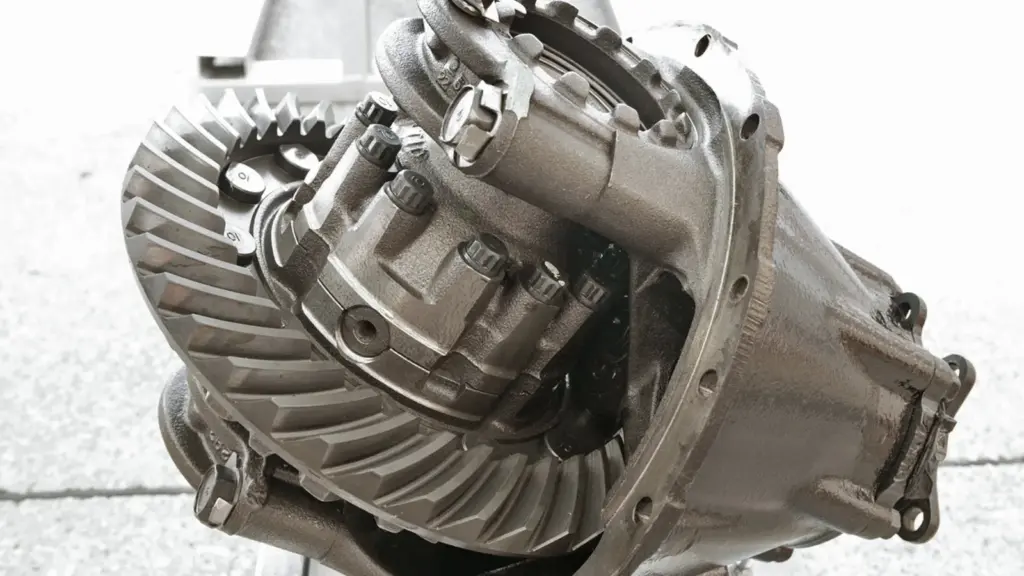
The ring gear and spider gears inside a differential.
A locker fixes that by tying both wheels on an axle together so they turn at the same speed no matter what. Now the wheel with grip gets all the torque it can use. There are a few ways to get there, and they behave very differently:
| Traction device | How it works | Off-road reality |
|---|---|---|
| Open differential | Spider gears, equal torque to each side | Lift a wheel and you stop. Light, cheap, smooth on the road |
| Clutch-type limited-slip | Clutch packs resist one wheel spinning faster than the other | Helps, but can’t send all the torque to one wheel, and clutches wear |
| Helical (Torsen-style) | Worm gears bias torque toward the slower wheel | Quick and wear-free, but needs some load on both wheels to work |
| Brake traction control | Brakes the spinning wheel so torque goes across | Surprisingly good in modern trucks, but it’s a workaround that heats the brakes |
| Selectable locker | Open on the road, 100% locked at the push of a button (electric, air or cable) | The gold standard. ARB’s Air Locker uses compressed air; Jeep’s Tru-Lok is electric |
| Automatic locker | Locks under power, unlocks when coasting or turning (Eaton Detroit Locker) | Tough and simple, but can be noisy and push wide in corners |
| Spool | Permanently welded or solid, never unlocks | Competition and trail-only rigs. Miserable on the street |
So why do some trucks have three lockers?
Here’s where it gets interesting. A 4×4 actually has up to three differentials: one in each axle and, on full-time systems, one in the middle that lets the front and rear axles turn at different speeds. That center diff is what lets a Land Cruiser or G-Class run in four-wheel drive on dry pavement. But it’s open too, so without a lock, one spinning wheel anywhere on the truck can stall it.
Part-time systems like the Jeep Wrangler’s don’t have a center diff at all. Shift into 4H or 4L and the transfer case ties the front and rear driveshafts together, which works like a permanently locked center diff. That’s why a Wrangler Rubicon gets by with two lockers (front and rear) while a full-time truck needs three to do the same job. Here’s what each lock buys you in the worst case:
1 wheel
Nothing locked
One spinning wheel can stop a full-time 4×4
2 wheels
Center locked (or part-time 4H/4L)
One wheel per axle needs grip
3 wheels
Center and rear locked
Both rears plus one front drive
4 wheels
Center, rear and front locked
Any single tire with grip can pull the truck
- Mercedes-Benz G-ClassThree 100% locksThe benchmark. The center lock is a multi-plate clutch; the front and rear locks are electromechanical. Even the electric G 580 copies the effect with four motors and “virtual” diff locks.
- Ineos GrenadierCenter lock standard, front and rear on TrialmasterThe center lock lives in the two-speed transfer case and works in high or low range. Front and rear lockers unlock automatically at higher speeds to protect the drivetrain.
- Toyota Land Cruiser 70 and 80Front, center and rearThe 80 Series offered driver-switchable front and rear locks with a lockable center diff in the 1990s. That’s a big reason they’re legends (and expensive) today.
- Jeep Wrangler RubiconFront and rear, part-timeTwo Tru-Lok electric lockers plus a part-time transfer case that already locks front to rear. Effectively the same as three.
How to use them without breaking anything: lock up before the obstacle, at low speed, with the wheels pointed straight. Engaging while a tire is already spinning gives the axle a hammer blow. And never drive locked on grippy pavement: the tires scrub, the steering fights you and the axles bind. Ford warns against using its electronic locker on dry pavement for exactly that reason.
Our take: a rear locker is the single biggest capability upgrade you can make to most 4x4s. Add a front locker and you’re into serious rock-crawling territory. Brake traction control has gotten really good, but nothing beats a mechanical lock when a wheel is in the air.
03 · New 4x4s
The Best New Off-Roaders Around the World
North America gets some great off-roaders, but the world gets more. Some of the toughest trucks on the planet, from Australia’s Land Cruiser 70 to India’s Mahindra Thar, aren’t sold in the US at all. Here’s the global short list.
USA · Global
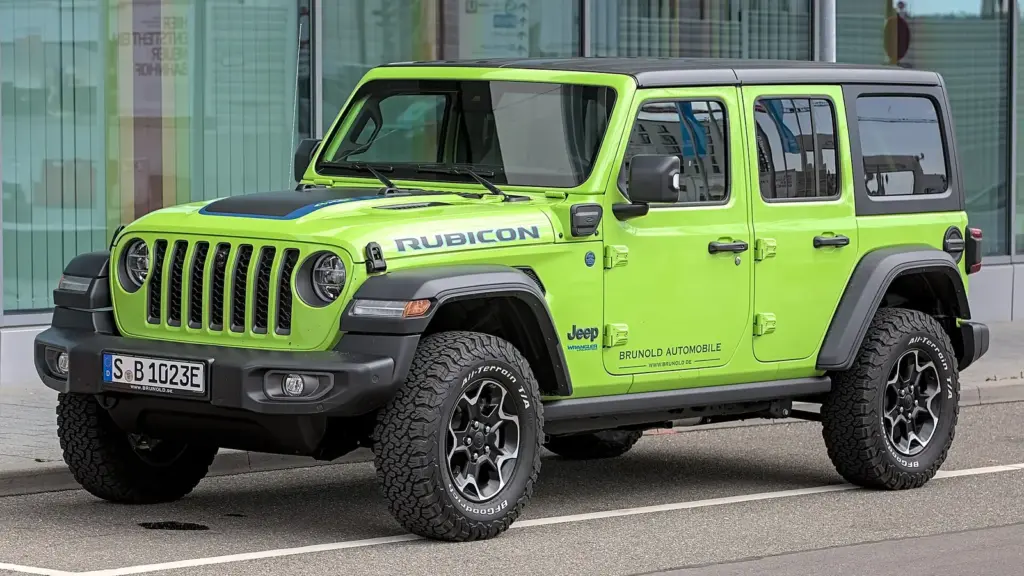
Jeep Wrangler Rubicon
Solid axles Front + rear lockers 4:1 low range
Still the default. Dana 44 axles, Tru-Lok lockers, electronic sway-bar disconnect and up to 100:1 crawl. For 2026 the V8 lives on as the Moab 392 with full-time 4WD.
USA · Middle East · Europe
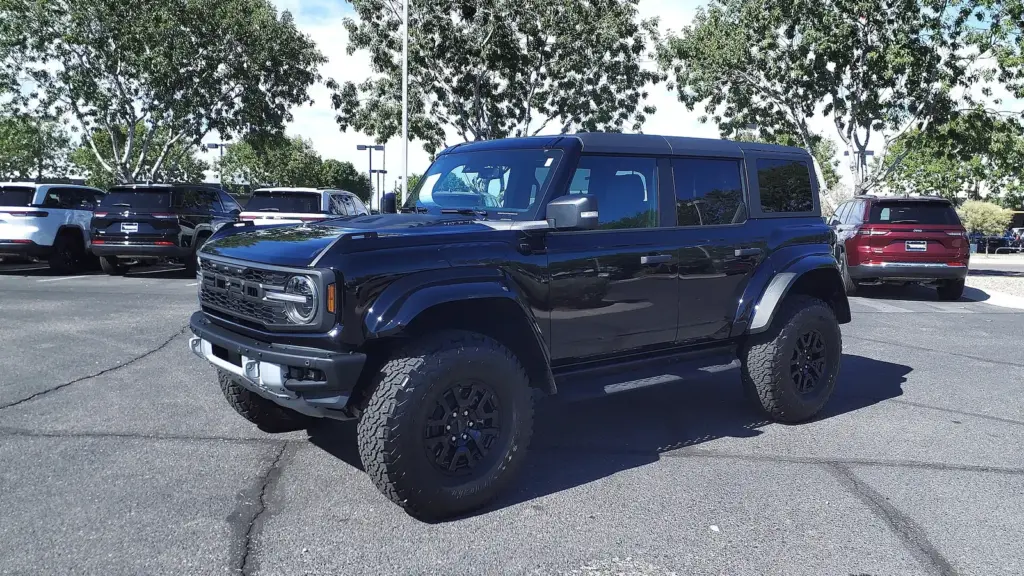
Ford Bronco Raptor
37-in tires Front + rear lockers Long travel
Desert-running Bronco with 333 mm (13.1 in) of clearance, a 47.2-degree approach angle and 940 mm (37 in) of wading depth. The Sasquatch package gets you most of the crawling ability for less.
Global
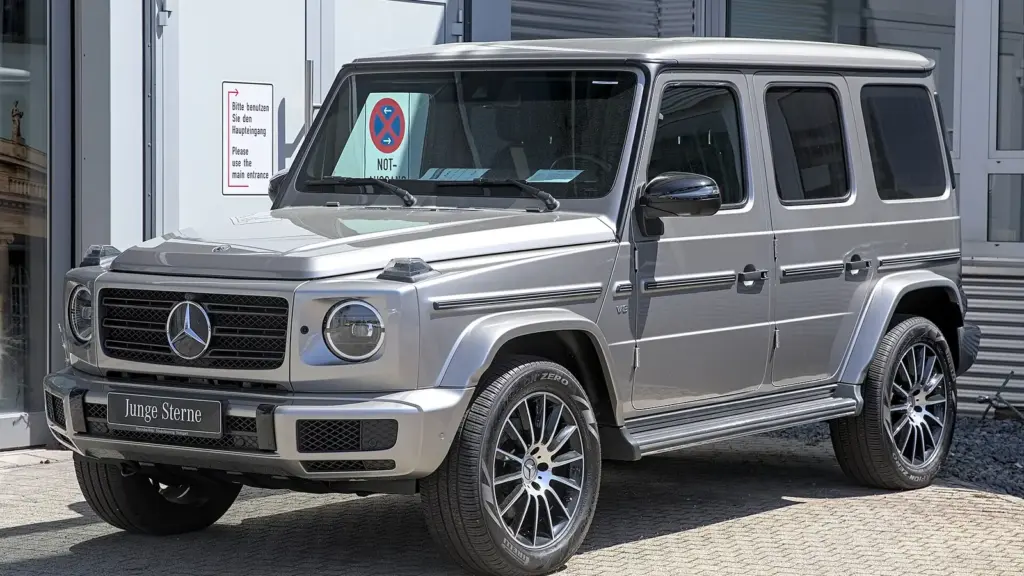
Mercedes-Benz G-Class
Three 100% locks Ladder frame 2.93:1 low range
The luxury SUV that’s secretly a military truck. Three lockers, 700 mm (27.6 in) of wading on the G 550 and a low range you can use up to 40 km/h (25 mph). The G 580 electric version wades 850 mm.
UK · USA · Australia
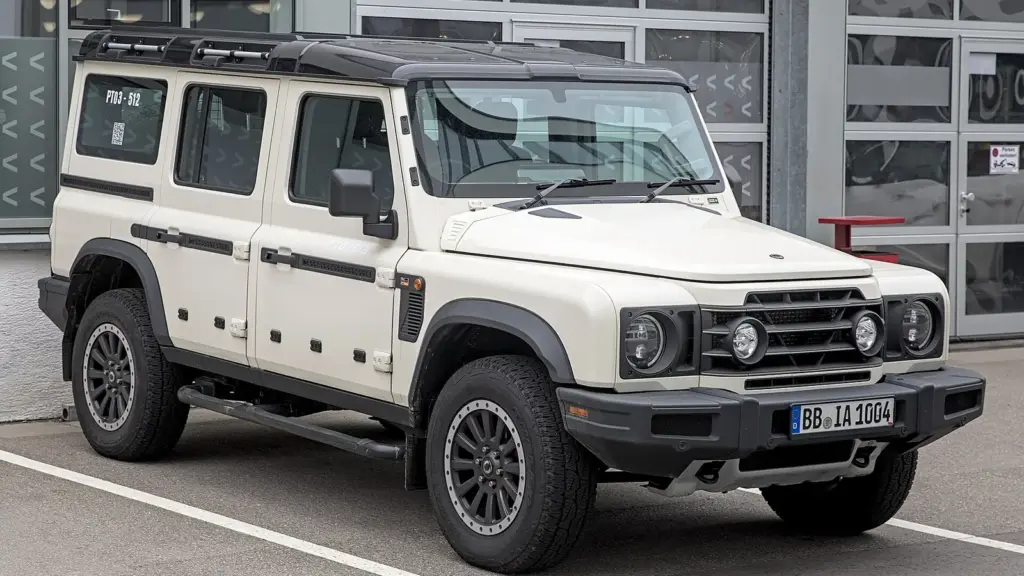
Ineos Grenadier
Solid axles Up to 3 lockers BMW six
A modern Defender 90/110 tribute with beam axles, a ladder frame and up to three lockers. 264 mm (10.4 in) of clearance and 800 mm (31.5 in) wading. Diesel in some markets; the US gets the gas BMW six.
Australia · Africa · Middle East
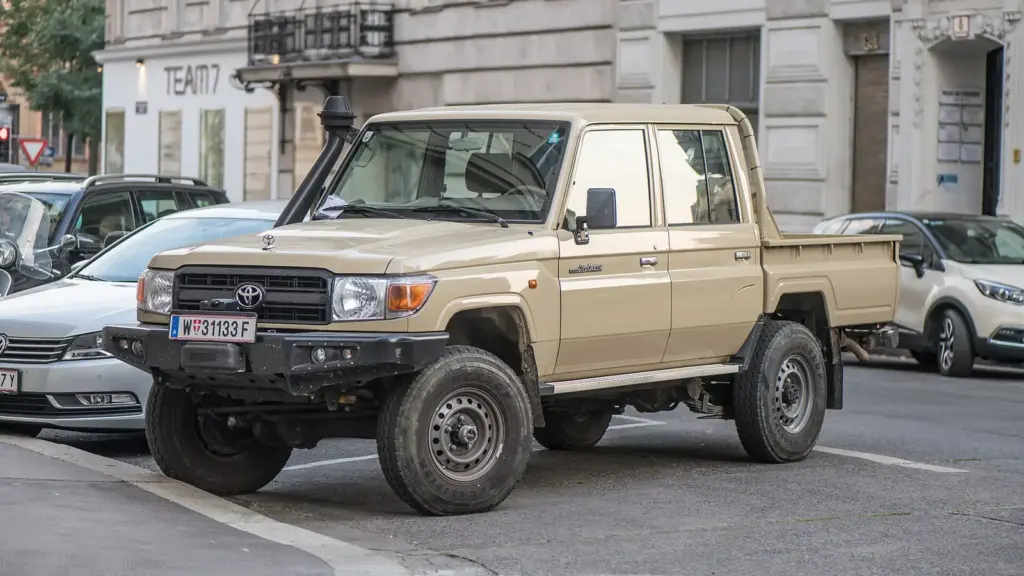
Toyota Land Cruiser 70
Solid front axle Front + rear lockers 316 mm clearance
The truck the outback runs on. Part-time 4WD, manual locking hubs and front and rear lockers available in Australia. The V8 is gone; it now uses a 2.8-liter turbo-diesel four. Not sold in North America.
USA · Global (Prado)
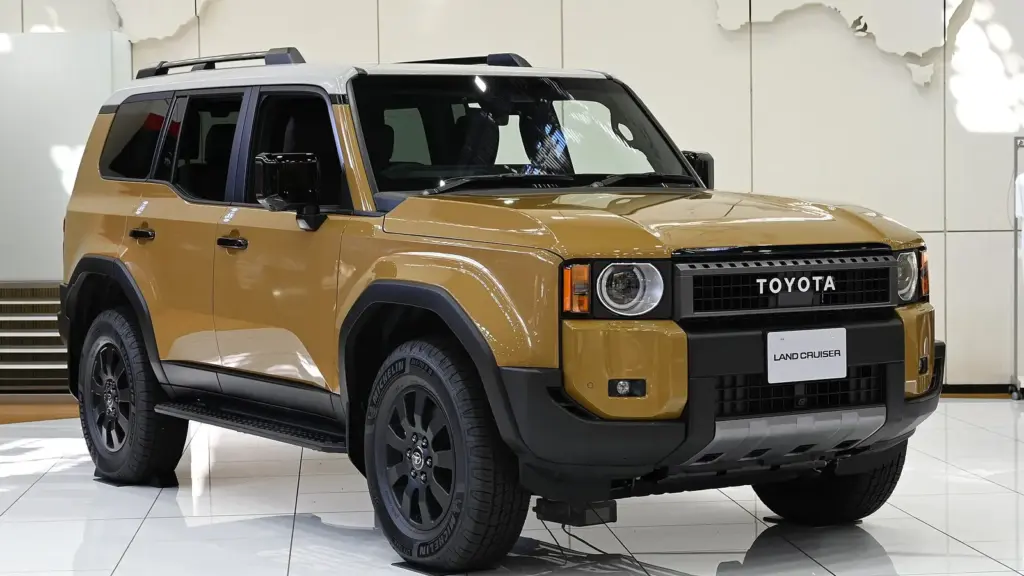
Toyota Land Cruiser 250
Full-time 4WD Center + rear lockers Sway-bar disconnect
In the US, every Land Cruiser 250 gets a locking center diff, an electronic rear locker and Crawl Control as standard. Elsewhere it’s the Prado, with a 2.8-liter diesel.
Global
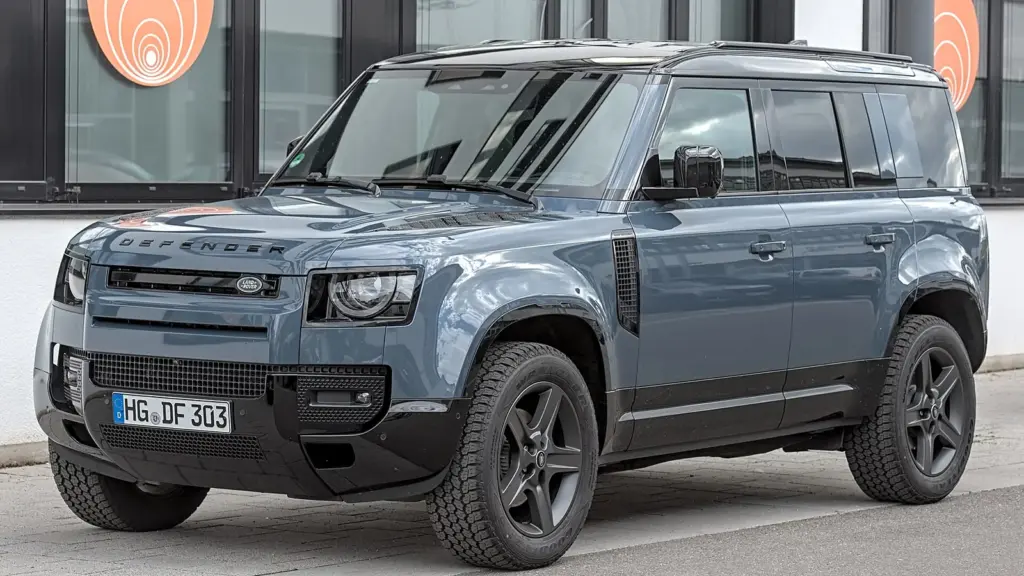
Land Rover Defender
Air suspension 900 mm wading Octa: 6D Dynamics
A unibody with independent suspension that still embarrasses ladder-frame trucks. The 90, 110 and 130 wade 900 mm (35 in) on air suspension; the Octa ups that to 1 m (39 in) with interlinked hydraulic suspension.
Japan · Europe · Australia
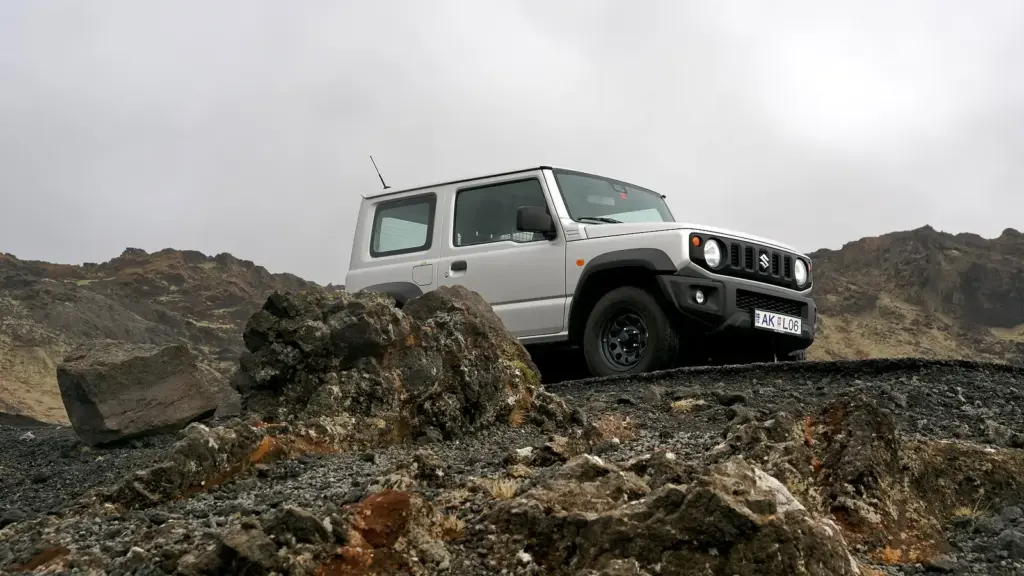
Suzuki Jimny
Solid axles Low range Tiny
A 1.5-liter mountain goat with a 49-degree departure angle and brake-based limited-slip traction control. Light enough to drive where big trucks can’t fit. Not sold in the US.
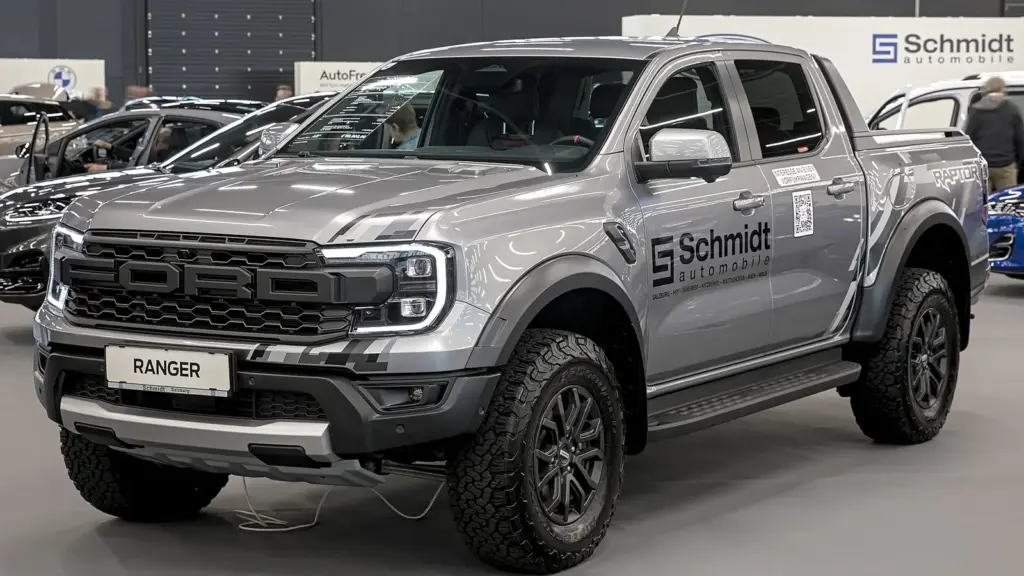
USA · Australia · Global
Ford Ranger Raptor
Front + rear lockers 4A mode Fox shocks
A desert truck you can live with. Front and rear e-lockers, a two-speed transfer case with an automatic 4A mode and a 61.59:1 crawl ratio, with 272 mm (10.7 in) of clearance.
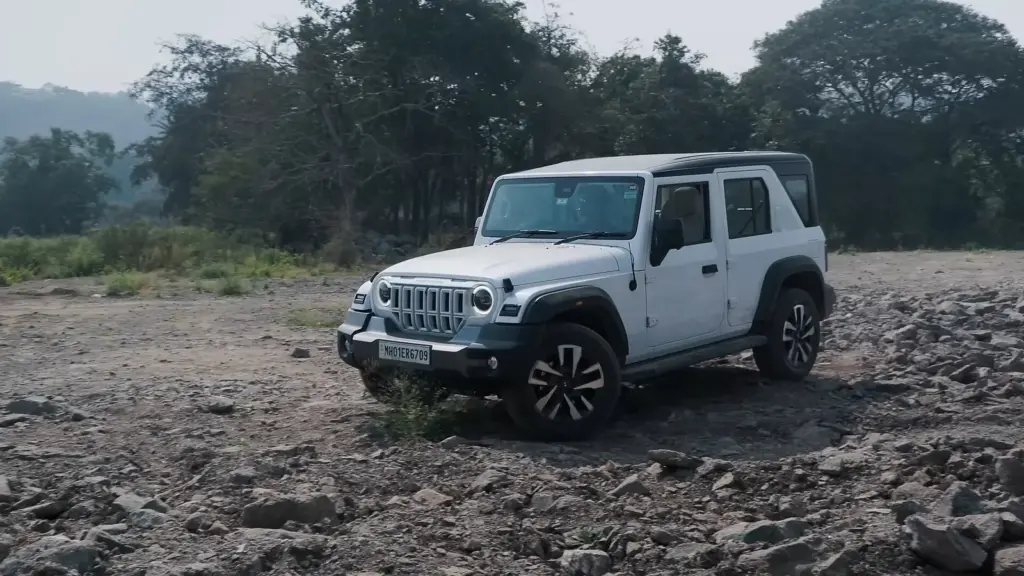
India
Mahindra Thar Roxx
Low range Rear e-locker 650 mm wading
India’s answer to the Wrangler. The 4×4 Roxx has a low-range transfer case, an electronic locking rear diff and terrain modes, with a 41.7-degree approach angle.
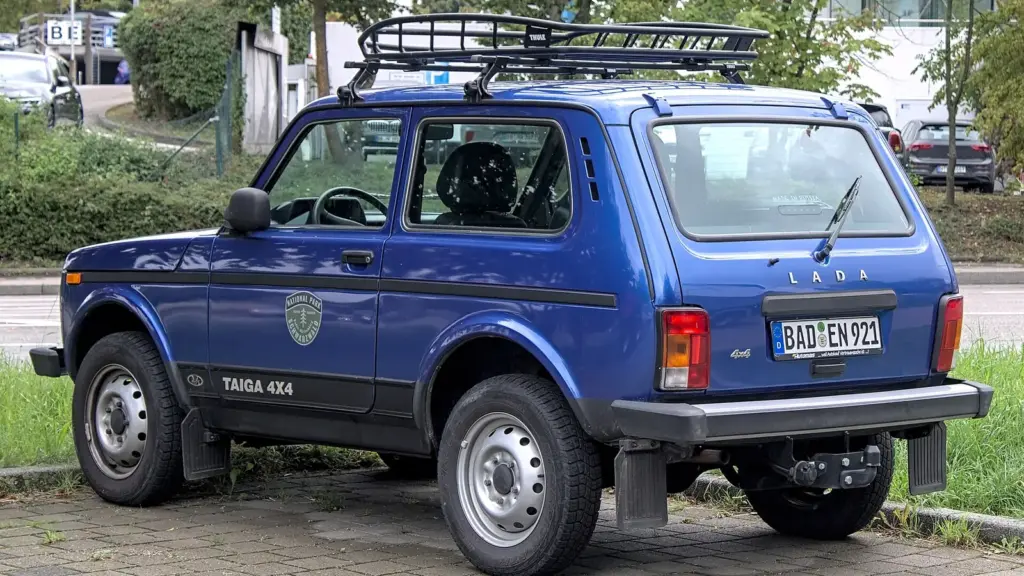
Russia
Lada Niva Legend
Full-time 4WD Lockable center Since 1977
Simple, light and still built. Full-time 4WD with a lockable center diff and low range; off-road trims add self-locking front and rear diffs and 240 mm of clearance.
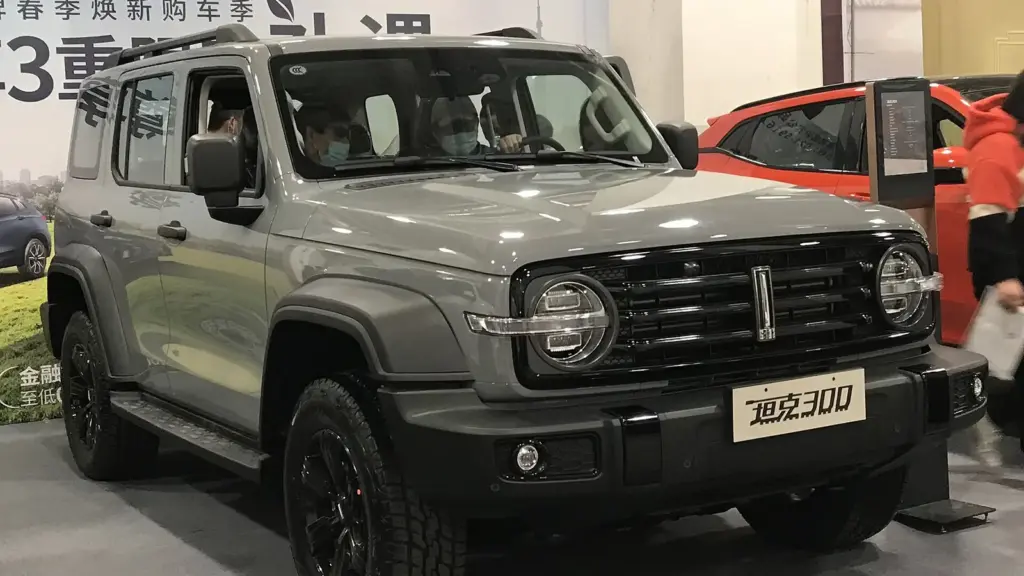
China · Australia · Thailand
GWM Tank 300
Front + rear e-lockers Tank Turn Hybrid option
China’s retro-styled rival to the Land Cruiser. In Australia the top Ultra trim gets front and rear lockers, Crawl Mode and a turning assist called Tank Turn for tight trails.
| Model | Lockers | Clearance | Approach / departure | Wading |
|---|---|---|---|---|
| Bronco Raptor | Front + rear | 333 mm (13.1 in) | 47.2° / 40.5° | 940 mm (37 in) |
| Wrangler Rubicon (2026) | Front + rear | 327 mm (12.9 in) | Up to 47.4° / 40.4° | Up to 889 mm (35 in) |
| Defender Octa | Active rear diff | Up to 319 mm (12.6 in) | 40° / 42° | 1,000 mm (39 in) |
| Ineos Grenadier | Up to 3 | 264 mm (10.4 in) | 36.2° / 36.1° | 800 mm (31.5 in) |
| Ranger Raptor | Front + rear | 272 mm (10.7 in) | 33° / 26.4° | n/a |
| Mercedes G 550 | 3 (100%) | 270 mm (10.6 in) | 31° / 30° | 700 mm (27.6 in) |
| Suzuki Jimny (3-door) | Brake LSD | 210 mm (8.3 in) | 36–37° / 49° | n/a |
Toyota’s US trucks deserve a mention too. The 2025 4Runner Trailhunter and TRD Pro, and the Tacoma Trailhunter and TRD Pro, all get a standard electronic locking rear diff, a sway-bar disconnect and Crawl Control. The Trailhunters run Old Man Emu 2.5-inch shocks from Australia’s ARB, a nice nod to where Toyota’s off-road reputation was built. Over in the Middle East, the new Y63 Nissan Patrol has a rear diff lock, air suspension that lifts 70 mm for the trail and 700 mm of wading.
04 · Used 4x4s
Used 4x4s That Make Great Off-Roaders
You don’t need a new truck to go places. Some of the best trail rigs on the planet are 20 to 35 years old, cheap to fix and supported by decades of aftermarket parts. The trick is buying the right engine and checking the known weak spots.
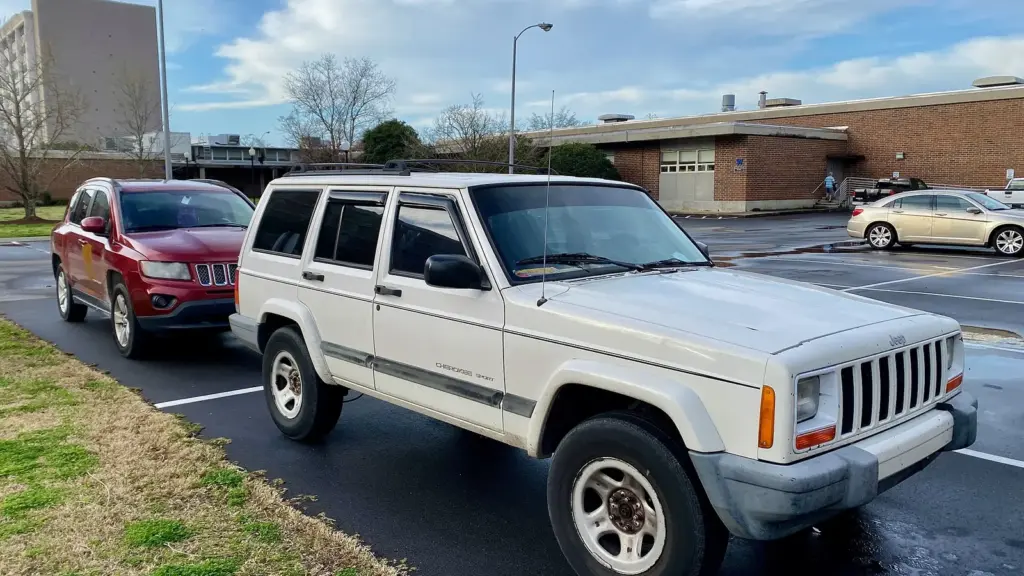
USA · 1984–2001
Jeep Cherokee XJ
Solid axles 4.0 inline-six Unibody
Light, boxy and hugely supported. Buy a 1991-on 4.0 HO. Check for rear main seal leaks, cracked exhaust manifolds and a weak Dana 35 rear axle (many get swapped).
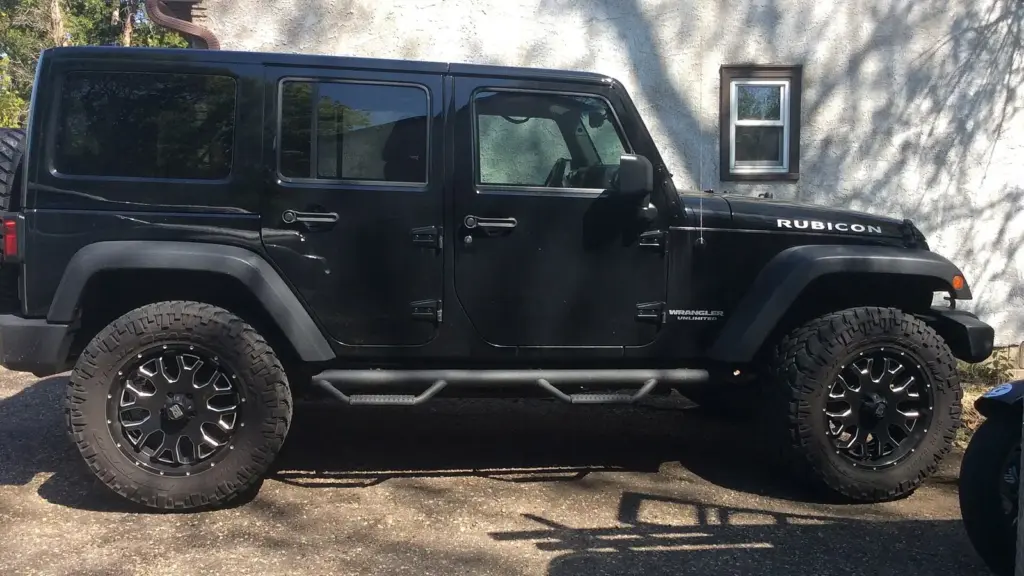
USA · 1997–2006
Jeep Wrangler TJ
Coil springs Rubicon: 2 lockers 4:1 low range
The first coil-sprung Wrangler. The 2003-on Rubicon added Dana 44 axles with lockers at both ends and a 4:1 transfer case, and the long-wheelbase LJ arrived in 2004. Values have climbed fast.
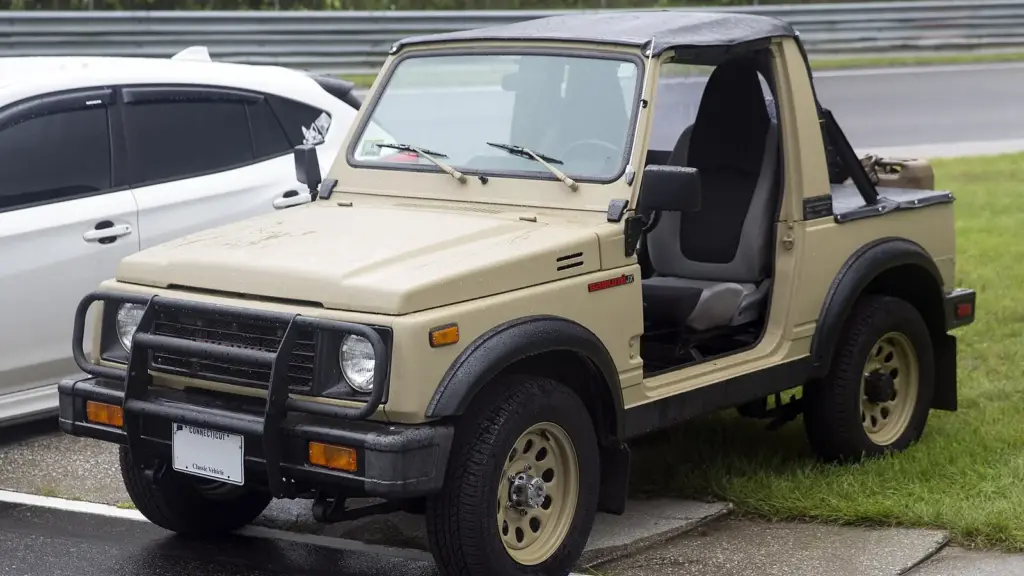
Global · 1980s–1990s
Suzuki Samurai / SJ
About 900 kg Solid axles Cheap fun
Weighs about 2,000 lb, so it floats over terrain that bogs down big trucks. Hagerty put it on its 2022 bull-market list. The later Jimny (1998–2018) is the same recipe; rust is its biggest enemy.
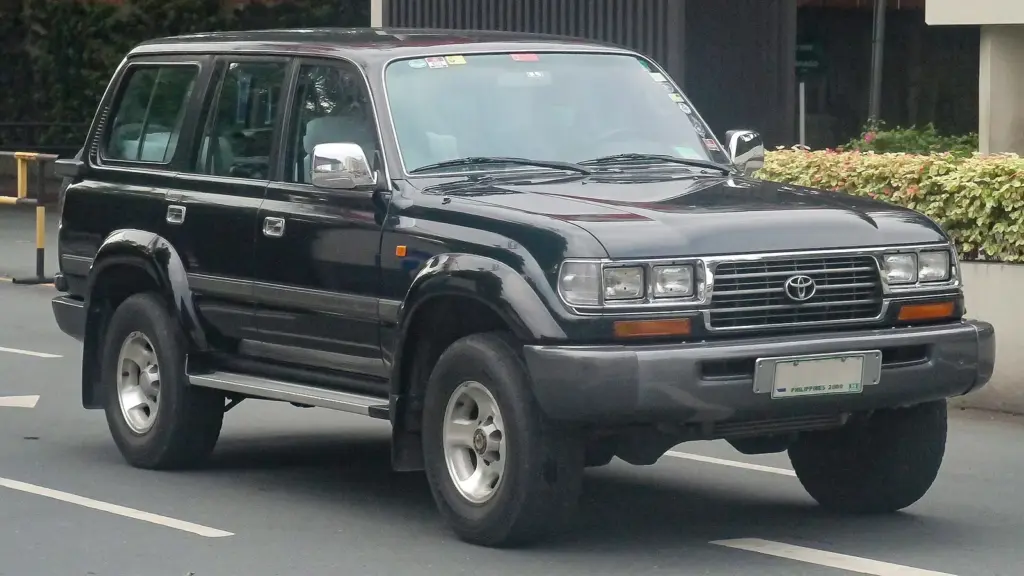
Global · 1990–1998
Toyota Land Cruiser 80
Coil solid axles Up to 3 lockers Diesel abroad
Many enthusiasts’ idea of the perfect 4×4. Factory front and rear lockers were optional (standard on some markets’ top trims), with a lockable center diff. Check for broken rear lower shock mounts.
Global · 1991–1999
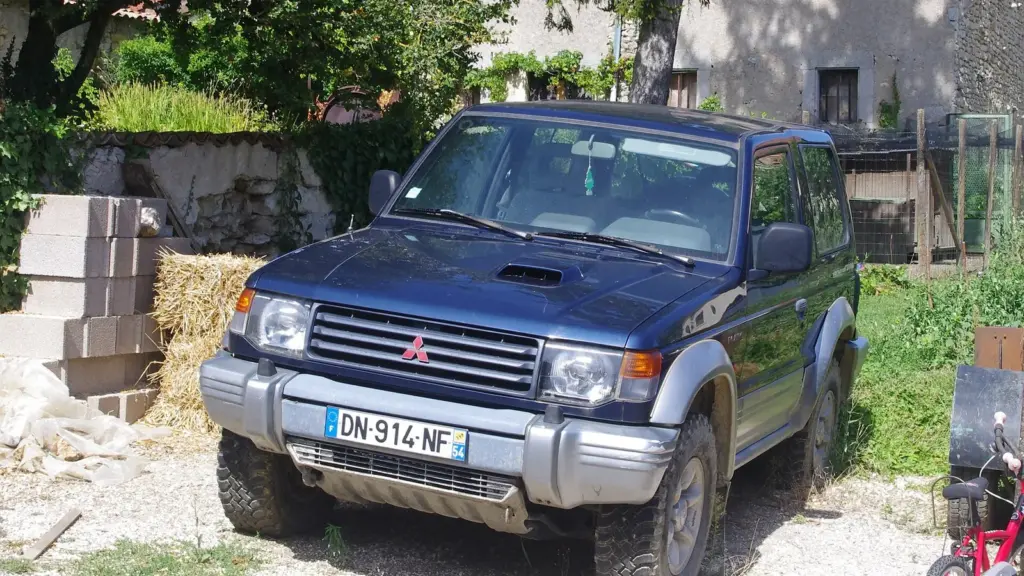
Mitsubishi Pajero / Montero
Super Select 4WD Diesel option Comfortable
The second-generation Pajero introduced Super Select, which can run part-time or full-time. Check the bash plates and fuel tank (clearance is modest) and oil consumption on the 2.8 diesel.
UK · Global · 1990–2016
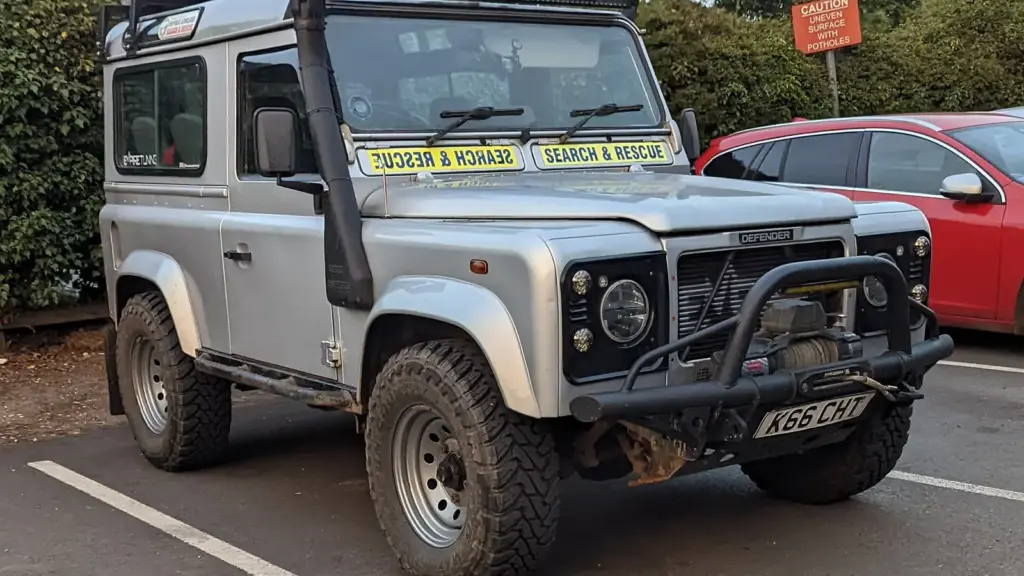
Land Rover Defender 90/110
Coil solid axles Locking center diff Huge UK parts
Tdi engines are the simplest; the Td5 is smoother but watch for oil wicking into the ECU loom and a cracked head. Rust in the chassis, outriggers and front bulkhead is the real killer.
Australia · Middle East · 1997 on
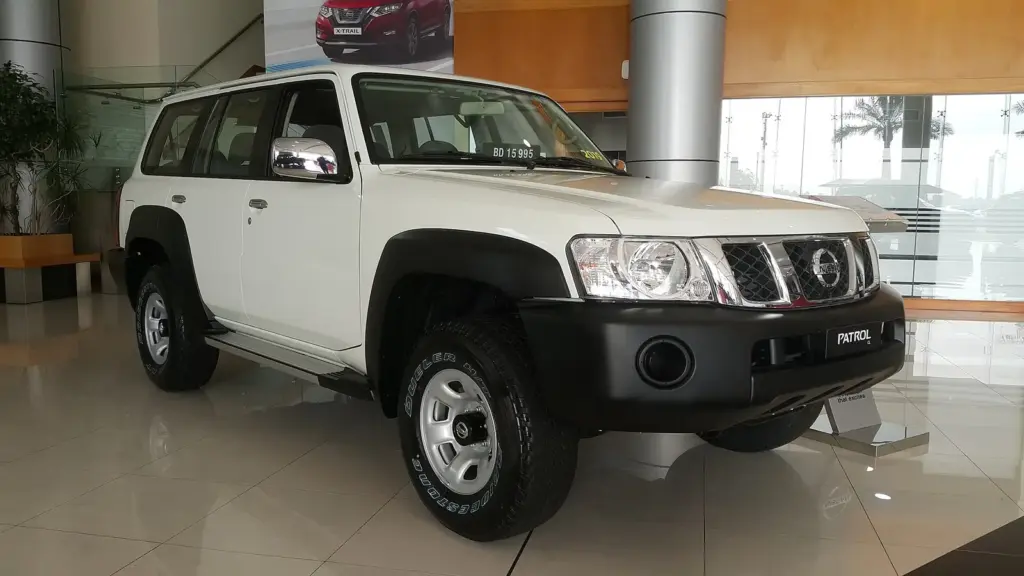
Nissan Patrol GU (Y61)
Coil solid axles TD42 diesel Still built
Solid axles at both ends and a huge Australian aftermarket. Buy the 4.2 diesel or 4.8 petrol; CarsGuide says to avoid the 3.0 ZD30 diesel because of piston failures. It’s still sold new in some markets.
Want rock crawling on a budget? A Jeep XJ, TJ or Suzuki Samurai. Small, light, solid axles and endless parts. Expect to swap axles or add lockers.
Want a do-anything 4×4 that will outlast you? A Land Cruiser 80 or Patrol GU with the right diesel. Heavier and thirstier, but built for decades of abuse.
Dreaming of a Land Cruiser 70 or diesel Defender in the US? NHTSA lets vehicles at least 25 years old be imported without meeting US safety standards. In late 2026 that covers trucks built in roughly 2001 or earlier, which includes 80 Series Land Cruisers, early Patrols and 200Tdi and 300Tdi Defenders. Check EPA and state rules too.
05 · Build and aftermarket
How to Build One, and Who Makes the Parts
Ask a seasoned trail leader how to build an off-roader and you’ll hear the same order every time: make it grip, make it recoverable, make it tough, then make it flex.
- 1. TiresGood all-terrain or mud-terrain tires and a gauge to air down. The biggest gain per dollar.
- 2. RecoveryRated recovery points, a recovery strap, shackles and traction boards. Then a winch.
- 3. ProtectionSkid plates and rock sliders so a mistake costs paint, not an oil pan.
- 4. Suspension and lockersA modest lift with quality shocks, then a rear locker, then a front one.
Notice what’s missing: a giant lift. Every inch of lift raises the center of gravity and strains CV joints and steering parts. That’s why many builders keep independent-front trucks to a modest lift of around 50 mm (2 in).
The aftermarket is massive. SEMA says US drivers spent $52.92 billion on accessories and performance parts in 2025, with pickups and SUVs making up 43%. Suspension and lift kits alone topped $3 billion, and off-road tires more than $2 billion.
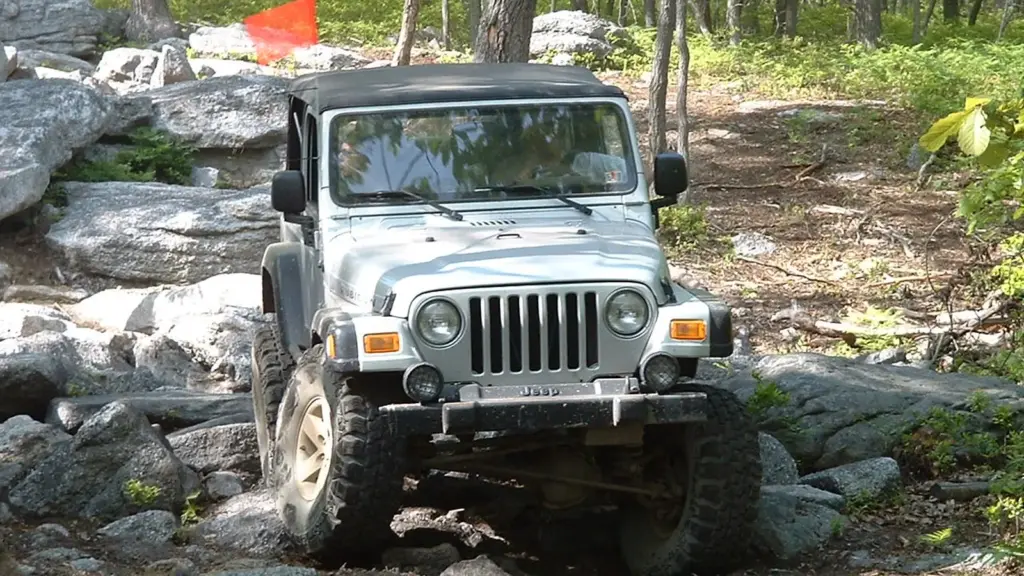
Articulation, armor and lockers working together.
Aftermarket support by model
| Vehicle | Support | Key brands |
|---|---|---|
| Jeep Wrangler and Gladiator | Enormous | Mopar / Jeep Performance Parts, TeraFlex, AEV, Rough Country, Fox, King |
| Toyota Tacoma, 4Runner, Land Cruiser | Enormous | TRD, ARB / Old Man Emu, Icon, Metal Tech, Ironman 4×4, Dobinsons |
| Toyota Land Cruiser 70 and Hilux | Enormous (outside NA) | ARB, Ironman 4×4, TJM, Dobinsons, Rhino-Rack |
| Ford Bronco and Ranger | Big and growing | Ford’s own accessory catalog (200-plus at Bronco launch), Fox, King, ARB |
| Classic Land Rover Defender | Huge in the UK | Britpart (28,000-plus parts in stock), Terrafirma, Front Runner |
| Nissan Patrol | Big in Australia and the Middle East | ARB, TJM, Ironman 4×4, Dobinsons |
| Ineos Grenadier, Tank 300, Thar | Growing | Mostly factory accessories plus a few specialists |
- ARBAustralia, since 1975Started with roof racks in Melbourne, launched the Air Locker in 1987 and bought suspension maker Old Man Emu in 1988. Bumpers, lockers, compressors and fridges for almost every serious 4×4.
- Ironman 4×4, TJM and DobinsonsAustraliaIronman grew out of a 1958 Melbourne spring works, TJM was founded in Brisbane in the early 1970s and Dobinsons has been making springs in Rockhampton since 1953. All three cover Toyota, Nissan, Ford and more.
- Front RunnerSouth AfricaRoof racks designed and tested in Africa, with more than 55 accessories for its Slimline II rack. Now part of Dometic.
- Britpart and TerrafirmaUnited KingdomThe Land Rover specialists. Britpart says it stocks more than 28,000 lines through over 1,000 stockists worldwide; Terrafirma makes lift kits, snorkels and steering upgrades.
- TeraFlex, AEV, King, Fox and IconUnited StatesTeraFlex (Utah) and AEV (Detroit area) are Jeep and truck specialists; King, Fox and Icon make the long-travel shocks and suspension systems you’ll find on desert trucks.
Our take: before you fall for a truck, check its aftermarket. A Wrangler, Tacoma or Land Cruiser lets you buy almost any part off the shelf. A rare import may be cooler, but you’ll be fabricating your own bumpers and waiting weeks for parts.
Frequently Asked Questions
What does a locking differential do?
It ties the left and right wheels on an axle together so they turn at the same speed. An open diff sends torque to the wheel with the least grip, so a lifted or spinning wheel can stop you. A locker sends torque to whichever wheel can use it.
Why do some 4x4s have three locking differentials?
Full-time 4WD trucks have a center differential as well as one in each axle, and all three are open by default. Locking the center, rear and front diffs means all four wheels turn together, so any one tire with grip can move the truck. Part-time trucks like the Wrangler already lock front to rear in the transfer case, so two lockers do the same job.
Is a rear locker or a front locker more important?
Start with the rear. Weight shifts rearward when climbing, and a rear locker has little effect on steering. A front locker adds a lot of capability on rocks but makes the truck hard to turn while engaged.
Are solid axles better than independent front suspension?
For slow rock crawling, solid axles articulate better and are tougher. For high-speed desert running and daily driving, independent front suspension rides and steers better. Most modern trucks use IFS; the Wrangler, Land Cruiser 70 and Jimny keep solid axles.
What is the best used 4×4 for off-roading?
On a budget, a Jeep Cherokee XJ, Wrangler TJ or Suzuki Samurai. For a tough, long-lasting truck, a Land Cruiser 80 or Nissan Patrol GU with the right diesel. All have huge aftermarket support.
Can you buy a Land Cruiser 70 in the US?
Not new. NHTSA lets vehicles at least 25 years old be imported without meeting US safety standards, so older 70 Series trucks (built in roughly 2001 or earlier, as of late 2026) can come in. Newer ones can’t be legally registered for road use.
Keep Exploring
Dig into the trucks we mentioned, or brush up on the tech behind them.
Sources
- ARB: what’s the diff? Differentials and lockers explained
- CarExpert: differentials explained
- Motor1: locking differentials off-road
- Eaton: Detroit Locker
- Mercedes-Benz USA: the new G-Class
- CarExpert: the electric G-Class
- Ineos Grenadier media: Station Wagon
- Jeep: Wrangler capability
- Stellantis: 2026 Jeep Wrangler
- Ford: 2025 Bronco technical specifications
- Ford: Ranger Raptor technical specifications
- Toyota: 2025 4Runner
- Toyota: Tacoma overview
- Toyota: 2026 Land Cruiser
- CarExpert: 2025 LandCruiser 70 Series review
- Land Rover UK: Defender wading depths
- Autocar: Land Rover Defender Octa
- Suzuki New Zealand: Jimny specifications
- Mahindra: Thar Roxx 4×4
- Autocar India: Thar Roxx vs rivals
- Lada: Niva Legend
- CarExpert: 2025 GWM Tank 300
- CarExpert: 2025 Nissan Patrol revealed
- Wikipedia: Jeep Cherokee (XJ)
- Driving Line: Jeep Cherokee XJ buyer’s guide
- Wikipedia: Jeep Wrangler (TJ)
- Hagerty: Jeep values
- The Drive: Suzuki Samurai on Hagerty’s Bull Market list
- Practical Motoring: Suzuki Jimny buyer’s guide
- 4X4 Australia: LandCruiser 80 Series retrospective
- Carsales: buying a used Mitsubishi Pajero
- Unsealed 4X4: buying a used Land Rover Defender
- CarsGuide: Nissan Patrol GU used review
- NHTSA: importation and certification FAQs
- SEMA: 2026 market research
- 4X4 Australia: ARB history
- Ironman 4×4: our story
- 4X4 Australia: TJM turns 50
- Dobinsons: history
- Dometic: Front Runner
- Britpart: distribution
- TeraFlex: about us
- Auto123: Ford Bronco accessories
Photo credits
- Header image: Joshua Tree National Park, Public domain, cropped and resized.
- Cutaway of a truck differential showing the…: Tennen-Gas, CC BY-SA 3.0, cropped and resized.
- Dana 44 solid rear axle under a…: Dana60Cummins, Public domain, cropped and resized.
- Jeep Wrangler TJ crawling over rocks with…: Mtxchevy at English Wikipedia, Public domain, cropped and resized.
- Green Jeep Wrangler Rubicon 4xe, JL generation: Alexander Migl, CC BY-SA 4.0, cropped and resized.
- 2024 Ford Bronco Raptor in a parking…: HJUdall, CC0, cropped and resized.
- Silver Mercedes-Benz G-Class G 500: Alexander Migl, CC BY-SA 4.0, cropped and resized.
- White Ineos Grenadier station wagon: Alexander Migl, CC BY-SA 4.0, cropped and resized.
- Toyota LandCruiser 79 single cab pickup: Johannes Maximilian, CC BY-SA 4.0, cropped and resized.
- Toyota Land Cruiser 250 First Edition in…: TTTNIS, CC0, cropped and resized.
- Grey Land Rover Defender 110, L663 generation: Alexander Migl, CC BY-SA 4.0, cropped and resized.
- Suzuki Jimny parked on volcanic rocks in…: Jakub Hałun, CC BY-SA 4.0, cropped and resized.
- Grey Ford Ranger Raptor pickup: Alexander-93, CC BY-SA 4.0, cropped and resized.
- White Mahindra Thar Roxx on a rocky…: The Drivers Hub, CC BY 4.0, cropped and resized.
- Blue Lada Niva 4x4 with a roof…: Alexander-93, CC BY-SA 4.0, cropped and resized.
- Grey GWM Tank 300 SUV at an…: Jengtingchen, CC BY-SA 4.0, cropped and resized.
- White 2001 Jeep Cherokee XJ Sport: CZmarlin — Christopher Ziemnowicz, a photo credit would…, CC0, cropped and resized.
- Black Jeep Wrangler TJ Rubicon: X4nMan20Oo, CC BY-SA 4.0, cropped and resized.
- Tan 1988 Suzuki Samurai soft top: Mr.choppers, CC BY-SA 3.0, cropped and resized.
- Black Toyota Land Cruiser 80 Series VX: Ethan Llamas, CC BY-SA 4.0, cropped and resized.
- Blue 1997 Mitsubishi Pajero 2.8 turbo diesel: Rutger van der Maar, CC BY 2.0, cropped and resized.
- Silver Land Rover Defender 90 Td5 with…: Calreyn88, CC BY-SA 4.0, cropped and resized.
- Nissan Patrol Y61 GU: Mohammed Hamad, CC BY-SA 4.0, cropped and resized.