
Safari Rally Kenya
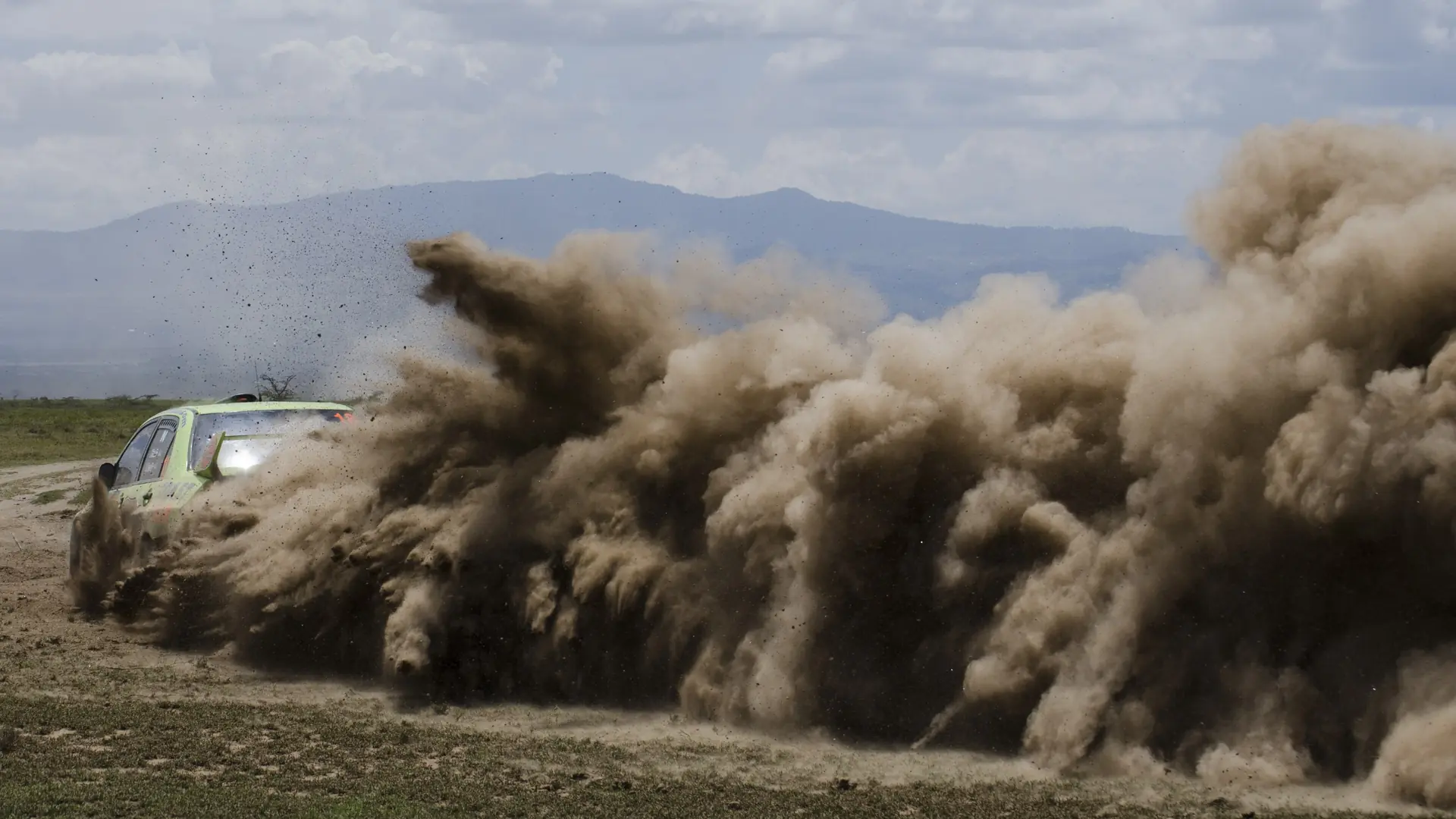
The Safari Rally is Kenya’s round of the World Rally Championship, run on rough gravel roads, ranch tracks and national-park trails around Lake Naivasha in the Great Rift Valley. It started in 1953, spent 30 seasons in the WRC, disappeared from the world stage for 18 years and came back in 2021. Here’s where the name comes from, the history, the stages, the records and past winners, the calendar and how to watch it in person.
Safari Rally at a Glance
Stage distance about 350 km / 218 mi 20 stages planned in 2026; three were cancelled on the day
Surface Gravel, rock and fesh-fesh plus mud and water crossings when the rain comes
Altitude 2,086 m / 6,844 ft Naivasha town, high on the Rift Valley floor
First run May 27, 1953 as the Coronation Safari, through Kenya, Uganda and Tanganyika
Base Naivasha, Nakuru County service park on the Nairobi–Nakuru Highway, about 93 km / 58 mi from Nairobi
Most wins 5 Shekhar Mehta (WRC era) and Carl Tundo (African championship era)
Coronation Safari, East African Safari or Safari Rally?
It’s all the same event, and it has been renamed every time East Africa’s map changed. The first one, in 1953, was the East African Coronation Safari, held to mark Queen Elizabeth II’s coronation, with a route that crossed Kenya, Uganda and Tanganyika (today’s mainland Tanzania). From 1960 it was the East African Safari Rally, and in 1974 it became simply the Safari Rally.
These days the official title is WRC Safari Rally Kenya, and you’ll often just hear “the Safari.” The word itself is Swahili for “journey,” which fits: for most of its history this wasn’t a sprint between short stages but a multi-day drive across open public roads, with crews carrying spares and fighting the clock and the terrain more than each other.
One thing that hasn’t changed is the feel of the place. The modern rally is based in Naivasha, about 93 km (58 mi) northwest of Nairobi, and its stages run through private ranches, conservancies and Hell’s Gate National Park, so the wildlife is as much a part of the scenery as the dust.
Safari Rally History
For its first five decades the Safari was less a rally than an expedition. Crews drove huge distances on open public roads over several days, through dust, floods and wildlife, with service crews chasing them across the country. Only a fraction of the starters usually reached the finish, which is how the Safari built its reputation long before it joined the World Rally Championship in 1973.
- 1953 The East African Coronation Safari runs from May 27 to June 1 to celebrate the coronation. Alan Dix and Johnny Larsen win in a Volkswagen Beetle.
- 1960 The event is renamed the East African Safari Rally, still with a long route across Kenya, Uganda and Tanganyika.
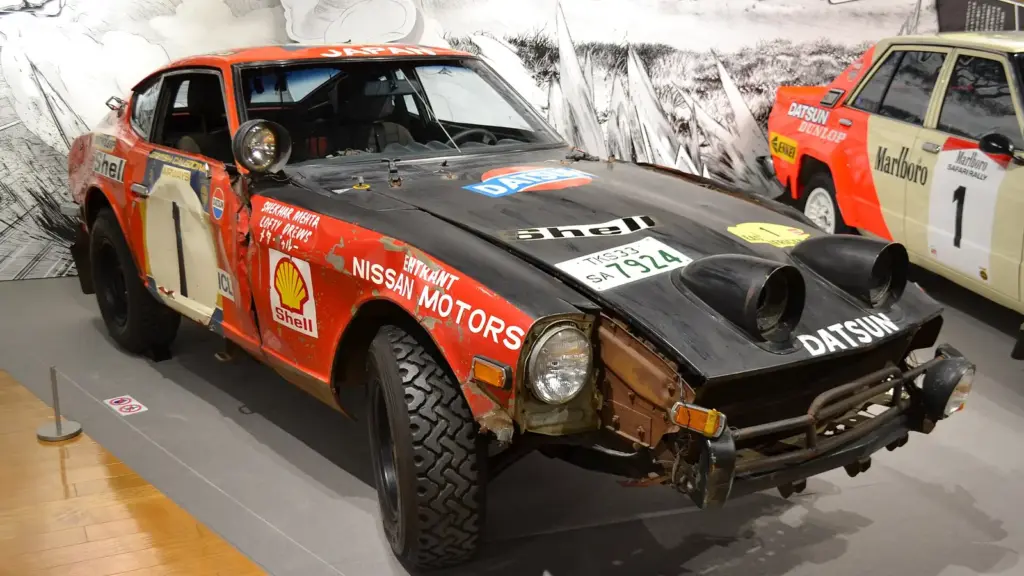
- 1973 The Safari joins the brand-new World Rally Championship. Kenyan driver Shekhar Mehta and Lofty Drews win in a Datsun 240Z.
- 1974 The name is shortened to the Safari Rally. Joginder Singh, already a winner in 1965, wins again and adds a third in 1976.
- 1977–90 Björn Waldegård wins four times (1977, 1984, 1986 and 1990), and Juha Kankkunen starts a run that brings him wins in 1985, 1991 and 1993.
- 1979–82 Shekhar Mehta wins four years in a row, giving him five Safari wins in total, still the record.
- 1996 Special stages arrive, though the rally still uses open public roads between them.
- 1997–2002 Colin McRae wins three times, the last in 2002. That turns out to be the final WRC Safari for 19 years.
- 2003–2019 The Safari runs as a round of the African Rally Championship on shorter, closed-road stages (2015 and 2016 were national championship events). Carl Tundo wins five times in this era.
- 2020 The planned WRC comeback is cancelled because of the COVID-19 pandemic.
- 2021 The WRC returns to Kenya in June. Sébastien Ogier and Julien Ingrassia win in a Toyota Yaris WRC.
- 2024 The rally moves from its June slot to March, where it has stayed since.
- 2026 The ceremonial start in Nairobi is dropped and the whole event runs around Naivasha from March 12 to 15. Takamoto Katsuta comes back from a double puncture to take his first WRC win, and Toyota’s sixth straight Safari win since 2021.
Fesh-Fesh, Rocks and Rift Valley Rain
What sets the Safari apart from other gravel rallies is how much the ground fights back. The most famous hazard is fesh-fesh, a powder-fine volcanic dust that hides ruts and rocks underneath it. Drive into a patch and the car disappears into a cloud; the stage at Kedong is known for it. When it rains, the same powder turns into thick mud, and parts of a stage can become small rivers.
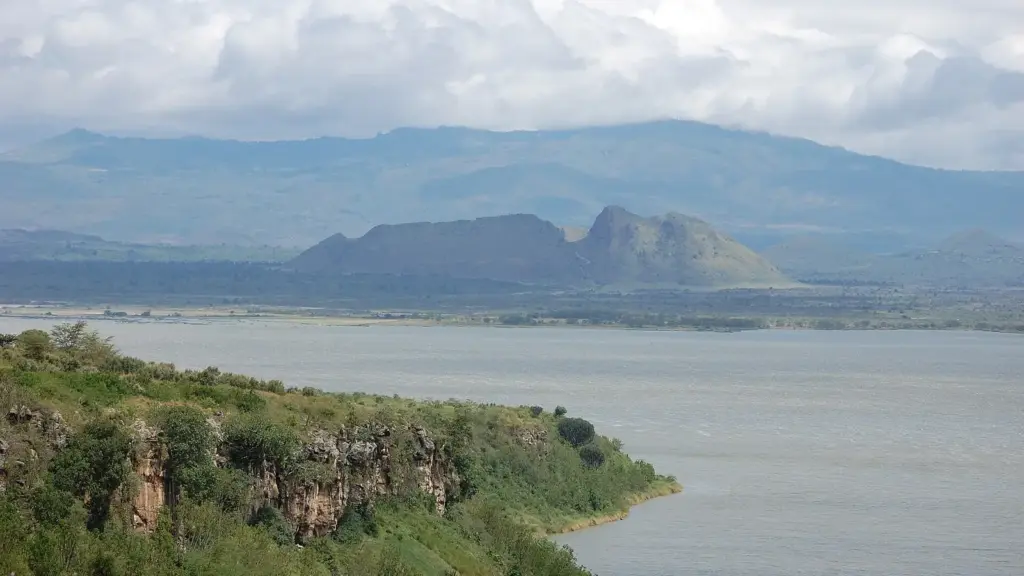
Then there are the rocks and the speed. Stages like Sleeping Warrior, named for the hill above Lake Elmenteita, are fast and open across the savannah, while others are narrow, rutted and rocky enough that the plan is simply to get through without a puncture or broken suspension. Winning here is often about who drives slightly slower in the right places.
Snorkels
Breathing through a tube
Cars run raised air intakes so the engine can keep breathing in deep water crossings and thick dust.
Raised
Ride height
Teams lift the suspension and add protection to survive ruts, rocks and holes that would wreck a car on a smooth gravel rally.
2,086 m
Thin air
Naivasha sits about 6,844 ft up, so engine maps are tuned for air with noticeably less oxygen than at sea level.
That’s why Safari cars look different from the rest of the season. Teams fit snorkels, raise the ride height and strengthen the underbody, and drivers still talk about tire management and car preservation as much as outright pace. In 2026 the winner, Takamoto Katsuta, was seventh and nearly two minutes behind after a double puncture on Friday before fighting back.
The Safari Rally Route: Stage by Stage
There’s no lap to learn here. The Safari is a four-day loop of special stages, timed sections of closed road, linked by public-road transport sections, with everything coming back to the service park in Naivasha. Most stages run twice, and the route changes a little every year. Here’s how the 2026 rally was laid out, which gives you a good idea of what to expect; stage lengths are from the official itinerary, and the 2027 route hadn’t been published yet when this was written.
Thu
Camp Moran
The opener, 24.35 km (15.13 mi) long and run in reverse for 2026, with the fesh-fesh section taken out. It starts the rally right after the Thursday afternoon flag-off at the service park.
Thu
Mzabibu
A short 8.86 km (5.51 mi) stage to finish the first day. Mzabibu Village also hosted a driver autograph session for fans in 2026.
Fri
Loldia
At 25.04 km (15.56 mi), the longest stage of the 2026 rally and the start of a long Friday loop.
Fri
Kengen Geothermal
A 13.16 km (8.18 mi) test named for the geothermal power operator whose Olkaria fields sit around Hell’s Gate.
Fri
Kedong
A 13.79 km (8.57 mi) stage known for its fesh-fesh, where visibility and hidden ruts can catch anyone out.
Sat
Soysambu
A 24.94 km (15.50 mi) stage on the Soysambu conservancy near Lake Elmenteita, one of the longest of the weekend.
Sat
Elmenteita
A stage by Lake Elmenteita with a spectator-friendly section near the finish, close to the Nairobi–Nakuru Highway.
Sat
Sleeping Warrior
Fast, open savannah below the hill that gives the stage its name. The fans at Elmenteita can see it across the road.
Sun
Oserengoni
An 18.22 km (11.32 mi) stage that opens the final day.
Sun
Hell’s Gate
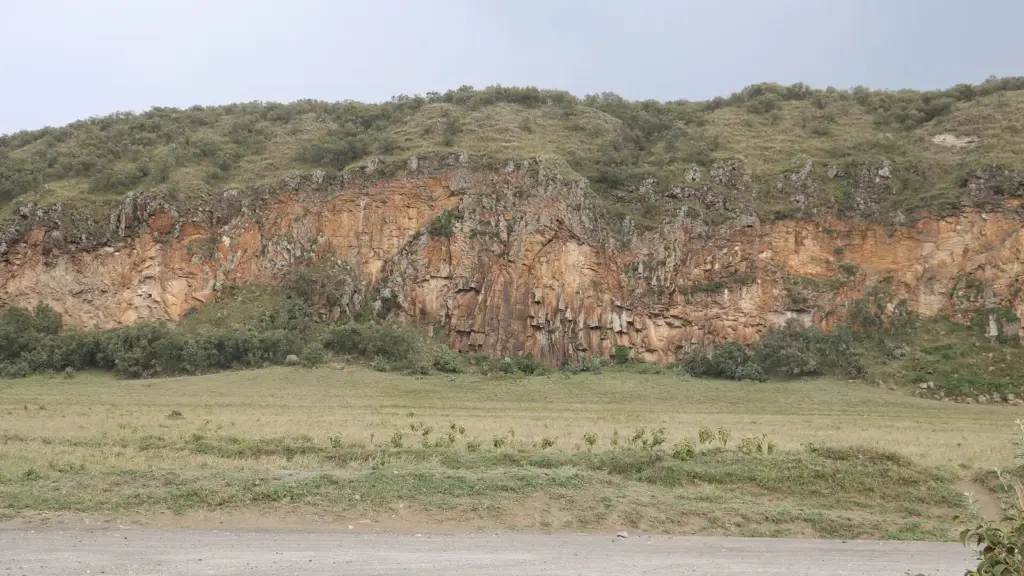
A 10.5 km (6.5 mi) run through Hell’s Gate National Park. The second pass is the Power Stage, with extra points for the fastest five; Oliver Solberg won it in 2026.
Safari Rally Records and Past Winners
A rally has no lap record, and the stages change from year to year, so stage times can’t really be compared across seasons. What people do track is who wins and how often. Here are the numbers that come up most, plus every winner since the Safari came back to the WRC. Every modern win has gone to Toyota, with Hyundai the closest challenger in 2026.
5 wins
Most wins by a driver
Shekhar Mehta won in 1973 and then four straight from 1979 to 1982. Carl Tundo matched his five during the African Rally Championship years.
6 in a row
Toyota since the return
Toyota has won every Safari since the WRC came back in 2021, with four different drivers.
3:16:05.6
2026 winning time
Takamoto Katsuta and Aaron Johnston’s total in a Toyota GR Yaris Rally1, 27.4 seconds ahead of Adrien Fourmaux’s Hyundai.
2 each
Modern-era double winners
Sébastien Ogier (2021, 2023) and Kalle Rovanperä (2022, 2024) are the only drivers with two wins since the return.
| Year | Winning crew | Car |
|---|---|---|
| 2026 | Takamoto Katsuta / Aaron Johnston | Toyota GR Yaris Rally1 |
| 2025 | Elfyn Evans / Scott Martin | Toyota GR Yaris Rally1 |
| 2024 | Kalle Rovanperä / Jonne Halttunen | Toyota GR Yaris Rally1 |
| 2023 | Sébastien Ogier / Vincent Landais | Toyota GR Yaris Rally1 |
| 2022 | Kalle Rovanperä / Jonne Halttunen | Toyota GR Yaris Rally1 |
| 2021 | Sébastien Ogier / Julien Ingrassia | Toyota Yaris WRC |
Rallies and Events Around the Safari
The WRC round is the headline, and it’s one of the few times the World Rally Championship visits Africa. Kenya’s rally scene runs well beyond that one weekend, though, from the national championship to a historic Safari for classic cars.
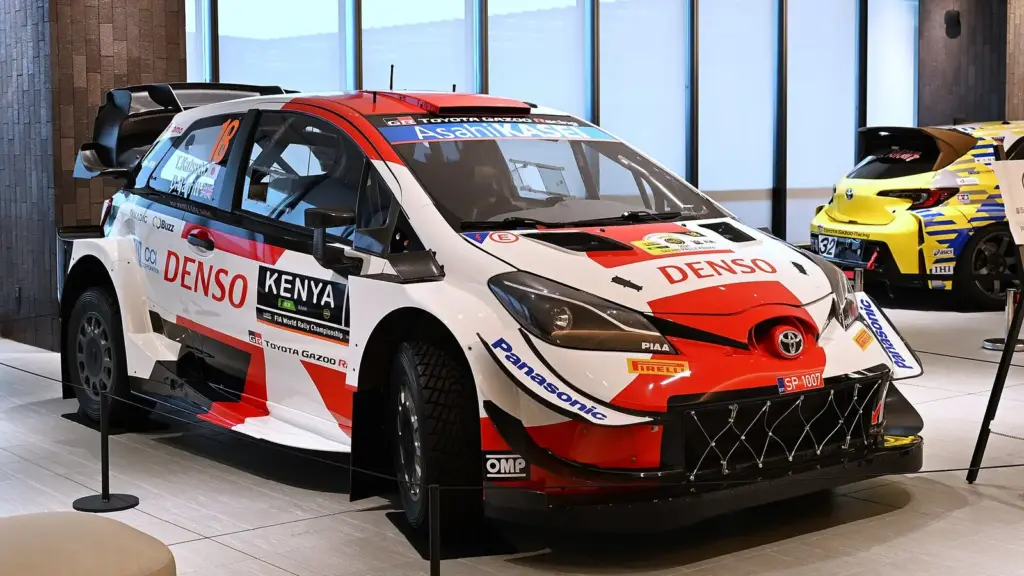
March
WRC Safari Rally Kenya
The main event and Kenya’s round of the World Rally Championship. In 2026 it ran March 12–15 as Round 3, based entirely in Naivasha, and Takamoto Katsuta took his first WRC win. National championship crews also run in the event.
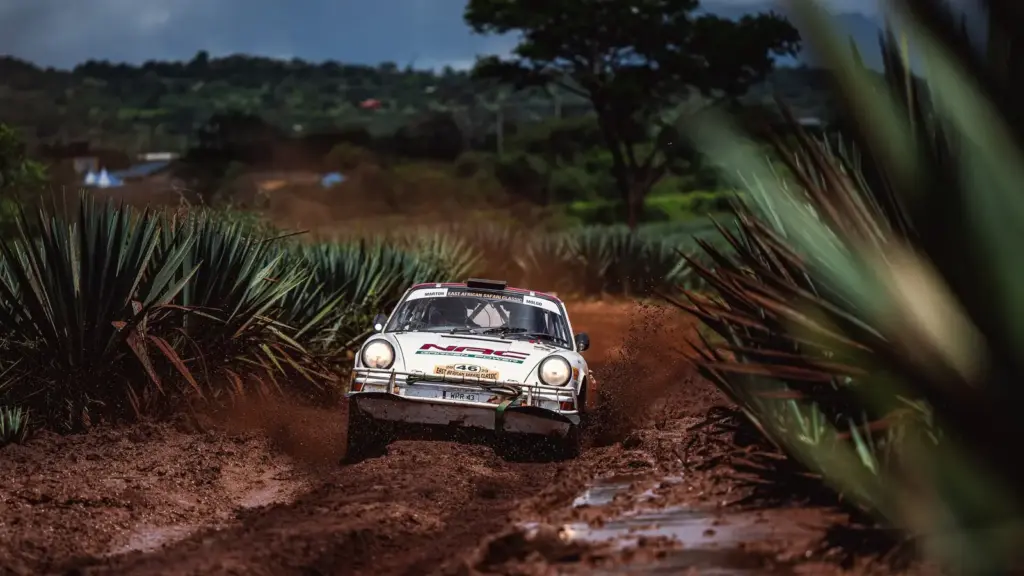
December (when held)
East African Safari Classic Rally
Historic rally Kenya and Tanzania
A long-distance historic rally for older cars, in the spirit of the original Safari. The 12th edition, in December 2025, finished at Diani on the coast and was won by Harry Hunt and Steve McPhee in a Porsche 911.
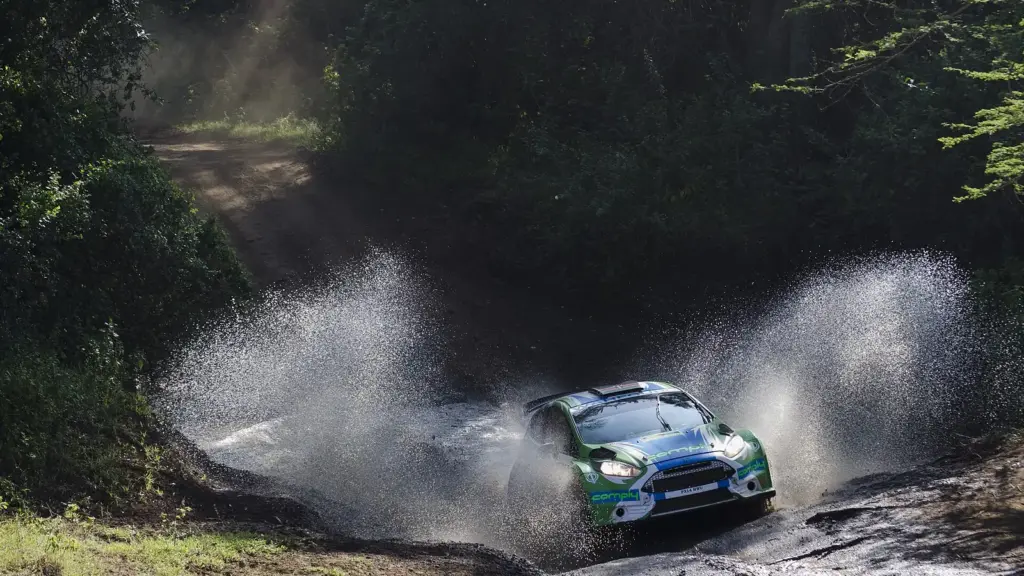
Year-round
Kenya National Rally Championship
National rally KNRC
Kenya’s domestic series runs rounds around the country through the year and is where local drivers make their name. Jasmeet Chana, the 2023 champion, was the top national championship finisher at the 2026 Safari.
Safari Rally Calendar: 2026 and 2027
The Safari is a single big weekend each year rather than a full season of events, and since 2024 it has run in March. Here are the dates for this year and next. The day-by-day itinerary and spectator zones usually come out a few weeks before the rally, so check the official channels before you book travel.
2026 season
| Dates | Event | Series | Status |
|---|---|---|---|
| Mar 12 | Shakedown at Nawisa and flag-off in Naivasha | World Rally Championship | Done |
| Mar 12–15 | WRC Safari Rally Kenya (Round 3) | World Rally Championship | Done |
2027 season
| Dates | Event | Series | Status |
|---|---|---|---|
| Mar 18–21 | WRC Safari Rally Kenya (Round 3) | World Rally Championship | Upcoming |
| TBA | 2027 stage route and spectator zones | World Rally Championship | Details TBA |
Safari Rally Weather by Season
Naivasha sits just south of the equator but more than 2,000 m (6,500 ft) up, so it’s mild all year: warm days, cool nights and two rainy spells instead of a summer and winter. The figures below are average highs, lows and monthly rainfall for Naivasha from Weather2Travel. The big thing to remember is that weather decides what kind of Safari you get, dusty or muddy.
25–26°C / 77–79°F
January–February
Warm, sunny days with highs of 25–26°C (77–79°F) and cool nights around 8°C (46°F). These are the driest months, with about 38–43 mm (1.5–1.7 in) of rain, so dust is the bigger problem.
22–25°C / 72–77°F
March–May
Highs fall from about 25°C (77°F) in March to 22°C (72°F) in May, with lows of 9–11°C (48–52°F). Rain builds fast: about 61 mm (2.4 in) in March, 140 mm (5.5 in) in April and 104 mm (4.1 in) in May. The March rally sits right at the start of it, so a stage can go from dust to mud in an afternoon.
20–22°C / 68–72°F
June–September
The coolest stretch, with highs of 20–22°C (68–72°F) and nights down to 7–9°C (45–48°F). It’s fairly dry, with about 38–43 mm (1.5–1.7 in) of rain a month. This was the Safari’s slot from 2021 to 2023.
22–24°C / 72–75°F
October–December
Highs of 22–24°C (72–75°F) and lows of 8–9°C (46–48°F). Rain picks up again, peaking at about 71 mm (2.8 in) in November, which has rain on around 20 days.
Watching the Safari Rally: Spectator Points and Tips
Watching a rally isn’t like going to a racetrack. There are no grandstands around a lap; you pick a stage, get there early and watch each car come past once or twice a day. The upside is that you’re right in the landscape, and in Naivasha the landscape is a big part of the show.
Where to watch
- The shakedown. In 2026 the shakedown at Nawisa (the Naivasha Wildlife Sanctuary), about 6.3 km long, opened to fans for the first time since the rally came back. It’s a relaxed way to see every car on Thursday morning.
- Kedong. In 2026 the Friday spectator area was off Moi South Lake Road, opposite Sawela Lodge, on a stage known for its fesh-fesh dust clouds.
- Elmenteita and Sleeping Warrior. On Saturday the spectator area at Kikopey Junction on the Nakuru Highway let you watch the end of the Elmenteita stage and see Sleeping Warrior across the road.
- Hell’s Gate Power Stage. Sunday’s finale ran past the Kenya Wildlife Service entrance to Hell’s Gate National Park, where the rally is decided and the Power Stage points are handed out.
- The service park. In Naivasha, on the Nairobi–Nakuru Highway, where the cars are flagged off on Thursday afternoon and come back between loops.
Tickets and rules
Spectator zones and hospitality areas change every year, so check the official Safari Rally Kenya channels before you go. In 2026 hospitality-zone tickets were digital and non-transferable, needed a national ID, and anyone under 18 had to be with an adult; outside food and drink weren’t allowed in those zones. Spectator routes close about two hours before the first car, so plan to be in place early.
Getting there and staying safe
Naivasha is about 93 km (58 mi) northwest of Nairobi by road, and on rally weekends the highways and lake roads get busy, so leave early and expect slow traffic on the way back. Stay inside the marked zones, do what the marshals tell you, and never cross the road while a stage is live. Unauthorized drones, flash photography and fires are off limits. Bring water, a hat and sunscreen: it’s warm in the day at this altitude, and the dust gets everywhere.
Can You Drive the Safari Rally Stages?
Not at speed, no. The stages are closed public roads, ranches, conservancies and park trails, so there’s no venue to book for a track day the way you would at a circuit. Some routes, like the roads through Hell’s Gate National Park, are open to regular visitors at normal speeds with a park ticket, which is a nice way to see the scenery the crews race through.
If you want to compete, the way in is the Kenya National Rally Championship, which runs rounds across the country through the year. Its crews also enter the Safari itself, so local drivers can end up on the same stages as the WRC stars. Start with the national federation and a local motor club to find the entry rules and licensing you need.
The easier option is on a screen. Safari Rally Kenya is one of the launch locations in EA Sports WRC, the official WRC game, so you can try the Rift Valley stages, fesh-fesh and all, from your couch.
Talk Safari Rally With Other Enthusiasts
Heading to Naivasha, chasing the WRC around the world or just love watching rally cars fly through the dust? Share what you’ve learned, ask questions and find people going the same weekend in the AutoGathering community.
- Best spectator spots
- Getting to Naivasha
- Safari Rally photos
- Kenyan rallying
- Safari-spec car setups
- Rally weekend meetups
- EA Sports WRC times
- East African Safari Classic
Safari Rally FAQ
When is the 2027 Safari Rally Kenya?
The 2027 Safari Rally Kenya is scheduled for March 18–21, 2027, as Round 3 of the World Rally Championship, again based in Naivasha.
Where is the Safari Rally held?
The modern Safari is based in Naivasha in Nakuru County, Kenya, about 93 km (58 mi) northwest of Nairobi. Its stages run around Lake Naivasha, Lake Elmenteita and Hell’s Gate National Park in the Great Rift Valley.
Who won the 2026 Safari Rally?
Takamoto Katsuta and Aaron Johnston won the 2026 Safari Rally Kenya in a Toyota GR Yaris Rally1, finishing 27.4 seconds ahead of Adrien Fourmaux’s Hyundai. It was Katsuta’s first WRC win.
What is fesh-fesh?
Fesh-fesh is a very fine, powdery dust found on some Safari stages. It hides ruts and rocks, throws up huge dust clouds that cut visibility, and turns into thick mud when it rains.
Who has won the Safari Rally the most times?
Shekhar Mehta and Carl Tundo share the record with five wins each. Mehta’s came in the WRC era (1973 and 1979–1982); Tundo’s came when the Safari was part of the African Rally Championship.
When did the Safari Rally return to the WRC?
The Safari returned to the World Rally Championship in 2021 after an 18-year absence. It had been a WRC round from 1973 to 2002; a 2020 comeback was cancelled because of COVID-19.
Why do Safari Rally cars have snorkels?
The raised air intakes let the engine breathe in deep water crossings and heavy dust. Teams also raise the ride height and add protection for the rough, rocky roads.
Can you watch the Safari Rally for free?
Fans watch from designated spectator zones along the stages, and the arrangements change from year to year; in 2026 the hospitality zones needed a ticket. Check the official Safari Rally Kenya channels for the current year’s spectator zones and tickets before you go.
Explore More Racing Circuits
The Safari Rally is one of eight venues in our African racing directory. For circuit racing on the continent, South Africa’s Kyalami is the home of the Nine Hours, and if long-distance off-road events are your thing, take a look at our Dakar Rally guide.
Photo credits
- Header image: Jared-G-Maina, CC BY-SA 4.0, cropped and resized.
- Lake Elmenteita in Kenya’s Great Rift Valley…: Katie Hunt, CC BY 2.0, cropped and resized.
- Rock cliffs and grassland inside Hell’s Gate…: Shadychiri, CC BY 4.0, cropped and resized.
- The Datsun 240Z that won the 1973…: 先従隗始, CC0, cropped and resized.
- Takamoto Katsuta’s 2021 Safari Rally Kenya Toyota…: TTTNIS, CC0, cropped and resized.
- A Porsche 911 SC on a muddy…: Mariusz Bodnar, CC BY 4.0, cropped and resized.
- A rally car splashes through water on…: Jared-G-Maina, CC BY-SA 4.0, cropped and resized.