
IndyCar Series
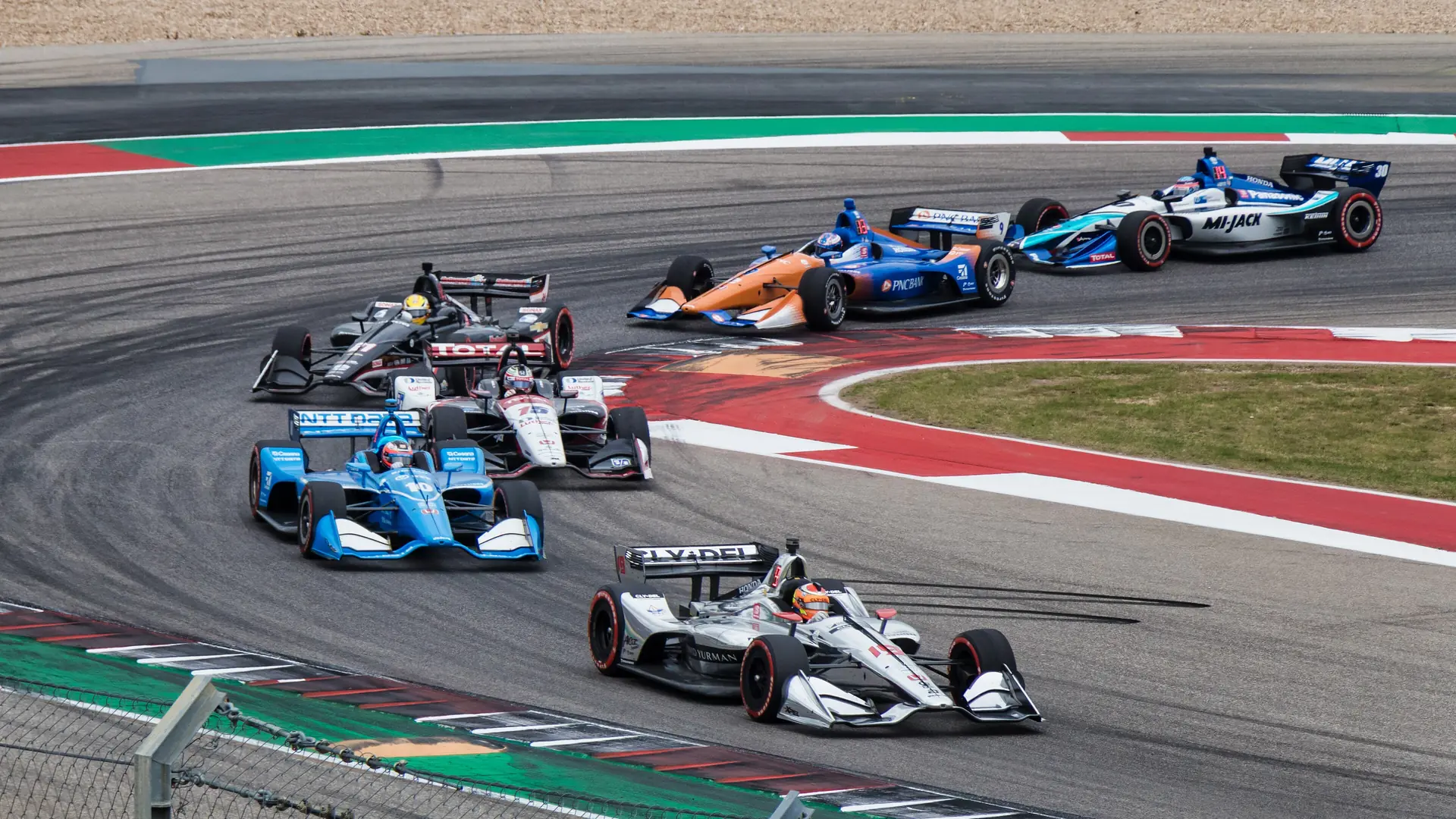
The NTT IndyCar Series is America’s top open-wheel championship, and it’s home to the Indianapolis 500, a race that’s been running since 1911. Every team runs the same Dallara chassis with a Chevrolet or Honda hybrid V6, and the schedule mixes ovals, road courses and street circuits, so the champion has to be good everywhere. Here’s what you’ll want to know: the 2027 calendar so far, the 2026 champions, the stories fans still talk about, how the rules work, and the engine makers and drivers with the most titles.
IndyCar Series at a Glance
First season 1996 Indy 500 since 1911; national titles since the AAA era
Schedule 18 races in 2026 ovals, road courses and street circuits, March to September
Engines Chevrolet and Honda 2.2-liter twin-turbo V6 hybrids in a Dallara chassis
2026 champion Álex Palou No. 10 Chip Ganassi Racing Honda · his 5th title
Next race March 7, 2027 Firestone Grand Prix of St. Petersburg
Closest Indy 500 0.0233 seconds Felix Rosenqvist over David Malukas, 2026
IndyCar 2027 Calendar
IndyCar is announcing its 2027 schedule in phases. Phase one, released on August 12, 2026, locked in the first eight races, from the St. Petersburg opener on March 7 through Detroit on June 6, with the 111th Indianapolis 500 on Sunday, May 30. Since then, World Wide Technology Raceway and Road America have published their June dates. The rest of the season, including the Laguna Seca finale, hadn’t been dated as of October 20, 2026, so treat anything marked TBA as unconfirmed.
2027 NTT IndyCar Series
| Round | Date | Race | Circuit | Location | Status |
|---|---|---|---|---|---|
| 1 | March 7 | Firestone Grand Prix of St. Petersburg | Streets of St. Petersburg | St. Petersburg, Florida | Upcoming |
| 2 | March 13 (Saturday) | Phoenix oval race | Phoenix Raceway | Avondale, Arizona | Upcoming |
| 3 | March 21 | Java House Grand Prix of Arlington | Streets of Arlington | Arlington, Texas | Upcoming |
| 4 | April 4 | Barber Motorsports Park | Barber Motorsports Park | Birmingham, Alabama | Upcoming |
| 5 | April 18 | Acura Grand Prix of Long Beach | Streets of Long Beach | Long Beach, California | Upcoming |
| 6 | May 15 (Saturday) | Sonsio Grand Prix | Indianapolis Motor Speedway (road course) | Speedway, Indiana | Upcoming |
| 7 | May 30 | 111th Indianapolis 500 | Indianapolis Motor Speedway | Speedway, Indiana | Upcoming |
| 8 | June 6 | Chevrolet Detroit Grand Prix | Streets of Detroit | Detroit, Michigan | Upcoming |
| — | June 13 | Bommarito Automotive Group 500 | World Wide Technology Raceway | Madison, Illinois | Upcoming (date set by track) |
| — | June 27 | XPEL Grand Prix at Road America | Road America | Elkhart Lake, Wisconsin | Upcoming (date set by track) |
| — | Early July (expected) | Mid-Ohio | Mid-Ohio Sports Car Course | Lexington, Ohio | TBA |
| — | TBA | Season finale, Monterey | WeatherTech Raceway Laguna Seca | Monterey, California | TBA |
2026 also visited Nashville Superspeedway, Portland, Markham, Washington, D.C., and the Milwaukee Mile. Those dates for 2027 were still to come when we checked. Next year is also the last season for the current car: a new Dallara chassis and a 2.4-liter hybrid V6 arrive in 2028.
How the 2026 season played out
The 2026 season ran 18 races from March 1 to September 6. It added a street race in Arlington, Texas, brought Phoenix back after eight years, and ran the first Freedom 250 street race in Washington, D.C. Álex Palou won six times and wrapped up the title with a race to spare.
| Date | Race | Circuit | Winner | Status |
|---|---|---|---|---|
| March 1 | Grand Prix of St. Petersburg | Streets of St. Petersburg | Álex Palou | Done |
| March 7 | Phoenix | Phoenix Raceway | Josef Newgarden | Done |
| March 15 | Grand Prix of Arlington | Streets of Arlington | Kyle Kirkwood | Done |
| March 29 | Children’s of Alabama Indy Grand Prix | Barber Motorsports Park | Álex Palou | Done |
| April 19 | Grand Prix of Long Beach | Streets of Long Beach | Álex Palou | Done |
| May 9 | Sonsio Grand Prix | Indianapolis Motor Speedway (road course) | Christian Lundgaard | Done |
| May 24 | Indianapolis 500 | Indianapolis Motor Speedway | Felix Rosenqvist | Done |
| May 31 | Detroit Grand Prix | Streets of Detroit | Álex Palou | Done |
| June 7 | Bommarito Automotive Group 500 | World Wide Technology Raceway | Josef Newgarden | Done |
| June 21 | Road America | Road America | Christian Lundgaard | Done |
| July 5 | Mid-Ohio | Mid-Ohio Sports Car Course | Pato O’Ward | Done |
| July 20 | Music City Grand Prix | Nashville Superspeedway | Álex Palou | Done |
| August 9 | Grand Prix of Portland | Portland International Raceway | Álex Palou | Done |
| August 16 | Indy at Markham | Streets of Markham | Marcus Ericsson | Done |
| August 23 | Freedom 250 Grand Prix of Washington, D.C. | Streets of Washington, D.C. | Kyle Kirkwood | Done |
| August 29 | Milwaukee Mile, race 1 | Milwaukee Mile | Pato O’Ward | Done |
| August 30 | Milwaukee Mile, race 2 | Milwaukee Mile | Pato O’Ward | Done |
| September 6 | Grand Prix of Monterey (finale) | WeatherTech Raceway Laguna Seca | Scott McLaughlin | Done |
IndyCar Champions: 2026
IndyCar crowns a drivers’ champion and an engine manufacturer champion, and since only Chevrolet and Honda build engines, that second title is a straight head-to-head. The 2026 season finished on September 6 at Laguna Seca, so these are the reigning champions heading into 2027. It was a Honda sweep.
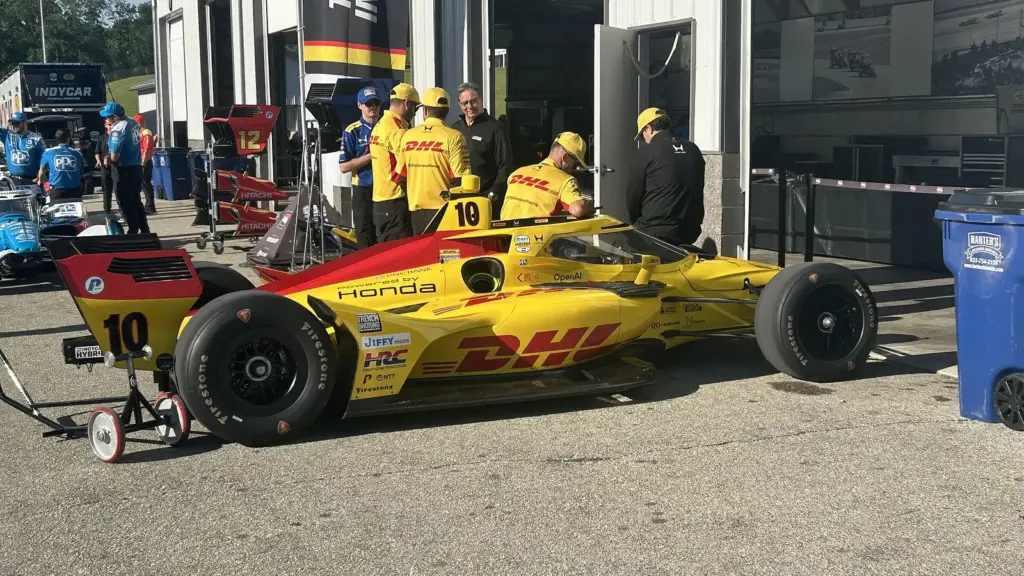
Drivers’ champion
Álex Palou
No. 10 Chip Ganassi Honda
Palou won six of the 18 races and clinched the title at the Milwaukee Mile on August 30, a race early. He finished 86 points clear of Kyle Kirkwood. It’s his fifth title and his fourth in a row, which ties the record for consecutive championships in American open-wheel racing.
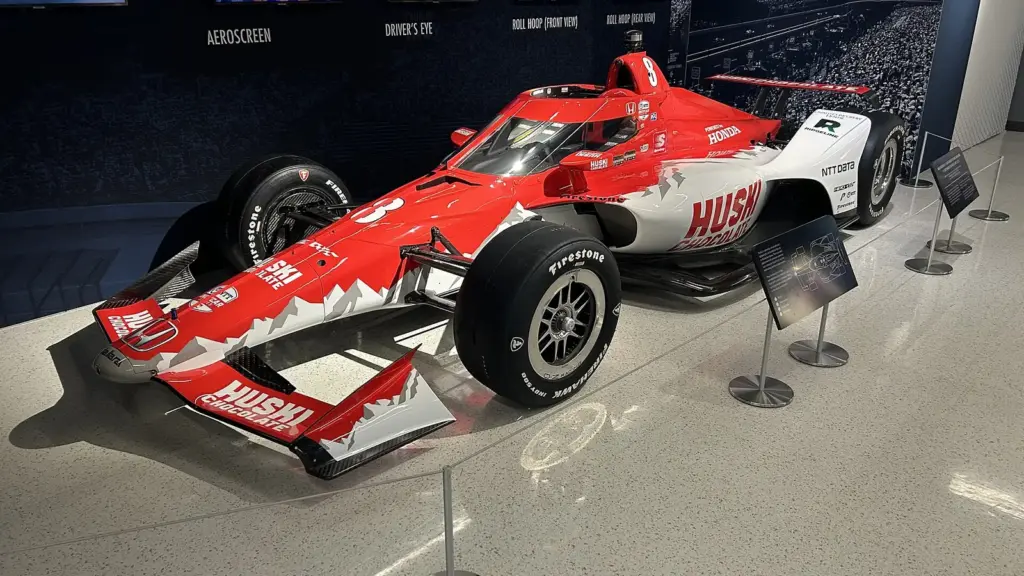
Manufacturers’ champion
Honda
1,571 points 10 of 18 wins
Honda-powered cars won 10 of the 18 races, and Honda took the manufacturers’ title by 355 points for its second straight crown. Chevrolet drivers won the other eight, led by Pato O’Ward’s three.
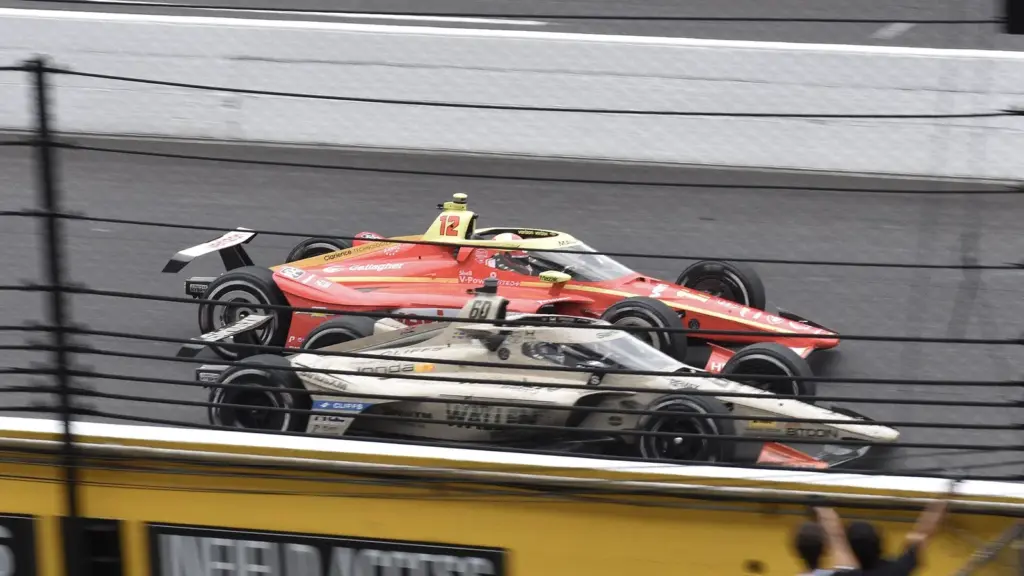
Indianapolis 500 winner
Felix Rosenqvist
No. 60 Meyer Shank Honda
David Malukas led the final lap, but Rosenqvist came past him on the run to the line and won by 0.0233 seconds, the closest finish in Indy 500 history. The race also set a record with 70 lead changes.
2026 champions at a glance
| Title | Winner | Team / car | Engine | Notes |
|---|---|---|---|---|
| Drivers’ championship | Álex Palou | No. 10 Chip Ganassi Racing | Honda | 631 points, six wins |
| Runner-up | Kyle Kirkwood | No. 27 Andretti Global | Honda | 545 points, two wins |
| Manufacturers’ championship | Honda | Honda Racing Corporation USA | Honda | 1,571 points to Chevrolet’s 1,216 |
| Team owners’ championship | Chip Ganassi Racing | No. 10 entry | Honda | Ganassi’s 18th IndyCar title season |
| Indianapolis 500 | Felix Rosenqvist | No. 60 Meyer Shank Racing | Honda | Won by 0.0233 seconds |
| Rookie of the Year | Dennis Hauger | Dale Coyne Racing | Honda | Also the 2025 Indy NXT champion |
IndyCar History
The IndyCar Series itself started in 1996, but the national championship it carries goes back to the early days of the Indianapolis Motor Speedway. The title passed from AAA to USAC to CART, split in two for a dozen years, and came back together in 2008. That’s why IndyCar’s record books include champions from long before the series had its current name.
- 1909–1911 The Indianapolis Motor Speedway opens in 1909, and the first Indianapolis 500 runs on May 30, 1911. Ray Harroun wins in a Marmon Wasp.
- 1909–1955 The American Automobile Association (AAA) runs the national championship. AAA quits racing after 1955.
- 1956–1978 The United States Auto Club (USAC) takes over. Jim Clark’s 1965 Indy 500 win in a rear-engined Lotus ends the front-engined roadster era.
- 1979 Team owners break away to form CART. For one year there are two champions: Rick Mears in CART and A.J. Foyt in USAC.
- 1979–1995 CART becomes the top series, with the Indy 500 sanctioned separately by USAC. Cosworth, then Ilmor-built Chevrolet engines, rule the era.
- 1996 Indianapolis Motor Speedway boss Tony George starts the Indy Racing League. The “split” leaves American open-wheel racing with two rival series for 12 years.
- 2003 The IRL’s top series takes the IndyCar Series name.
- 2008 Champ Car, the former CART series, folds into IndyCar and the split is over.
- 2011 Dan Wheldon wins his second Indy 500 in May, then dies in a crash at Las Vegas in October. The 2012 Dallara DW12 is named after him.
- 2012 Turbocharged 2.2-liter V6 engines arrive, and Chevrolet and Honda start the engine war that’s still going.
- 2018 A universal aero kit replaces manufacturer body kits.
- 2020 Penske Entertainment buys IndyCar and the Speedway, and the aeroscreen arrives for cockpit protection.
- 2024 Hybrid power debuts in July at Mid-Ohio.
- 2025 A charter system starts, Fox becomes the TV home, and Álex Palou wins the Indy 500 and his fourth title.
- 2026 Felix Rosenqvist wins the closest Indy 500 ever, and Palou takes his fifth title, his fourth straight.
- 2027–2028 2027 is the last year for the current car. A new Dallara and 2.4-liter hybrid V6s from Chevrolet and Honda arrive in 2028.
Memorable Stories From IndyCar
Most of IndyCar’s biggest stories happen at the Brickyard, because the Indy 500 is the race everybody remembers. Here are the ones you’ll hear about most, from the very first race to finishes decided by a few feet.
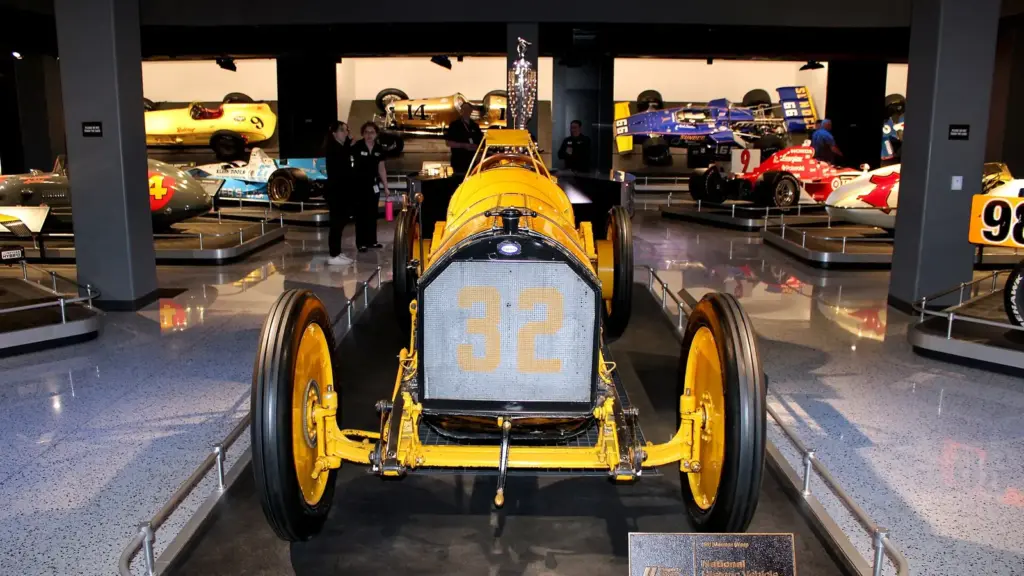
1911
The Wasp and the mirror
Marmon Wasp Ray Harroun
Most cars in the first Indy 500 carried a riding mechanic to watch for traffic. Ray Harroun drove alone and bolted a rearview mirror to his yellow Marmon Wasp instead. He averaged 120 km/h (74.6 mph) over 805 km (500 miles) and won.
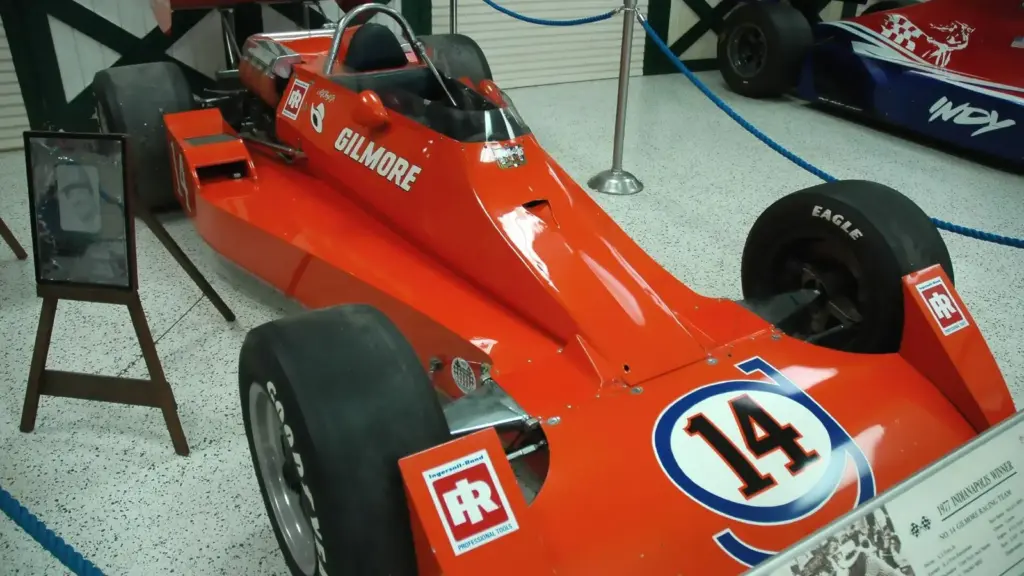
1977
Foyt makes it four
Coyote-Foyt A.J. Foyt
A.J. Foyt won the 1977 Indy 500 in a Coyote his own team built, and became the first driver to win the race four times. Only Al Unser, Rick Mears and Hélio Castroneves have matched him since.

1992
0.043 seconds
Galmer-Chevrolet Al Unser Jr.
In one of the coldest Indy 500s on record, Al Unser Jr. held off Scott Goodyear by 0.043 seconds. That stood as the closest finish in the race’s history for 34 years.
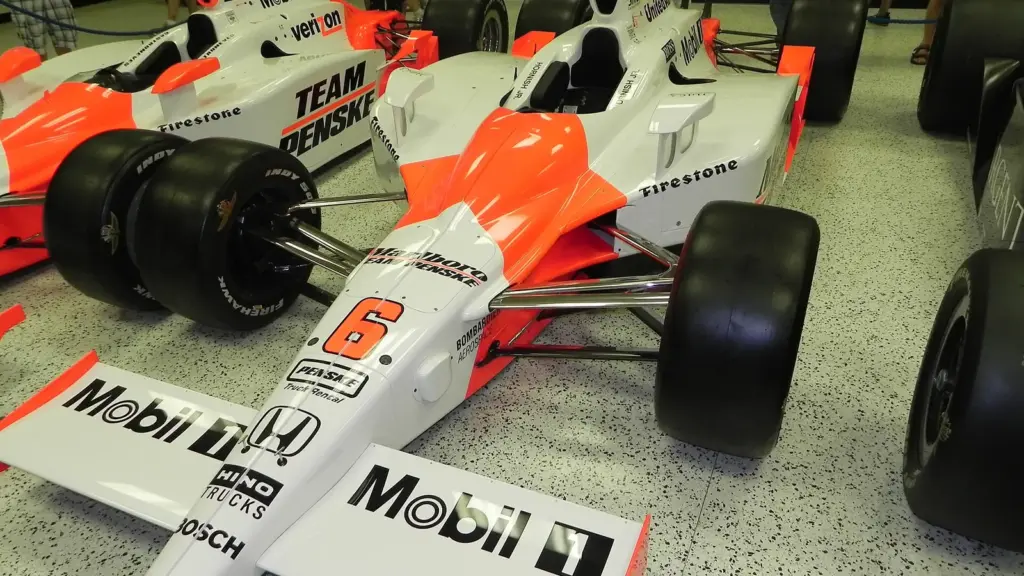
2006
Hornish steals it at the line
Team Penske Sam Hornish Jr.
Rookie Marco Andretti had just passed his father Michael for the lead on the last lap. Sam Hornish Jr. caught him on the front straight and won by 0.0635 seconds, then went on to take the title.
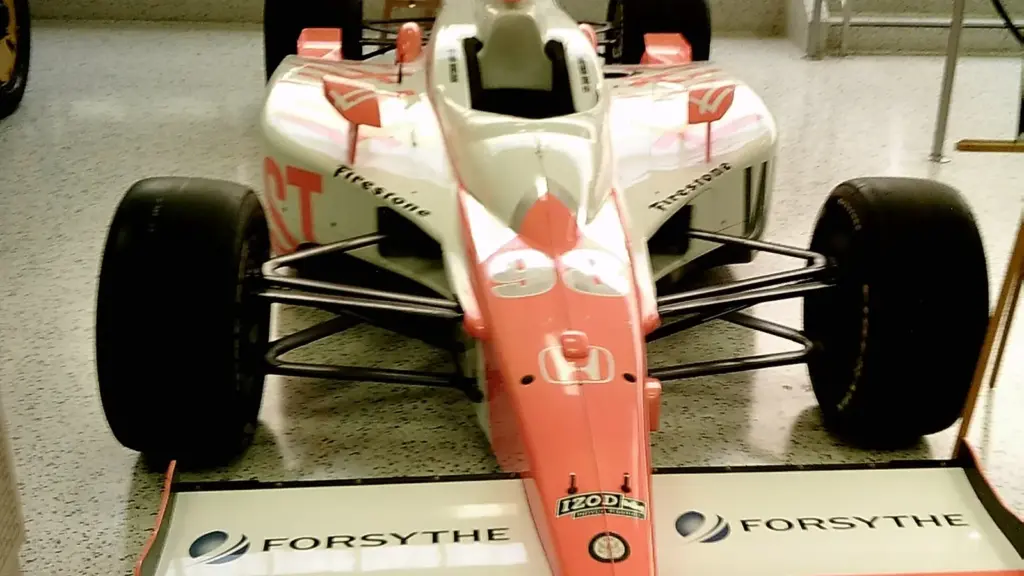
2011
The last-corner crash
Bryan Herta Autosport Dan Wheldon
Rookie J.R. Hildebrand led into the final turn of the final lap, clipped the wall passing a slower car and slid to the line. Dan Wheldon drove past him to win his second Indy 500. Five months later Wheldon was killed at Las Vegas, and the next IndyCar was named in his honor.
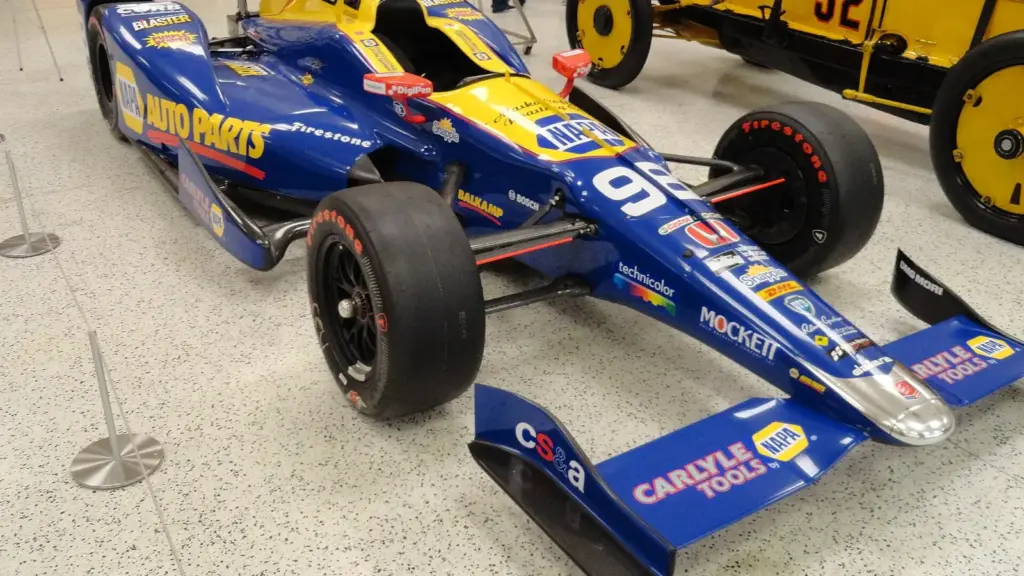
2016
A rookie on fumes
Andretti Herta Alexander Rossi
The 100th Indy 500 drew a huge crowd, and rookie Alexander Rossi won it by skipping a late fuel stop. He was coasting by the end and had to be towed back after the finish.
Want more? In 2008, Danica Patrick won at Motegi in Japan and became the first woman to win an IndyCar race. In 2021, Hélio Castroneves won his fourth Indy 500, joining Foyt, Unser and Mears. And in 2026, Felix Rosenqvist beat David Malukas by 0.0233 seconds, finally breaking the 1992 record for the closest finish.
IndyCar Rules
IndyCar is a spec series: everyone has the same chassis and tires, so the difference comes down to engines, setup, strategy and the driver. That keeps the racing close. Here’s how it works under the current rules, which stay in place through 2027.
The car, the engines and the tracks
One chassis for everyone
The car
Every team runs a Dallara: the DW12 tub with the universal IR-18 aero kit used since 2018. The aeroscreen protects the driver’s head. Teams run separate aero setups for superspeedways like Indianapolis, for short ovals, and for road and street courses. At Indy, cars hit about 378 to 386 km/h (235 to 240 mph).
Chevrolet or Honda
The engines
A 2.2-liter twin-turbo V6, revving to 12,000 rpm and making about 410 to 560 kW (550 to 750 hp) depending on how much turbo boost a track allows. Since July 2024 a hybrid unit in the bellhousing, with supercapacitors instead of a battery, adds about 45 kW (60 hp) on demand. Fuel is a 100% renewable blend.
Ovals, road and street
The tracks
The schedule mixes ovals like Indianapolis and Phoenix, permanent road courses like Road America and Laguna Seca, and temporary street circuits like Long Beach and St. Petersburg. Firestone supplies every tire, with harder primary and softer alternate compounds on road and street courses.
How a race weekend and the championship work
- How you win. It’s a points championship. The driver with the most points after the finale is champion, and a tie goes to the driver with more wins.
- Points. The winner scores 50, then 40, 35, 32, 30, 28, 26, 24, 22 and 20 down to tenth. Every starter scores at least 5. You get 1 bonus point for pole (except at Indy), 1 for leading a lap and 2 for leading the most laps.
- The Indy 500. It pays the same race points as any other round (double points ended after 2022), plus extra points for qualifying. Thirty-three cars start.
- Road and street qualifying. The field splits into two groups. The six fastest from each go to the Fast 12, and the top six from that go to the Firestone Fast Six, which decides pole.
- Oval qualifying. Cars run alone against the clock. At Indianapolis it’s a four-lap average over the weekend before the race, with the fastest cars going to a shootout for pole and the slowest fighting for the last spots on the grid.
- Tires. On road and street courses, each car has to run both the primary and the alternate Firestone in a dry race.
- Push-to-pass and hybrid. On road and street courses, drivers get a limited number of seconds of extra boost per race. The hybrid recovers energy under braking, and drivers choose when to spend it.
- Cautions. When the yellow flag flies, the field bunches up behind the pace car, and pit lane stays closed until officials open it.
- Charters. Since 2025, 25 charters guarantee a starting spot at every race except the Indy 500 and a share of the prize fund. From 2027, cars without a charter can enter only the Indy 500.
Strategy matters more than you might expect. Fuel saving, tire choice and when you pit around cautions decide a lot of IndyCar races, which is how a car that doesn’t lead much can still win.
Manufacturers With the Most IndyCar Titles
The engine manufacturers’ championship started in CART in 1979 and has run in the IndyCar Series since 1996. Counting both, Chevrolet leads with 16, ahead of Honda with 12 and Cosworth with 9. If you count only the IndyCar Series, it’s Chevrolet 10, Honda 8 and Oldsmobile 5.
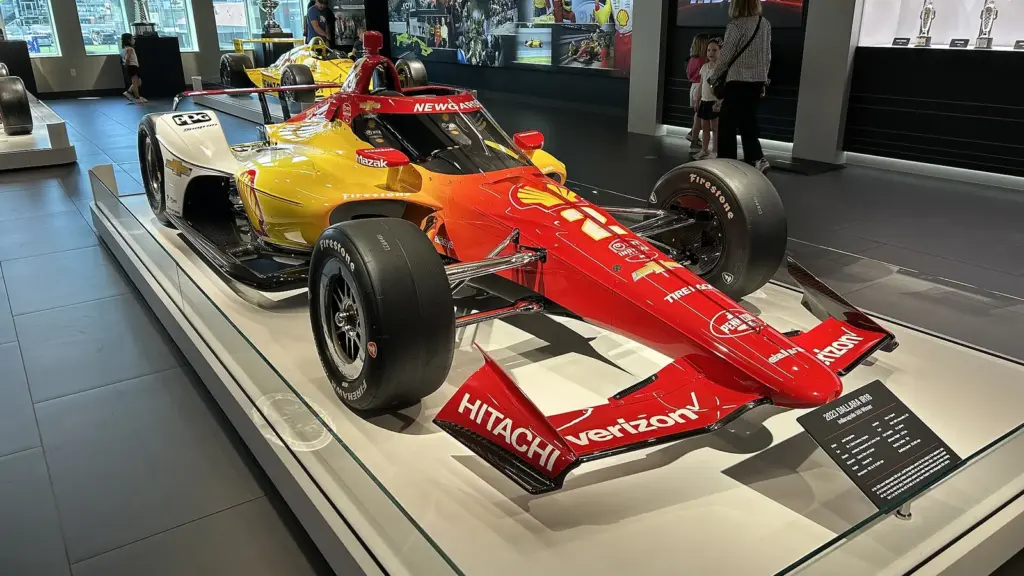
16 manufacturers’ titles
Chevrolet
6 in CART, 1988–93 10 in IndyCar, 2002–24
Chevrolet’s Ilmor-built V8s won six straight CART titles from 1988. Back in IndyCar since 2012, Chevy won the first six engine titles of the turbo V6 era and three more from 2022 to 2024, mostly with Team Penske.
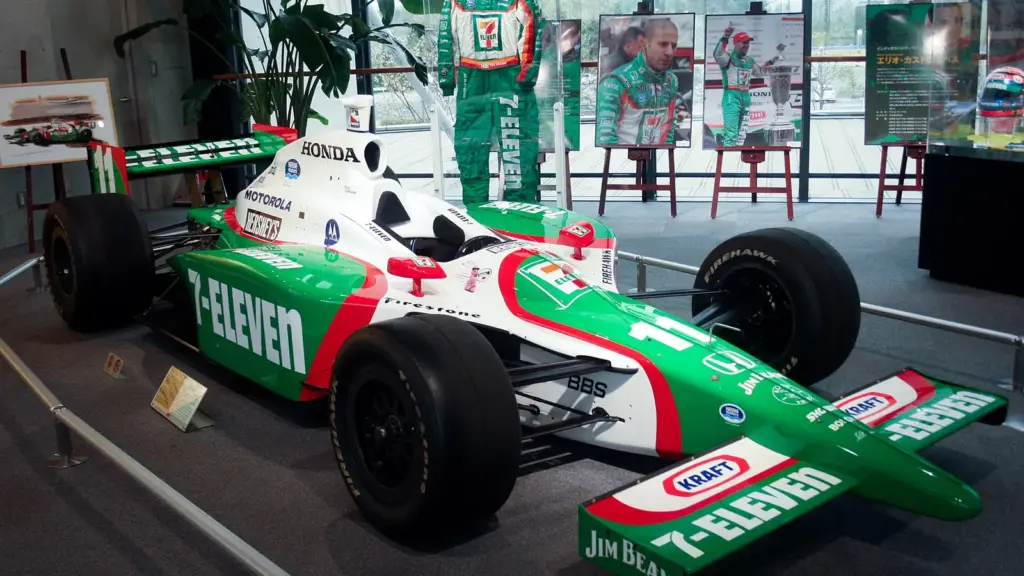
12 manufacturers’ titles
Honda
4 in CART, 1996–2001 8 in IndyCar, 2004–26
Honda was the only IndyCar engine supplier from 2006 to 2011, when no title was awarded, so the count undersells it. Honda engines have powered 16 IndyCar Series drivers’ champions, including Tony Kanaan in 2004 and all five of Palou’s titles.
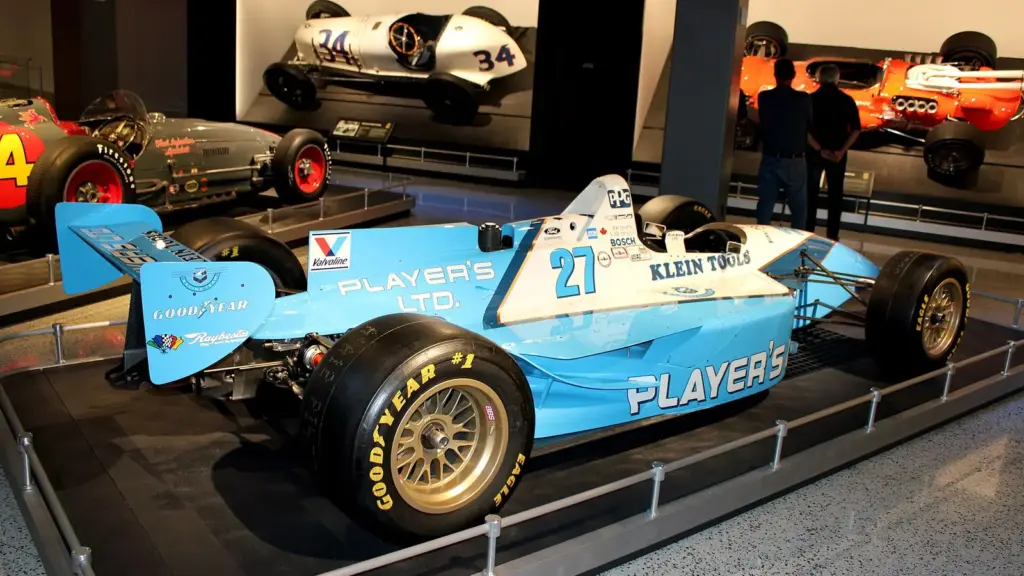
9 manufacturers’ titles
Cosworth
CART, 1979–87 Turbo V8
Cosworth’s turbocharged DFX V8 won the first nine CART manufacturer titles. Its engines kept winning under Ford badges into the 1990s, including the Ford-Cosworth in Jacques Villeneuve’s 1995 title car.
Drivers With the Most IndyCar Titles
These counts include every American national championship, as IndyCar’s record books do: AAA (to 1955), USAC (1956–1979), CART and Champ Car (1979–2007) and the IndyCar Series (since 1996). In 1979 and from 1996 to 2007, two champions were crowned each year, and both count. Mario Andretti, Sébastien Bourdais and Dario Franchitti are next with four each.
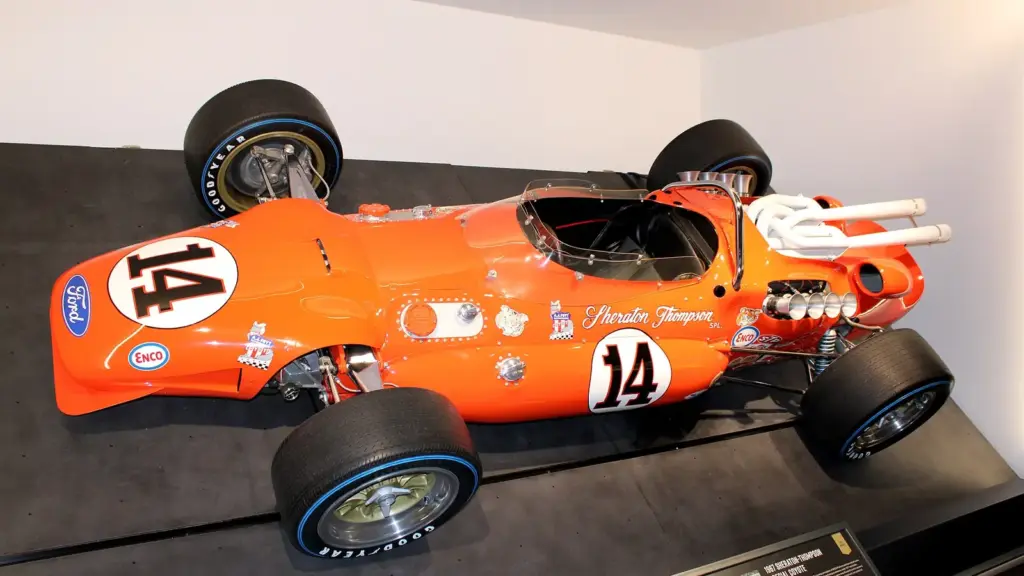
7 national titles
A.J. Foyt
USAC, 1960–1979 Texas
Foyt won in 1960, 1961, 1963, 1964, 1967, 1975 and 1979, plus four Indy 500s. His last title came in USAC’s 1979 season, the year CART split away.
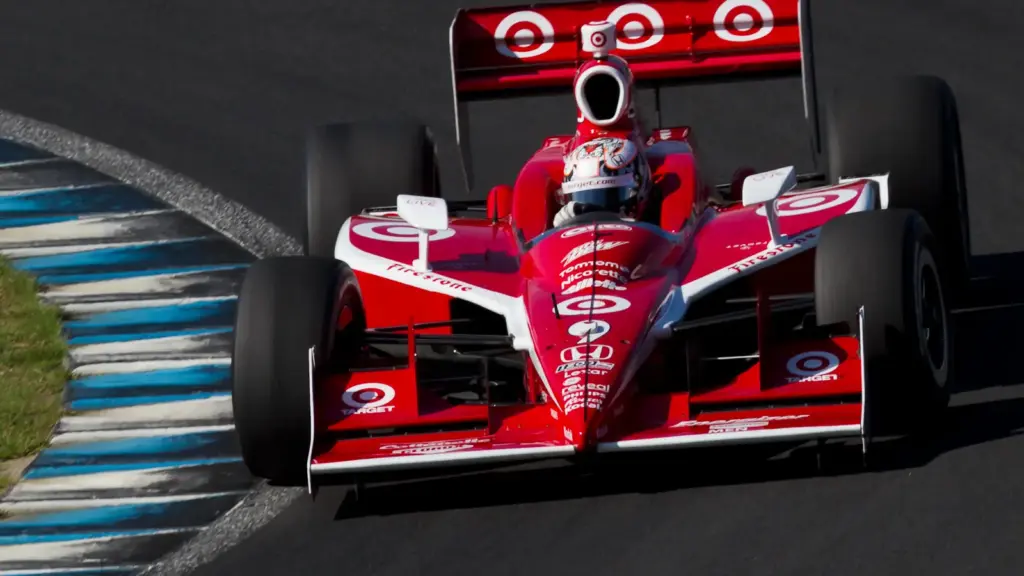
6 national titles
Scott Dixon
IndyCar, 2003–2020 New Zealand
Dixon won in 2003, 2008, 2013, 2015, 2018 and 2020, all with Chip Ganassi Racing, and won the 2008 Indy 500. After more than two decades with Ganassi, he moves to Arrow McLaren for 2027.
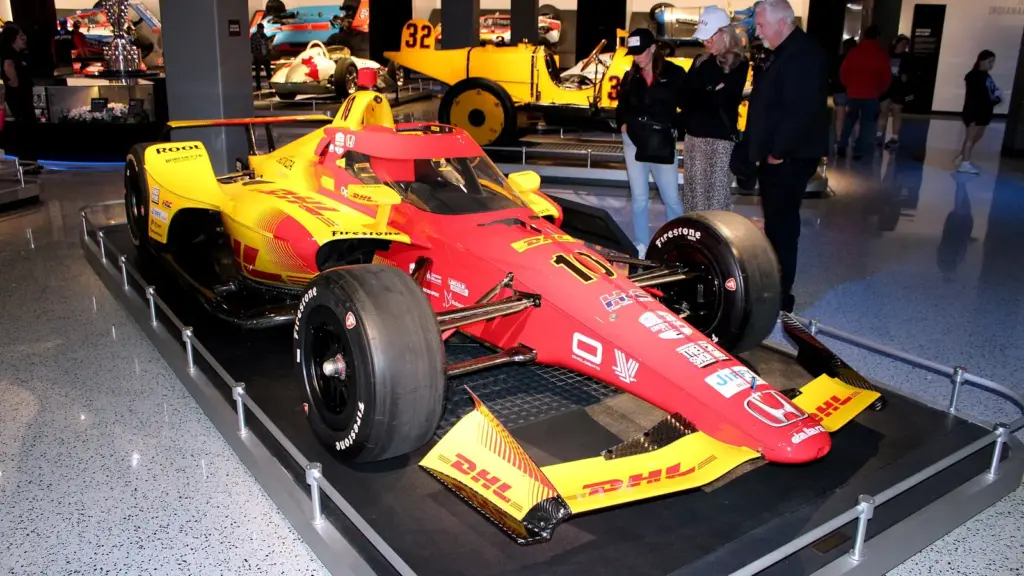
5 national titles
Álex Palou
IndyCar, 2021–2026 Spain
Palou won in 2021 and every year from 2023 to 2026, all with Ganassi and Honda. He also won the 2025 Indy 500, and his four straight titles tie Sébastien Bourdais’s record run in Champ Car.
Talk IndyCar With Other Fans
Planning your first Indy 500, picking a side in Chevy vs. Honda or counting down to St. Pete? Share it with other open-wheel fans in the AutoGathering community.
- Indy 500 2027 trip planning
- Best seats at the Brickyard
- Chevy vs. Honda
- Palou’s streak
- The 2028 car
- Street race weekends
- Classic Indy roadsters
- Sim racing IndyCar
IndyCar FAQ
When does the 2027 IndyCar season start?
The season opens with the Firestone Grand Prix of St. Petersburg on Sunday, March 7, 2027. IndyCar has announced the first eight races; the rest of the calendar was still to come as of October 2026.
When is the 2027 Indianapolis 500?
The 111th Indianapolis 500 is on Sunday, May 30, 2027, at the Indianapolis Motor Speedway. It’s round seven of the season.
Who won the 2026 IndyCar championship?
Álex Palou of Chip Ganassi Racing, with six wins and 631 points. It was his fifth title and fourth in a row. Honda won the manufacturers’ championship.
Who won the 2026 Indy 500?
Felix Rosenqvist, driving the No. 60 Meyer Shank Racing Honda. He beat David Malukas by 0.0233 seconds, the closest finish in the race’s history.
Who has the most IndyCar championships?
A.J. Foyt, with seven national titles between 1960 and 1979. Scott Dixon has six and Álex Palou has five.
What engines do IndyCars use?
A 2.2-liter twin-turbo V6 from either Chevrolet or Honda, with a hybrid system that adds about 45 kW (60 hp). Output runs from about 410 to 560 kW (550 to 750 hp) depending on the track.
How fast do IndyCars go?
At Indianapolis they reach about 378 to 386 km/h (235 to 240 mph). The 2026 Indy 500 pole was set at an average of 373.8 km/h (232.248 mph) over four laps.
Is the Indy 500 part of the IndyCar championship?
Yes. It’s one round of the IndyCar Series and pays the same race points as other rounds, plus qualifying points. It has been part of the national championship for most of its history.
Explore the Circuits
Most IndyCar tracks are in our North America circuit directory, including the Indianapolis Motor Speedway and our full guide to Laguna Seca, where the season ends. You can look up where the series goes next.
Photo credits
- Header image: Steve, CC BY-SA 2.0, cropped and resized.
- Álex Palou’s No. 10 Chip Ganassi Racing…: Brycenrichter, CC0, cropped and resized.
- Felix Rosenqvist’s No. 60 Meyer Shank Racing…: ELIJKK, CC BY-SA 4.0, cropped and resized.
- Ray Harroun’s 1911 Marmon Wasp, winner of…: Michael Barera, CC BY-SA 4.0, cropped and resized.
- The Coyote-Foyt that A.J. Foyt drove to…: Carey Akin, CC BY-SA 2.0, cropped and resized.
- Al Unser Jr.’s 1992 Indianapolis 500-winning car…: Doctorindy, CC BY-SA 3.0, cropped and resized.
- Sam Hornish Jr.’s 2006 Indianapolis 500-winning Team…: Doctorindy, CC BY-SA 3.0, cropped and resized.
- Dan Wheldon’s 2011 Indianapolis 500-winning No. 98…: Doug4422, CC BY-SA 3.0, cropped and resized.
- Alexander Rossi’s 2016 Indianapolis 500-winning Andretti Herta…: NaBUru38, CC BY-SA 4.0, cropped and resized.
- Josef Newgarden’s 2023 Indianapolis 500-winning Team Penske…: OctaviaCombi, CC BY-SA 4.0, cropped and resized.
- Marcus Ericsson’s 2022 Indianapolis 500-winning Chip Ganassi…: OctaviaCombi, CC BY-SA 4.0, cropped and resized.
- Jacques Villeneuve’s 1995 Player’s Reynard 95I, a…: Michael Barera, CC BY-SA 4.0, cropped and resized.
- A.J. Foyt’s 1967 Sheraton-Thompson Special Coyote at…: Michael Barera, CC BY-SA 4.0, cropped and resized.
- Álex Palou’s 2025 Chip Ganassi Racing Dallara…: Michael Barera, CC BY-SA 4.0, cropped and resized.
- Scott Dixon’s No. 9 Chip Ganassi Racing…: Morio, CC BY-SA 3.0, cropped and resized.
- Tony Kanaan’s 2004 Andretti Green Racing Dallara…: Morio, CC BY-SA 3.0, cropped and resized.