
Formula 1
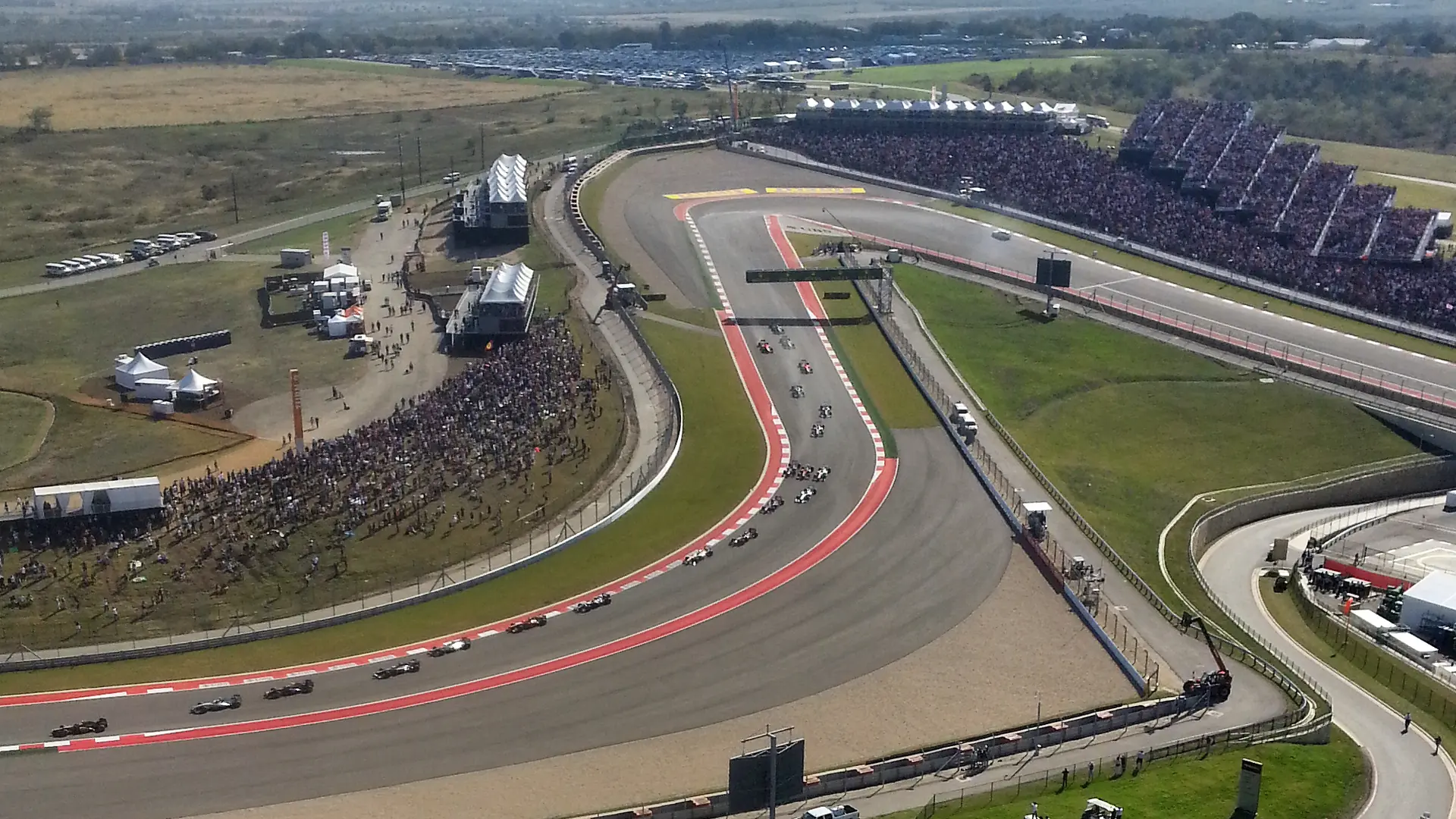
Formula 1 is the top rung of single-seater racing and the most-watched motorsport series on the planet. Since 1950, it has crowned a world champion driver every year, and since 1958 a champion team, too. Eleven teams and 22 drivers race hybrid cars at tracks on five continents. Here’s what you’ll want to know: the 2027 calendar, the reigning champions and where the 2026 title fight stands, the stories fans still argue about, how the rules work, and the teams and drivers who’ve won the most titles.
Formula 1 at a Glance
First season 1950 first race May 13 at Silverstone
Format 24 Grands Prix in 2027 305 km / 190 mi races, plus Sprints
Grid 11 teams, 22 drivers one class of single-seaters
2025 champions Lando Norris · McLaren Norris won the title by 2 points
Next race October 25, 2026 United States GP, Austin
Season record 19 wins Max Verstappen, 2023
Formula 1 2027 Calendar
Formula 1 announced its 2027 calendar on September 16, 2026, and it’s a 24-race season with 10 Sprint weekends. Portugal (Portimão) and Turkey (Istanbul Park) return for the first time since 2021, Zandvoort drops off after its farewell race in 2026, and Barcelona sits the year out while it alternates with Spa. The season is scheduled to open in Bahrain on March 14 and close in Abu Dhabi on December 12.
2027 FIA Formula One World Championship
| Round | Date | Race | Circuit | Country |
|---|---|---|---|---|
| 1 | March 14 | Bahrain GP (Sprint) | Bahrain International Circuit | Bahrain |
| 2 | March 21 | Saudi Arabian GP | Jeddah Corniche Circuit | Saudi Arabia |
| 3 | April 4 | Australian GP (Sprint) | Albert Park | Australia |
| 4 | April 11 | Japanese GP (Sprint) | Suzuka Circuit | Japan |
| 5 | April 18 | Chinese GP | Shanghai International Circuit | China |
| 6 | May 2 | Miami GP | Miami International Autodrome | United States |
| 7 | May 23 | Canadian GP (Sprint) | Circuit Gilles Villeneuve | Canada |
| 8 | June 6 | Monaco GP (Sprint) | Circuit de Monaco | Monaco |
| 9 | June 20 | Portuguese GP | Algarve International Circuit | Portugal |
| 10 | July 4 | British GP (Sprint) | Silverstone Circuit | United Kingdom |
| 11 | July 11 | Austrian GP | Red Bull Ring | Austria |
| 12 | July 25 | Belgian GP | Spa-Francorchamps | Belgium |
| 13 | August 1 | Hungarian GP | Hungaroring | Hungary |
| 14 | September 5 | Italian GP (Sprint) | Monza Circuit | Italy |
| 15 | September 12 | Spanish GP | Madring | Spain |
| 16 | September 26 | Azerbaijan GP | Baku City Circuit | Azerbaijan |
| 17 | October 3 | Turkish GP | Istanbul Park | Türkiye |
| 18 | October 10 | Singapore GP | Marina Bay Street Circuit | Singapore |
| 19 | October 24 | United States GP | Circuit of the Americas | United States |
| 20 | October 31 | Mexico City GP | Autódromo Hermanos Rodríguez | Mexico |
| 21 | November 7 | São Paulo GP (Sprint) | Interlagos | Brazil |
| 22 | November 20 | Las Vegas GP | Las Vegas Strip Circuit | United States |
| 23 | December 5 | Qatar GP (Sprint) | Lusail International Circuit | Qatar |
| 24 | December 12 | Abu Dhabi GP (Sprint) | Yas Marina Circuit | United Arab Emirates |
| Round | Race | Status |
|---|---|---|
| 1 | Bahrain GP (Sprint) | Provisional* |
| 2 | Saudi Arabian GP | Provisional* |
| 3 | Australian GP (Sprint) | Upcoming |
| 4 | Japanese GP (Sprint) | Upcoming |
| 5 | Chinese GP | Upcoming |
| 6 | Miami GP | Upcoming |
| 7 | Canadian GP (Sprint) | Upcoming |
| 8 | Monaco GP (Sprint) | Upcoming |
| 9 | Portuguese GP | Upcoming |
| 10 | British GP (Sprint) | Upcoming |
| 11 | Austrian GP | Upcoming |
| 12 | Belgian GP | Upcoming |
| 13 | Hungarian GP | Upcoming |
| 14 | Italian GP (Sprint) | Upcoming |
| 15 | Spanish GP | Upcoming |
| 16 | Azerbaijan GP | Upcoming |
| 17 | Turkish GP | Upcoming |
| 18 | Singapore GP | Upcoming |
| 19 | United States GP | Upcoming |
| 20 | Mexico City GP | Upcoming |
| 21 | São Paulo GP (Sprint) | Upcoming |
| 22 | Las Vegas GP | Upcoming |
| 23 | Qatar GP (Sprint) | Provisional* |
| 24 | Abu Dhabi GP (Sprint) | Provisional* |
How the 2026 season is wrapping up
The 2026 season was planned at 24 races, but the conflict in the Middle East cost it the Saudi Arabian Grand Prix, which was cancelled in March, while the Bahrain Grand Prix was moved to Sepang in Malaysia and run on October 4. That leaves 23 rounds, with six still to go after Singapore. The 2026 world titles will be decided at the Abu Dhabi finale on December 6.
| Date | Race | Circuit | Status |
|---|---|---|---|
| March 8 | Australian GP | Albert Park | Done |
| March 15 | Chinese GP | Shanghai International Circuit | Done |
| March 29 | Japanese GP | Suzuka Circuit | Done |
| May 3 | Miami GP | Miami International Autodrome | Done |
| May 24 | Canadian GP | Circuit Gilles Villeneuve | Done |
| June 7 | Monaco GP | Circuit de Monaco | Done |
| June 14 | Barcelona-Catalunya GP | Circuit de Barcelona-Catalunya | Done |
| June 28 | Austrian GP | Red Bull Ring | Done |
| July 5 | British GP | Silverstone Circuit | Done |
| July 19 | Belgian GP | Spa-Francorchamps | Done |
| July 26 | Hungarian GP | Hungaroring | Done |
| August 23 | Dutch GP (final edition) | Circuit Zandvoort | Done |
| September 6 | Italian GP | Monza Circuit | Done |
| September 13 | Spanish GP | Madring | Done |
| September 26 | Azerbaijan GP | Baku City Circuit | Done |
| October 4 | Bahrain GP (held in Malaysia) | Sepang International Circuit | Done |
| October 11 | Singapore GP | Marina Bay Street Circuit | Done |
| October 25 | United States GP | Circuit of the Americas | Upcoming |
| November 1 | Mexico City GP | Autódromo Hermanos Rodríguez | Upcoming |
| November 8 | São Paulo GP | Interlagos | Upcoming |
| November 21 | Las Vegas GP | Las Vegas Strip Circuit | Upcoming |
| November 29 | Qatar GP | Lusail International Circuit | Upcoming |
| December 6 | Abu Dhabi GP (finale) | Yas Marina Circuit | Upcoming |
Formula 1 Champions: 2025
F1 has a single class, so it hands out two world titles each year: one for the best driver and one for the best constructor, which is the team that builds the car. The 2026 season is still running, so these are the reigning champions, crowned when the 2025 season ended in Abu Dhabi on December 7, 2025.

Drivers’ champion 2025
Lando Norris
McLaren 423 points
Norris went into the Abu Dhabi finale with a 12-point lead over Max Verstappen and teammate Oscar Piastri still in the hunt. Verstappen won the race, but Norris finished third, and that was enough to win his first world title by two points. He’s the 35th different world champion and the first Briton since Lewis Hamilton.

Constructors’ champion 2025
McLaren
Back-to-back 833 points
McLaren wrapped up the 2025 constructors’ title with six races left, at the Singapore Grand Prix, and finished 364 points clear of Mercedes. It was the team’s second title in a row and its 10th overall, after waiting from 1998 to 2024 for one.
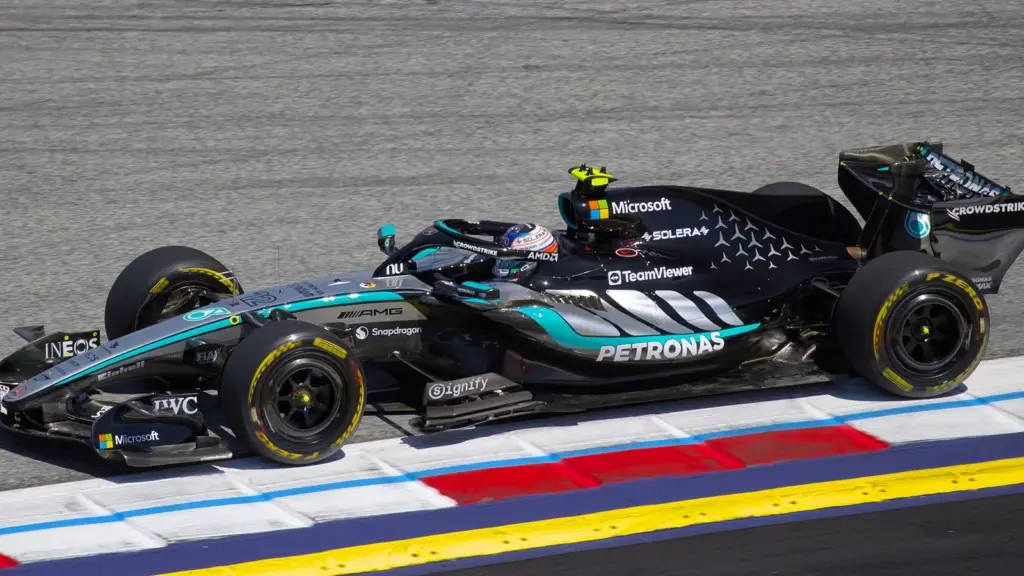
Still running
2026 title fight
Mercedes Finale Dec. 6
The new 2026 rules suit Mercedes. Kimi Antonelli leads teammate George Russell by 102 points after 17 of 23 rounds, and Mercedes leads Ferrari by 134 in the constructors’ table. Nothing is official until the Abu Dhabi finale on December 6.
2025 world champions at a glance
| Title | Champion | Car | Margin |
|---|---|---|---|
| Drivers’ Championship | Lando Norris (United Kingdom) | McLaren MCL39-Mercedes | 423 points, 2 ahead of Max Verstappen |
| Constructors’ Championship | McLaren | MCL39, Mercedes power unit | 833 points, 364 ahead of Mercedes |
Where 2026 stands
With six races left, here’s the top three in both championships. Mercedes-Benz won eight of the first 10 races this year, though Verstappen took the last two in Malaysia and Singapore.
| Championship | Leader | Second | Third |
|---|---|---|---|
| Drivers | Kimi Antonelli (Mercedes), 340 | George Russell (Mercedes), 238 | Lewis Hamilton (Ferrari), 229 |
| Constructors | Mercedes, 578 | Ferrari, 444 | McLaren, 339 |
Formula 1 History
Grand Prix racing goes back to 1906, but the Formula One World Championship started in 1950 with seven races, six in Europe plus the Indianapolis 500. Since then it has grown into a season of more than 20 races, and it has been a proving ground for disc brakes, wings, carbon-fiber chassis, turbos and hybrid power. 2026 is the 77th season.
- 1950 The first Formula One World Championship race runs at Silverstone on May 13. Giuseppe Farina wins it and the title in an Alfa Romeo 158.
- 1951–1957 Juan Manuel Fangio wins five titles with four different makes: Alfa Romeo, Maserati, Mercedes-Benz and Ferrari.
- 1958 The constructors’ championship begins, and Vanwall wins the first one.
- 1959–1960 Cooper wins back-to-back titles with Jack Brabham, and the engine moves behind the driver for good.
- 1968 Sponsor liveries arrive, led by Lotus, replacing the old national racing colors.
- 1977–1978 Renault brings turbocharging and Lotus brings ground effect, two ideas that shape the next decade.
- 1988 McLaren-Honda wins 15 of 16 races with Ayrton Senna and Alain Prost.
- 1994 Roland Ratzenberger and Ayrton Senna die at Imola, and F1 overhauls its car and track safety rules.
- 2000–2004 Michael Schumacher and Ferrari win five drivers’ titles in a row.
- 2014 The hybrid era begins with 1.6-liter V6 turbo engines. Mercedes wins eight constructors’ titles in a row, through 2021.
- 2022 Ground-effect aerodynamics return. Max Verstappen and Red Bull dominate, and Verstappen wins four straight titles from 2021 to 2024.
- 2024–2025 McLaren wins back-to-back constructors’ titles, and Lando Norris takes the 2025 drivers’ crown.
- 2026 All-new cars and engines with a roughly 50/50 split of combustion and electric power, 100% sustainable fuel, active aero, and an 11th team, Cadillac.
Memorable Formula 1 Stories
More than 75 seasons means plenty of drama, but a few title fights still get replayed whenever fans start arguing. Here are the ones you’ll hear about most, from comebacks to collisions to finishes decided at the last corner.
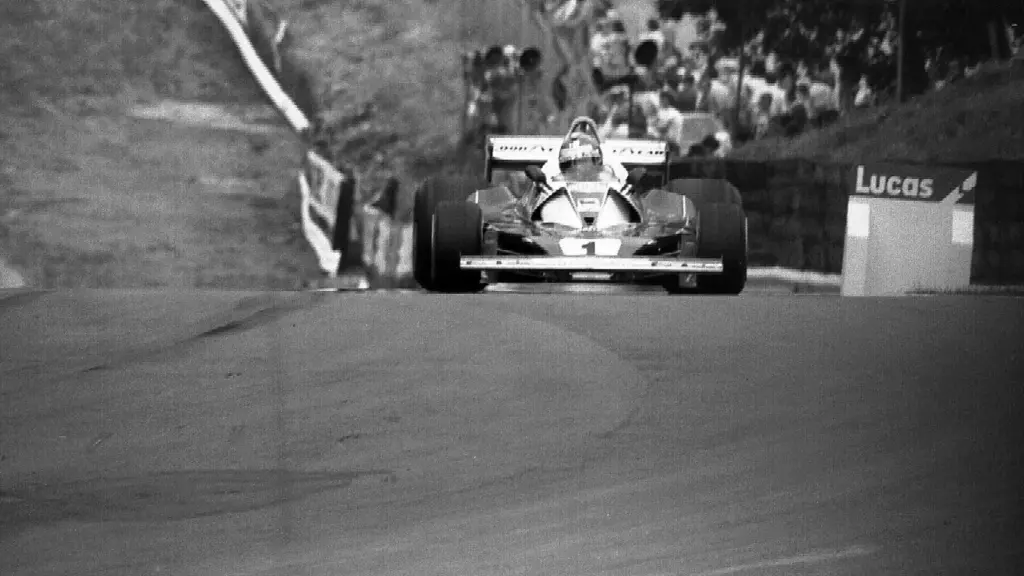
1976
Hunt vs. Lauda
Ferrari 312T2 McLaren M23
Niki Lauda was leading the championship when he crashed and was badly burned at the Nürburgring. He was back in the car six weeks later. At the rain-soaked finale in Japan, Lauda pulled in after two laps, saying it was too dangerous, and James Hunt took the title by a single point.
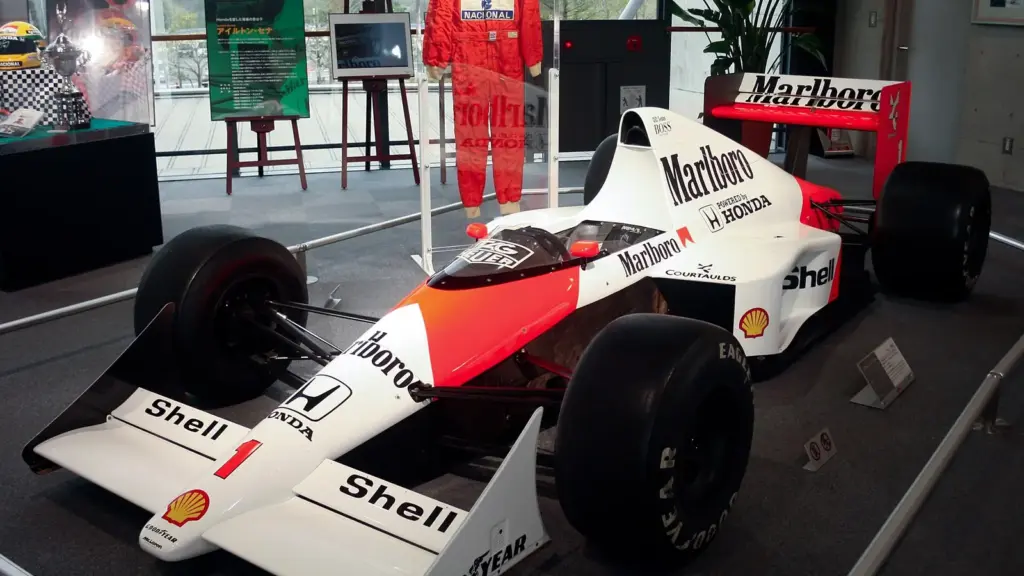
1989–1990
Senna and Prost collide
McLaren MP4/5 Suzuka
As McLaren teammates, Senna and Prost tangled at the Suzuka chicane in 1989. Senna rejoined and won but was disqualified, handing Prost the title. A year later, with Prost at Ferrari, Senna drove into him at the first corner at Suzuka and clinched the crown himself.

2008
The last-corner title
McLaren MP4-23 Interlagos
Felipe Massa won his home race in Brazil and was champion for about 30 seconds. Then Lewis Hamilton passed Timo Glock’s Toyota, which was struggling on dry tires in the rain, at the last corner to finish fifth. That gave Hamilton his first title by one point.
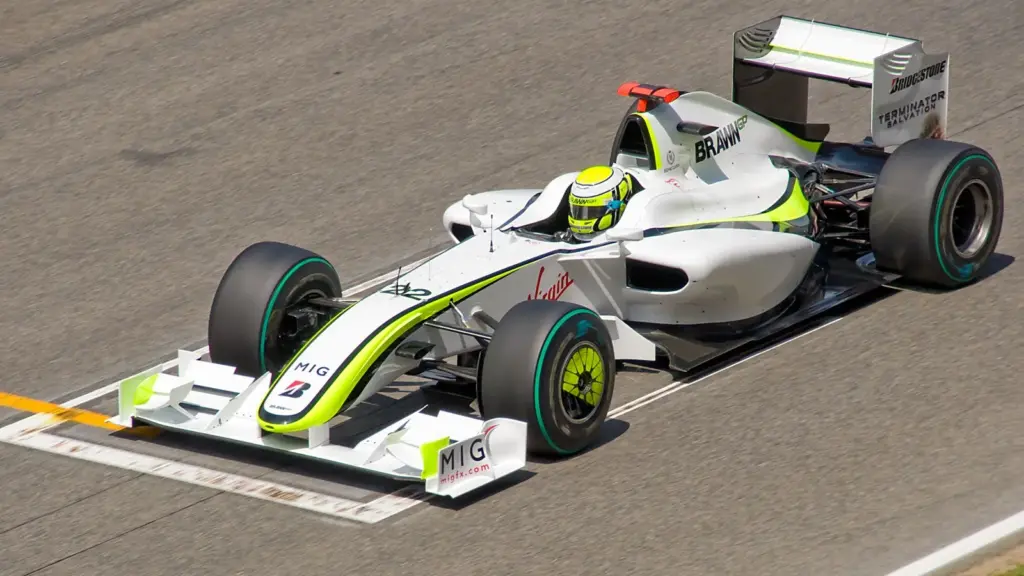
2009
Brawn’s fairy tale
Brawn BGP 001 Mercedes power
Honda pulled out of F1 just before the season, and team boss Ross Brawn bought the team for a token sum. The renamed Brawn GP won six of the first seven races with Jenson Button and took both titles in its only season before Mercedes bought it.
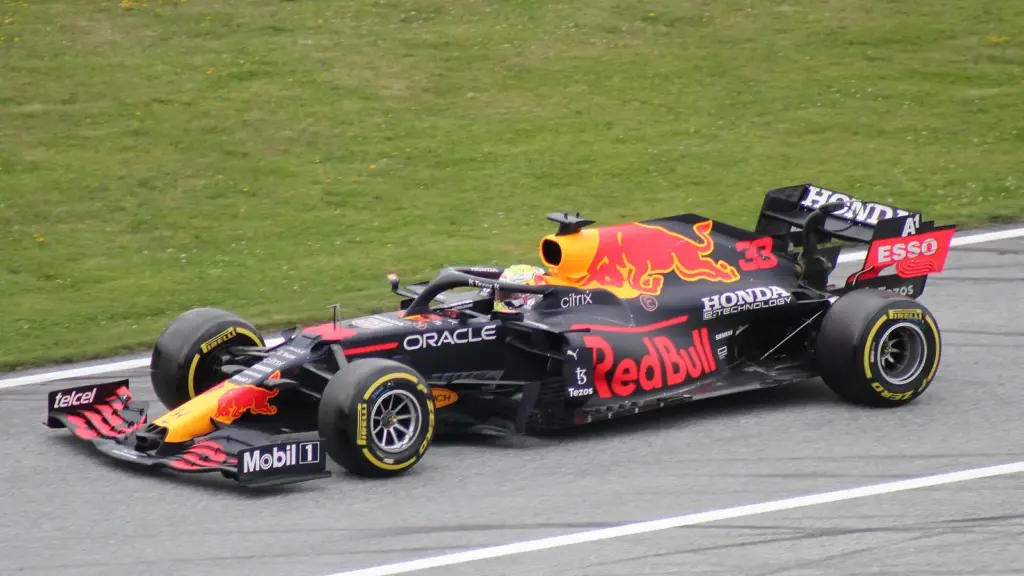
2021
Abu Dhabi 2021
Red Bull RB16B Mercedes W12
Verstappen and Hamilton arrived at the finale level on points. Hamilton led comfortably until a late crash brought out a caution, and a disputed restart left one lap to race. Verstappen, on fresh tires, passed him to win his first title. The FIA later replaced its race director and changed the procedure.
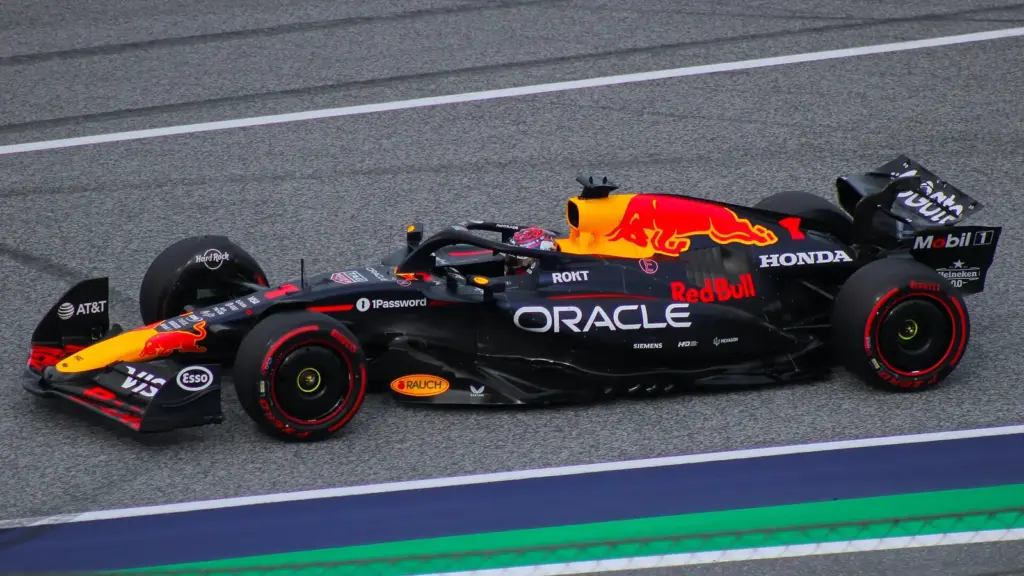
2025
Two points in it
McLaren vs. Red Bull Three-way finale
Verstappen was more than 100 points behind at the end of August, then won six of the last 10 races to drag himself into a three-way fight with the McLaren drivers. He won in Abu Dhabi, but Norris’s third place was enough. The final gap was two points, with Piastri 13 behind.
Want a couple more? In 2010 Sebastian Vettel led the standings for the first time after the final race and became the youngest champion ever at 23. And in 2016 Nico Rosberg beat Mercedes teammate Hamilton to the title, then retired five days later.
Formula 1 Rules
2026 brought the biggest rule change in F1 in decades: new chassis rules and new power units at the same time. The cars are smaller and lighter, lean much harder on electric power and use moving wings to cut drag on the straights. Here’s how it works under the current rules.
The car and the grid
Smaller, lighter, active aero
The car
The 2026 cars have a 3,400 mm (134 in) maximum wheelbase and a 1,900 mm (75 in) width, and weigh at least 768 kg (1,693 lb) without fuel, about 30 kg (66 lb) lighter than before. Movable front and rear wings switch between a high-downforce corner mode and a low-drag straight mode, and DRS is gone. Pirelli supplies every tire, still on 18-inch wheels.
Half combustion, half electric
The power unit
A 1.6-liter V6 turbo still does the combustion part, but the MGU-H is gone and the electric motor now makes 350 kW (469 hp), almost three times as much as before. That makes the split about 50/50. The engines run on 100% sustainable fuel. Suppliers are Mercedes, Ferrari, Honda, Audi and Red Bull Ford.
11 teams, 22 drivers
The grid
Alpine, Aston Martin, Audi, Cadillac, Ferrari, Haas, McLaren, Mercedes, Racing Bulls, Red Bull and Williams each run two cars. A budget cap limits how much each team can spend, so the big teams can’t simply outspend everyone else.
How a race weekend works
- A normal weekend. Three one-hour practice sessions on Friday and Saturday, qualifying on Saturday and the Grand Prix on Sunday. A race is the fewest laps needed to cover 305 km (190 miles), except Monaco, with a two-hour limit on racing time.
- Qualifying. Three knockout rounds. Q1 sets 17th to 22nd on the grid, Q2 sets 11th to 16th, and the top 10 fight for pole in Q3.
- Sprint weekends. One practice session, Sprint Qualifying, and a roughly 100 km (62 mi) Sprint race on Saturday that pays 8-7-6-5-4-3-2-1 to the top eight. Then normal qualifying and the Grand Prix. There were six Sprints in 2026, and there will be 10 in 2027.
- Points. A Grand Prix pays 25, 18, 15, 12, 10, 8, 6, 4, 2 and 1 to the top ten. The bonus point for fastest lap was dropped in 2025. Both drivers’ points count toward their team’s constructors’ total.
- Tires. In a dry race, each driver has to use at least two different dry-tire compounds, so everyone makes at least one pit stop.
- Overtake mode. A driver within about one second of the car ahead gets extra electric power to attack, replacing the old DRS.
- Penalties. Stewards hand out time penalties, drive-throughs and grid drops. Drivers also collect penalty points on their super license, and 12 in 12 months means a one-race ban. Using more engine parts than allowed means grid penalties.
- Slowing the race. Yellow flags, the Virtual Safety Car and the Safety Car neutralize the race for incidents, and a red flag stops it.
Coming in 2027: combustion power goes up and electric deployment comes down a little, and races get slightly shorter, at about 290 km (180 miles), because the cars will burn more fuel.
Constructors With the Most F1 Titles
In F1 the manufacturer title goes to the constructor, the team that builds the chassis, so a team like McLaren gets the credit even when another company makes its engine. Since 1958, Ferrari, McLaren and Williams have won 35 of the 68 titles between them. Mercedes-Benz is next with eight, then Lotus with seven and Red Bull with six.
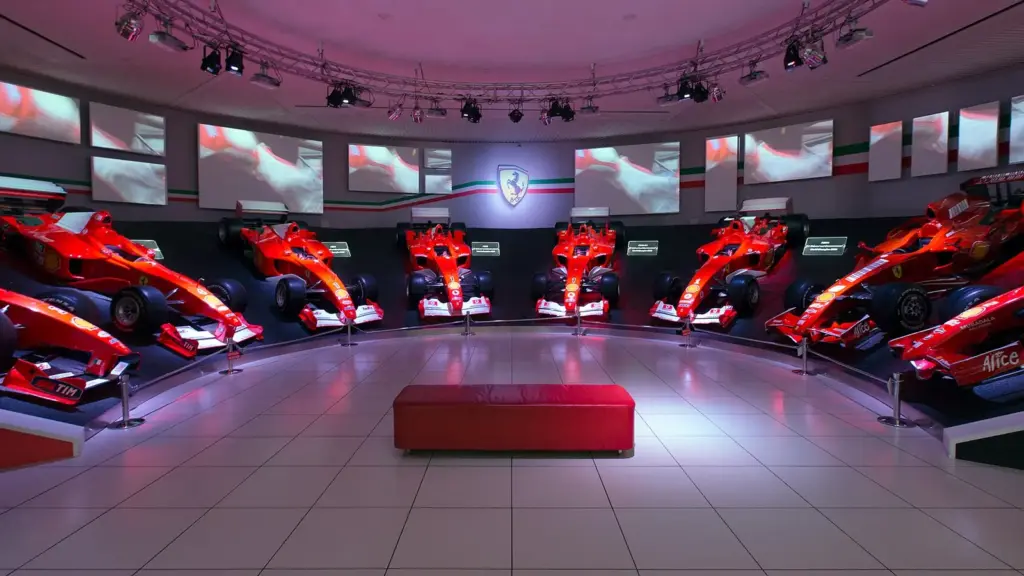
16 constructors’ titles
Ferrari
1961–2008 6 in a row, 1999–2004
The only team that has raced every season since 1950. Ferrari’s first constructors’ title came in 1961 and its last in 2008, with six straight in the Schumacher era. It also has the most race wins of any team.
10 constructors’ titles
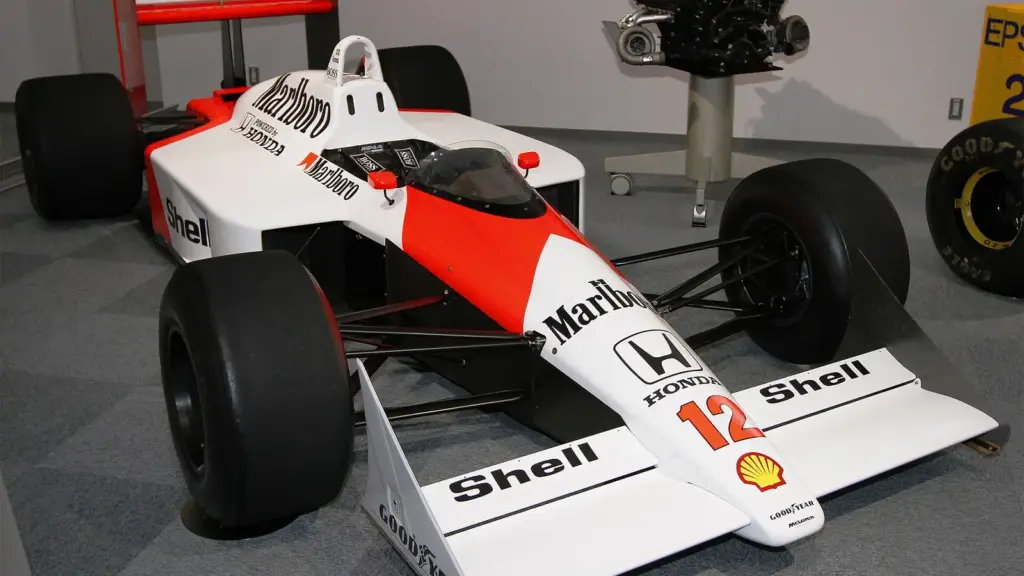
McLaren
1974–2025 4 in a row, 1988–91
Bruce McLaren’s team won its first title in 1974, then dominated with Honda power from 1988 to 1991. After a 26-year drought, it came back to win in 2024 and 2025.
9 constructors’ titles
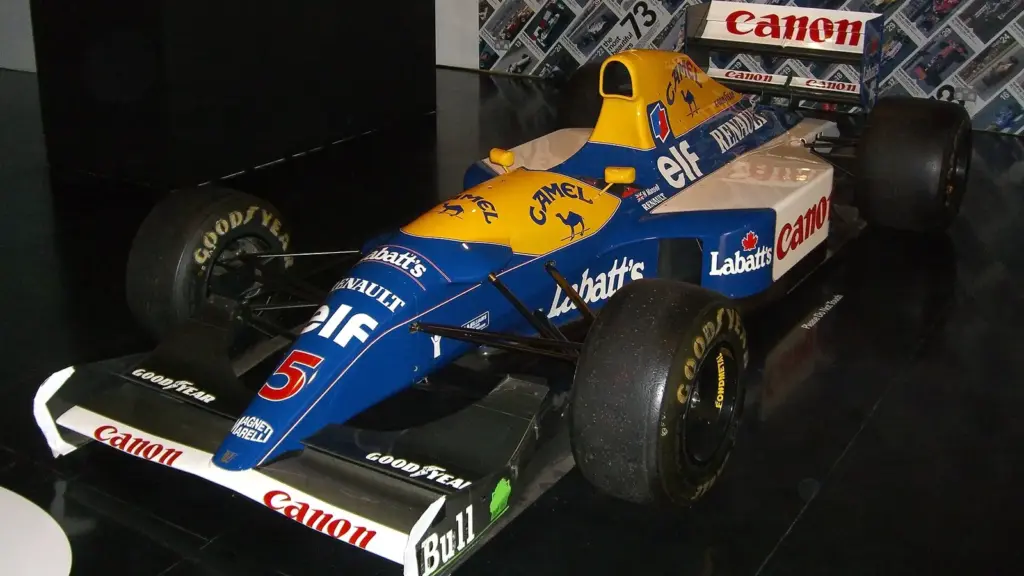
Williams
1980–1997 FW14B, FW18
Frank Williams and Patrick Head built the team that owned the late 1980s and 1990s, with drivers like Nelson Piquet, Nigel Mansell, Alain Prost, Damon Hill and Jacques Villeneuve. Its last title was in 1997.
Drivers With the Most F1 Titles
Only 35 drivers have been world champion since 1950, and only three have won five or more titles. Next come Alain Prost, Sebastian Vettel and Max Verstappen with four each.

7 titles
Lewis Hamilton
United Kingdom 2008, 2014–15, 2017–20
Tied for the record. One title with McLaren and six with Mercedes. He also holds the records for most race wins and most pole positions, and he races for Ferrari now.

7 titles
Michael Schumacher
Germany 1994–95, 2000–04
Tied for the record. Two titles with Benetton, then five in a row with Ferrari, the longest title streak in F1 history.
5 titles
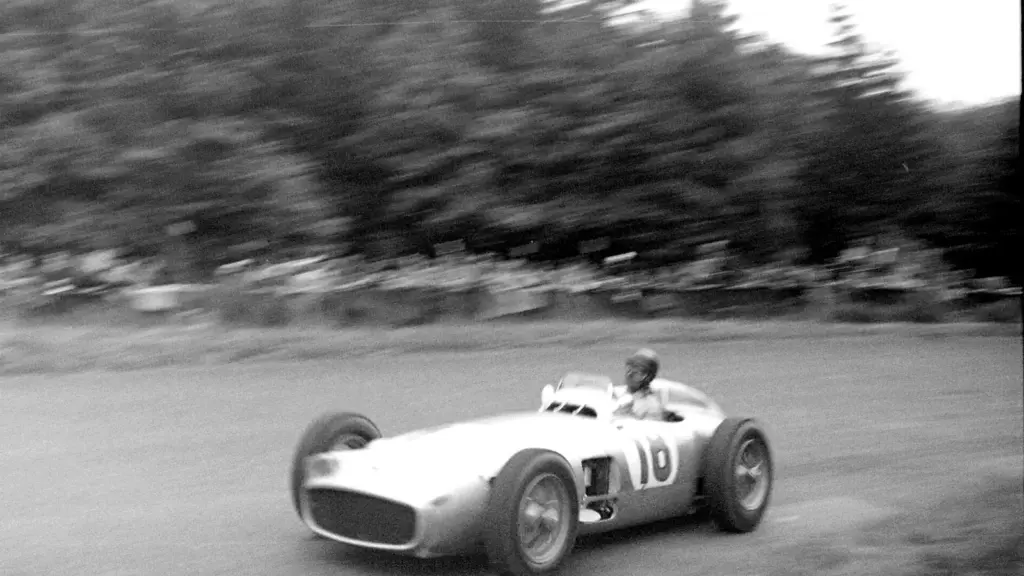
Juan Manuel Fangio
Argentina 1951, 1954–57
The benchmark of the early years. Fangio won five titles in the 1950s with four different makes, and he’s still the oldest champion, at 46 in 1957.
Talk Formula 1 With Other Fans
Planning a trip to Austin, Monaco or Silverstone, arguing about the 2026 rules or picking your champion for Abu Dhabi? Share it with other F1 fans in the AutoGathering community.
- 2027 calendar and travel plans
- Best grandstands at each track
- 2026 rules debates
- Title fight predictions
- Classic F1 cars
- Driver market rumors
- Sim racing and F1 games
- Race-weekend photos
Formula 1 FAQ
When does the 2027 Formula 1 season start?
The 2027 season is scheduled to start with the Bahrain Grand Prix on March 14, 2027, and end in Abu Dhabi on December 12. Both Middle East rounds at the start are marked provisional, so the opener could change.
How many races are in the 2027 F1 season?
Twenty-four Grands Prix, including 10 Sprint weekends. Portugal and Turkey return, and the Netherlands and Barcelona drop off.
Who won the 2025 Formula 1 World Championship?
Lando Norris won the 2025 drivers’ title for McLaren, two points ahead of Max Verstappen. McLaren won the constructors’ championship.
Who is leading the 2026 F1 championship?
After the Singapore Grand Prix on October 11, 2026, Kimi Antonelli of Mercedes leads with 340 points, ahead of teammate George Russell on 238. The title will be decided by the Abu Dhabi finale on December 6.
Who has won the most Formula 1 world titles?
Lewis Hamilton and Michael Schumacher share the record with seven drivers’ titles each. Juan Manuel Fangio is next with five.
Which team has won the most F1 constructors’ championships?
Ferrari, with 16. McLaren has 10 and Williams has nine.
How do points work in Formula 1?
The top 10 in a Grand Prix score 25, 18, 15, 12, 10, 8, 6, 4, 2 and 1 points. Sprint races pay 8 points down to 1 for the top eight. There’s no fastest-lap bonus anymore.
What changed in F1 for 2026?
New cars that are smaller and lighter, movable wings instead of DRS, and power units that get about half their power from electricity and run on 100% sustainable fuel. Cadillac also joined as the 11th team, and Audi took over Sauber.
Explore the Circuits
Every Grand Prix on the calendar runs at a track in our racing-circuit directory, so you can look up where F1 goes next. Silverstone, home of the very first world championship race in 1950, sits in our Europe directory, and we have full guides to Spa-Francorchamps, Suzuka and Interlagos.
Photo credits
- Header image: Larry D. Moore, CC BY 4.0, cropped and resized.
- Lando Norris in the No. 4 McLaren…: Lukas Raich, CC BY-SA 4.0, cropped and resized.
- Oscar Piastri in the No. 81 McLaren…: Jen_ross83, CC BY 4.0, cropped and resized.
- Kimi Antonelli in the No. 12 Mercedes…: Lukas Raich, CC BY-SA 4.0, cropped and resized.
- Niki Lauda in the Ferrari 312T2 at…: Smudge 9000, CC BY 2.0, cropped and resized.
- Ayrton Senna’s 1989 McLaren-Honda MP4/5 on display…: Morio, CC BY-SA 3.0, cropped and resized.
- A 2008 McLaren-Mercedes MP4-23 on display at…: Bahnfrend, CC BY-SA 4.0, cropped and resized.
- Jenson Button in the Brawn BGP 001…: Jose Mª Izquierdo Galiot, CC BY 2.0, cropped and resized.
- Max Verstappen in the No. 33 Red…: Lukas Raich, CC BY-SA 4.0, cropped and resized.
- Max Verstappen in the No. 1 Red…: Lukas Raich, CC BY-SA 4.0, cropped and resized.
- A row of Ferrari championship-winning Formula 1…: Morio, CC BY-SA 3.0, cropped and resized.
- The 1988 McLaren-Honda MP4/4 at the Honda…: Morio, CC BY-SA 3.0, cropped and resized.
- Nigel Mansell’s 1992 Williams FW14B on display…: taken by Mikelo, CC BY-SA 2.0, cropped and resized.
- Lewis Hamilton in the Mercedes W11 during…: Alberto-g-rovi, CC BY 3.0, cropped and resized.
- Michael Schumacher in the Ferrari F2004 at…: Rick Dikeman, CC BY-SA 3.0, cropped and resized.
- Juan Manuel Fangio in a Mercedes-Benz W196…: Agridecumantes, CC BY-SA 3.0, cropped and resized.