
Interlagos Circuit
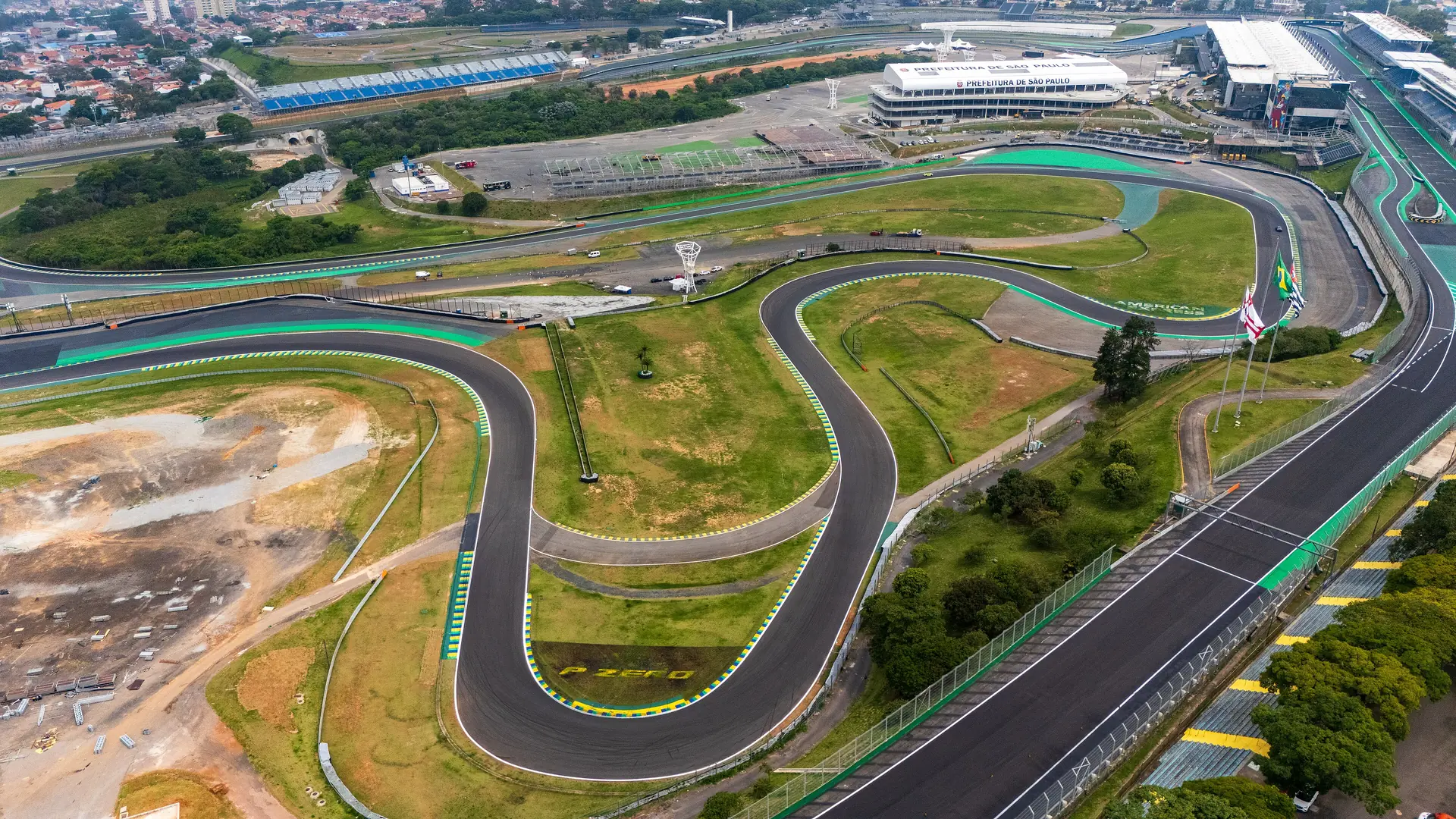
Interlagos is the hilly, anti-clockwise racetrack in the south of São Paulo where Ayrton Senna won his home Grand Prix with only sixth gear left, and where Lewis Hamilton snatched a world title on the last corner of the last lap. Here’s everything you’ll want to know before you watch the São Paulo Grand Prix, book a track day or just fire it up in a sim: the name, the history, a corner-by-corner lap, the lap records, what races there and how to visit.
Interlagos at a Glance
Length 4.309 km / 2.677 mi current layout, used since 1999
Turns 15 run anti-clockwise, from the Senna S to the Arquibancadas
Elevation About 800 m / 2,620 ft with a 40 m / 131 ft drop from the start line to Turn 4
Opened May 12, 1940 construction began in 1938
Location & owner Interlagos, São Paulo owned and run by the City of São Paulo
Race lap record 1:10.540 Valtteri Bottas, Formula 1, 2018
Interlagos or Autódromo José Carlos Pace?
Same track, two names. The official name is Autódromo José Carlos Pace, but almost everyone, from F1 commentators to São Paulo taxi drivers, just calls it Interlagos. It was the Autódromo de Interlagos from 1940 until 1985, when it was renamed for José Carlos “Moco” Pace, the São Paulo driver who won the 1975 Brazilian Grand Prix here and died in a plane crash in 1977. In August 2024 his remains were moved to the circuit, making him the first driver to be buried at a racetrack.
“Interlagos” is Portuguese for “between lakes.” The neighborhood sits between two big reservoirs, Guarapiranga and Billings, and the name was suggested by the French urban planner Alfred Agache, inspired by Interlaken in Switzerland. Locals also call it simply “o autódromo” (the racetrack).
Car people may know the name from somewhere else, too: BMW named its Interlagos Blue paint after the track. It first appeared on the E46 M3 with the Competition Package and came back on the G80 M3 50 Jahre Edition. The circuit itself belongs to the City of São Paulo, which has run it for decades; in 2023 the mayor ruled out handing it to a private operator.
Interlagos History
Interlagos has been part of Formula 1 since the early 1970s, but its story starts much earlier. It was built in the late 1930s as São Paulo grew south toward the reservoirs, and its original 7.9 km layout used the full slope of the hillside, with fast banked turns that drivers treated with real respect. Since then it has hosted Formula 1, sports cars, touring cars, trucks and motorcycles, plus some of Brazil’s biggest music festivals.
- 1940 The circuit opens on May 12 after two years of construction on land in the city’s south zone, laid out over the natural bowl of the hills between the two reservoirs.
- 1956 The first Mil Milhas Brasileiras (1,000 Miles) endurance race runs, a tradition that marked its 70th anniversary in 2026.
- 1972 Formula 1 visits for a non-championship race, won by Carlos Reutemann.
- 1973 The first Brazilian Grand Prix of the world championship. Emerson Fittipaldi wins, and wins again in 1974; José Carlos Pace follows in 1975.
- 1979 Brazil’s national touring-car series, today’s Stock Car Pro Series, starts racing here, beginning a link that still runs today.
- 1980 The last F1 race on the original 7.9 km layout. Drivers complain about the bumpy surface, and the Grand Prix moves to Jacarepaguá in Rio.
- 1985 The track is renamed Autódromo José Carlos Pace.
- 1990 F1 returns to a shortened 4.3 km circuit after a $15 million rebuild, with the new Senna S as its first corner.
- 1991 Ayrton Senna wins at home for the first time, finishing the last laps stuck in sixth gear; he wins here again in 1993.
- 2008 Felipe Massa wins the race, but Lewis Hamilton passes Timo Glock in the last corners of the last lap to take the world title by a single point.
- 2012 Michael Schumacher’s last F1 race, and the season finale where Sebastian Vettel clinches his third title.
- 2021 The race is renamed the São Paulo Grand Prix; F1’s current contract keeps it at Interlagos through 2030.
- 2024 Max Verstappen wins a soaking-wet race from 17th on the grid, and the WEC 6 Hours of São Paulo returns.
- 2025 Lando Norris takes pole, the sprint and the Grand Prix on November 9.
The Senna S at Interlagos
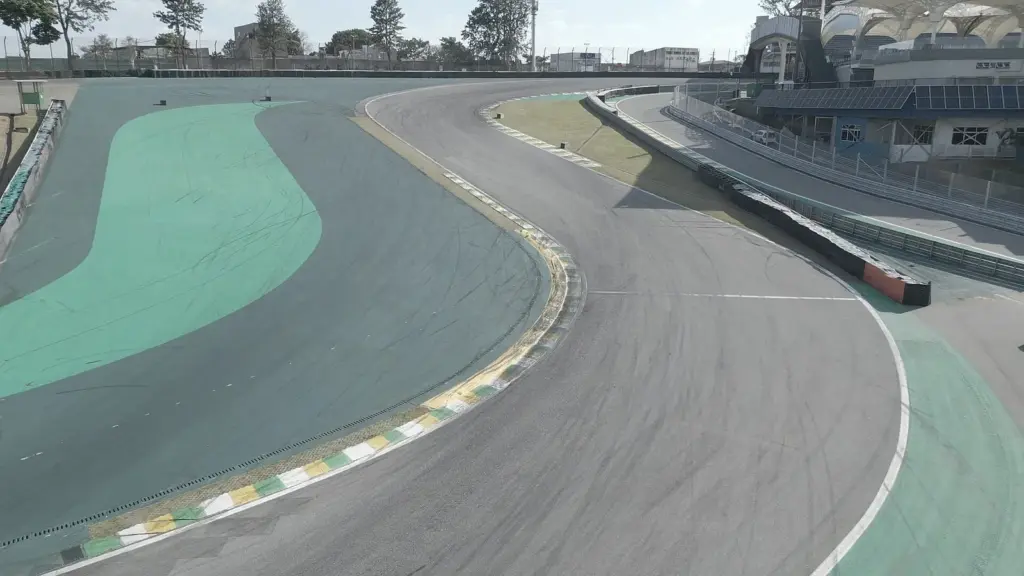
The Senna S (S do Senna) is the first thing every driver sees after the green flag. You come up the hill past the pits flat out, then brake hard as the track tips downhill and snaps left into Turn 1. Turn 2 follows straight away as a right, and the car is still going downhill and getting light as you try to get back on the power. It’s named for São Paulo’s own Ayrton Senna.
Turns 1–2
Left, then right
A downhill left-right flick right after the start/finish straight.
40 m / 131 ft
Downhill run
The drop from the start line to Turn 4, which begins as you brake into the S.
1990
Built for F1’s return
Created when the circuit was shortened, replacing the old fast, banked first corners.
It’s also the main overtaking spot on the lap. A good exit from the last corner and a tow up the hill set up a pass into Turn 1, and on the first lap the whole field funnels into it at once. Because the S drops away from you, it’s easy to lock a wheel or run wide, which is why so many São Paulo races are decided, or ruined, right here.
Interlagos Track Guide: A Lap, Corner by Corner
Interlagos runs anti-clockwise around a natural bowl, so most of its 15 turns are lefts and much of the lap is spent going up or down hill. The lap splits into three parts: the fast first sector through the Senna S and down the back straight, the twisty infield, and the long climb from Junção back to the line. Here’s how a lap goes, with the corner names you’ll hear on TV.
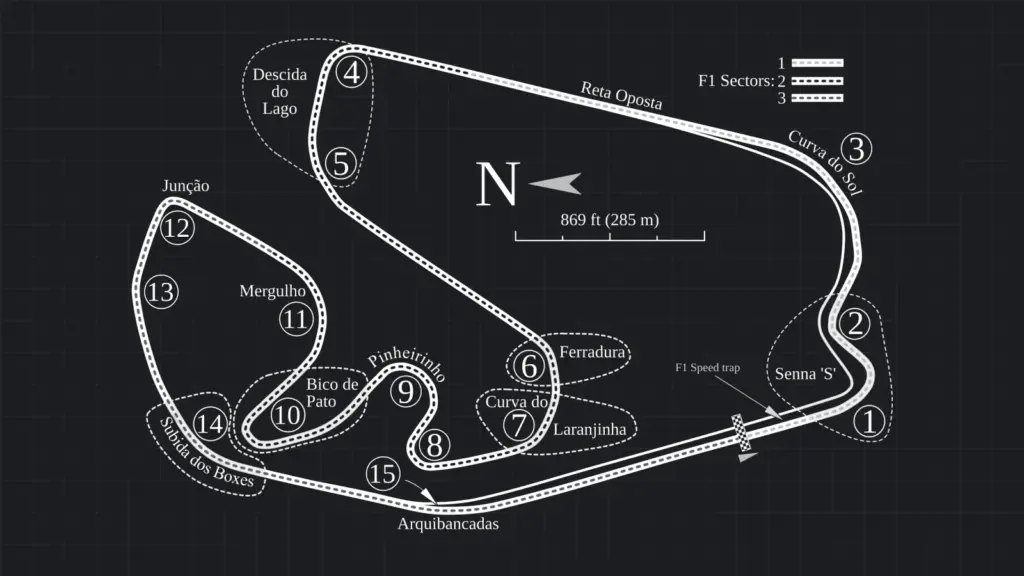
T1–2
Senna S
Brake hard at the end of the uphill main straight, turn left as the track drops away, then flick right. Line up the exit carefully, because it decides your speed through Curva do Sol.
T3
Curva do Sol
A long, fast left (the “Curve of the Sun”) that curls you onto the back straight. Keep the car on the outside of the track and on the throttle.
RO
Reta Oposta
The back straight, and the second-best place to pass. It runs downhill toward the lake, so cars carry a lot of speed into the next braking zone.
T4–5
Descida do Lago
The “Lake Descent”: a hard stop into a left at Turn 4, then a quick left at Turn 5. Late braking here is the classic way to finish off a pass started on the straight.
T6–8
Ferradura and Laranjinha
The infield begins. Ferradura (Horseshoe) is a long, fast right, and the right-handers at Laranjinha follow. Smooth hands matter more than bravery here.
T9
Pinheirinho
A tight left (“Little Pine Tree”) that starts the twisty middle section. Brake in a straight line and focus on a clean exit.
T10
Bico de Pato
The “Duck’s Bill” hairpin, the slowest corner on the lap. It’s easy to lock up on the way in, and traction out of it is everything.
T11
Mergulho
The “Dive”: a fast, downhill left. The car goes light as the road falls away, and getting it right sets up the climb to the finish.
T12
Junção
The “Junction”: the left at the bottom of the hill onto the long climb to the line. Exit speed here counts all the way down the pit straight; this is where Hamilton passed Glock in 2008.
T13–14
Subida dos Boxes
Flat out up the 10% climb past the pits, with a gentle kink on the way. The engine works hard here, which is why power matters so much at Interlagos.
T15
Arquibancadas
The final kink, named for the grandstands that line it. Take it flat and tuck in behind the car ahead for a tow into the Senna S.
Interlagos Lap Records
As at every track, only laps set in a race count as the official record, so the fastest-ever lap at Interlagos is “only” a qualifying time. Here are the numbers people usually ask about, so you can see how a Formula 1 car and a Le Mans prototype compare on the same 4.309 km.
1:10.540
Race lap record
Valtteri Bottas set the official race lap record in a Mercedes during the 2018 Brazilian Grand Prix.
1:07.281
Fastest lap ever
Lewis Hamilton’s pole lap in qualifying for the 2018 race. It doesn’t count as the official record because it wasn’t set in a race.
1:09.511
2025 pole
Lando Norris’s pole time for the 2025 São Paulo Grand Prix, which he went on to win.
1:18.367
Sports-prototype record
André Lotterer set this lap in an Audi R18 e-tron quattro at the 2014 6 Hours of São Paulo.
Races and Events at Interlagos
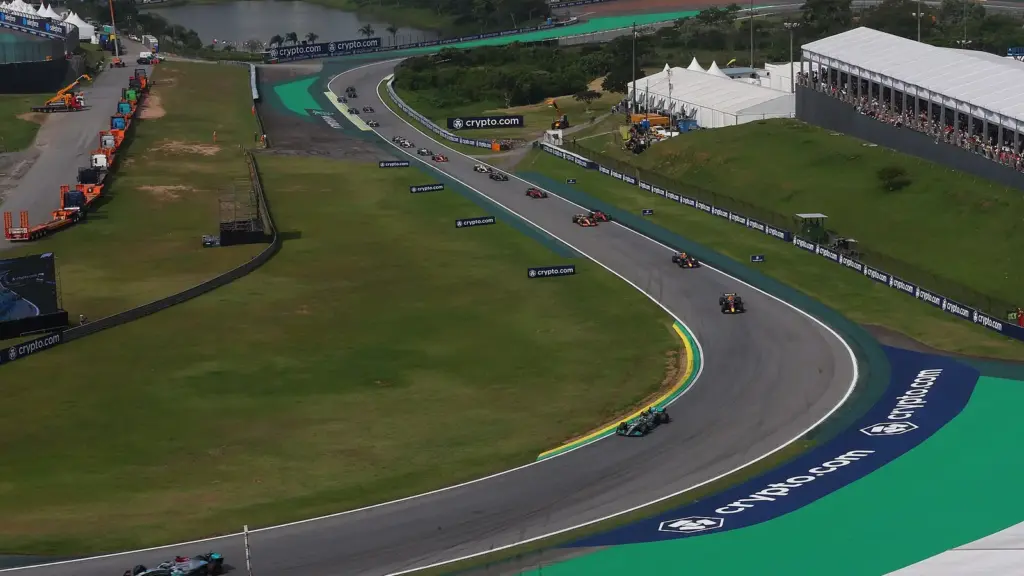
Interlagos is busy almost every weekend, with national championships, club racing, track days and even cycling and music festivals (Lollapalooza Brasil has been held here since 2014, and Primavera Sound runs December 4–5, 2026). Dates change every year, so check the official schedule before you plan a trip. Here are the headline events, with 2026 dates for reference.
November
Formula 1 São Paulo Grand Prix
Formula 1 Season run-in
The big one. The 2025 race ran on November 9 and Lando Norris swept pole, the sprint and the Grand Prix. The 2026 edition runs November 6–8 as round 21 of 24, with a traditional weekend and no sprint.
July
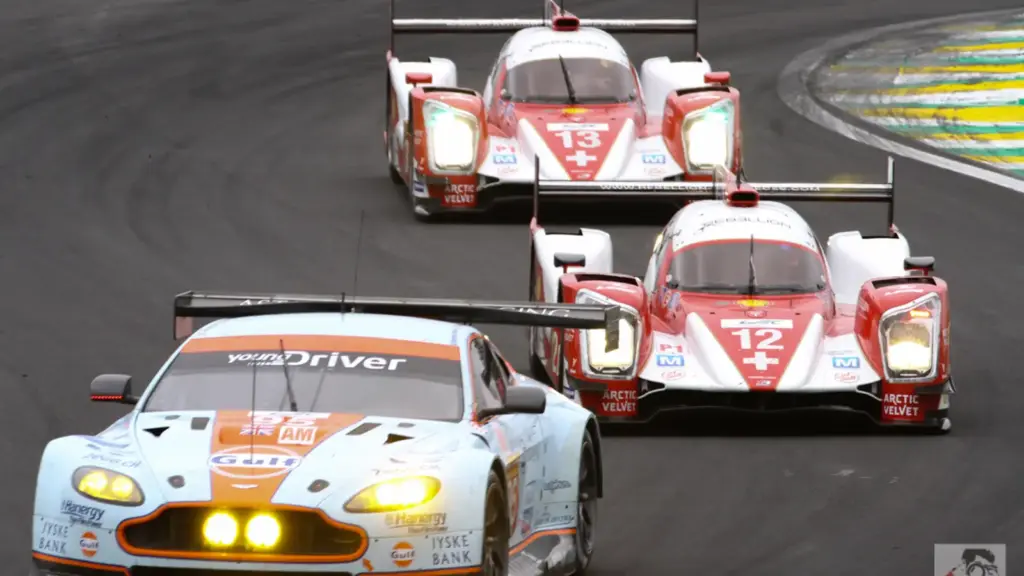
WEC 6 Hours of São Paulo
World Endurance Championship Hypercar
The World Endurance Championship returned in 2024 after a ten-year break. In 2026 the race ran in July, and the No. 15 BMW of Kevin Magnussen, Raffaele Marciello and Dries Vanthoor won by two seconds from a Ferrari.
April and December
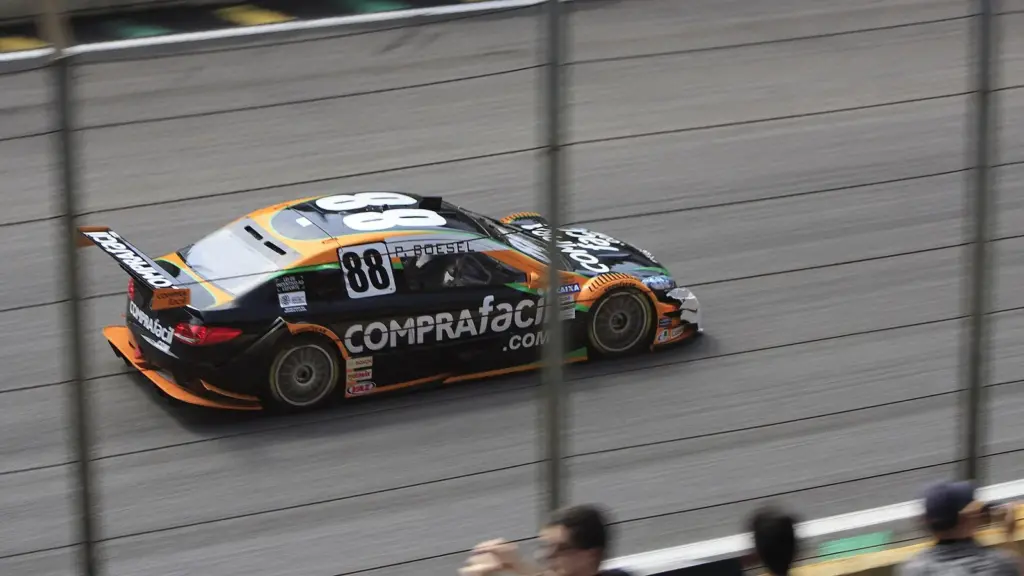
Stock Car Pro Series
Stock Car Season finale
Brazil’s top touring-car series has raced here since 1979. In 2026 it visits twice: in April and for the Super Final on December 11–13, where the title is decided.
January
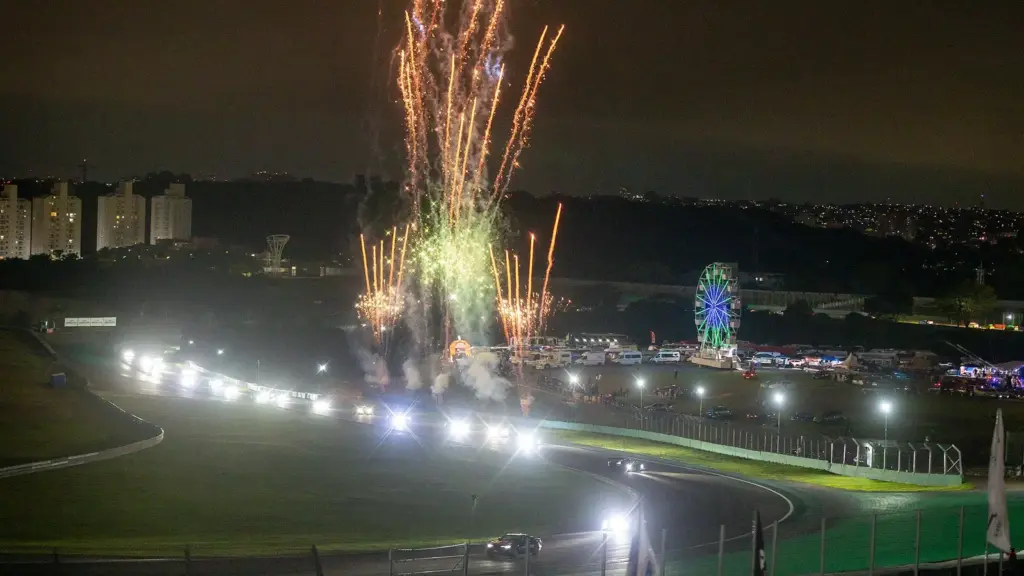
Mil Milhas (1,000 Miles)
Endurance Since 1956
Brazil’s longest race, run on and off since 1956, turns the summer into an all-day, into-the-night endurance party. The 2026 edition ran January 24–25.
Interlagos Race Calendar: 2026 and 2027
Here are the big public weekends at Interlagos, so you can plan a trip around the racing (or the music) you want to see. National championships, track days and club events fill many other weekends. Dates marked TBA haven’t been announced yet; we’ll add them as soon as they’re confirmed, and it’s always worth checking the official schedule before you book.
2026 season
| Dates | Event | Series | Status |
|---|---|---|---|
| Jan 24–25 | Mil Milhas (1,000 Miles) | Endurance racing | Done |
| Mar 20–22 | Lollapalooza Brasil | Music festival | Done |
| Apr 24–26 | Stock Car Pro Series, round 3 | Stock Car (race day April 26) | Done |
| Jul 10–12 | WEC 6 Hours of São Paulo | World Endurance Championship | Done |
| Nov 6–8 | Formula 1 São Paulo Grand Prix | Formula 1 (no sprint in 2026) | Upcoming |
| Dec 4–5 | Primavera Sound São Paulo | Music festival | Upcoming |
| Dec 11–13 | Stock Car Super Final | Stock Car season finale (race day December 13) | Upcoming |
2027 season
| Dates | Event | Series | Status |
|---|---|---|---|
| January (TBA) | Mil Milhas (1,000 Miles) | Endurance racing | Date TBA |
| Mar 19–21 | Lollapalooza Brasil | Music festival | Upcoming |
| Jul 9–11 | WEC 6 Hours of São Paulo | World Endurance Championship, round 6 | Upcoming |
| Nov 5–7 | Formula 1 São Paulo Grand Prix | Formula 1, sprint weekend | Upcoming |
| TBA | Stock Car Pro Series rounds | Stock Car, including the Super Final | Date TBA |
Interlagos Weather by Season
São Paulo sits about 800 m above sea level, so it’s milder than you might expect for Brazil: warm and wet in summer, dry and cool in winter. Remember the seasons are flipped from North America and Europe, so December is summer. The numbers below are typical daily highs for São Paulo (1991–2020 averages from the Mirante de Santana station), and the weather can change quickly in a single afternoon.
28–29°C
Summer · Dec–Feb
Daily highs of 28–29°C (82–84°F) and warm, humid nights with lows of 19–20°C (66–68°F), and the wettest time of year, with roughly 230–290 mm of rain a month. Expect heavy downpours: bring a rain jacket, and pick a covered seat if you can. The Stock Car Super Final and the Mil Milhas run in this season.
23–28°C
Autumn · Mar–May
Daily highs of 23–28°C (73–82°F). Lows drop from about 19°C to 15°C (66–59°F), and rain falls off fast, from around 230 mm in March to under 70 mm by May. It’s a comfortable time to visit, with Lollapalooza in March and Stock Car in April.
23–25°C
Winter · Jun–Aug
Daily highs of 23–25°C (73–76°F). The driest and coolest season, with only 30–60 mm of rain a month and lows of about 13°C (55°F). Cold fronts can bring chilly, grey days, so a warm layer is a must for the WEC race in July, especially once the sun goes down.
25–27°C
Spring · Sep–Nov
Daily highs of 25–27°C (77–81°F) and lows of 15–17°C (59–63°F), with rain building again from about 80 mm in September to 140 mm in November. Formula 1 weekend falls here, and rain has decided more than one Grand Prix at Interlagos, including the soaking-wet 2024 race.
Visiting Interlagos: Tickets, Getting There and Tips
Interlagos is an old-school bowl: from many seats you can see big chunks of the lap, and the crowd at the São Paulo Grand Prix is famously loud. It’s also a big city venue with big-city logistics, so a bit of planning goes a long way.
Where to watch
- Grandstand A and the Senna S. The seats on the run down to Turns 1 and 2 face the main overtaking spot and the first-lap chaos. They’re popular, and they’re uncovered.
- The main straight and the final corners. The covered sectors around the Arquibancadas and the pits cost more, but they keep you out of the afternoon storms and look straight at the pit lane.
- Junção and the climb. Watch cars fight for exit speed out of Turn 12 and drag race up the hill, the scene of the famous 2008 finish.
- Grass banks. General-admission areas are the cheapest way in, with big views over the infield, but there’s no seat and you may not see a screen.
Tickets
Official F1 tickets are sold through Eventim, and the main sale usually sells out soon after it opens, roughly a year before the race. Three-day passes are the most common. If you miss out, stick to official resale and hospitality partners; ticket scams are common around the Grand Prix. For Stock Car, the Mil Milhas and national events, tickets are much cheaper and often available on the day.
Getting there and what to bring
The circuit is at Av. Senador Teotônio Vilela, 261, in the south of the city. CPTM train Line 9-Esmeralda has an Autódromo station, opened in 2007, and on Grand Prix weekend official shuttle buses also run to the gates; one popular route is Metro Line 5-Lilac to Capão Redondo, then the shuttle. Ride-hailing gets expensive and slow after the race, and you should allow at least 90 minutes from central São Paulo on race day.
The track sits about 800 m above sea level, and November weather is warm, with highs of around 24–28°C, and stormy: afternoon thunderstorms are common and have shaped many races. Bring a light rain jacket, sunscreen, a hat and ear protection, and remember that umbrellas are usually restricted in the grandstands. As in any large crowd, keep your phone and wallet out of sight.
Karting fans can also visit the kart track on the grounds, the Kartódromo Ayrton Senna, which is used for both competition and rental karting.
Can You Drive Interlagos?
Yes, but not by booking the track yourself. Individuals can’t rent Interlagos; instead, motorsport companies and event organizers book it and sell places on track days (dias de pista), where you can drive your own car or rent a race car, with a briefing on flags and passing rules first. Each organizer sets its own rules, so check car requirements, helmet rules and whether you need previous track experience before you sign up.
If you want proper training, several racing schools work at Interlagos, including Alpie, the Roberto Manzini driving center and Suzane Carvalho’s driver training center. Courses aren’t cheap, though. A two-day course was quoted at about R$ 7,950 plus the evaluation for the PGC-B racing certificate, and three-day packages cost more.
If you’d rather start on a screen, you’re in good company. Interlagos is in the official F1 games, Gran Turismo 7 and iRacing, and community-made versions are hugely popular in Assetto Corsa. Sim laps are a great way to learn which way the corners go before you hit the real thing, where the bumps, the camber and the climb up the hill all feel very different.
Talk Interlagos With Other Enthusiasts
Heading to the São Paulo Grand Prix, booking your first track day or chasing a sim lap time? Share what you’ve learned, ask questions and find people going the same weekend in the AutoGathering community.
- São Paulo Grand Prix trips
- Best grandstands
- Getting to the track
- Track-day experiences
- Senna S photos
- Stock Car weekends
- Sim racing lap times
- Interlagos Blue BMWs
Interlagos FAQ
Why is it called Interlagos?
Interlagos means “between lakes” in Portuguese. The circuit and its neighborhood sit between the Guarapiranga and Billings reservoirs in the south of São Paulo, and the name was inspired by Interlaken in Switzerland.
What is the official name of Interlagos?
Autódromo José Carlos Pace. It was renamed in 1985 after José Carlos Pace, the Brazilian driver who won the 1975 Brazilian Grand Prix at the track and died in 1977.
How long is the Interlagos circuit?
The current layout is 4.309 km (2.677 miles) long, with 15 turns, run anti-clockwise. The Formula 1 race is 71 laps, or 305.9 km.
What is the lap record at Interlagos?
The official race lap record is 1:10.540, set by Valtteri Bottas in 2018. The fastest lap ever is Lewis Hamilton’s 1:07.281 from qualifying the same year.
When is the 2026 São Paulo Grand Prix?
The 2026 São Paulo Grand Prix runs November 6–8 at Interlagos, as round 21 of the Formula 1 season. The race starts at 14:00 local time on Sunday.
How do you get to Interlagos?
Take CPTM train Line 9 to Autódromo station, or on Grand Prix weekend use the official shuttle buses (for example from Capão Redondo on Metro Line 5). Allow plenty of time, and avoid driving if you can.
What is the Senna S?
The Senna S is the downhill left-right combination at Turns 1 and 2, named for Ayrton Senna. It’s the first corner after the start and the main overtaking spot on the lap.
Can you drive your own car at Interlagos?
Yes, on track days run by approved organizers, or through one of the racing schools that use the circuit. Individuals can’t rent the track directly.
Explore More Racing Circuits
Interlagos is one of 25 circuits and rally events in our South American racing directory. If you’re in São Paulo, the Formula E street circuit around the Anhembi Sambadrome is across town.
Photo credits
- Header image: ProtoplasmaKid, CC BY-SA 4.0, cropped and resized.
- The Senna S at Interlagos, Turns 1…: Audi do Brasil, CC BY-SA 4.0, cropped and resized.
- Formula 1 cars racing at the 2022…: Governo do Estado de São Paulo, CC BY 2.0, cropped and resized.
- Rebellion and Aston Martin cars at the…: Paulo Guereta from São Paulo, CC BY 2.0, cropped and resized.
- A Peugeot 408 racing in Stock Car…: Pedro Henrique Ponchio from São Paulo, Brazil, CC BY 2.0, cropped and resized.
- Fireworks over the parade lap of the…: Leonardo Jacomassi, CC BY-SA 4.0, cropped and resized.
- Track map of Interlagos showing all 15…: Will Pittenger, CC BY-SA 3.0, cropped and resized.