
24 Hours of Le Mans
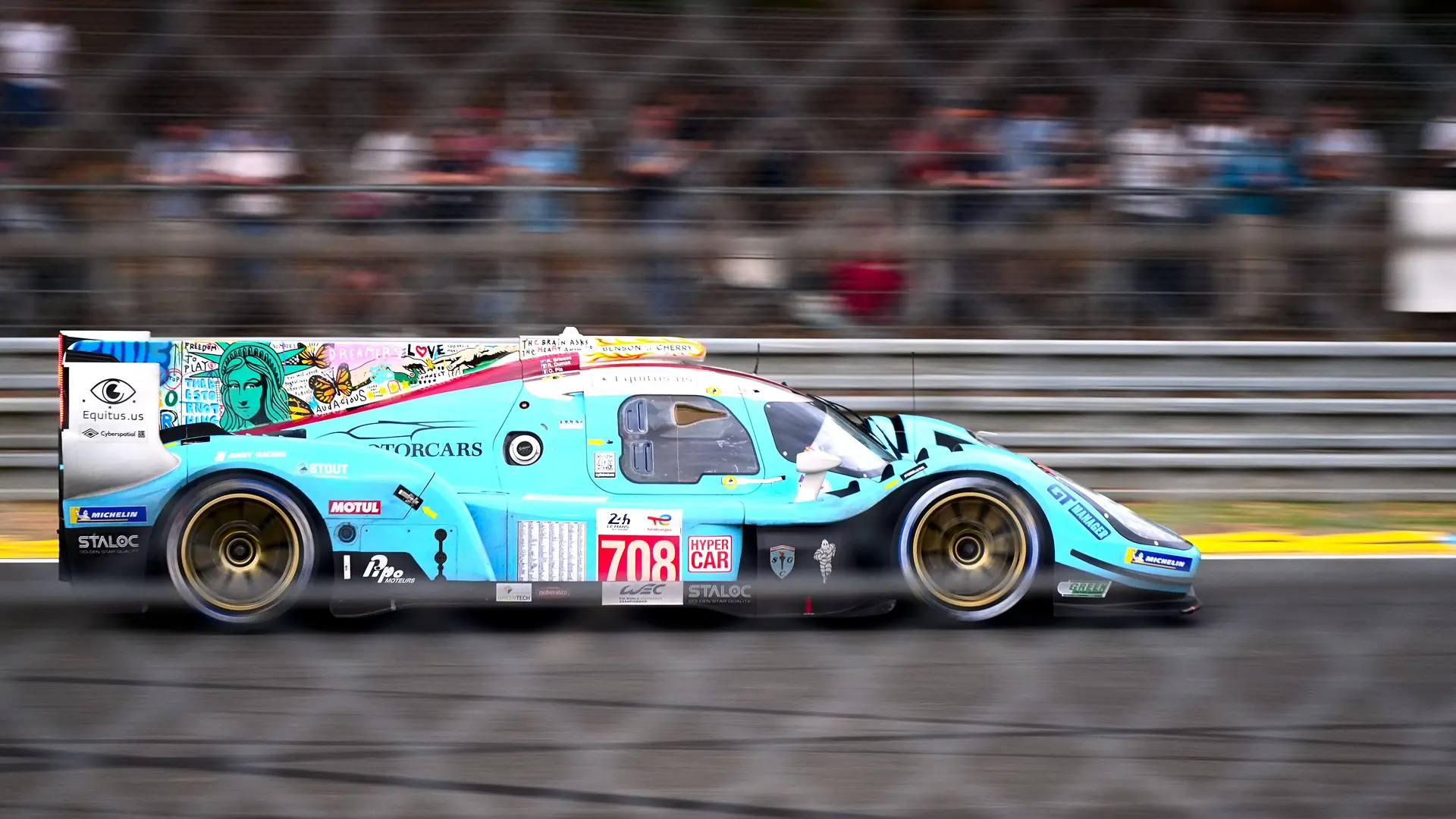
The 24 Hours of Le Mans is the world’s oldest active endurance race and the centerpiece of the FIA World Endurance Championship. Since 1923, drivers have shared one car for a full day and night on the Circuit de la Sarthe in western France, racing three classes of cars at once. Here’s what you’ll want to know: the 2027 calendar, the latest winners in every class, the stories people still talk about, how the rules work, and the manufacturers and drivers who’ve won it most.
24 Hours of Le Mans at a Glance
First race May 26–27, 1923 won by a Chenard & Walcker
Circuit 13.626 km / 8.467 mi Circuit de la Sarthe, partly on public roads
Classes Hypercar, LMP2, LMGT3 plus an LMP2 Pro-Am classification
2026 winner Toyota TR010 Hybrid Conway, Kobayashi, de Vries · 381 laps
Next race June 12–13, 2027 race week runs June 9–13
Distance record 5,410.713 km / 3,362 mi 397 laps by Audi in 2010
24 Hours of Le Mans 2027 Calendar
The 2027 race week at Le Mans runs June 9–13, and the green flag drops on Saturday, June 12. Le Mans is round five of a nine-race FIA World Endurance Championship season, which grows from eight rounds after Silverstone returned for the first time since 2019. It’s also a big year for the grid, because Ford and McLaren both join the Hypercar class in 2027.
2027 FIA World Endurance Championship
| Round | Date | Race | Circuit | Country |
|---|---|---|---|---|
| 1 | March 27 | Qatar 1812km | Lusail International Circuit | Qatar |
| 2 | April 11 | 6 Hours of Imola | Imola Circuit | Italy |
| 3 | April 25 | 6 Hours of Silverstone | Silverstone Circuit | United Kingdom |
| 4 | May 15 | 6 Hours of Spa-Francorchamps | Spa-Francorchamps | Belgium |
| 5 | June 12–13 | 24 Hours of Le Mans | Circuit de la Sarthe | France |
| 6 | July 11 | 6 Hours of São Paulo | Interlagos | Brazil |
| 7 | September 12 | Lone Star Le Mans | Circuit of the Americas | United States |
| 8 | September 26 | 6 Hours of Fuji | Fuji Speedway | Japan |
| 9 | November 6 | 8 Hours of Bahrain | Bahrain International Circuit | Bahrain |
How the 2026 season is wrapping up
The 2026 season lost its two Middle East rounds: the Qatar opener and the Bahrain finale were cancelled because of regional travel and freight problems, so Barcelona and Monza were added instead. That means the 2026 world titles will be decided at Monza on November 8.
| Date | Race | Circuit | Status |
|---|---|---|---|
| April 19 | 6 Hours of Imola | Imola Circuit | Done |
| May 9 | 6 Hours of Spa-Francorchamps | Spa-Francorchamps | Done |
| June 13–14 | 24 Hours of Le Mans | Circuit de la Sarthe | Done |
| July 12 | 6 Hours of São Paulo | Interlagos | Done |
| September 6 | Lone Star Le Mans | Circuit of the Americas | Done |
| September 27 | 6 Hours of Fuji | Fuji Speedway | Done |
| October 18 | 6 Hours of Barcelona | Circuit de Barcelona-Catalunya | Race weekend |
| November 8 | 6 Hours of Monza (finale) | Monza Circuit | Upcoming |
24 Hours of Le Mans Winners: 2026
Le Mans crowns a winner in every class, and the drivers and manufacturers below are the reigning champions heading into 2027. The overall winner is simply the car that covers the most distance in 24 hours, which in 2026 meant seven cars finished on the lead lap.
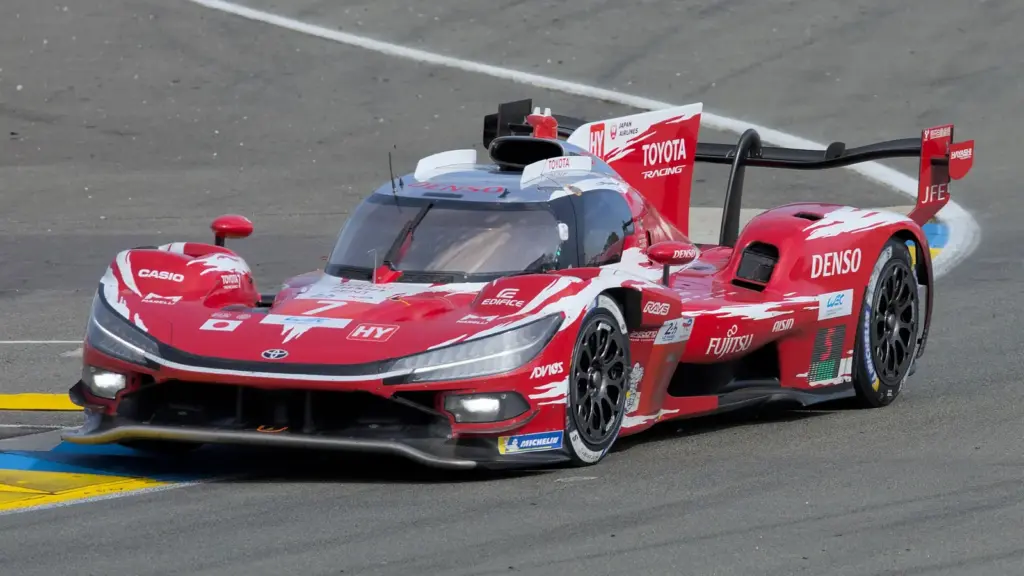
Overall winner
Hypercar
Toyota 381 laps
Toyota came from 14th and 15th on the grid to finish first and third, beating the No. 20 BMW by 10.9 seconds after 24 hours. It was Toyota’s sixth Le Mans win and its first since 2022, ending Ferrari’s three-year run.
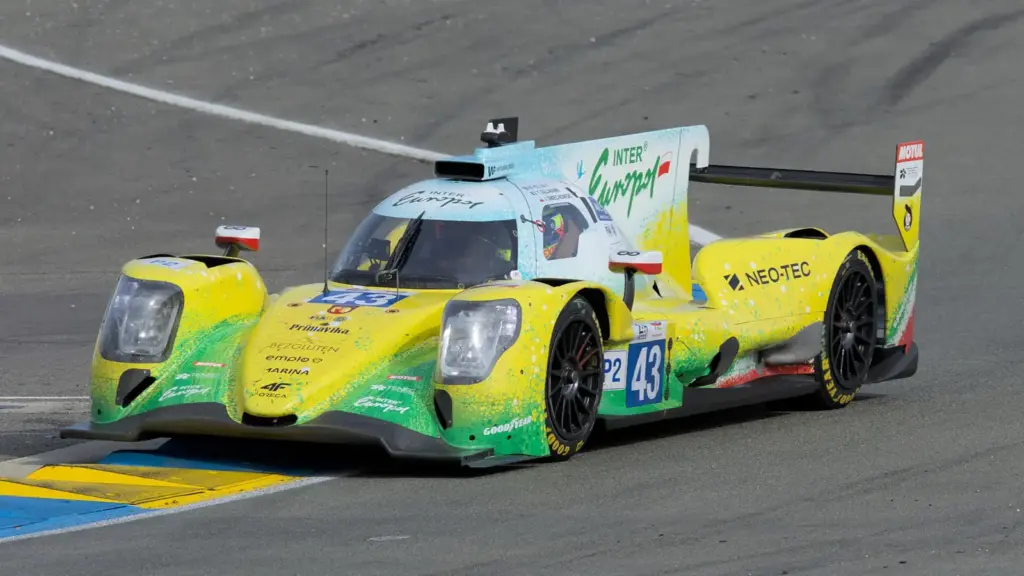
Class winner
LMP2
Inter Europol Oreca 07
The Polish team scored a one-two, its third LMP2 class win in four years. The No. 30 Duqueine had led for long stretches before its brakes failed in hour 21.
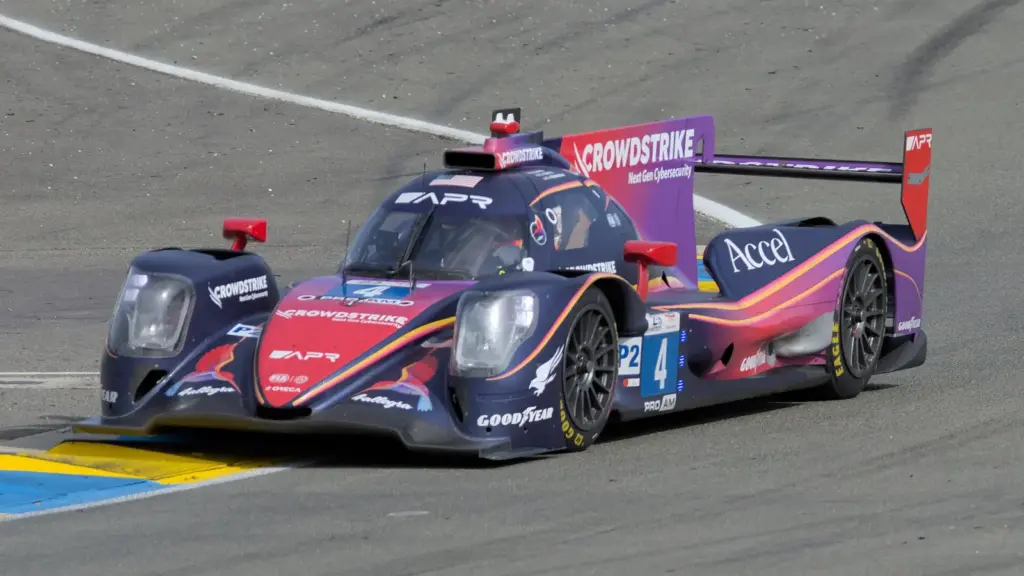
Class winner
LMP2 Pro-Am
CrowdStrike by APR Oreca 07
Team owner George Kurtz and his co-drivers won the Pro-Am classification by more than a lap, after starting from the Pro-Am pole.

Class winner
LMGT3
TF Sport Corvette
Jonny Edgar brought the No. 33 Corvette home ahead of the No. 78 Lexus, giving Corvette its tenth class win at Le Mans.
2026 class winners at a glance
| Class | Car | Drivers | Manufacturer |
|---|---|---|---|
| Hypercar (overall) | No. 7 Toyota Racing | Mike Conway, Kamui Kobayashi, Nyck de Vries | Toyota (TR010 Hybrid) |
| LMP2 | No. 43 Inter Europol Competition | Tom Dillmann, Jakub Śmiechowski, Nick Yelloly | Oreca 07, Gibson V8 |
| LMP2 Pro-Am | No. 4 CrowdStrike Racing by APR | Laurin Heinrich, George Kurtz, Alex Quinn | Oreca 07, Gibson V8 |
| LMGT3 | No. 33 TF Sport | Nicky Catsburg, Jonny Edgar, Ben Keating | Chevrolet (Corvette Z06 GT3.R) |
Reigning world champions
Le Mans is also the biggest points-paying round of the World Endurance Championship. The 2026 titles are still being decided, so these are the current world champions, crowned at the end of the 2025 season.
| Title | Champion | Car |
|---|---|---|
| Hypercar drivers | James Calado, Antonio Giovinazzi, Alessandro Pier Guidi | Ferrari 499P, No. 51 |
| Hypercar manufacturers | Ferrari | Also won the Hypercar teams’ World Cup |
| LMGT3 team & drivers | Richard Lietz, Ryan Hardwick, Riccardo Pera | No. 92 Manthey 1st Phorm Porsche 911 GT3 R |
24 Hours of Le Mans History
The 24 Hours of Le Mans started as a way to prove that ordinary cars could survive a full day of hard driving, back when that was a real question. Over a century it has turned into a laboratory for disc brakes, aerodynamics, diesel and hybrid power, and a stage for manufacturer rivalries. The 2026 race was the 94th; the gaps in the count come from the cancelled years.
- 1923 The Automobile Club de l’Ouest runs the first Grand Prix of Endurance as a test of car reliability. André Lagache and René Léonard win in a Chenard & Walcker.
- 1924–1930 Bentley’s “Bentley Boys” win five times, and Woolf Barnato wins three in a row.
- 1936 and 1940–48 No race: a workers’ strike cancels 1936, then World War II and the rebuild of the circuit stop it until 1949.
- 1949 Luigi Chinetti wins in a Ferrari 166 MM, the start of Ferrari’s long Le Mans story.
- 1955 The worst accident in racing history: Pierre Levegh’s Mercedes-Benz crashes into the crowd near the pits, killing him and more than 80 spectators. Safety at tracks worldwide changes as a result.
- 1960–1965 Ferrari wins six races in a row.
- 1966–1969 Ford wins four straight with the GT40, the story later told in the film Ford v Ferrari.
- 1970 Porsche takes its first overall win with the 917. It goes on to win a record 19 times.
- 1981–1987 Porsche wins seven in a row, mostly with the Group C 956 and 962.
- 1991 The Mazda 787B becomes the first Japanese winner and still the only rotary-engined one.
- 2000–2014 Audi wins 13 times in 15 years, with gas, diesel and then hybrid power.
- 2018–2022 Toyota wins five in a row, first with the TS050 Hybrid and then the GR010 Hybrid.
- 2021 The new Hypercar class replaces LMP1 as the top category.
- 2023 The centenary race. Ferrari returns to the top class for the first time since 1973 and wins.
- 2026 Toyota wins for the sixth time, and Genesis becomes the first Korean manufacturer to race and finish.
Memorable Stories From Le Mans
Every Le Mans has a story, but a few still get retold whenever endurance fans get together. Here are the ones you’ll hear most, from staged finishes to heartbreak with the flag in sight.
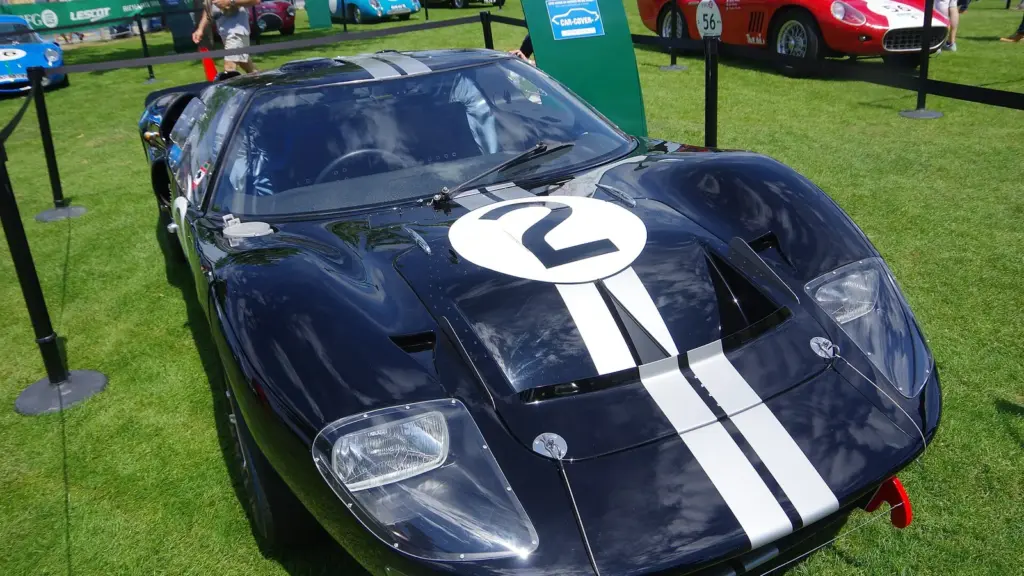
1966
Ford’s staged photo finish
Ford GT40 Mk II Ken Miles
After years of trying to beat Ferrari, Ford ran first, second and third and lined its cars up for a photo at the finish. Ken Miles had led, but because Bruce McLaren and Chris Amon started farther back on the grid, they were judged to have covered more distance and were declared the winners. Miles never won Le Mans.
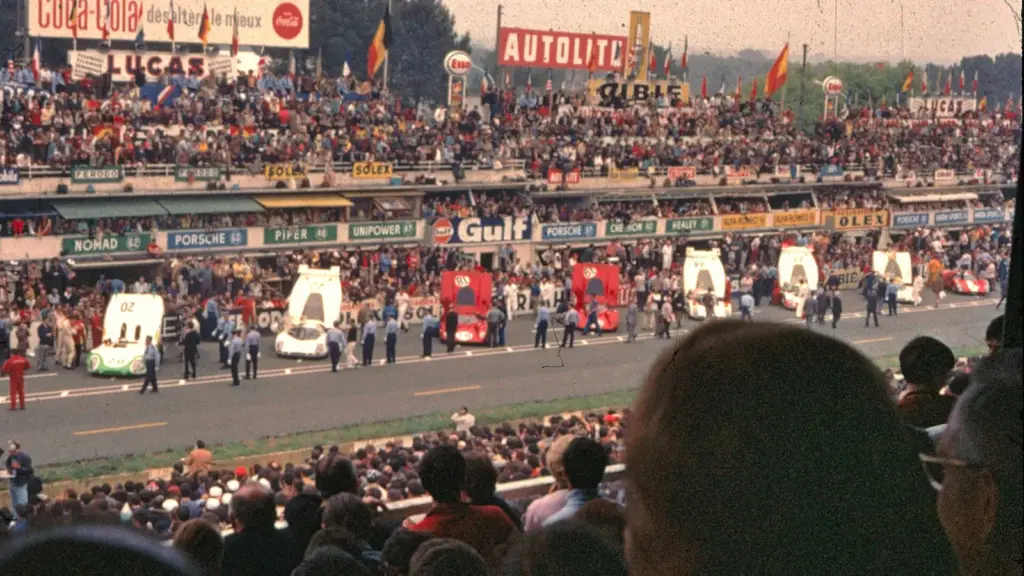
1969
Ickx walks, then wins
Porsche vs. Ford Closest finish
Jacky Ickx protested the old running start by walking to his Ford and fastening his belts while everyone else sprinted. Twenty-four hours later he beat Hans Herrmann’s Porsche by a matter of seconds, in one of the closest finishes Le Mans has seen. The running start was dropped soon after.
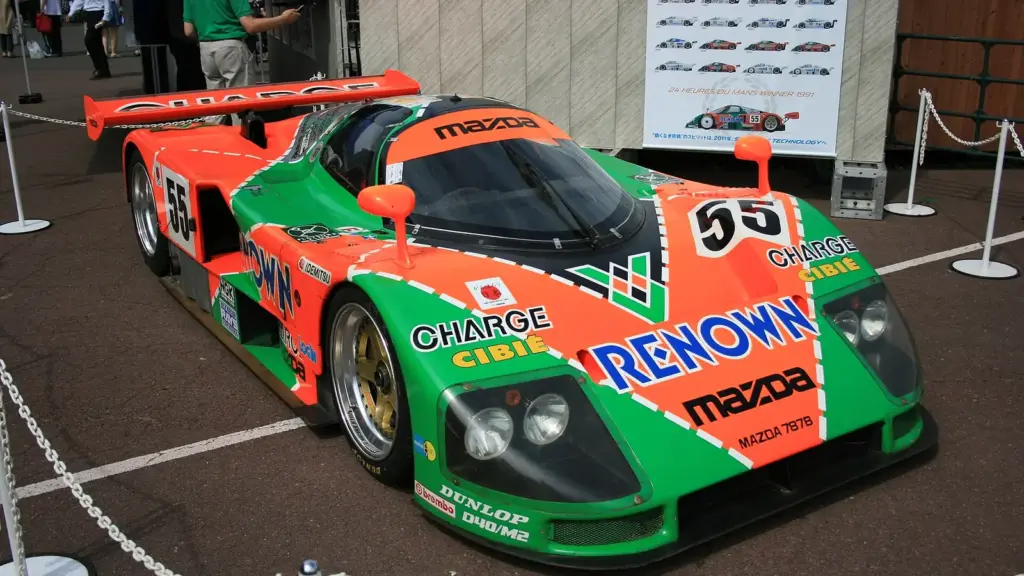
1991
Mazda’s rotary shriek
Mazda 787B Rotary engine
The orange and green Mazda 787B, with its screaming four-rotor engine, won outright. It made Mazda the first Japanese manufacturer to win, and rotary engines were banned from the top class soon after, so it remains the only rotary winner.
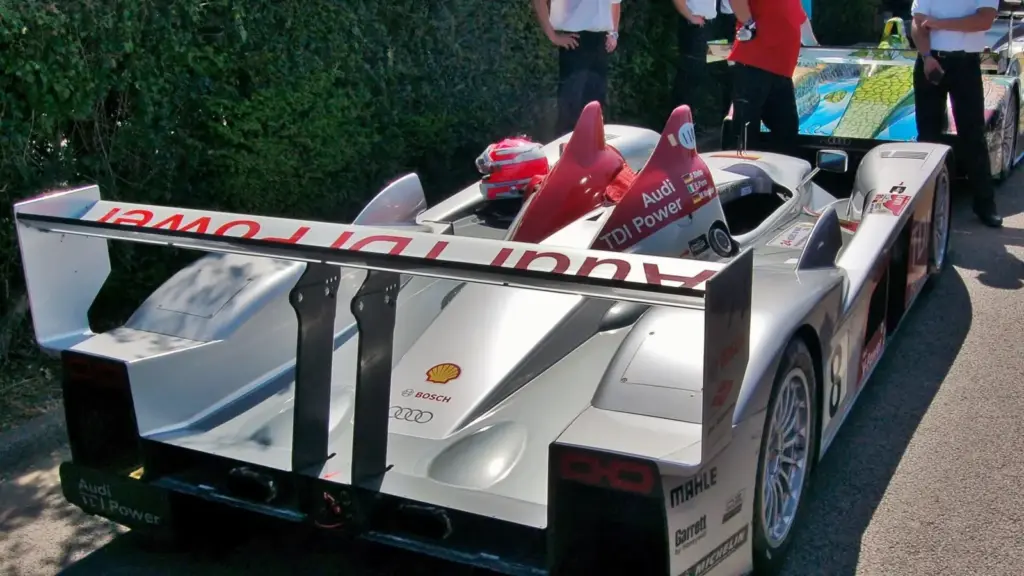
2006
The first diesel winner
Audi R10 TDI Diesel
Audi turned up with a quiet V12 diesel prototype and won first time out, with Frank Biela, Emanuele Pirro and Marco Werner. It changed how manufacturers thought about efficiency at Le Mans, and diesel-powered cars won every year through 2014.

2016
Toyota’s last-lap heartbreak
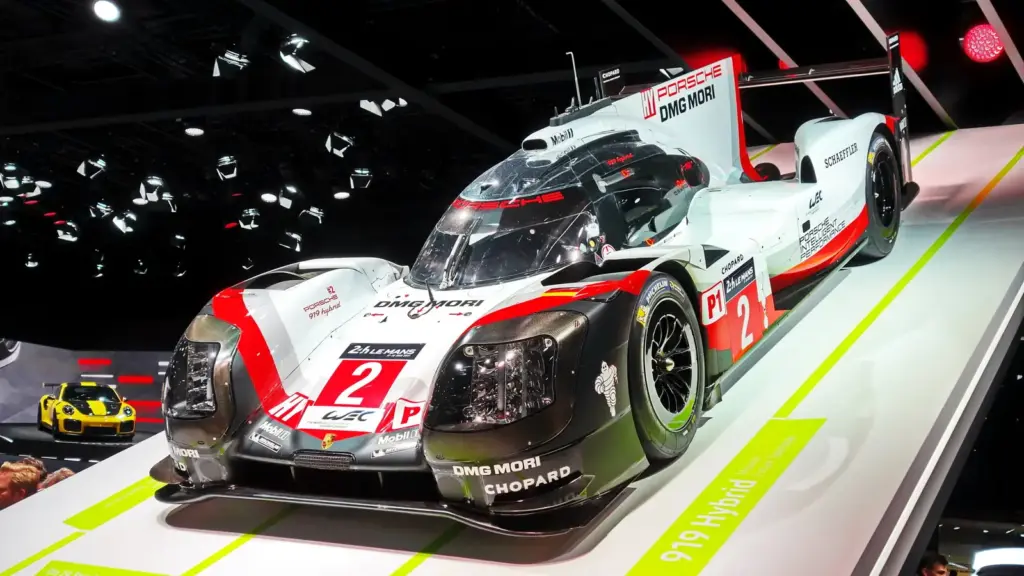
Toyota TS050 Porsche 919
The No. 5 Toyota led with minutes to go when it slowed and stopped on the main straight with a power problem. Porsche swept past to win, and Toyota would wait two more years for its first victory.
2023–2025
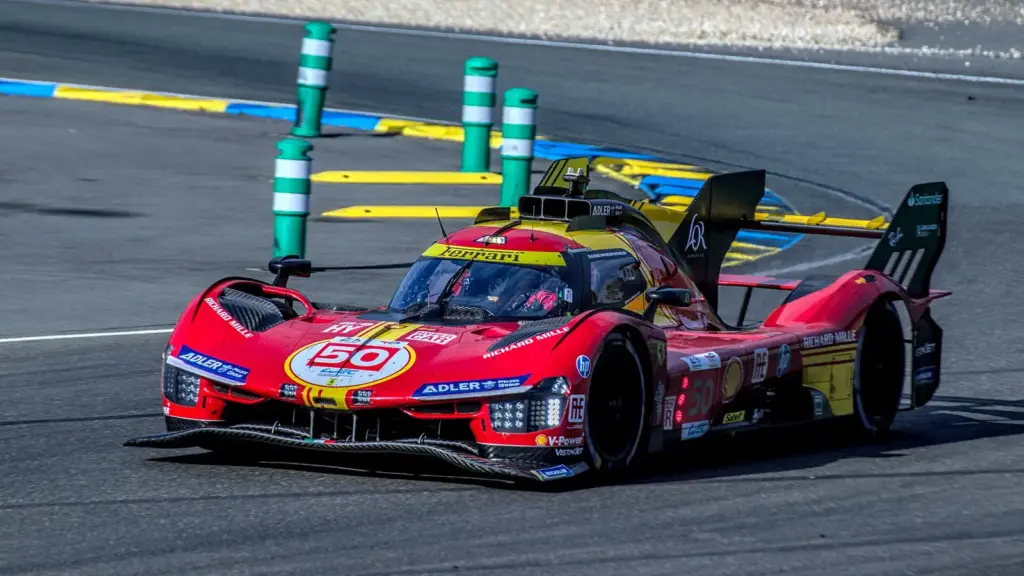
Ferrari’s comeback hat-trick
Ferrari 499P Hypercar
Ferrari won the centenary race in 2023 on its return to the top class, then won again in 2024 and 2025. The 2025 win came from the privately run No. 83, making Robert Kubica the first Polish winner and Yifei Ye the first Chinese winner.
Want a more recent one? In 2017 the No. 2 Porsche lost over an hour in the garage early on, dropped near the back, and still came through to win when the leaders broke down. And in 2026, Toyota started 14th and 15th and won after a four-way fight that wasn’t settled until the last hour.
24 Hours of Le Mans Rules
Le Mans is three races in one. Cars from three classes share the track, with Hypercars lapping the slower GT cars all day and night, so you’re watching a class battle and an overall race at the same time. Here’s how it all works under the current rules, which stay in place for Hypercar until a new rulebook arrives in 2030.
The three classes
Top class
Hypercar
Built to two rulebooks that race together: LMH, where manufacturers design the whole car, and LMDh, which uses a shared chassis from Dallara, Ligier, Multimatic or Oreca plus a common hybrid system. Balance of Performance (BoP) adjusts weight and power so different designs stay close. All cars run on Michelin tires. The LMH rules start from about 500 kW (670 hp) and 1,030 kg (2,271 lb), before BoP adjustments.
Prototypes for private teams
LMP2
Every LMP2 uses the same Gibson V8 engine, and teams buy approved chassis (every 2026 car was an Oreca 07). Crews must include at least one Silver- or Bronze-rated driver. Crews with a Bronze driver also score in the separate LMP2 Pro-Am classification. A new generation of LMP2 cars is due in 2028.
GT cars you can buy a road version of
LMGT3
Based on the global GT3 platform, with Le Mans extras like lit number panels. The manufacturer has to build more than 2,500 road cars a year, and each crew needs at least one Bronze-rated driver plus one Bronze or Silver. BoP balances the cars, but the success ballast used at other WEC races isn’t added at Le Mans.
How the race works
- How you win. The car that covers the most distance in 24 hours wins. All three classes race on track at the same time, and each class has its own result.
- Drivers. Each car has three drivers. Each must drive at least 6 hours and no more than 14 hours, and no one can drive more than 4 hours in any 6-hour window.
- Driver ratings. The FIA rates every driver Platinum, Gold, Silver or Bronze based on age and results. The ratings decide who can race together in LMP2 and LMGT3.
- Qualifying. A qualifying session sets the order, then the fastest cars in each class go through Hyperpole 1 and Hyperpole 2 to decide the front of their class grid.
- Slowing the race. Officials use slow zones for a local problem, a full-course yellow for the whole lap, and safety cars for bigger incidents. Speeding under any of them earns a penalty, often a drive-through.
- Getting classified. A car must complete at least 70% of the winner’s distance to be classified as a finisher.
- Getting in. The 62-car grid includes every full-season WEC entry plus invited teams, including champions from the European and Asian Le Mans Series and teams picked by IMSA.
- Championship points. Le Mans pays 50, 36, 30, 24, 20, 16, 12, 8, 4 and 2 points to the top ten, double a normal six-hour race. Pole position adds one point.
One Le Mans-only twist: the Hypercar BoP for this race uses data from the previous year’s race, and officials can limit power above 250 km/h (155 mph) to keep top speeds on the long straights in check.
Manufacturers With the Most Le Mans Wins
Overall wins at the 24 Hours of Le Mans are the ones manufacturers chase hardest. Twenty-five makes have won since 1923, but three account for 44 of the 94 races. Jaguar is next with seven, then Bentley and Toyota with six each.
19 overall wins
Porsche
1970–2017 7 in a row, 1981–87
Porsche’s first win came with the 917 in 1970, and its last came with the 919 Hybrid in 2017, completing a three-race streak from 2015. In between, the 956 and 962 dominated the 1980s.
13 overall wins
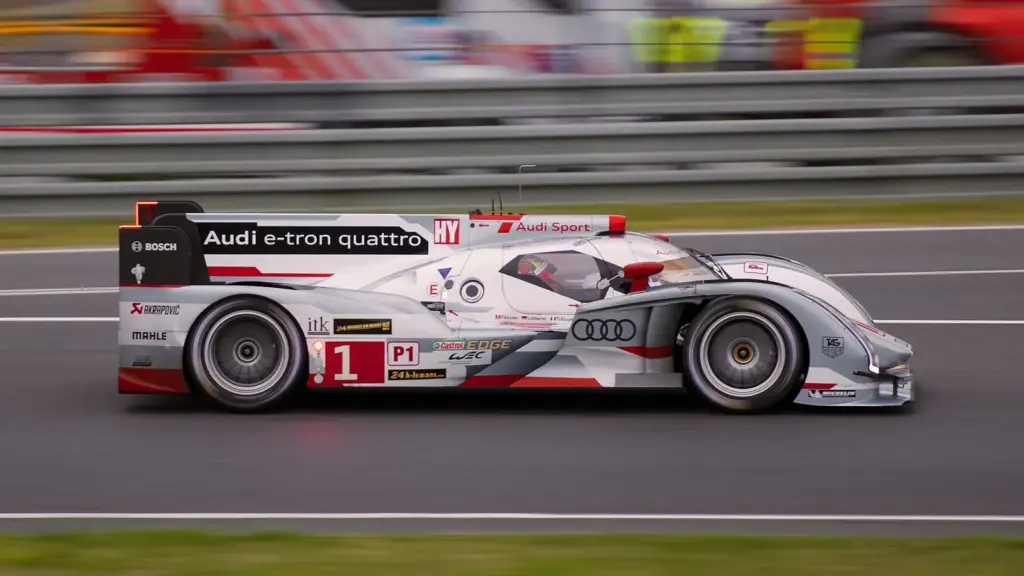
Audi
2000–2014 R8, R10, R15, R18
Audi won 13 of the 15 races between 2000 and 2014, with the R8, the diesel R10 and R15, and the hybrid R18 e-tron quattro. The R8 won five times, more than any other car.
12 overall wins
Ferrari
1949–1965 2023–2025
Nine wins came between 1949 and 1965, including six straight from 1960. Ferrari then came back with the 499P and won three more in a row from 2023.
Drivers With the Most Le Mans Wins
More than 150 drivers have won Le Mans outright, but only a handful have done it five times or more. Among active drivers, Sébastien Buemi leads with four wins.

9 wins
Tom Kristensen
Denmark 6 in a row, 2000–05
Known simply as “Mr. Le Mans.” He won with Porsche power in 1997, with Bentley in 2003 and seven times with Audi, the last in 2013.
6 wins
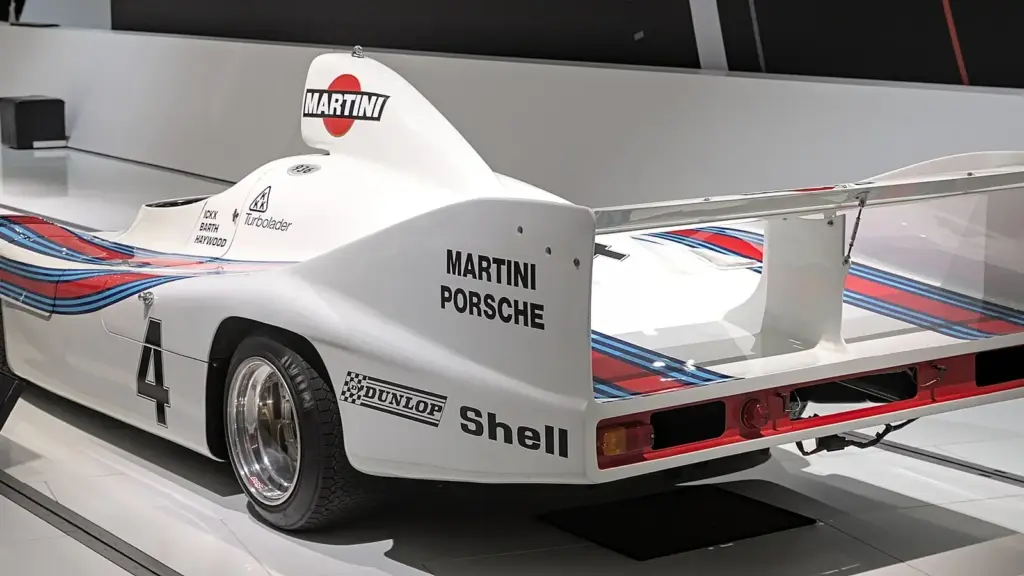
Jacky Ickx
Belgium 1969–1982
The record holder before Kristensen. He won once with Ford, once with a Mirage and four times with Porsche.
5 wins each
Derek Bell, Frank Biela and Emanuele Pirro
UK, Germany, Italy Tied for third
Bell won with Mirage and Porsche between 1975 and 1987. Biela and Pirro shared all five of their wins, with Audi between 2000 and 2007.
Talk Le Mans With Other Fans
Planning your first trip to La Sarthe, arguing about Balance of Performance or just counting down to June? Share it with other endurance fans in the AutoGathering community.
- Le Mans 2027 trip planning
- Camping at Le Mans
- Best viewing spots
- Hypercar debates
- BoP talk
- Classic Le Mans cars
- Sim racing at La Sarthe
- Race-week photos
24 Hours of Le Mans FAQ
When is the 2027 24 Hours of Le Mans?
Race week runs June 9–13, 2027, and the race itself starts on Saturday, June 12, finishing 24 hours later on Sunday, June 13. It is round five of the 2027 World Endurance Championship.
Who won the 2026 24 Hours of Le Mans?
The No. 7 Toyota TR010 Hybrid of Mike Conway, Kamui Kobayashi and Nyck de Vries won overall, 10.9 seconds ahead of the No. 20 BMW. It was Toyota’s sixth win at Le Mans.
How long is the Le Mans track?
The Circuit de la Sarthe is 13.626 km (8.467 miles) long. Much of it uses public roads, including the Mulsanne Straight, which are closed for race week.
Which manufacturer has won Le Mans the most?
Porsche, with 19 overall wins between 1970 and 2017. Audi is next with 13 and Ferrari has 12.
Who has won the 24 Hours of Le Mans the most times?
Tom Kristensen of Denmark, with nine wins between 1997 and 2013, including six in a row from 2000 to 2005.
How many drivers does each car have at Le Mans?
Three. Each driver has to drive at least six hours and no more than 14, and nobody can drive more than four hours in any six-hour window.
What classes race at Le Mans?
Hypercar, LMP2 and LMGT3, all on track together. LMP2 also has a Pro-Am classification for crews with an amateur Bronze-rated driver.
Is Le Mans part of a championship?
Yes. Since 2012 it has been part of the FIA World Endurance Championship, and it pays double the points of a six-hour race.
Explore the Circuits
Every WEC round runs at a track in our racing-circuit directory, so you can look up where the series goes next. The Circuit de la Sarthe sits in our Europe directory, alongside our full guide to Spa-Francorchamps.
Photo credits
- Header image: Mickael Le rouzic, CC BY 2.0, cropped and resized.
- The No. 7 Toyota TR010 Hybrid at…: T GOUREAU, CC BY-SA 4.0, cropped and resized.
- The No. 43 Inter Europol Competition Oreca…: T GOUREAU, CC BY-SA 4.0, cropped and resized.
- The No. 4 CrowdStrike Racing by APR…: T GOUREAU, CC BY-SA 4.0, cropped and resized.
- The No. 33 TF Sport Corvette Z06…: T GOUREAU, CC BY-SA 4.0, cropped and resized.
- The No. 50 Ferrari 499P, the eventual…: Mickael Le rouzic, CC BY 2.0, cropped and resized.
- The No. 4 Porsche 936 that won…: Alexander Migl, CC BY-SA 4.0, cropped and resized.
- An Audi R18 e-tron quattro racing at…: kevinmcgill from Den Bosch, Netherlands, CC BY-SA 2.0, cropped and resized.
- Tom Kristensen in his Audi R8 in…: Martin Lee from London, UK, CC BY-SA 2.0, cropped and resized.
- A Porsche 919 Hybrid, the car that…: More Cars from Berlin, Germany, CC BY 2.0, cropped and resized.
- The 2006 Le Mans-winning No. 8 Audi…: Bahnfrend, CC BY-SA 4.0, cropped and resized.
- The start of the 1969 24 Hours…: ZANTAFIO56, CC BY-SA 2.0, cropped and resized.
- The Ford GT40 Mk II that won…: David Merrett from Daventry, England, CC BY 2.0, cropped and resized.
- The No. 55 Mazda 787B on display…: 韋駄天狗, CC BY-SA 3.0, cropped and resized.
- The No. 5 Toyota TS050 Hybrid during…: David Merrett, CC BY 2.0, cropped and resized.