
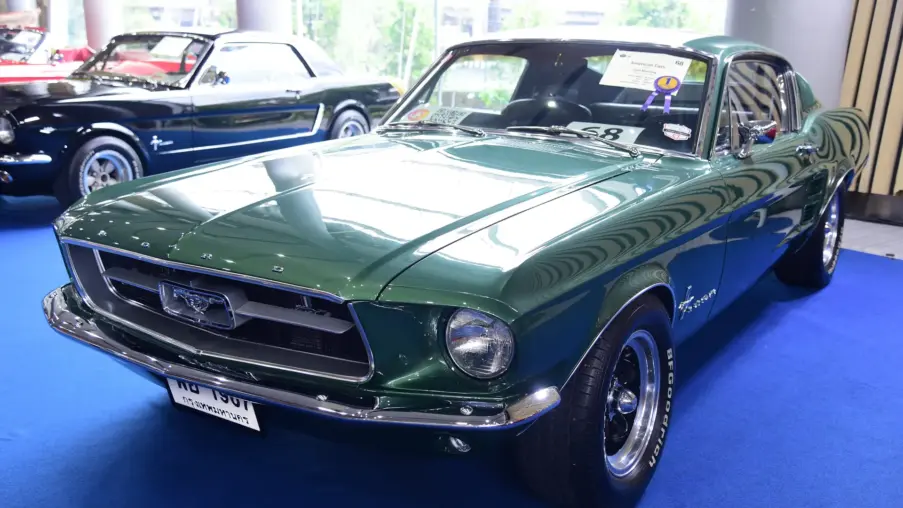
First-Generation Mustang: 1965–1973 Guide
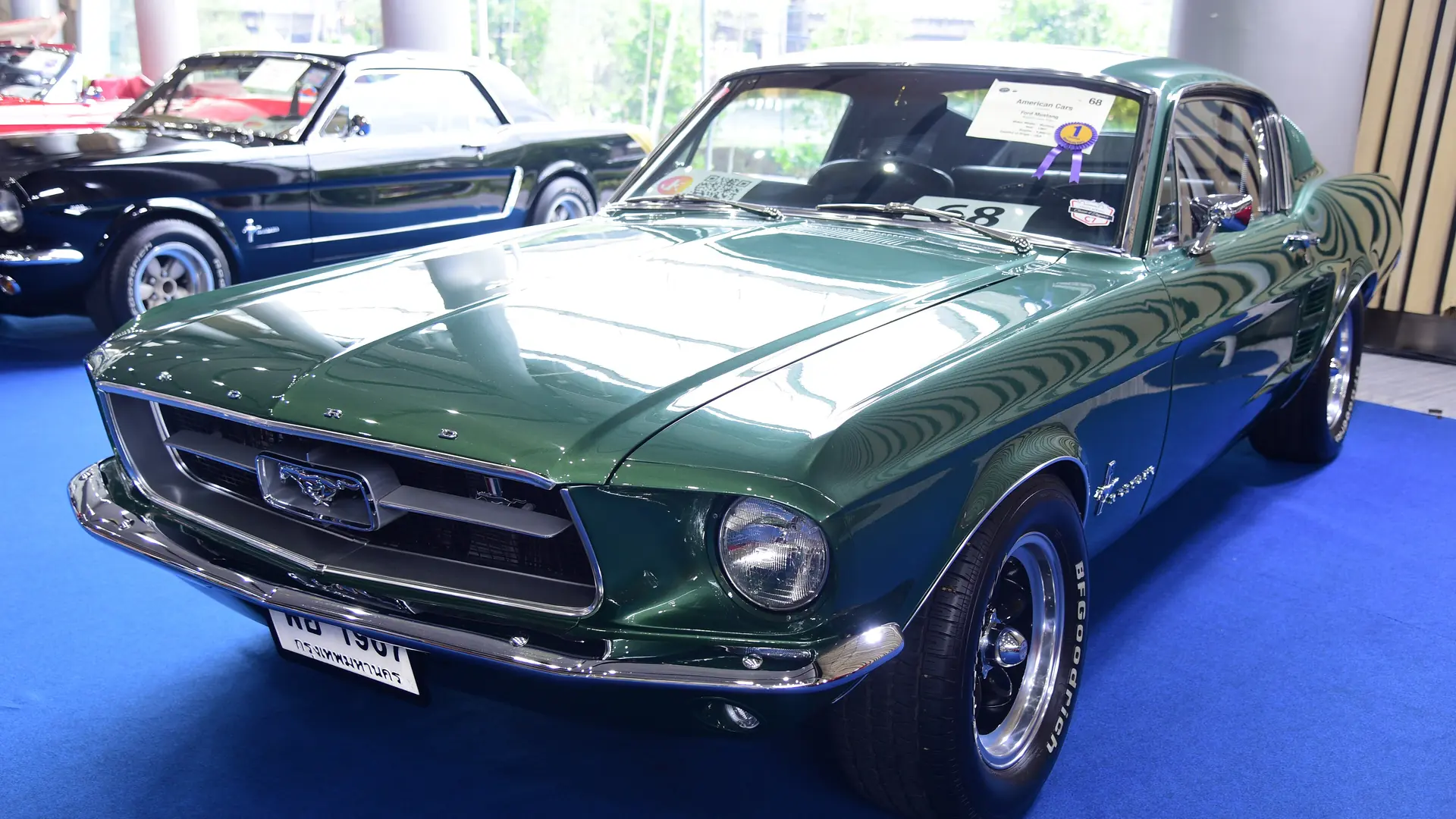
The first-generation Ford Mustang is the original pony car, sold for the 1965 to 1973 model years. It started as a stylish, affordable compact and grew into the Shelby, Boss and Mach 1 legends. Here's how it changed year to year, which engines to look for and what to check before you buy one.
First-Generation Mustang at a Glance
Model years 1965–1973 Including the 1964½ cars
Revealed 17 April 1964 New York World's Fair
First year 400,000+ sold A runaway hit
Body styles 3 Hardtop, convertible, fastback
Restyles 1967, 1969, 1971 Bigger each time
Power range 101–375 hp 170 six to Boss 429
What Made the First Mustang Special
Ford built the first Mustang on parts from the compact Falcon, so it was cheap to make and cheap to buy. Then it wrapped those parts in a long hood, a short rear deck and a huge options list, so buyers could make it a thrifty six-cylinder runabout or a V8 street car.
It went on sale the same day it was revealed in April 1964, and it sold more than 400,000 in its first year. As a result, it created a whole new class of car, and rivals like the Camaro and Barracuda had to follow.
From there, it grew with almost every restyle. By 1971 it was much bigger and heavier, while the engine list had grown to include the 428 Cobra Jet and the Boss 429.
What we like
- The original, iconic design
- Huge parts and restoration support
- Strong values for good cars
What to watch
- Rust can hide almost anywhere
- Clones and fakes are common
- Brakes and safety are 1960s-level
First-Generation Mustang Engines and Power
The first-generation Mustang offered everything from a 101-hp six to the 375-hp Boss 429. Ratings before 1972 are gross figures, which read higher than today's net numbers.
| Engine | Years | Found in | Output |
|---|---|---|---|
| 170 inline-six | 1964½ | Base | 101 hp |
| 200 inline-six | 1965–1969 | Base | 115–120 hp |
| 250 inline-six | 1969–1973 | Base | 155 hp |
| 260 V8 | 1964½ | Optional | 164 hp |
| 289 V8 | 1965–1968 | Optional, GT | 195–225 hp |
| 289 V8 HiPo (K-code) | 1965–1967 | GT | 271 hp |
| 302 V8 | 1968–1973 | Optional | 210–230 hp |
| Boss 302 V8 | 1969–1970 | Boss 302 | 290 hp |
| 351 V8 | 1969–1973 | Optional, Mach 1 | 250–290 hp |
| Boss 351 V8 | 1971 | Boss 351 | 330 hp |
| 390 V8 | 1967–1969 | GT | 280–320 hp |
| 428 Cobra Jet V8 | 1968–1971 | GT, Mach 1 | 335 hp |
| Boss 429 V8 | 1969–1970 | Boss 429 | 375 hp |
Three restyles in nine years
First-Generation Mustang Changes by Model Year
Ford changed the first Mustang a lot in nine years. The 1965 to 1966 cars are the smallest, the 1967 to 1968 cars added big-block room, and the 1971 to 1973 cars are the biggest of all.
- 1964 Revealed on 17 April at the New York World's Fair. Early cars are called 1964½, but they're titled as 1965 models.
- 1965 The fastback joins the hardtop and convertible, while Carroll Shelby builds the first GT350.
- 1967 First restyle. It's bigger, with room for a 390 big-block V8, and the Shelby GT500 arrives.
- 1968 The 428 Cobra Jet arrives, and a Highland Green fastback stars in the movie Bullitt.
- 1969 Second restyle, plus the Mach 1, Boss 302 and Boss 429.
- 1971 The biggest Mustang yet, with the Boss 351 for one year only.
- 1973 Final year. It's also the last Mustang convertible until 1983.
Our verdict: for a classic you'll drive often, a 1965 to 1968 V8 car is the easiest to live with. The later cars are bigger and pricier to buy in good condition.
First-Generation Mustang Special Models
The first generation created the Mustang legends that Ford still borrows names from today.
1965–1970
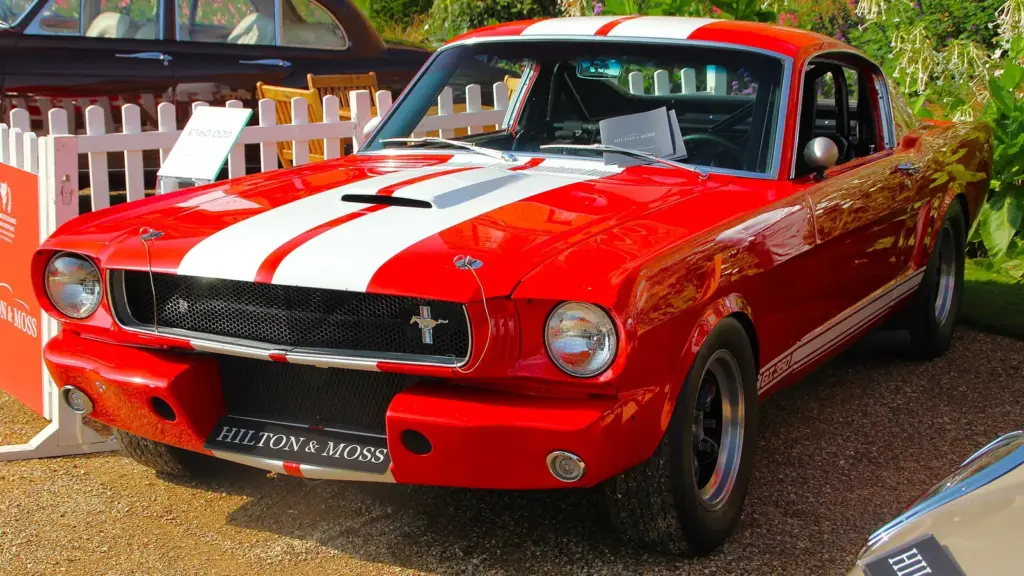
Shelby GT350 and GT500
Shelby-built 289 to 428 V8 Collector car
Carroll Shelby's race-bred versions started with the 1965 GT350, then grew into the big-block GT500 from 1967.
1969–1970
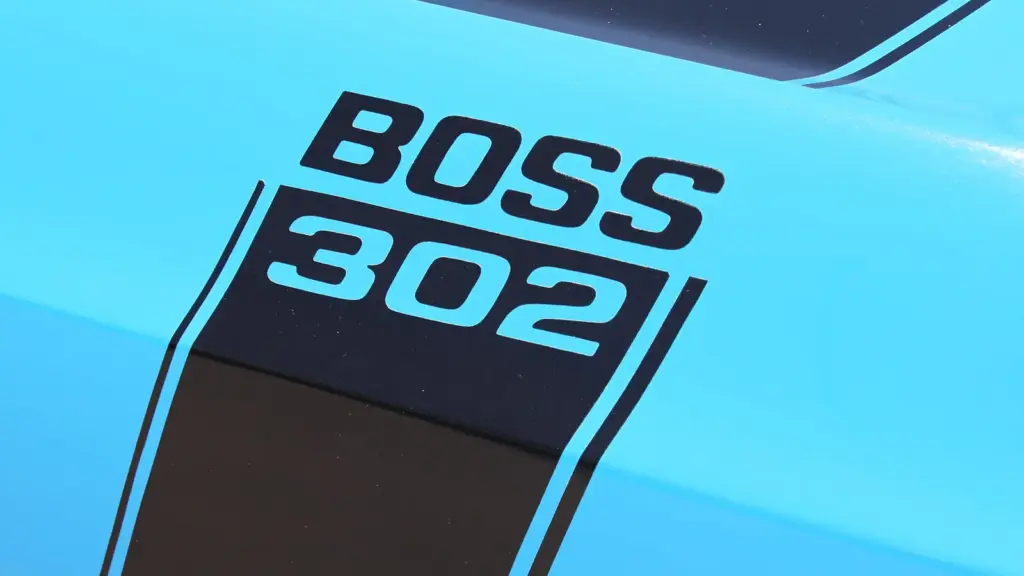
Boss 302
290 hp 302 V8 Trans-Am special
Built so Ford could race in the Trans-Am series, the Boss 302 paired a high-revving small block with sharper handling.
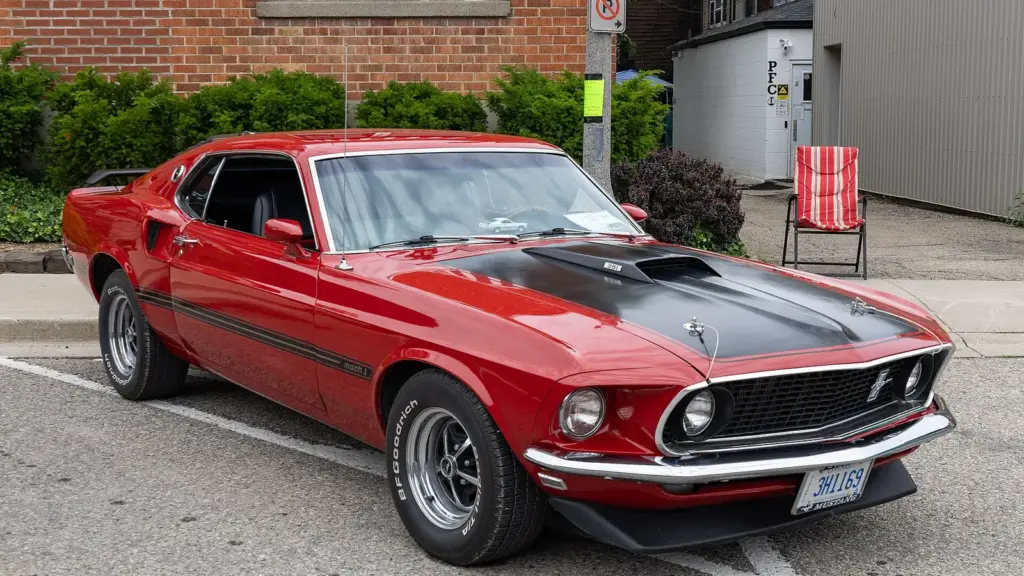
1969–1973
Mach 1
351 to 428 V8 Fastback Shaker scoop
The sporty fastback with stripes, a blacked-out hood and an optional shaker scoop. It quickly became one of the best sellers.
First-Generation Mustang Recalls
Recall campaigns for these cars are well over 50 years old, so condition and originality matter far more today.
First-Generation Mustang Safety Ratings by Region
The first Mustang was built before airbags and modern crash tests, so there are no safety ratings to compare.
| Region | Program | Rating | What it means |
|---|---|---|---|
| United States | NHTSA, IIHS | Not rated | Modern crash-star programs started after this generation ended. |
| Europe, Australia | Euro NCAP, ANCAP | Not rated | These programs started decades later. |
Drive it like a classic. Many owners add front disc brakes, modern tires and three-point seat belts to make an early Mustang safer to drive.
Buying a Used First-Generation Mustang
A good first-generation Mustang is a great classic, but a bad one can swallow a lot of money. Rust and fakes are the two big risks.
- Rust. Check the floor pans, sills, torque boxes, front shock towers, lower doors, rear quarters and trunk floor. Bubbling paint or fresh filler often hides rot.
- Matching numbers. On K-code, Shelby and Boss cars, originality drives the price, so check the VIN, door tag and documentation carefully.
- Engine health. Look for oil leaks from the rear main seal, blue smoke under load and overheating once it's fully warm.
- Clones. Plenty of base cars have been dressed up as GTs, Shelbys or Boss models, so pay for a specialist inspection on anything rare.
Our picks
- Best driver: 1965–1968 289 V8
- Best collectible: Shelby, Boss or K-code
- Best budget buy: a six-cylinder hardtop
Think twice
- Fresh paint over hidden rust
- Clones sold as the real thing
- Rare cars with no documentation
Other Mustang Generations
This is where it all started. Jump ahead to the Mustang II, or see all seven generations.
First-Generation Mustang FAQ
What years are the first-generation Mustang?
The first generation covers the 1965 through 1973 model years. Cars built from spring 1964 are called 1964½, but they're titled as 1965s.
What is a 1964½ Mustang?
It's an early car built before the normal 1965 model year started. They have a few unique parts, like the 170 six and 260 V8 engines.
What is a K-code Mustang?
A car with the high-performance 289 V8, rated at 271 hp, sold from 1965 to 1967. The K is the engine code in the VIN.
What's the difference between a Boss 302 and a Boss 429?
The Boss 302 was a high-revving small block built for Trans-Am racing. The Boss 429 used a huge big-block V8 built so Ford could race it in NASCAR.
Which Mustang was in the movie Bullitt?
A Highland Green 1968 Mustang GT fastback. Ford later named Bullitt editions after it.
How do I check if a classic Mustang is rusty?
Look underneath at the floor pans, torque boxes and sills, then check the shock towers, lower doors, rear quarters and trunk floor.
Sources
Keep Exploring
See every Mustang generation side by side, or head back to the full Ford lineup.
Photo credits
- Header image: Coolalabright, CC BY 4.0, cropped and resized.
- 1966 Shelby GT350 at Hampton Court Concours…: MrWalkr, CC BY-SA 4.0, cropped and resized.
- 1970 Ford Mustang Boss 302 at an…: Jeremy from Sydney, Australia, CC BY 2.0, cropped and resized.
- 1969 Ford Mustang Mach 1 at the…: Crisco 1492, CC BY-SA 4.0, cropped and resized.