
 Written by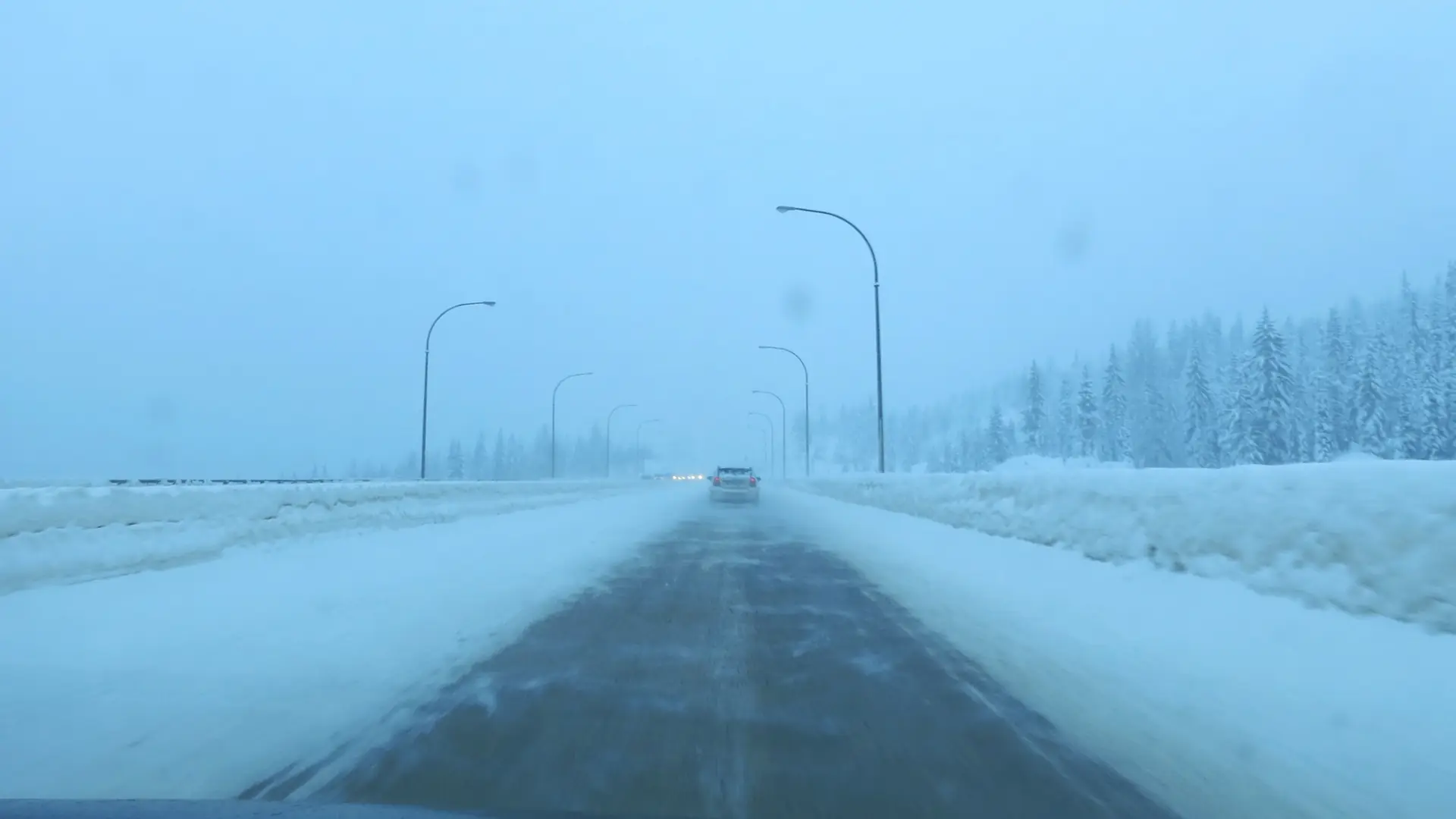
Summer vs. Winter vs. All-Season vs. All-Weather vs. Studded Tires: Which Do You Need?
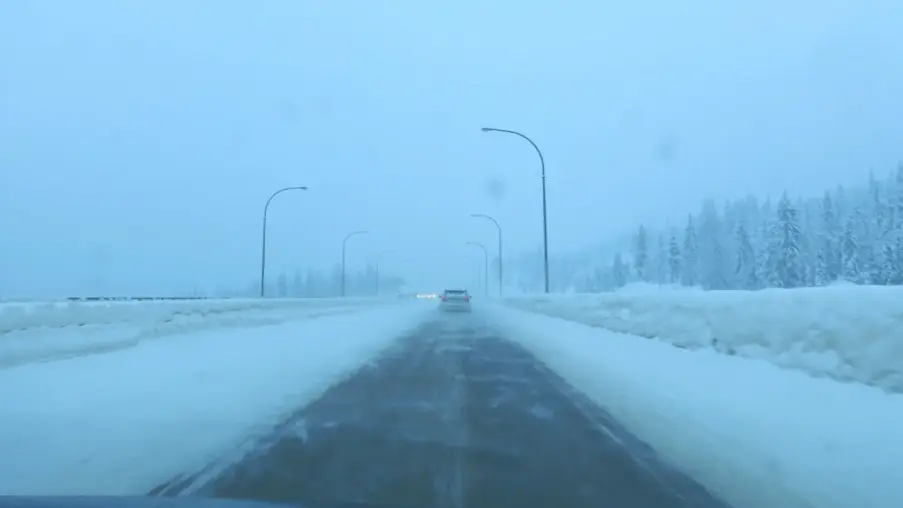
Every fall the same question comes up: do you really need winter tires, or will your all-seasons do? And what about all-weather tires, studs, or the summer tires sitting in your garage? Here’s how the five types actually differ, what the test numbers say, what to run if you take your car to the track, how to read the markings on the sidewall, what pressure to run, and which one makes sense for where you live and drive.
Buyer’s Guide · Tires
Updated October 2026 · 17 min read
Tires at a Glance
The short version, in numbers:
The magic number 7°C Below this, all-season rubber starts to stiffen and lose grip
Ice braking, same test 26.8 m vs 57.9 m Nordic winter tire vs all-season tire
Mountain snowflake test 10% better Snow traction needed vs a reference tire to earn the symbol
Quebec’s winter tire law Dec 1–Mar 15 Winter (snowflake) or studded tires required
Cold steals pressure 1–2 psi For every 5.6°C (10°F) the temperature drops
Canadians with winter tires 66% 86% in Quebec, 48% in Manitoba and Saskatchewan
- The five typesSummer, all-season, all-weather, winter, studded
- The test numbersIce, snow, wet and dry braking
- Studded tiresWhen they’re worth it, and the trade-offs
- Track tiresRoad-legal semi-slicks and track pressures
- Reading the sidewallSize, load, speed, date and symbols
- Tire pressureWhat to run, and why it drops in the cold
- Which to buyLaws, discounts and a simple decision guide
01 · The five types
Summer vs. All-Season vs. All-Weather vs. Winter vs. Studded
The names sound alike, but these are five quite different tires. What separates them is the rubber compound, the tread pattern, and whether they’ve passed a real snow test.
Warm-weather grip
Summer tires
Best wet and dry grip Not for cold
The tire most sports cars and performance trims come on. Sticky rubber and a tread built for water, not snow, give the sharpest steering and shortest stops on warm wet and dry roads. Below about 7°C they lose grip fast, they’re close to useless on snow and ice, and Tire Rack warns the stickiest ones shouldn’t be driven below 5°C or stored below −7°C, where the rubber can crack.
Three seasons, really
All-season tires
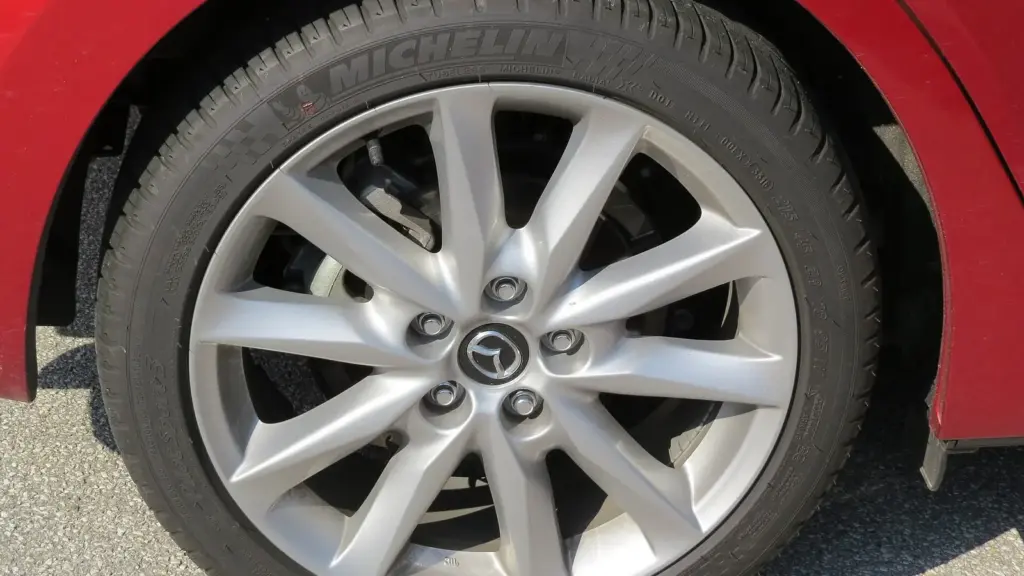
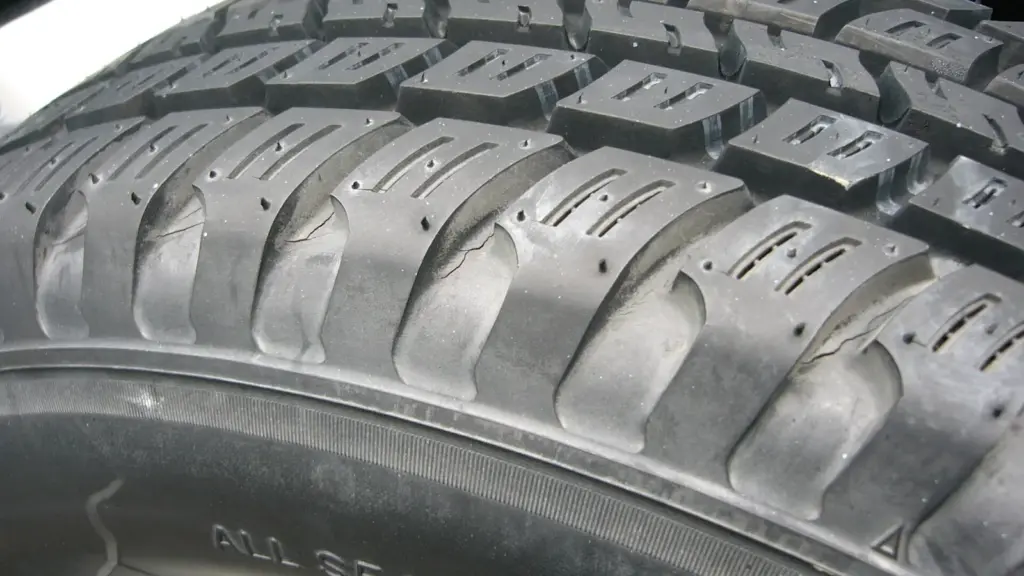
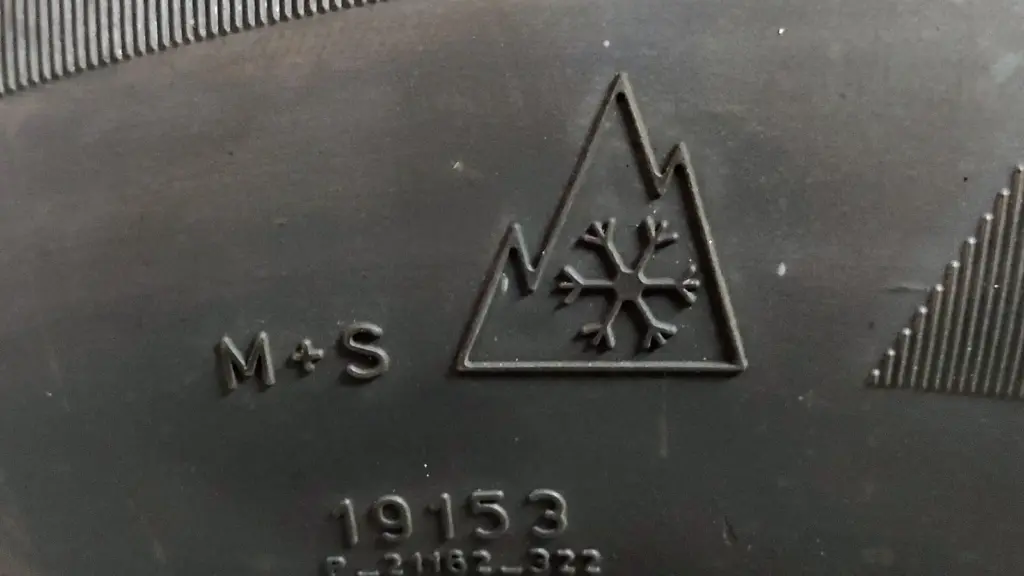
Most new cars M+S marking
The tire most cars leave the factory on. Firm rubber gives good wear, quiet running and solid wet and dry grip, but it stiffens once temperatures stay below about 7°C, and on ice it trails every winter-rated option. Most are marked M+S, which is only a description of the tread pattern, not a snow test.
One set, year round
All-weather tires
Mountain snowflake No seasonal swap
A newer category: a year-round tire that has passed the snow test and carries the three-peak mountain snowflake symbol. Much better than an all-season in snow and slush, close to a winter tire on snow, but still well behind a true winter tire on ice. They wear faster in summer heat than an all-season.
The winter default
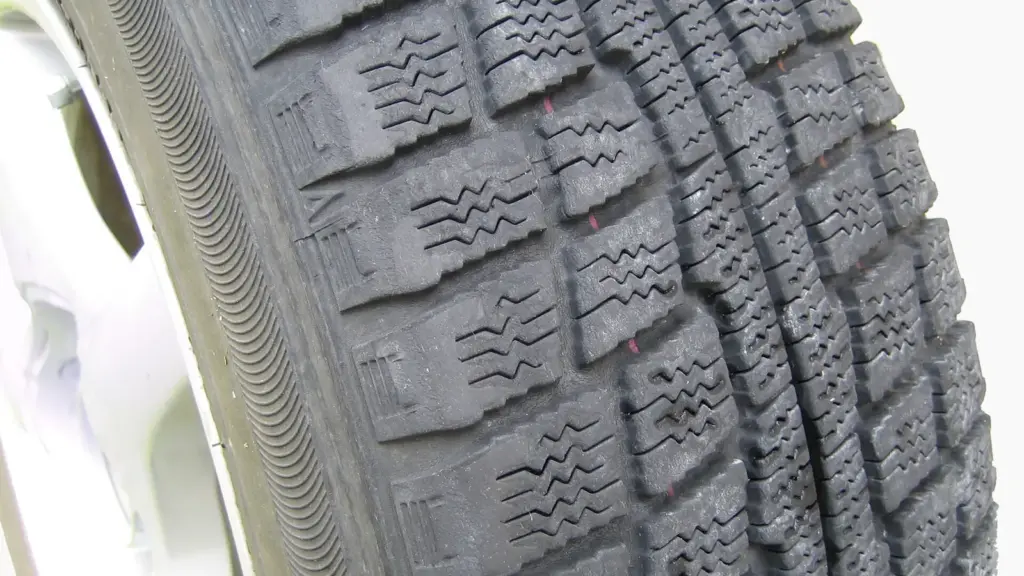
Winter tires (studless)
Mountain snowflake Soft compound
Built only for the cold. Soft, silica-rich rubber stays flexible down to about −40°C, deep tread packs and throws snow, and hundreds of thin slits called sipes give extra biting edges on ice. Ice-focused “Nordic” models like the Bridgestone Blizzak, Michelin X-Ice and Nokian Hakkapeliitta R are what most Canadians buy.
Maximum ice grip
Studded winter tires
Ice specialist Seasonal dates apply
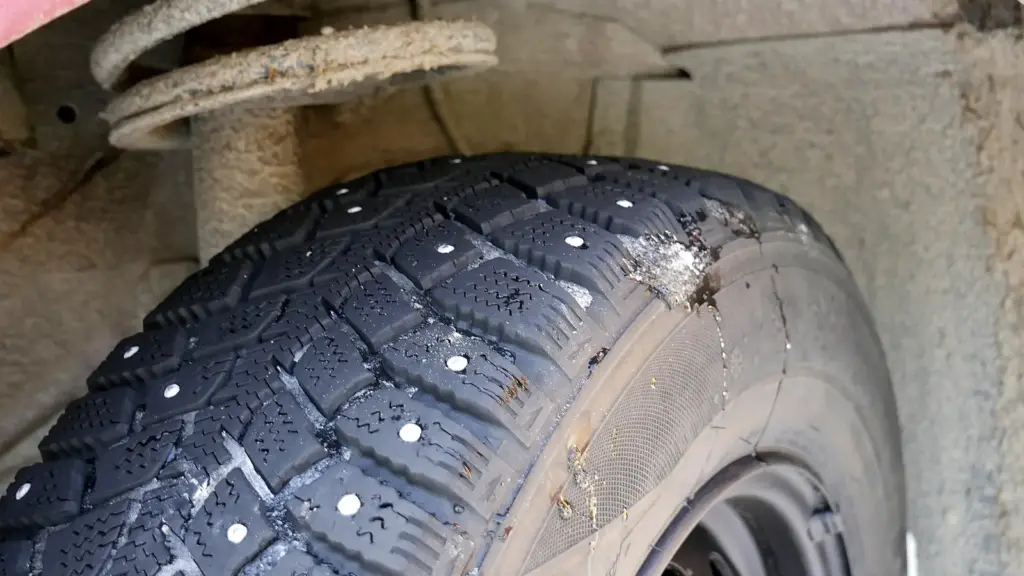
A winter tire with small metal pins set into the tread. The studs dig into hard ice, which no rubber can do, so they stop shortest on glare ice and freezing rain. The trade-offs are noise, slightly worse braking on bare dry or wet roads, road wear, and laws that limit when and where you can use them.
Why 7°C matters
Tire rubber behaves a bit like butter: warm, it’s soft and grippy; cold, it goes hard. Transport Canada says all-season and summer tires begin to lose traction below 7°C. Winter compounds are designed to stay soft far below that, which is why a winter tire grips better on a cold, dry road in January, even with no snow in sight. CARFAX Canada puts it neatly: winter tires grip better on ice at −30°C than all-seasons do at +4°C.
All-wheel drive doesn’t replace winter tires. AWD helps you get moving, but it does nothing to help you stop or turn. Every car stops and steers through four small patches of rubber, and those are what winter tires improve.
02 · The test numbers
What the Tests Say: Ice, Snow, Wet and Dry
The clearest comparison we found puts all six kinds of tire through the same tests, all from one maker so the brand doesn’t muddy things. Tire Reviews tested six Nokian tires in Finland: snow and ice at about −15°C, wet and dry at about +15°C. Shorter is better.
| Tire type (model tested) | Ice braking | Snow braking | Wet braking | Dry braking |
|---|---|---|---|---|
| Summer (Hakka Blue 2) | No grip | 98.6 m | 27.1 m | 25.6 m |
| All-season (zLine A/S) | 57.9 m | 60.2 m | 34.0 m | 29.2 m |
| All-weather (WeatherProof) | 48.5 m | 35.2 m | 31.9 m | 30.2 m |
| Central European winter (WR Snowproof) | 43.3 m | 35.2 m | 31.0 m | 29.7 m |
| Nordic winter, studless (Hakkapeliitta R3) | 26.8 m | 33.9 m | 39.0 m | 31.6 m |
| Studded winter (Hakkapeliitta 9) | 24.2 m | 32.8 m | 38.2 m | 33.2 m |
What that means for you
- On ice, it isn’t close. The Nordic winter tire stopped in less than half the all-season’s distance, and studs shaved off about 10% more.
- In snow, all-weathers hold their own. The all-weather matched the European winter tire and was close to the Nordic one. The all-season needed 70% more room.
- On warm, bare pavement, the order flips. Soft winter rubber and studs stop longer on wet and dry roads at +15°C, which is exactly why you take them off in spring.
- Summer tires own warm roads, and fail in winter. The summer tire stopped shortest of all on wet (27.1 m) and dry (25.6 m) pavement, but needed 98.6 m in snow and couldn’t even be tested on ice.
North American tests point the same way. In Consumer Reports testing, winter tires accelerated from 10 to 30 km/h on packed snow in 19.5 metres, against 26 metres for all-seasons, and stopped about 1.8 metres shorter on ice. CARFAX Canada says that from 50 km/h, winter tires stop about two car lengths sooner than all-seasons.
03 · Studded tires
Studded Tires: When They’re Worth It
Studs are small tungsten-carbide pins pressed into a winter tire’s tread, so each one pokes out about a millimetre. On hard ice and freezing rain, they physically bite in. That’s why they win the ice test, and why they shine on the glare ice you get when temperatures hover around 0°C, where even the best studless rubber starts to slide.
The downsides are real, though. Studs are loud on bare pavement, they stop a little longer on dry and wet roads, and they wear grooves into asphalt. Washington’s transportation department estimates studded tires do $20 million to $29 million of damage to its state roads every winter. That’s why many places only allow them for part of the year, and some ban them outright.
Studs only poke out about a millimetre, but that’s enough to bite into hard ice.
Are studs right for you?
- Get studs ifIce is your normalYou live rurally or up north, deal with freezing rain often, have steep hills or untreated roads, or drive early before plows and salt trucks get out.
- Skip studs ifRoads are usually bareYou mostly drive cleared city streets and highways. A good studless Nordic winter tire is quieter and nearly as good on ice, and better on bare roads.
- Break them inEasy does it at firstDrive gently for the first few hundred kilometres, with no hard braking or launches, so the studs seat properly. Follow the tire maker’s guidance.
- “Studdable” tiresYour choice, laterSome winter tires are sold studdable, with small holes in the tread. A shop can stud them before they’re used; it can’t be done once they’re worn.
04 · Track tires
Road-Legal Slicks: What to Run If You Take Your Car to the Track
First, a reality check: true racing slicks have no tread at all, and no DOT marking, so they aren’t legal on the road. What people call “road-legal slicks” are DOT-stamped tires with just enough tread to pass the rules. They come in two flavours, and both are summer tires taken to the extreme.
200-treadwear “extreme performance” tires, like the Bridgestone Potenza RE-71RS, Yokohama Advan A052 and Falken Azenis RT660, still look like street tires and you can drive them to the track. R-compound (DOT competition) tires, like the Toyo Proxes R888R, Nitto NT01 and Hoosier R7, are semi-slicks with only a couple of grooves and a treadwear rating of 100 or less. They’re faster again, but they’re really race tires.
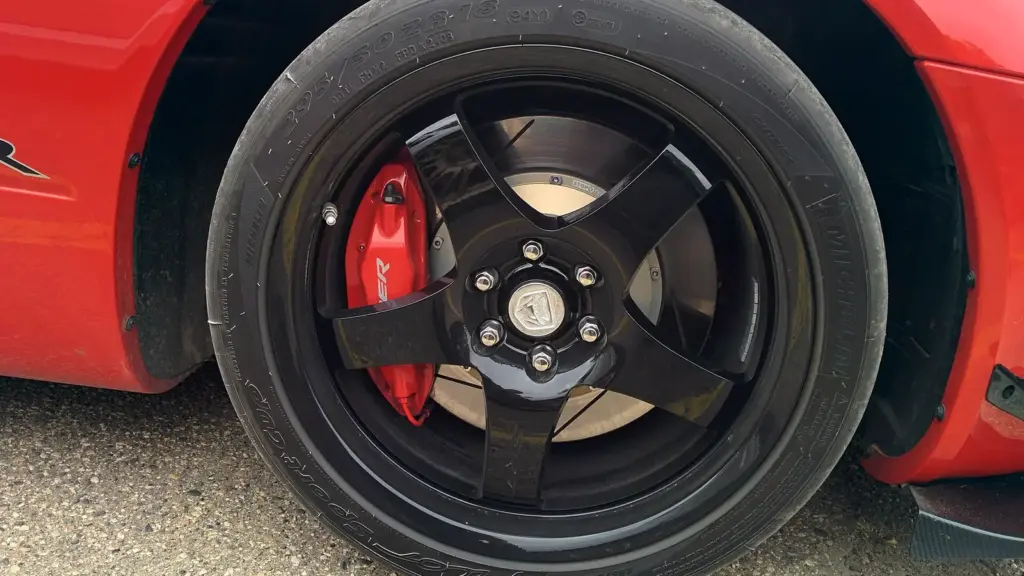
Track-focused “Cup” tires blur the line between street and race rubber.
| Max performance summer | 200-treadwear extreme | R-compound / DOT semi-slick | Race slick | |
|---|---|---|---|---|
| Treadwear rating | Usually 300 and up | About 200 | 100 or less | None |
| Street legal? | Yes | Yes | DOT-stamped, but makers like Hoosier say not for public roads | No |
| In the rain | Good | Usable, but worse as they wear | Poor: little room to clear water | Dangerous |
| Warm-up needed | Little | Some | A lot; they feel like hockey pucks when cold | A lot |
| How long they last | Many seasons | A few track weekends | Sometimes as few as 5 heat cycles at peak grip | Built for racing only |
Before your first track day
- Heat cycle new tiresThe first session countsHoosier recommends keeping the first session on new R7s to 10 to 15 minutes, building speed lap by lap, then letting them cool and rest for at least 24 hours, ideally a week.
- Watch the weatherDry and warm onlySemi-slicks are dry tires, and none of them are rain tires. They also hate the cold, and like any summer tire they can crack if stored below about −7°C.
- Think about a second setWheels or a trailerMost people keep track tires on their own wheels and swap at the track, so they’re not driving to work on a tire with three heat cycles left.
- Check the rulesRun group and insuranceTrack-day groups set their own tire rules, often by run group, and some insurers treat R-compounds differently. Ask before you book.
Track tire pressure: set it hot, not cold
On track, the number that matters is the hot pressure, measured within a minute or two of coming off track. Air in a hot tire typically rises 4 to 12 psi over a session. Performance Plus Tire suggests hot targets of about 33 to 39 psi for street performance tires, and Hoosier lists 32 to 42 psi hot for its DOT radials depending on car weight, from cold starting pressures as low as 26 psi.
- 1. Start lowerFor street performance tires, start a few psi below the door sticker (never below the maker’s minimum) so you land on target hot.
- 2. Check hot, right awaySame gauge, same routine, straight after the session, before the tires cool.
- 3. Bleed to the hot targetOnly ever let air out down to your hot number. Bleeding to the cold number leaves you badly underinflated once they cool.
- 4. Reset for the drive homeBack to the door-sticker pressure, cold, before you get on the highway.
05 · Reading the sidewall
What the Markings on Your Tires Mean
Everything you need to buy the right tire is printed on the side of the one you already have. Here’s how to read a typical size code, using 225/65R17 102H as the example.
- 225WidthThe tire is 225 mm wide, measured sidewall to sidewall.
- 65Aspect ratioThe sidewall height is 65% of the width, about 146 mm here. A lower number means a shorter, sportier sidewall.
- RConstructionRadial, which almost every car tire is today.
- 17Wheel sizeIt fits a 17-inch wheel. A different number means a different wheel.
- 102Load indexThe most weight each tire can carry: 102 means 850 kg. Never go below the load index your car calls for.
- HSpeed ratingThe top speed the tire is built for: H means 210 km/h.
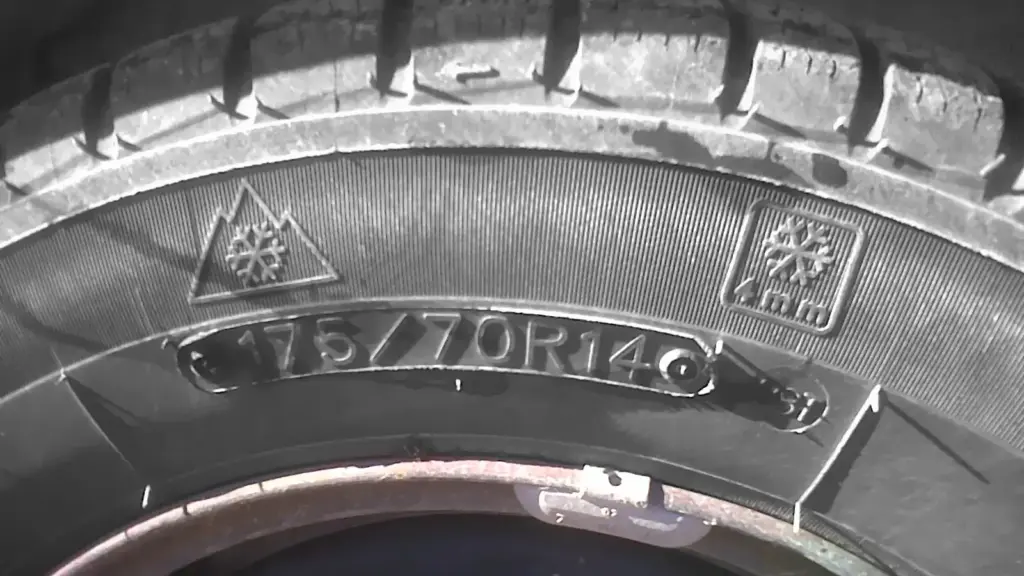
A winter tire’s size code, with the mountain snowflake symbol next to it.
A P in front (P225/65R17) means a passenger-car tire; LT means a light-truck tire, which is built to run at higher pressures. No letter at all means a metric (European) size, which is used the same way on a car.
Speed ratings at a glance
- Q160 km/h
- S180 km/h
- T190 km/h
- H210 km/h
- V240 km/h
- Z / ZROver 240 km/h
Winter tires often carry a lower speed rating than the tires your car came with, and CAA-Québec says that’s acceptable. Just don’t drop too far: check your owner’s manual, or ask the tire shop what your car allows.
The other symbols that matter
- Three-peak mountain snowflake (3PMSF)A real snow testThe tire passed a standard packed-snow traction test, scoring at least 10% better than a reference tire. Winter and all-weather tires have it. Quebec, and most insurance discounts, require it.
- M+S (mud and snow)Just a tread patternDescribes the tread shape only, with no performance test. Most all-season tires have it. BC accepts M+S tires with at least 3.5 mm of tread on its winter highways, but they’re still all-season tires.
- DOT and the date codeWhen it was madeThe last four digits of the DOT code are the week and year it was made: 4225 means week 42 of 2025. Rubber hardens with age, so avoid buying “new” winter tires that have sat in a warehouse for years.
- XL or ReinforcedExtra loadA sturdier build that carries more weight and usually needs a bit more air. If your car came on XL tires, replace them with XL.
- Max. press.Not your targetThe highest pressure the tire can safely hold. It is not what you should run; that number is on your door jamb (more below).
- UTQG (Treadwear, Traction, Temperature)Summer and all-seasonTreadwear (e.g. 600), traction (AA to C) and heat resistance (A to C). Useful for comparing tires within the same brand. A low treadwear number like 200 or 100 signals a sticky, fast-wearing performance or track tire. Winter tires don’t carry it.
06 · Tire pressure
What Tire Pressure Should You Run?
Use the pressure on the sticker in your driver’s door jamb (sometimes inside the fuel door or glove box). That’s what your car’s maker tested it with, and it’s usually somewhere around 220 to 240 kPa, or 32 to 35 psi, for a typical car. Front and rear numbers can differ. Summer and winter tires in the same size run the same pressure unless the tire maker says otherwise. (Track days are different; see the track pressure tips above.)
Two things people get wrong: running the “Max. press.” number from the sidewall (too high, which shrinks the contact patch and hurts grip), and letting air out for “more traction” in snow. Underinflated tires handle badly, wear out faster, use more fuel and can overheat. Don’t do it on the road.
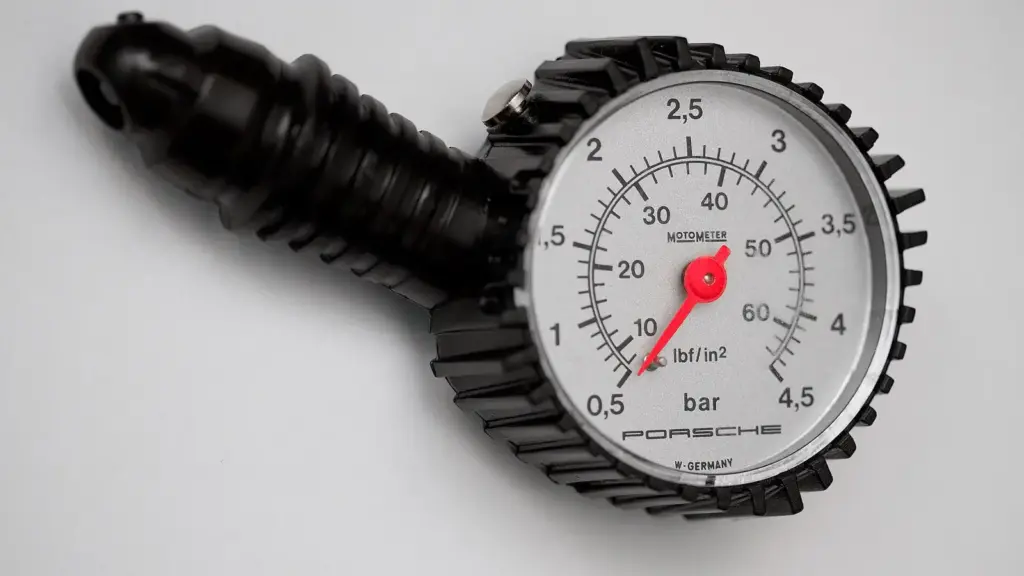
A good gauge costs a few dollars. Most read in psi; door stickers in Canada usually show kPa too.
Why your tire light comes on the first cold morning
Air shrinks as it cools. According to Goodyear, tire pressure drops roughly 1 to 2 psi for every 5.6°C (10°F) the temperature falls. Set your tires in a 20°C garage, drive out into −10°C, and you can be 5 psi or more low without any leak at all. That’s why the tire pressure warning light so often comes on during the first cold snap of the year.
- 1. Check coldCheck before driving, or after the car has sat for a few hours. A warm tire reads high.
- 2. Check outside temperatureIf you fill up in a heated garage, the pressure will drop when you drive out into the cold. Check it once the car has cooled to outside temperature.
- 3. Check monthlyAnd after every big temperature swing. Only 30% of Canadian drivers checked monthly in a Rubber Association of Canada survey.
- 4. Don’t wait for the lightThe warning only has to come on once a tire is 25% low under US rules. On a 33 psi tire, that’s already about 8 psi down.
Swapping to winter tires on their own wheels? Make sure the new wheels have working pressure sensors, or the warning light will stay on all winter. Most shops can fit and program sensors when you buy the set.
07 · Which to buy
Which Tires Should You Buy? Laws, Discounts and Where You Live
Start with the law, then your climate, then your budget.
Laws and money you should know about
Quebec
Winter tires required
Dec 1 to Mar 15 $200–$300 fine
Every Quebec-registered passenger vehicle needs tires with the mountain snowflake symbol, or studded tires, from December 1 to March 15. Most all-weather tires qualify; all-seasons don’t.
British Columbia
Required on most highways
Oct 1 to Mar 31 $121 fine
Signed highways need M+S or mountain snowflake tires with at least 3.5 mm of tread from October 1, through March 31 on most routes and April 30 on mountain passes. That includes the Sea to Sky, the Malahat and every Interior and Northern highway.
Ontario and Manitoba
Help with the cost
Insurance discount Low-interest loans
Ontario insurers must offer a discount if you run winter tires; ask yours, as the amount varies. Manitoba Public Insurance lends up to $2,000 at prime + 2% for winter tires. From October 1, 2026, the loans cover dedicated winter tires only, not all-weathers.
A simple decision guide
- Summer tiresPerformance cars, warm monthsFor sports cars and spirited drivers from spring to fall. In most of Canada they need a winter set alongside them, because they can’t be driven safely once it gets cold.
- All-season tiresMild, mostly wet wintersSnow is rare and melts fast: think Vancouver, Victoria, Seattle or the US South. You’ll need something more if you head up to the mountains or Interior, or live outside Quebec’s rules.
- All-weather tiresCity driving, some snowMostly plowed roads, the odd snowfall, no space to store a second set, and you’d rather not swap twice a year. They’re legal in Quebec and on BC highways, but give up a lot on ice.
- Winter tires (studless)Real wintersRegular snow, cold and ice from December to March: most of Ontario, Quebec, the Prairies, Atlantic Canada and BC’s Interior. A dedicated set on their own wheels is the safe default for most Canadians.
- Studded tiresIce, hills and rural roadsFrequent freezing rain or glare ice, steep or unplowed roads, and early-morning drives in the north. Check your province’s dates, and expect more noise.
- Track tiresTrack days and autocrossA 200-treadwear tire if you drive to the track and want one set for everything; R-compound semi-slicks on a second set of wheels if lap times matter more than comfort or rain grip.
Smart buying tips
- Four, not twoNever mix types or fit winter tires on one axle only. The car can spin out
- On their own wheelsCheaper swaps every season, and less wear on the tire beads
- Swap at 7°CWinters on (and summers off) when daytime highs stay below 7°C
- Replace at half-wornWinter grip falls off fast below about 5–6 mm of tread
Frequently Asked Questions
What’s the difference between all-season and all-weather tires?
All-weather tires have passed a snow traction test and carry the three-peak mountain snowflake symbol, so they’re much better in snow and slush and can stay on all year. All-season tires usually only carry M+S, which isn’t a performance test, and they stiffen up below about 7°C.
Are all-weather tires as good as winter tires?
In snow, they’re close. On ice, they’re not: in one six-tire test, an all-weather tire needed 48.5 m to stop on ice, against 26.8 m for a Nordic winter tire. If you see a lot of ice, a dedicated winter tire is still the better choice.
Are studded tires better than winter tires?
Only on ice. Studded tires stop shortest on hard ice and freezing rain, but they’re noisier and stop a little longer on bare dry or wet pavement, and many provinces and states limit when you can use them. For mostly plowed roads, a studless Nordic winter tire is the better all-round choice.
When should I put my winter tires on?
When daytime temperatures are consistently below 7°C, which is usually October or early November in most of Canada. In Quebec they must be on by December 1, and on many BC highways by October 1.
What does the snowflake on a tire mean?
The three-peak mountain snowflake symbol means the tire passed a standard packed-snow traction test, scoring at least 10% better than a reference tire. M+S alone only describes the tread pattern.
What tire pressure should I use in winter?
The pressure on the sticker in your driver’s door jamb, checked cold. Don’t use the maximum pressure on the sidewall, and don’t let air out for snow. Pressure drops roughly 1 to 2 psi for every 5.6°C (10°F) of cooling, so check it more often in winter.
How do I know how old my tires are?
Look for the DOT code on the sidewall. Its last four digits are the week and year the tire was made, so 4225 means the 42nd week of 2025.
Can I drive summer tires in winter?
No. Summer tire rubber goes hard below about 7°C, they have almost no grip in snow and none on ice, and the stickiest performance tires can crack if driven or stored in sub-freezing temperatures. Swap them for winter or all-weather tires in the fall, and store them indoors.
Are semi-slick track tires street legal?
Most carry a DOT marking, which makes them technically legal, but they’re built for dry, warm track use. They’re poor in rain and cold, wear quickly, and some makers, like Hoosier, say not to use them on public roads at all. A 200-treadwear extreme performance tire is the better choice if you drive to the track on the same set.
Do I need winter tires if I have all-wheel drive?
Yes, if you get real winter weather. All-wheel drive helps you accelerate, but it doesn’t help you stop or steer. Winter tires do.
Get Your Car Ready for Every Season
Tires are the biggest piece of the puzzle, but not the only one. Cold mornings are hard on batteries, and if you’re shopping for a winter car, check it over properly first.
Sources
- Tire Reviews: summer, all-season, all-weather, winter, Nordic and studded tires compared (Nokian test)
- The Globe and Mail: why winter tires should be on every car (Consumer Reports and TRAC data)
- Transport Canada: winter driving
- CARFAX Canada: get the facts on winter tires
- Tire Rack: what is the three-peak mountain snowflake symbol?
- Tire Rack: what does the M+S brand mean?
- Continental Tire Canada: winter tire laws in Canada
- Square One: winter tires in Quebec
- CHEK News: BC winter tire requirements on highways
- Manitoba Public Insurance: Winter Tire Program
- MyChoice: Ontario’s winter tire insurance discount
- WSDOT: Washington’s studded tire deadline is March 31 (2026)
- Jalopnik: studded tires are illegal in these US states
- Jalopnik: what the numbers on a tire mean
- Guide Auto: tire change, beware of the speed rating (CAA-Québec)
- Auto Training Centre: placard pressure, cold readings and TPMS
- Scripps News: cold weather and tire pressure (Goodyear)
- FMVSS 138: tire pressure monitoring systems
- European Rubber Journal: Rubber Association of Canada tire inflation survey
- Kal Tire: when to replace winter tires
- Tire Rack: storing performance summer tires in cold temperatures
- Grassroots Motorsports: R-comp race tires vs. 200-treadwear extreme street tires
- Performance Plus Tire: what are R-compound tires?
- Performance Plus Tire: track tire pressure, hot vs. cold
- Hoosier Racing Tire: R7/A7 technical information
Photo credits
- Header image: Ruth Hartnup, CC BY 2.0, cropped and resized.
- Close-up of a studded winter tire showing…: Santeri Viinamäki, CC BY-SA 4.0, cropped and resized.
- Tread of a studless winter tire with…: Lombroso, Public domain, cropped and resized.
- Tread of an all-season tire with the…: Ken T1381, CC BY-SA 3.0, cropped and resized.
- Three-peak mountain snowflake symbol and M+S marking…: MatthewGhera, CC BY 3.0, cropped and resized.
- Tire sidewall showing the size code 175/70R14…: A7N8X, CC BY-SA 3.0, cropped and resized.
- Dial tire pressure gauge reading in psi…: Antti, CC BY 2.0, cropped and resized.
- Michelin Pilot Sport 3 summer performance tire…: GT1976, CC BY-SA 4.0, cropped and resized.
- Michelin Pilot Sport Cup track-focused tire on…: Ryan Gsell, CC BY 2.0, cropped and resized.